REVIEW · CANAKKALE
Troy and Gallipoli Day Trip from Canakkale
Book on Viator →Operated by Hassle Free Travel · Bookable on Viator
History has two faces here.
This full-day Troy and Gallipoli trip from Çanakkale pairs the mythic power of Homer’s Troy with the real weight of the 1915 Gallipoli campaign, all in one efficient 10-hour loop. I like how the day is structured for meaning, not just sightseeing—Troy’s excavation layers come with clear context, then the mood shifts to cemeteries and memorial sites with careful historical framing (with guides such as Ercan, and planning support noted from Ezgi at Hassle Free Travel).
Two things I especially like: the small group size (max 15) and the way the guide connects what you’re seeing—like the replica wooden Trojan Horse—to the bigger story of both ancient and modern conflict. The only real catch is the length and the outdoors factor: it’s a full day, and the experience requires good weather, so you’ll want to plan for a long day with walking and standing.
In This Review
- Quick hits before you go
- Troy and Gallipoli from Çanakkale: why this combo works
- Arriving at Troy: ruins, excavation layers, and the Trojan Horse replica
- What you’ll see at the site
- Troy’s museum and the story behind the dig
- The shift to Gallipoli: from mythic city to modern battlefield
- Gallipoli’s key stops: beaches, coves, ridges, and named memorials
- Brighton Beach and the landing story
- ANZAC Cove
- Johnston’s Jolly
- The Nek and Walker’s Ridge
- Ari Burnu, Beach Cemetery, and Lone Pine Cemetery
- Turkish Memorial and Chunuk-Bair
- Lunch in Çanakkale: fueling the second half
- Price and value: what you’re paying for and what to expect
- Meeting point and timing: the 8:30 start matters
- Practical tips to make the day easier
- If you get Ercan or support from Ezgi, that’s a bonus
- Should you book the Troy and Gallipoli day trip?
- FAQ
- Where does the tour start and what time does it begin?
- How long is the Troy and Gallipoli day trip?
- What’s the price per person?
- What does the tour include?
- Are drinks included with lunch?
- Is the tour in English?
- How many people are on the tour?
- What child policy applies?
- What happens if the tour is canceled due to weather?
- What if I need to change or cancel my booking?
Quick hits before you go
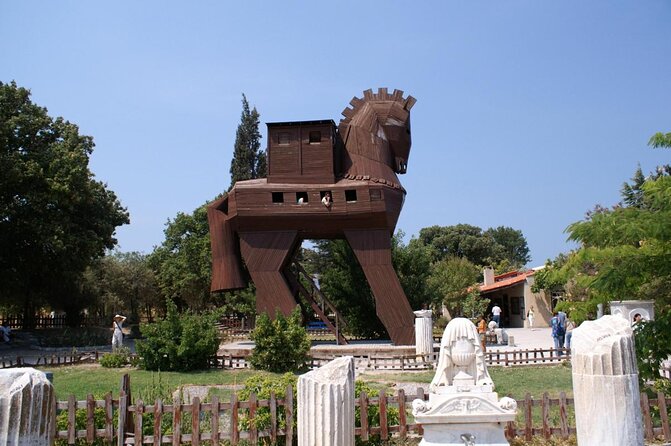
- Troy’s nine cities, from 3,500 BC onward, plus walls, altars, and multiple “Troy” layers through Troy IX
- Replica wooden Trojan Horse plus major site highlights like the Odeon (Concert Hall)
- Gallipoli’s key sites on one circuit: Brighton Beach, ANZAC Cove, Johnston’s Jolly, the Nek, Walker’s Ridge
- Memorials and cemeteries you can actually feel: Ari Burnu, Beach Cemetery, Lone Pine Cemetery, Turkish Memorial, Chunuk-Bair
- Air-conditioned minivan + ferry ride, with lunch in Çanakkale included in the cost
- English-speaking tour for a more guided experience (and easier storytelling across both sites)
Troy and Gallipoli from Çanakkale: why this combo works
If you’ve ever thought, Troy is for stories and Gallipoli is for war, this tour nudges you to see the link between them: human ambition, human loss, and how places carry memory. From Çanakkale, you get the advantage of doing both in one day without turning it into two separate logistics headaches.
The other reason this combo works is pacing. You start with ancient Troy first, when your brain is still in discovery mode. Then, after lunch, the day pivots to WWI ground—Brighton Beach and ANZAC Cove to the memorial heights like Chunuk-Bair. It’s not a casual switch. It’s the kind of shift that makes the second half land harder, because you’ve already learned how layered and meaningful “a place” can be.
And it’s not just a long drive. You’re also getting the benefit of included entrance fees, a guided narrative, and transportation handled via air-conditioned minivan plus a ferry ride.
You can also read our reviews of more tours and experiences in Canakkale.
Arriving at Troy: ruins, excavation layers, and the Trojan Horse replica
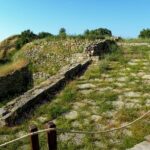
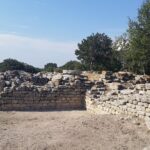
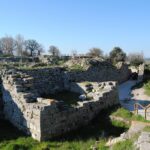
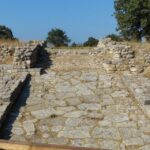
Troy isn’t treated like a single frozen point on a map. Instead, you’re guided through a layered site where centuries stack on top of each other. At the start of the day, you head to the archaeological area of Troy and begin with what makes it special: the ruins are tied to a legendary narrative, but the ground tells a much bigger story than myth.
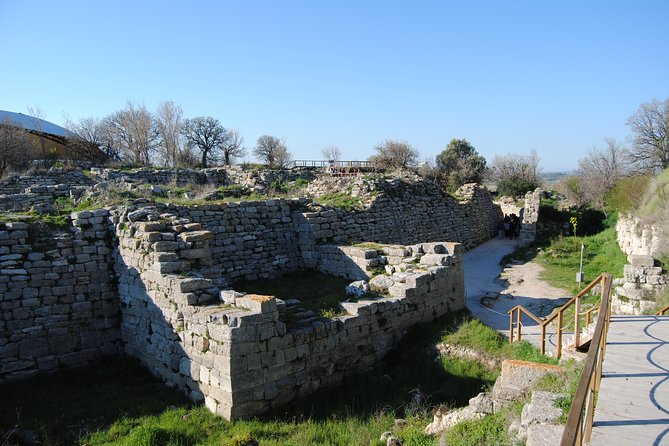
One highlight that people tend to remember is the sense of scale behind the myth. You’ll see evidence of multiple settlements—nine cities have been found there, dating as far back as 3,500 BC. That means you’re not just touring “Troy.” You’re touring the idea of Troy through layers of time: walls, sacrificial altars, and successive phases that archaeologists describe as different Troy periods.
You’ll also hear about the 1870s discovery and the reality of ongoing excavations. That detail matters because it helps you understand why the site is so compelling: it’s not finished. New findings keep shaping how historians interpret what you’re standing on.
What you’ll see at the site
Expect your walk-through to include key anchors in the story of Troy’s development:
- Sacrificial altars that connect everyday belief with monumental building
- The 3,700-year-old city walls that give you physical weight to the timeline
- The sequence of settlement areas, from the earliest “house” phases (spanning roughly 3,000 to 2,500 BC) through later periods such as Troy IX
- Major architectural remnants, including the Odeon (Concert Hall)
- A replica wooden Trojan Horse—not for accuracy, but for effect, since it helps you connect the site to the Homeric legend in a way you can instantly picture
There’s a practical payoff here: the replica isn’t a substitute for archaeology. It’s a storytelling tool. You get to translate the legend into a visual reference point, then return to the site’s real materials.
Troy’s museum and the story behind the dig
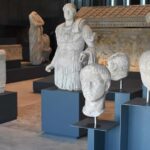
A lot of Troy tours stop at the big open-air bits. This one keeps you oriented by adding the broader interpretive side of the experience—so you can connect the ruins to what the site researchers say they’ve uncovered.
You’ll also get a clear walkthrough of what excavations have revealed and how the site’s long timeline plays into the legend. That context is important because Troy can feel confusing at first: multiple layers, multiple names, and a myth that people keep referring back to.
With the guide’s narrative, the timeline becomes easier to follow. You’re not just moving from point A to point B. You’re learning how archaeologists talk about different eras, and why certain remains (like walls and public buildings) matter.
The shift to Gallipoli: from mythic city to modern battlefield
After lunch in Çanakkale, the tone changes. This is one of those day trips where the second half isn’t just more sightseeing—it’s more emotionally demanding. You travel from the Troy area to Gallipoli and start visiting the sites tied to the 1915 campaign.
What helps is that you’re not thrown into a list of names with no framework. The guide explains what the battles were about and how the geography shaped what happened. That matters here more than in many places, because Gallipoli’s story is tied to specific beaches, ridges, and points of land.
You’ll also cover both sides of the conflict in the way the memorials are arranged—cemeteries and monuments that mark the cost for Allied forces and Turkish forces. The effect is sobering and, in a quiet way, oddly unifying: you get a sense of how the ground holds loss for everyone involved.
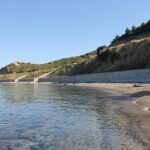
Gallipoli’s key stops: beaches, coves, ridges, and named memorials
Your Gallipoli route is built around several major sites. Each one has a different “job” in the narrative, from first contact on the coast to the fight higher up the land.
Here are the places you’ll visit, and what makes each one meaningful:
Brighton Beach and the landing story
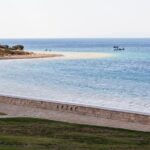
Brighton Beach sets the stage for the physical reality of the campaign. It’s where you start to understand why the fighting was so brutal: the terrain and the coastline weren’t forgiving. You’re not just hearing about history—you’re seeing why the same geography keeps showing up in the stories.
ANZAC Cove
ANZAC Cove is the heart of the famous landing story. It’s also where the memorial atmosphere kicks in more strongly. You’ll learn what happened there and why it became a defining reference point for remembrance.
Johnston’s Jolly
This stop gives you another named piece of the campaign narrative. It helps you connect the “legendary” bits to actual movements and contested ground.
The Nek and Walker’s Ridge
When you reach higher ground points like the Nek and Walker’s Ridge, the story starts to feel more tactical. You’re seeing how lines of attack and defense play out across slopes and ridges, not just along the waterline. It’s a key shift from beach-focused understanding to the reality of holding terrain.
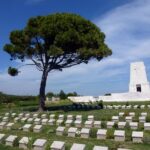
Ari Burnu, Beach Cemetery, and Lone Pine Cemetery
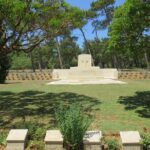
These sites focus on remembrance. Ari Burnu is linked to the fighting at the outset, while cemeteries like Beach Cemetery and Lone Pine Cemetery bring the human cost into sharp focus. Seeing these memorial spaces changes how you hold the whole campaign in your head. The names are not abstract.
Turkish Memorial and Chunuk-Bair
The Turkish Memorial and Chunuk-Bair help round out the story beyond the Allied narrative most visitors already know. Chunuk-Bair adds a sense of the campaign’s altitude and difficulty, giving you a wider grasp of why the fighting was so hard.
Lunch in Çanakkale: fueling the second half
Lunch is included, served in Çanakkale. That sounds simple, but it’s a big part of why this day trip works. Gallipoli gets emotionally heavy, and you don’t want to hit it hungry.
You’ll want to treat lunch as your reset button. The pace of the day (ancient site, then WWI sites) means you’ll likely do more walking and standing than you expect. Eating early enough gives you the energy to focus on the story rather than just surviving the itinerary.
One practical note: drinks are not included, so if you need water beyond what you bring, plan for it.
Price and value: what you’re paying for and what to expect
At $250 per person, this isn’t a budget add-on. The good news is that the cost is mostly tied to real expenses: transport by air-conditioned minivan, a ferry ride, a guided experience in English, and included entrance fees plus lunch.
What makes it good value isn’t just what’s included. It’s the structure. Troy and Gallipoli are both places where a self-guided visit can turn into, I’m here, but I’m not sure what I’m looking at. A guide helps you translate physical remains and named battle sites into a coherent story you can carry with you afterward.
The max 15 travelers also matters for value. A smaller group is often easier for questions and tighter pacing, especially when you’re moving between sites with emotionally loaded stops.
Meeting point and timing: the 8:30 start matters
You meet at Anzac House Youth Hostel in central Çanakkale at 8:30 am, and the tour returns back to the same meeting point. That early start is typical for a full-day cross-site trip, and it helps you get daylight and time to enjoy both halves without feeling rushed at the end.
Since the experience is weather-dependent, you’re also wise to dress for changing conditions. Even on clear days, coastal areas can be cooler than you expect.
Practical tips to make the day easier
This is the kind of tour that rewards a bit of preparation. Here’s how I’d set yourself up to enjoy it more:
- Wear comfortable shoes. Troy and the battlefield sites mean time on the ground and uneven terrain.
- Bring a hat and sunscreen if the sun is strong. You’ll spend long stretches outdoors.
- Carry water. Drinks aren’t included, and you’ll appreciate a quick sip between stops.
- Keep your camera ready, but don’t rush past the memorial moments. Some spots are meant to be slower.
If you care about historical storytelling, arrive with a flexible mindset. Troy will give you layers. Gallipoli will bring you face-to-face with remembrance. Together, they can feel like two different genres of travel packed into one day—and that’s exactly why it works.
If you get Ercan or support from Ezgi, that’s a bonus
One of the most praised parts of this experience is the quality of the guidance. People specifically mentioned a warm, scholarly approach from Ercan during the Troy and Gallipoli sections, and the smooth coordination from Ezgi at Hassle Free Travel in Çanakkale.
Even if your guide isn’t Ercan, that feedback is still a useful signal: the day is designed around interpretation, not just movement between sites. The guide’s role is central here, because both Troy and Gallipoli can feel overwhelming without an organized narrative.
Should you book the Troy and Gallipoli day trip?
Book it if you want one day that covers two major destinations with a real storyline. This is especially worth it if you value guided context at both Troy’s excavation layers and Gallipoli’s named battle sites and memorials. The included lunch, entrance fees, and transportation reduce the usual headaches that come with planning two separate halves of the journey.
Skip it only if you strongly prefer a slow, unscripted pace. This is a structured full-day format. It’s also best when you can handle emotionally heavy sites with respect and attention, since the Gallipoli portion is tied to cemeteries and memorials for the fallen.
If you match those two things—guided structure and thoughtful remembrance—this trip is a solid way to turn Çanakkale into a powerful day.
FAQ
Where does the tour start and what time does it begin?
The tour starts at Anzac House Youth Hostel in Çanakkale at 8:30 am.
How long is the Troy and Gallipoli day trip?
The duration is about 10 hours.
What’s the price per person?
The price is $250.00 per person.
What does the tour include?
It includes lunch, a local guide, round-trip shared transfer, and transport by air-conditioned minivan. Entrance fees and the ferry ride are also listed as included.
Are drinks included with lunch?
No. Drinks are not included.
Is the tour in English?
Yes, the tour is offered in English.
How many people are on the tour?
The maximum group size is 15 travelers.
What child policy applies?
Children must be accompanied by an adult.
What happens if the tour is canceled due to weather?
If it’s canceled because of poor weather, you’ll be offered a different date or a full refund.
What if I need to change or cancel my booking?
This experience is non-refundable and cannot be changed for any reason.