WWI places, real air, and a great guide. I like the small group (max 15) setup and the included Turkish lunch, which gives you fuel before the history gets heavy. The only real drawback: you cover a lot in 6 to 7 hours, so the pace can feel brisk if you love long stops and slow reading.
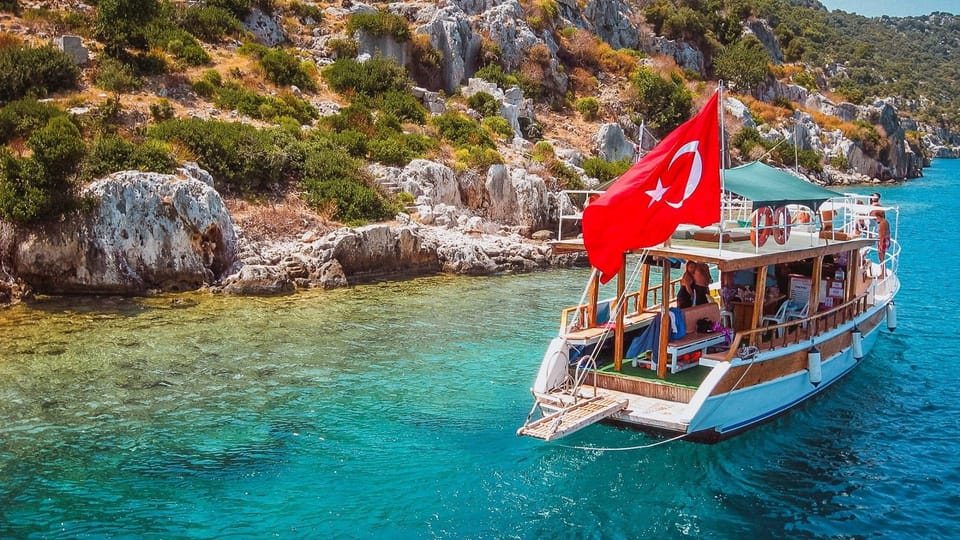
You’ll start from the Hassle Free Travel office in Çanakkale, with hotel pickup from selected hotels only, then ride in an air-conditioned coach. The day runs in English, includes a mobile ticket, and features a ferry crossing across the Dardanelles before you reach the battlefield area.
In This Review
- Key highlights you can plan around
- From Çanakkale to Gallipoli: the ferry ride that sets the stage
- Maydos lunch: the break that keeps the day humane
- Brighton Beach and the choice to swim (weather permitting)
- Beach Cemetery at ANZAC Cove: where the names hit hardest
- Ari Burnu and the Lone Pine Memorial: Australian focus, Turkish context
- Chunuk Bair New Zealand: how the route ties the whole campaign together
- Guides on this tour: the difference between seeing and understanding
- Price and value: why $140 can feel fair
- Best for who: fitting your travel style
- Practical tips for the day (so you’re not scrambling)
- Should you book this Gallipoli tour from Canakkale?
- FAQ
- FAQ
- How long is the Gallipoli ANZAC Battlefields tour from Çanakkale?
- What is included in the price?
- Are drinks included?
- What time does the tour start?
- Is hotel pickup available?
- Can I swim at Brighton Beach?
- Is there a vegetarian meal option?
- What’s the maximum group size?
- What happens if the weather is poor?
Key highlights you can plan around
- Ferry across the Dardanelles first to get the geography in your head before the sites start rolling
- Included lunch at Maydos Restaurant & Bar so you’re not hunting food during a packed route
- ANZAC Cove landmarks in sequence: Brighton Beach, Beach Cemetery, then Ari Burnu and beyond
- Memorial stops for both sides (Australian, New Zealand, and Turkish memorials and trench sites)
- Small-group Q&A so you can ask real questions instead of shouting into a crowd
From Çanakkale to Gallipoli: the ferry ride that sets the stage
The logistics here are built for one thing: getting you out to the Gallipoli peninsula without turning your day into a puzzle. You meet at Hassle Free Travel in Çanakkale around 11:20, then the tour heads out shortly after. A key part of the experience is crossing the Dardanelles by ferry (from Kilitbahir), which changes how you understand what you’re seeing.
You don’t have to be a military expert to appreciate this. When you see the waterway early, the later stops at ANZAC Cove and Ari Burnu feel less random. The geography starts making sense in the same order the campaign unfolded—beachlines, headlands, and the push from the shoreline.
Also, you’re in an air-conditioned vehicle. That matters in warm seasons, and it helps when you’re going from viewpoint to cemetery to memorial with minimal downtime.
You can also read our reviews of more tours and experiences in Canakkale.
Maydos lunch: the break that keeps the day humane
Right before the battlefield area, you stop for lunch at Maydos Restaurant & Bar. It’s included, and it’s the kind of simple practical decision that makes the tour better than the bare-bones “drive-by sightseeing” format.
This matters because once you start visiting cemeteries and memorials, your brain works differently. You’ll likely spend the rest of the day processing names, dates, and locations. A proper meal before that isn’t a luxury—it helps you stay steady.
Drinks aren’t included, so if you know you’ll want tea, water, or something else with lunch, budget for it.
Brighton Beach and the choice to swim (weather permitting)
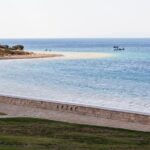
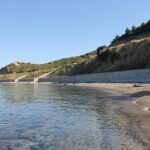
After lunch, you head into the battlefield area with the tour guide leading the route. One early stop is Brighton Beach—the intended landing place.
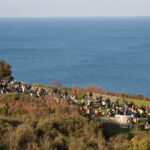
This is one of those moments where the landscape looks calm, while the story connected to it is anything but. If the conditions are right, you can swim here. That optional detail makes the stop feel less like a museum floor and more like a place with real physical distance and shoreline conditions.
Even if you don’t swim, the location still helps. You get a first-hand feel for why landing attempts mattered so much: the slope of the beach, the connection to the surrounding headlands, and how quickly a shoreline becomes a frontline.
Beach Cemetery at ANZAC Cove: where the names hit hardest
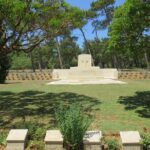
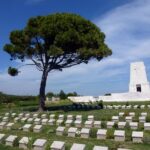
Next you visit Beach Cemetery on the southern tip of ANZAC Cove. This is the landing place of the first wave of ANZAC troops, and it holds up to 30,000 troops. That number is hard to hold in your head, and the guide’s job is to make it intelligible without turning it into a trivia game.
One of the emotional details at this stop is that John Simpson Kirkpatrick—often remembered alongside his donkey—is buried here. It’s a reminder that the campaign was not only strategies and maps. It was people carrying, helping, and surviving in conditions where survival wasn’t guaranteed.
If you want to get value from this stop, don’t treat it like a checklist cemetery photo. Slow down enough to read what you can and let the guide connect the location to what happened there. The whole point of a guided route is that you don’t just see stones—you understand where they belong in the story.
Ari Burnu and the Lone Pine Memorial: Australian focus, Turkish context
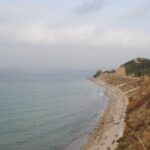
You then continue to Ari Burnu Cemetery on the northern tip of ANZAC Cove. This is where the day becomes even more structured, because the tour moves from one meaningful site to the next.
A big highlight here is the Lone Pine Australian Memorial. This memorial sits on a site connected to attacks and trench capture by Australian forces, so it’s not just a monument—it’s tied to the action you’ll have been hearing about since the earlier Cove stops.
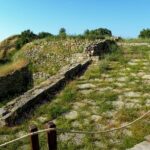
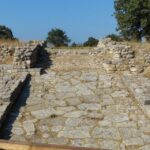
You’ll also see Johnston’s Jolly Allied Turkish trenches and tunnels, plus the 57th Regiment Turkish Memorial. That combination is important. Many battlefield tours focus only on one side. Here, you get a wider view of the ground itself—what the Australians faced, what Turkish forces defended, and how trench lines shaped the fight.
And then there’s a pop-culture entry point that helps some visitors get oriented: The Nek site, known from the Gallipoli movie. Even if you’ve never seen the film, this stop helps you connect the story you might already know with the actual terrain.
Chunuk Bair New Zealand: how the route ties the whole campaign together
The final stretch includes Chunuk Bair, tied to New Zealand forces. This is another place where the guide’s interpretation makes a big difference. Without explanation, it’s easy for battlefield sites to blur together—each cemetery, each memorial, each slope.
With the guide’s sequencing, you start to feel how the campaign moved: landing areas to trench zones to key points that mattered for both sides. Chunuk Bair is one of those names you hear in Gallipoli discussions, and visiting it as part of a planned route helps you stop thinking of it as a single label and start thinking of it as a real location in a larger plan.
If you care about the full picture, the arc of the itinerary is one reason this tour earns such strong ratings. It doesn’t just point at famous spots; it connects them into a readable path through the peninsula.
Guides on this tour: the difference between seeing and understanding
A big reason this tour works is the guidance style. You’ll meet a professional guide who can answer questions and connect sites to the operational story, not just the dates.
In the guide names associated with this tour, you might encounter experts like Elcan, Ercan Yavuz, Adem, or Apo. The pattern across them is consistent: they focus on battle-defining moments and they bring in human context, including personal soldier stories.
You should still come with curiosity, not assumptions. Gallipoli is emotionally loaded and historically complex. The best way to get value is to ask practical questions as you go—for example, what the terrain forced each side to do, or how trench positions affected movement.
Price and value: why $140 can feel fair
At $140 per person for about 6 to 7 hours, this tour isn’t the cheapest way to get around the peninsula—but it’s also not trying to be a “budget shuttle.” Here’s what your money is buying:
- Hotel pickup and drop-off (selected hotels only)
- Air-conditioned transport
- A professional guide
- Lunch at Maydos Restaurant & Bar
- Admission ticket included for the battlefield visits
If you were to piece these together yourself—ferry logistics, coach transport, guiding, and a proper lunch—you’d likely spend more in time and money. The included meal is especially meaningful because it prevents a common tourist problem: getting hungry at the wrong moment.
What’s not included is drinks, so that’s your main extra cost. And because you’re in a small group capped at 15, the overall experience tends to stay focused instead of turning into a headcount exercise.
Best for who: fitting your travel style
This works well if you want a focused one-day route from Canakkale without navigating the peninsula yourself. It’s also a good choice if you’re traveling with limited time. The itinerary is packed with at least six WWI battle sites, cemeteries, and memorials.
It’s especially suitable if:
- you want guided context at each stop
- you care about seeing memorials connected to Australian, New Zealand, and Turkish perspectives
- you like asking questions (smaller group helps)
If you hate structured pacing, you might find the day intense. You’re moving through multiple emotional locations, and the stops can’t be endless in a 6 to 7 hour window.
Practical tips for the day (so you’re not scrambling)
A few practical thoughts will help you enjoy the route more:
- Dress for outdoors. You’ll spend time at coastal sites and cemetery/memorial areas.
- Plan for a steady itinerary. The value here is the sequence, not lingering in one spot.
- Bring a simple layer. Conditions can shift near the water.
- Budget for drinks. Lunch includes food; drinks are not included.
- If you’re vegetarian, book it upfront. A vegetarian option is available if you request it at booking.
Also note that departure times may shift with the season or weather, so keep an eye on any updates from the supplier.
Should you book this Gallipoli tour from Canakkale?
I’d book it if you want a well-structured route that links the big Gallipoli names to the actual locations. The strongest selling points are the guide-led interpretation, the small-group feel, and the inclusion of lunch and transport. It’s one of those tours where the planning does the heavy lifting.
Skip it (or add a second day elsewhere) if you need slower, more solitary time at memorials. This tour is designed for movement and coverage, and that can feel fast if you prefer long reading and quiet reflection.
If you’re visiting Gallipoli as a bucket-list stop for ANZAC remembrance, this is the kind of day trip that helps you do it in a respectful, grounded way—without turning your schedule into stress.
FAQ
FAQ
How long is the Gallipoli ANZAC Battlefields tour from Çanakkale?
It runs about 6 to 7 hours.
What is included in the price?
The tour includes lunch, a professional guide, hotel pickup and drop-off (selected hotels only), air-conditioned vehicle transport, and admission ticket.
Are drinks included?
No. Drinks are not included.
What time does the tour start?
The meeting/start time is 11:20 am, and the tour departs at 11:45.
Is hotel pickup available?
Hotel pickup is available from selected hotels only, and you’re also dropped back at selected hotels only.
Can I swim at Brighton Beach?
Swimming is allowed at Brighton Beach if the weather permits.
Is there a vegetarian meal option?
Yes. A vegetarian option is available if you advise at the time of booking.
What’s the maximum group size?
The tour has a maximum of 15 travelers.
What happens if the weather is poor?
This experience requires good weather. If it’s cancelled due to poor weather, you’ll be offered a different date or a full refund. If the minimum number of travelers isn’t met, you’ll also be offered a different experience/date or a full refund.