REVIEW · CANAKKALE
Combined Troy and Gallipoli Tour from Canakkale with onwards transfer to Istanbul
Book on Viator →Operated by Hassle Free Travel · Bookable on Viator
One day. Two battlefields—separated by thousands of years. The Troy-and-Gallipoli combo from Çanakkale is built for people who want meaning, not just photos.
I love that you get a real guide (in English) explaining both the mythology and the archaeology, plus the WWI story at Gallipoli. I also like the practical design: pickup in Çanakkale and then an onward transfer to Istanbul, so you don’t have to double back.
The day is long—about 16 hours—so it’s best if you’re okay with a packed schedule and lots of time riding between stops.
In This Review
- Key highlights that make this tour worth your time
- Two eras, one smooth route: Troy to Gallipoli, then on to Istanbul
- Morning in Troy (Truva): where the Trojan stories meet archaeology
- The Trojans you remember vs. the Troy you’ll walk through
- Getting from Troy to Gallipoli: Dardanelles crossing and lunch break
- Gallipoli battlefield tour: ANZAC Cove to Lone Pine to the Nek
- ANZAC Cove, southern and northern tips
- Memorial ground tied to offensives and trenches
- A note on pace and what to bring
- The Istanbul handoff: arriving the same evening
- What you’re paying for: value, inclusions, and the small-group factor
- Who this tour fits best (and who might want a different plan)
- Quick decision: should you book this?
- FAQ
- How long is the Troy and Gallipoli tour with Istanbul transfer?
- What time does the tour start in Çanakkale?
- Is lunch included?
- What’s included in the tour price?
- Do I need to pay for drinks during lunch?
- Is hotel pickup included?
- Is the tour group small?
Key highlights that make this tour worth your time
- Troy with nine city layers on top of each other, with the Trojan Horse and Helen of Troy explained in context
- Private, English commentary that connects myths, archaeology, and WWI battlefield history
- Kilitbahir car ferry crossing the Dardanelles, plus lunch included before you hit the battlefields
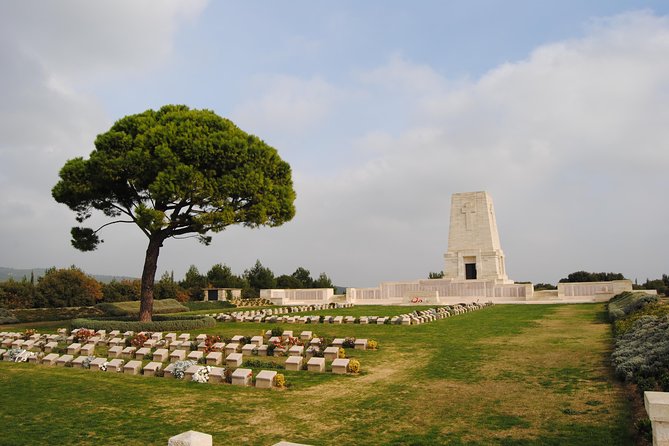
- Gallipoli in key stops: ANZAC Cove sites, Lone Pine, Johnston’s Jolly, and the Nek
- Drop-off in Istanbul the same day (Atatürk Airport or Old/New City hotels), saving you a travel headache
- Small-group cap (max 14), which usually makes the day feel more organized
Two eras, one smooth route: Troy to Gallipoli, then on to Istanbul
This tour is basically a time machine with a bus schedule. In the morning you’re looking at an ancient site tied to Greek myth and major archaeological discoveries. By afternoon you’re walking memorial ground tied to the Gallipoli Campaign—Australians, New Zealanders, Turks, and the Allied forces all show up in the stops.
What makes it especially useful is the logic of the itinerary. You start in Çanakkale and end in Istanbul. That means you get the historical sites without adding a second round of transport later. For many people, that’s the difference between making progress on your trip versus losing half a day to logistics.
Also, this isn’t presented as “Troy, then some memorials.” It’s positioned as a guided story—myth, discovery, excavation, and then the chain of events at Gallipoli. The pace is efficient rather than rushed-for-the-sake-of-it.
You can also read our reviews of more tours and experiences in Canakkale.
Morning in Troy (Truva): where the Trojan stories meet archaeology
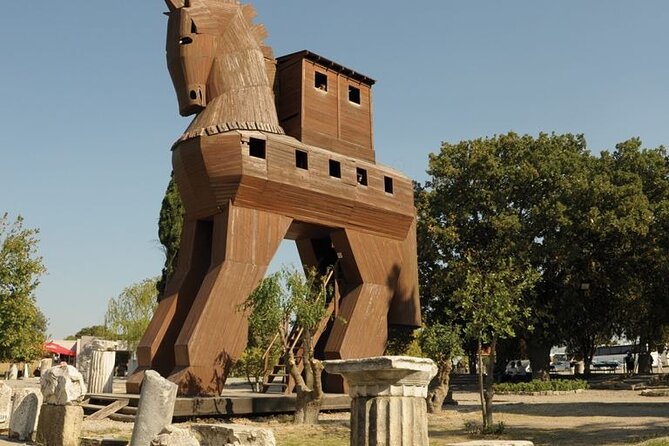
Troy is famous for the Trojan Horse. But this tour makes sure you don’t treat it like a single movie scene.
You’ll be picked up around 08:30 from Çanakkale hotels and ride by A/C, no-smoking tour bus to the ancient site. Once you’re there, you’ll spend about 3 hours at Troy with an admission ticket included.
Here’s what you can expect the guide to connect for you:
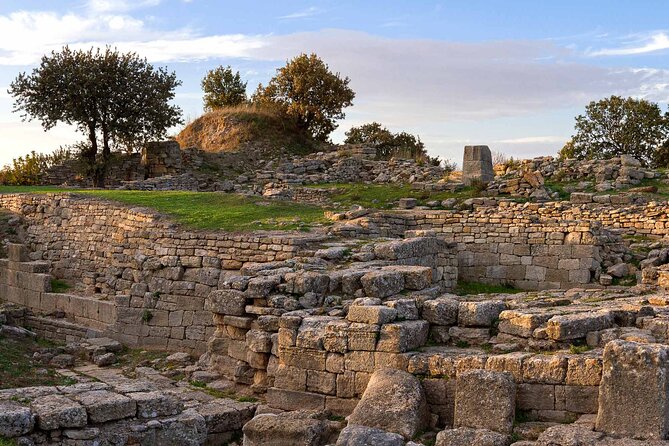
- The mythology basics: the Trojan Horse, Helen of Troy, and the Trojan Wars
- The archaeology arc: discovery beginning in the 1870s with Heinrich Schliemann, then continuing excavations to the present
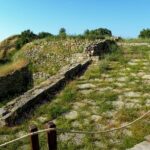
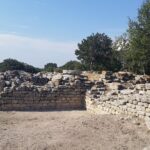
- The big-picture “layers” idea: nine cities built one on top of another, with dates going back to around 3500 B.C.
- Specific highlights you’ll hear about: sacrificial altars, 3700-year-old city walls, and the “Houses of Troy I” (about 3000 B.C. to 2500 B.C.)
- The remains of Troy I through Troy IX, so you can see how the place changed through time
One of the smartest things about this stop is the way it corrects a common expectation. If you only come for the horse, you miss the real punchline: you’re looking at a city that kept getting rebuilt, over and over, in a location people kept caring about.
The Trojans you remember vs. the Troy you’ll walk through
Myth and history don’t always match neatly. This tour handles that by giving you both frames—what legends say happened, and what the site shows over centuries of occupation.
So when you hear about the battle stories (like the clash of Achilles and Paris), it’s not just a name-drop. You get it tied to the idea of why Troy became meaningful in the first place—then you move back to what’s physically there: walls, structures, and those visible layers.
If you like walking around places that explain themselves over time, you’ll probably enjoy Troy even more. It’s not an indoor museum moment. You’ll be outdoors, looking at remnants and trying to place them on a timeline the guide brings into focus.
Getting from Troy to Gallipoli: Dardanelles crossing and lunch break
Around 11:30 you return to Çanakkale. Then, at about 11:45, you head toward the battlefields with a ferry crossing.
The itinerary uses the Kilitbahir car ferry to cross the Dardanelles. That’s a nice palate cleanser. It also helps you shift from ancient to WWI without feeling like you’re staring at ruins the whole time.
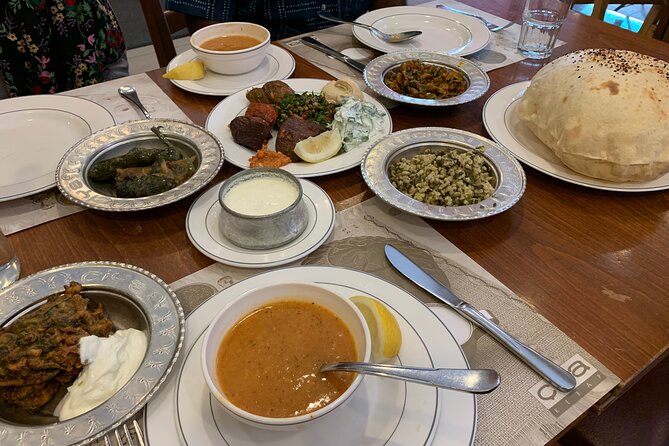
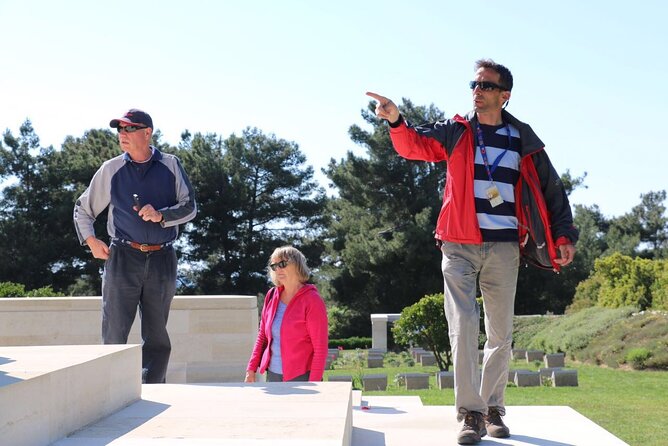
Before you start the battlefield visits, lunch is provided at a restaurant. Drinks aren’t included, so if you care about that, plan to buy water or soft drinks on your own.
This lunch-and-transfer block is more than a break. It keeps the day from turning into a constant sprint. Once you eat, your mind is ready for memorials and names.
Gallipoli battlefield tour: ANZAC Cove to Lone Pine to the Nek
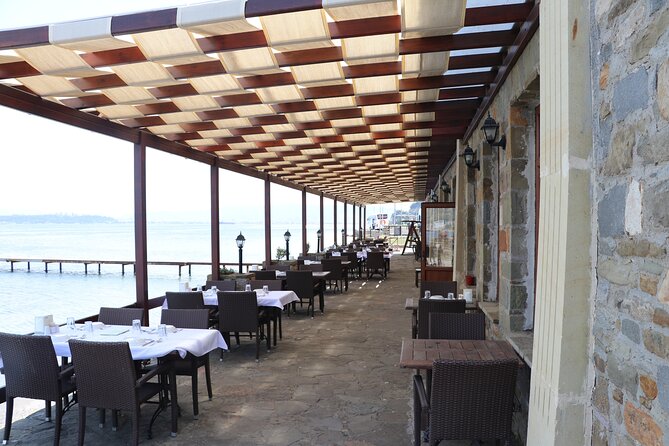
After lunch you’ll board an A/C tour bus and head into the battlefield area. This stop runs about 5 hours, with admissions included.
The key theme here is geography. The Gallipoli story is easier to follow when you can see the locations the troops fought over. This is a “walk the story” approach.
You’ll cover:
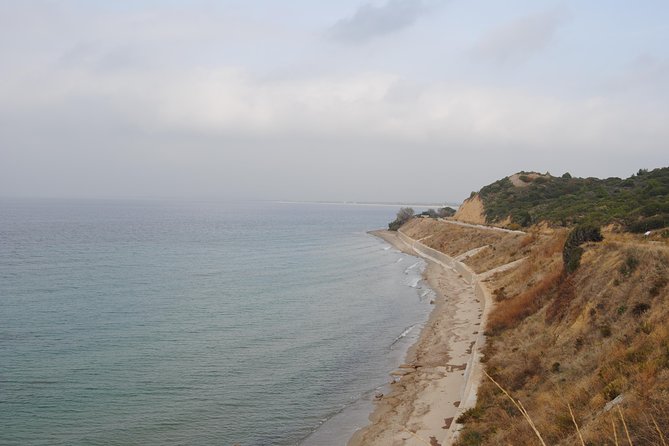
ANZAC Cove, southern and northern tips
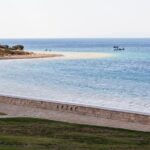
- Brighton Beach: the intended landing place (weather can affect conditions, but you’ll target the location)
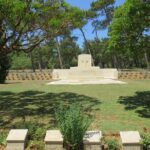
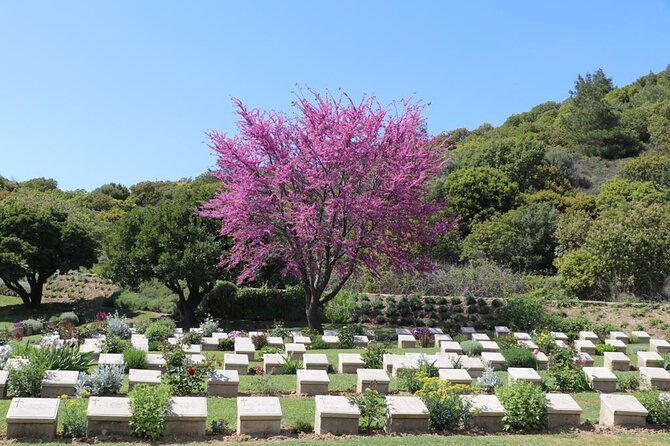
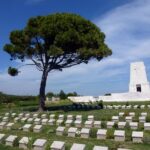
- Beach Cemetery on the southern tip of ANZAC Cove: the landing place of the first wave of ANZAC troops, with graves for up to 30,000 troops during the campaign
- You’ll also learn about John Simpson Kirkpatrick, known for Simpson and his donkey, who is buried here
- Ari Burnu Cemetery on the northern tip of ANZAC Cove
Those stops do heavy emotional work. The names and the setting make it hard to treat this as “just another sightseeing day.” It’s one of those places where even if you’re not a military-history person, you’ll feel the weight.
Memorial ground tied to offensives and trenches
From there, the tour moves through major points that explain the campaign’s turning points:
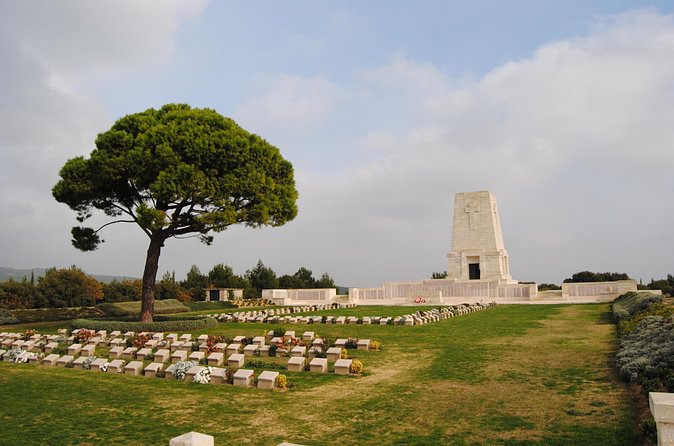
- Lone Pine Australian Memorial: tied to the successful attack and capture of Turkish trenches during the August offensive
- Johnston’s Jolly: where you visit original Allied and Turkish trenches and tunnels
- 57th Regiment Turkish Memorial
- Nek: linked to the famous Light Horse charge shown in the Gallipoli film
- Chunuk Bair New Zealand Memorial: captured by New Zealanders during the August offensive, described as the highest point captured during the entire campaign
If you’re Australian or New Zealander, this part of the day will hit harder. If you’re Turkish, you’ll also see the story reflected through Turkish memorial sites and the trench lines. The tour’s strength is that it doesn’t reduce the campaign to one single viewpoint.
A note on pace and what to bring
This is a battlefield day, not a slow sit-down museum plan. Even though the itinerary gives fixed stops and time blocks, you should expect outdoor walking and standing in memorial areas. Wear comfortable shoes and plan for the fact that lighting can change fast as you move around.
The Istanbul handoff: arriving the same evening
The last leg is where this tour earns its keep for many people.
At about 18:30, you transfer to Istanbul and get dropped off at Atatürk Airport or Old City and New City hotels. The Istanbul transfer runs about 4 hours, so you’re looking at a late evening arrival.
This matters because it turns your Çanakkale stop into a “done” day. You’re not planning another bus or ferry to get yourself back to Istanbul later. It’s also convenient if Istanbul is your main base and you want to preserve daylight for sightseeing there.
One small thing to consider: since you’re arriving late, don’t schedule an early next-day activity unless you know your energy and sleep plans. This is a 16-hour day.
What you’re paying for: value, inclusions, and the small-group factor
At $700 per person for roughly 16 hours, it isn’t a budget-only outing. But you are paying for several things at once:
- Transport in an A/C no-smoking vehicle
- Lunch included
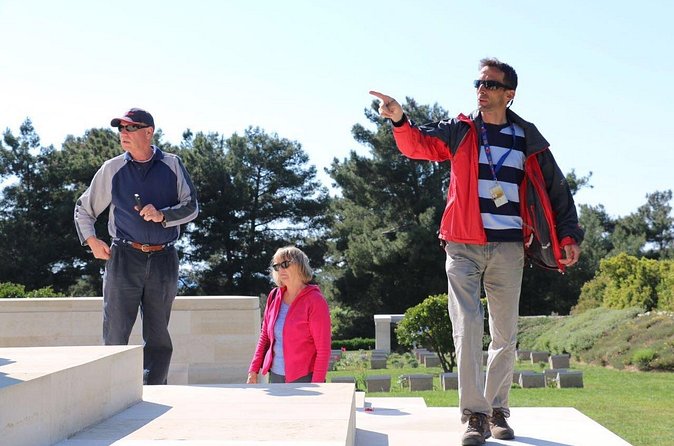
- A local guide delivering commentary in English
- Round-trip shared transfer from Çanakkale
- Admissions included at Troy and across the Gallipoli battlefield stops (with specific ticket inclusions listed by the tour)
- The onward transfer to Istanbul at the end of the day
- A max group size of 14 travelers
That last point—small group size—can make a big difference. You get a more manageable day, less waiting, and more time for the guide’s explanations.
Also, you’ll receive a mobile ticket, and confirmation is typically sent within 48 hours based on availability. If you like having everything organized in advance, this is one more thing that keeps the day from feeling chaotic.
Who this tour fits best (and who might want a different plan)
This works best for you if:
- You want two big destinations in one day: Troy and Gallipoli
- You care about understanding the sites, not just looking at them
- You’re traveling from Çanakkale and want to end in Istanbul without extra transit days
- You’ll appreciate a guide who’s building a narrative across time
It might be less ideal if:
- You dislike long travel days and prefer fewer stops
- You’re only interested in the Trojan Horse and not the bigger Troy layers/archaeology
- You need a relaxed pace or lots of free time at each site
Quick decision: should you book this?
If your itinerary includes Çanakkale and Istanbul, I’d seriously consider it. The combination is the point: Troy in the morning, Gallipoli in the afternoon, then Istanbul that night. You get guided context at both sites, including key cemetery and memorial locations, and you don’t have to manage extra transfers later.
If you want a pure “see the highlights at your own pace” day, you’ll probably find a group plan like this constraining. But if you want a guided, efficient day that turns history into something you can actually follow, this one makes a lot of sense.
FAQ
How long is the Troy and Gallipoli tour with Istanbul transfer?
The day runs about 16 hours (approx.).
What time does the tour start in Çanakkale?
You’ll be collected around 08:30.
Is lunch included?
Yes. Lunch is provided before you visit the Gallipoli battlefield area.
What’s included in the tour price?
The price includes lunch, a local guide, round-trip shared transfer, air-conditioned transport, and admissions listed as included for Troy and Gallipoli.
Do I need to pay for drinks during lunch?
Drinks aren’t included, so you’ll likely need to pay for them separately.
Is hotel pickup included?
Hotel pickup is not included, but the tour provides collection from Çanakkale hotels as described in the schedule.
Is the tour group small?
Yes. The maximum group size is 14 travelers, and it’s offered in English.