REVIEW · CANAKKALE
Canakkale: 6-Hour Gallipoli Tour with Lunch
Book on GetYourGuide →Operated by Crowded House Tours · Bookable on GetYourGuide
Gallipoli hits fast. This tour gives you the geography, the stories, and the names in just 6 hours. You start in Çanakkale, cross the Dardanelles by ferry, and then spend your time walking and driving key sites on the Gallipoli Peninsula.
What I really liked is the way the guide ties movements of troops to what you can actually see on the ground. Ibo, Burak, Hassan, and Charlie-style commentary keeps the day human and clear, not like reading a page of dates. I also liked that lunch is built in at Eceabat (the ancient Madytos), so you’re not scrambling right after the ferry.
One thing to keep in mind: a few people felt the lunch timing and the midday sit-down cut into time they wanted at the memorial stops, especially on hot days. If you’re the type who wants maximum time at each site, plan for a slightly tight schedule.
In This Review
- Key points that matter
- Çanakkale to Eceabat: the ferry crossing that sets the tone
- Eceabat lunch (Madytos): solid fuel, but timing can feel tight
- Brighton Beach and ANZAC Cove: the landing story you can see
- Moving from the beaches up into the hills: Second Ridge and the trench lines
- Lone Pine, Johnston’s Jolly, and the Turkish memorials: names, trenches, and respect
- Chunuk Bair: the New Zealand Memorial and the turning point
- Price and logistics: why $81 can feel fair, and when it might not
- Who should book this Gallipoli tour (and who might want more time alone)
- Final verdict: should you book it?
- FAQ
- FAQ
- Where is the meeting point in Çanakkale?
- What time does the tour start?
- How long is the Gallipoli tour?
- Do I get lunch, and when is it?
- Does the tour include a ferry crossing?
- Is the tour guided in English?
- What are the main stops on the Gallipoli Peninsula?
- Is transportation included, and is the vehicle air-conditioned?
- Are drinks included with lunch?
- Can I cancel for a refund, and do I need to pay immediately?
Key points that matter
- Ferry + battlefield bus time in one smooth day: you get the Dardanelles crossing and then focused peninsula sightseeing.
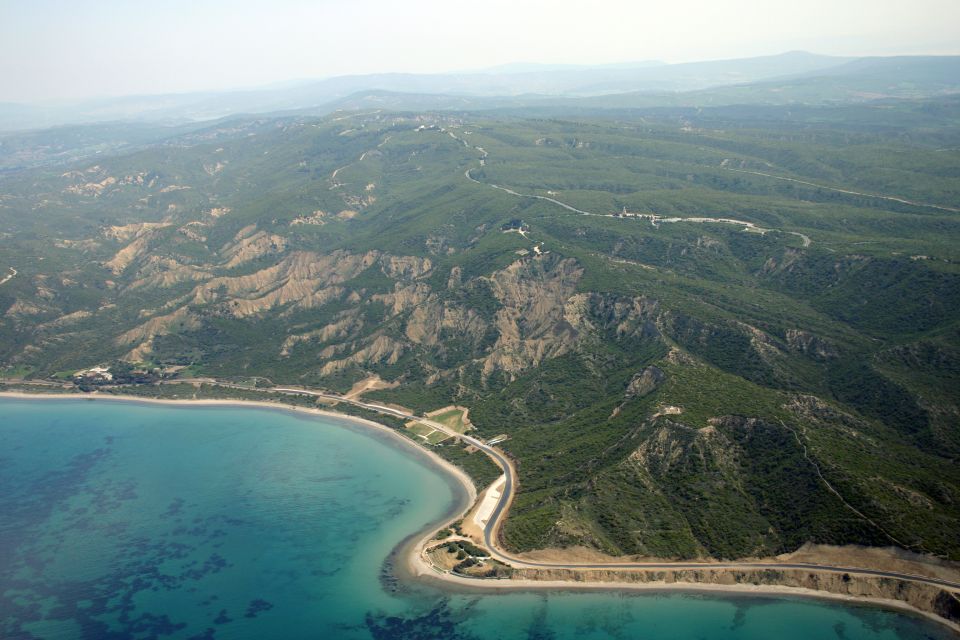
- ANZAC Cove and Brighton Beach, plus the hills above: you see where the landings happened and how the fight expanded.
- Second Ridge with trenches still visible: the guide points out trench lines and explains how the front held for months.
- Lone Pine and Johnston’s Jolly: you get memorials with names, and a walk through abandoned trenches and tunnel entrances.
- New Zealand’s Chunuk Bair finish: the high point closes the story with the battle’s turning moment.
- English live guide and small-group feel (on some departures): some tours split into smaller minivans.
Çanakkale to Eceabat: the ferry crossing that sets the tone
Most Gallipoli days begin with a bus ride and a distant look at the peninsula. This one starts a little earlier and gives you the water first. You meet in front of the Tourist Information Center at the ferry harbor in Çanakkale around 10:45 AM, then your escort gets you to the ferry. The Dardanelles crossing is short, but it matters: it’s your first reminder that this is a narrow stretch of sea that shaped World War I decisions.
Once you land in Eceabat, you’re on the western side of the campaign’s geography. Eceabat sits across from the Gallipoli Peninsula and was once the ancient city of Madytos. That short hop becomes a mental switch from travel mode to history mode. And because you’re going as part of a guided group, you’re not left guessing which ridges you should care about first.
The guides on this tour tend to steer the story toward decisions and consequences. That’s clear in feedback about guides like Hassan and Burak: the commentary doesn’t just dump facts. It connects the why to the where, so the sights don’t feel random.
A few more Canakkale tours and experiences worth a look
Eceabat lunch (Madytos): solid fuel, but timing can feel tight
Lunch is included in a local restaurant in Eceabat for about an hour. You’ll board the coach after eating and then head toward the peninsula battlefields. In one shared menu example, lunch included lentil soup, a chicken and beef rice plate, and watermelon. If that’s close to what you get, it’s the right kind of hearty after a ferry crossing.
Here’s the practical part: because you’re eating early in the day, you’re not tired later, which helps when you’re driving up and down the peninsula’s hills and then stopping at multiple memorials. But a few people did flag that the meal felt like it could be shorter. If you like to linger at each stop, you may want to mentally accept that your time on the ground is carefully paced.
Also pack for warm weather. Several riders mentioned how hot it can feel, especially when departure timing runs late for logistical reasons (waiting for other groups to join). Even with air-conditioning on the vehicle, the peninsula stops are exposed.
Brighton Beach and ANZAC Cove: the landing story you can see

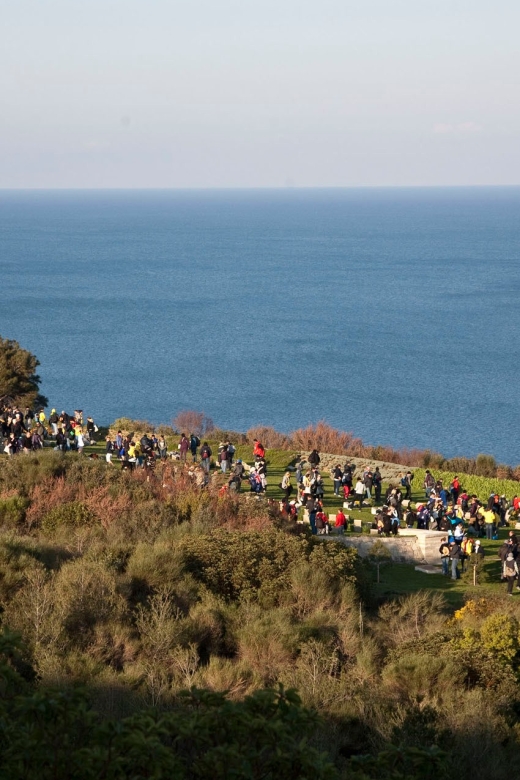
After lunch, the bus ride out to the battlefields is short enough that the day still feels concentrated. You’ll cross the Gallipoli Peninsula and reach ANZAC Cove, one of the most famous landing areas of modern history. The tour’s first battlefield portion focuses on the April 25, 1915 landings.
You start with Brighton Beach, described as the intended landing site on April 25. That’s a key detail: it helps you understand that the landing wasn’t a clean, controlled event. The shift from plan to reality is part of why Gallipoli became such a complicated, costly campaign.
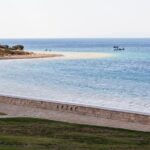
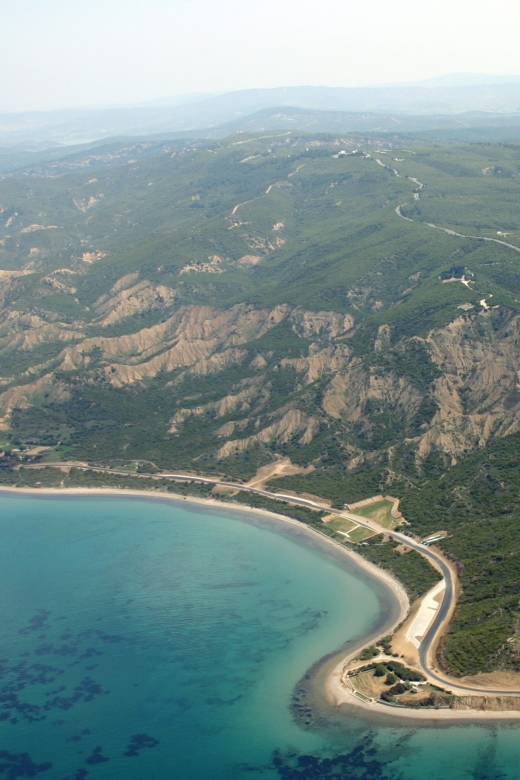
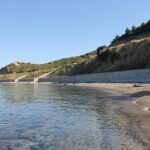
Then you move to ANZAC Cove, the actual landing area. This is where a guided tour really pays off. From the ground, you can see why shoreline, cliffs, and lines of sight mattered. The guide’s job is to show you how small geographic details became battlefield problems.
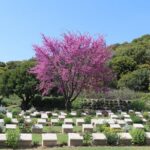
On the northern tip of ANZAC Cove, you’ll also encounter Ariburnu Cemetery. Cemeteries at Gallipoli aren’t about sightseeing. They’re about scale—how many lives were lost in a place that still looks like rugged coast and rolling hills.
If you’re coming from Australia or New Zealand, you’ll likely recognize the names instantly. If you’re coming from elsewhere, you’ll leave with a much better grasp of why these places became symbols.
Moving from the beaches up into the hills: Second Ridge and the trench lines
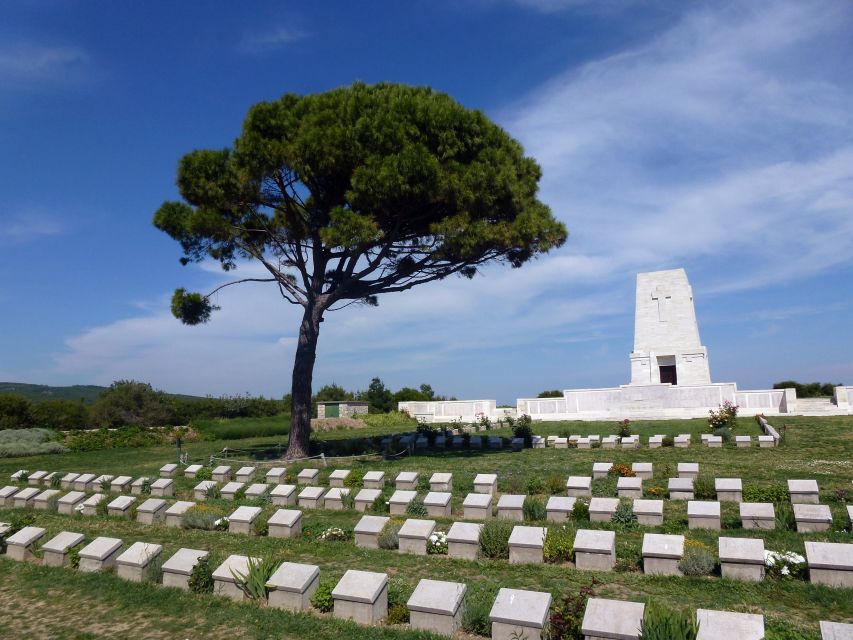
Once you’re done at the shoreline sites, the tour climbs into the hills above. This is where the day becomes more than a list of landmarks. You trace what became known as Second Ridge—the area where the Allied advance was halted on the first day of fighting, and where the front line stayed in place for the next seven months.
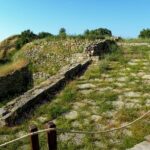
Your bus route follows the road along the top of Second Ridge. The best part is that the guide points out features you might otherwise miss. In this part of the tour, trenches and trench lines are still visible on either side of the road. You’ll also hear how those positions changed daily life for soldiers—limited movement, constant danger, and the slow grind that defined much of the campaign.
This is one reason the guided format feels worth it. On your own, you can see memorials and cannons and plaques. But without someone explaining the logic of the terrain—why one ridge mattered more than another—you might not fully connect the view to the battle plan.
You’ll stop at a series of cemeteries and memorials along the way, with time designed to keep the flow moving without racing past the most important points.
Lone Pine, Johnston’s Jolly, and the Turkish memorials: names, trenches, and respect
If there’s one cluster of stops that tends to land hardest emotionally, it’s the memorial group around Lone Pine and Johnston’s Jolly.
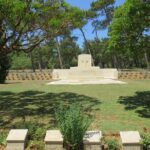
First up is The Lone Pine Australian Memorial, which commemorates almost 5,000 Australians with no known grave. That number hits differently when you’re standing where names are honored rather than searching for personal graves. The point of the stop isn’t just remembrance—it’s context. You’ll understand how loss is represented at Gallipoli: not as a single burial, but as a shared, unresolved absence.
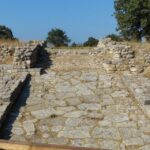
Next comes Johnston’s Jolly Cemetery. This stop is a bit more physical. You’ll walk through abandoned trenches and tunnel entrances. It’s not a long hike, but you are moving through spaces soldiers used and then abandoned—one of the few ways to get a body-level sense of the campaign’s conditions.
The tour also includes The 57th Regiment Turkish Memorial. Including Turkish memorials matters because it keeps the story two-sided. Gallipoli isn’t a one-nation tragedy. It’s a place where different forces fought for different reasons, and where later generations on both sides built memory into stone and names.
A recurring theme in the feedback is how guides balance tone. Several guides—Burak, Ibo, Hassan, and others—were described as respectful with humor used only when appropriate. That balance helps you learn without turning the day into something casual. It also helps you feel how the Turkish side and the ANZAC side are both part of the same landscape of memory.
Chunuk Bair: the New Zealand Memorial and the turning point
The final stop is Chunuk Bair, one of the highest points on the peninsula and the site of the New Zealand National Memorial. High ground isn’t just a view here—it’s a strategy question. The tour explains that Chunuk Bair was captured in August by New Zealand troops, held for two days, and then recaptured from the Allies by Ottoman forces under the personal command of Mustafa Kemal, who later became the president of modern Turkey.
This is a strong way to close the tour because it anchors the story’s turning moment. The recapture of Chunuk Bair effectively ended Allied hopes of victory at Gallipoli, so it becomes a fitting end point: not the earliest landing, but the battle’s consequence.
More than 850 New Zealand soldiers who fell in the area are commemorated on the memorial. Standing there, it’s easier to understand why names matter as much as terrain. The view alone can’t explain the cost. The guide’s job is to connect the line between the hilltop and the people who fought for it.
Price and logistics: why $81 can feel fair, and when it might not
At $81 per person for 6 hours, the price is not random. You’re getting:
- a fully guided Gallipoli route in English
- lunch in Eceabat
- ferry fees
- air-conditioned non-smoking vehicle transport
When you break it down, you’re paying for a guided order to the day. Gallipoli is spread out across multiple sites. Trying to piece it together solo can mean extra taxi costs, time lost on navigation, and fewer stops that are explained clearly. A guided route helps you see the right places in the right order, without wasting precious daylight.
That said, the main complaint to watch for is timing around lunch. Some riders felt the lunch stop could be shorter so the tour could spend more time at each memorial location. Another practical issue that came up is that a few people found it hard to hear in back seats on the bus due to air-con noise. If you’re sensitive to sound, try to sit where you can hear the guide clearly.
A final comfort consideration: one rider wished bottled water was provided on the bus, pointing to the heat factor. The tour includes air-conditioning, but the peninsula stops still feel warm. Bring your own water if you tend to get hot easily.
Overall, if you want a well-structured first pass at Gallipoli—especially if it’s your first time on the peninsula—this is good value. If you’re chasing maximum time at each stop, you may prefer a slower pace on your own a day later.
Who should book this Gallipoli tour (and who might want more time alone)
This tour suits you if you want a clear, guided Gallipoli experience with the major ANZAC sites covered: Brighton Beach, ANZAC Cove, Lone Pine, Johnston’s Jolly, and Chunuk Bair. It’s also a smart pick if you’re coming for meaning, not just photos. The guides described in the feedback didn’t just recite events; they tried to explain decisions and logistics—what soldiers faced and how terrain shaped outcomes.
It also makes sense for first-timers. Many riders did another pass later on their own, using the tour as the grounding map. That’s a great strategy: do the guided day to learn the layout, then return for slower wandering.
You might want something else if you:
- hate group schedules and want to linger at memorials without a clock
- are very sensitive to sound on vehicles and can’t easily choose a front seat
- plan to visit only one day and want more time at fewer sites rather than all major highlights
Still, most people leave feeling the day was worth it. The combination of ferry, guided stops, memorials, and included lunch keeps the experience smooth and efficient.
Final verdict: should you book it?
Yes, I’d book this Gallipoli 6-hour tour with lunch if you’re visiting Çanakkale and want your day to make sense. For the $81 price, you’re paying for structure: a guided route that connects the coastline to the ridges, the trenches to the memorial names, and the landings to Chunuk Bair’s turning point.
Just go in with the right expectation: it’s a focused overview. If you love slow travel, plan a follow-up on your own, armed with the guide’s map in your head. And if the heat is a concern, bring water and dress for warm sun at the stops.
FAQ
FAQ
Where is the meeting point in Çanakkale?
You meet in front of the Tourist Information Center at the ferry harbor in Çanakkale.
What time does the tour start?
Your tour starts around 10:45 AM.
How long is the Gallipoli tour?
The duration is about 6 hours.
Do I get lunch, and when is it?
Lunch is included at a local restaurant in Eceabat (with about 1 hour allowed). It happens after you arrive in Eceabat and before you head out to the peninsula.
Does the tour include a ferry crossing?
Yes. You take a ferry across the Dardanelles Strait, and you return by ferry at the end of the tour.
Is the tour guided in English?
Yes, it includes a live English-speaking guide.
What are the main stops on the Gallipoli Peninsula?
You visit highlights including Brighton Beach, ANZAC Cove, Ariburnu Cemetery, Lone Pine Australian Memorial, Johnston’s Jolly, The 57th Regiment Turkish Memorial, and Chunuk Bair (New Zealand National Memorial).
Is transportation included, and is the vehicle air-conditioned?
Yes. All transportation is included in an air-conditioned non-smoking vehicle.
Are drinks included with lunch?
No. Drinks during lunch are not included.
Can I cancel for a refund, and do I need to pay immediately?
You can cancel up to 24 hours in advance for a full refund, and you can reserve now and pay later.