REVIEW · CANAKKALE
Gallipoli Tour from Eceabat, Canakkale
Book on Viator →Operated by Hassle Free Travel · Bookable on Viator
This Gallipoli tour cuts the hard parts. It sends you from Eceabat into the Gallipoli sites tied to the 1915 ANZAC landings, with a guide who focuses on the stories and facts that usually get skipped. You also get an included lunch stop by the sea, so the day has a real break built in.
I particularly like the hotel pickup and drop-off. It removes the stress of navigating the peninsula on your own, and you spend your energy looking, listening, and asking questions. Another standout is the way the tour strings together the key locations you’ll want to connect in your head, from ANZAC Cove to the Lone Pine Memorial.
One thing to consider: this is a solid 6-hour block, and you should plan for it to be weather-dependent. If conditions are poor, the operator may switch dates or offer a full refund.
In This Review
- Key highlights worth your time
- Why this Gallipoli tour from Eceabat works in real life
- Eceabat pickup and the comfort factor in a 6-hour day
- Lunch at a seafront restaurant: the break you’ll be glad you planned
- The Gallipoli battlefield route: seeing the campaign as a connected story
- ANZAC Cove and the beaches: what to notice beyond the view
- Beach Cemetery and the John Simpson Kirkpatrick connection
- Ari Burnu Cemetery, Lone Pine Memorial, and the emotional arc
- Johnston’s Jolly trenches and the value of walking original ground
- Turkish Memorials, Chunuk-Blair, and The Nek: keeping both sides in view
- The “guide makes it” factor: why Ecebat Gallipoli tours rise above basics
- Price and value: is $180 a fair deal?
- Who should book this Gallipoli tour (and who might skip it)
- Should you book the Gallipoli Tour from Eceabat?
- FAQ
- What time does pickup happen for the Gallipoli tour from Eceabat?
- How long is the tour?
- Is lunch included, and do they offer vegetarian meals?
- What sites will I visit during the tour?
- Are admission tickets included?
- What happens if the tour is cancelled due to weather?
Key highlights worth your time
- Small group size (max 16) for an easier pace and more guide time
- Air-conditioned round-trip transport with pickup from Eceabat hotels
- Seafront lunch included (drinks not included), with a vegetarian option available
- Guided focus on WWI facts and stories beyond the basics
- A tight route through the major ANZAC and Turkish memorial sites, including The Nek and Chunuk-Blair
Why this Gallipoli tour from Eceabat works in real life
Gallipoli can feel like a checklist when you try to do it alone: where do I park, what’s the right order, and what am I actually looking at? This tour is built to stop that problem before it starts. You get picked up from your Eceabat hotel, then head out with navigation handled for you. That means less time figuring things out and more time absorbing what you came for.
What makes the experience better than a basic sightseeing bus ride is the guide-led storytelling. You’re not just looking at names and beaches; you’re hearing how the campaign played out and why these places mattered in 1915. The result is that the route starts to feel connected, not random.
And yes, lunch matters here. With a half-day schedule, an included break helps you keep energy through cemeteries and memorials—sites that are heavy by nature.
You can also read our reviews of more tours and experiences in Canakkale.
Eceabat pickup and the comfort factor in a 6-hour day
The tour starts at 12:00 pm with pickup in the 12:00–12:15 window from Eceabat hotels. You’ll ride in an air-conditioned minivan, which sounds like a small detail until you realize how hot the peninsula can feel later in the day. You also avoid the common hassle of coordinating your own transport and timing.
There’s a practical benefit to a smaller group too. With a maximum of 16 travelers, you’re less likely to feel lost at the edge of the crowd. You’re also more likely to hear the guide clearly when stops get more focused on interpretation—like why a location mattered, not just where it sits.
For value, I like that the tour keeps the flow simple: hotel pickup, guided stops, then you’re dropped back at your Eceabat accommodation at the end.
Lunch at a seafront restaurant: the break you’ll be glad you planned
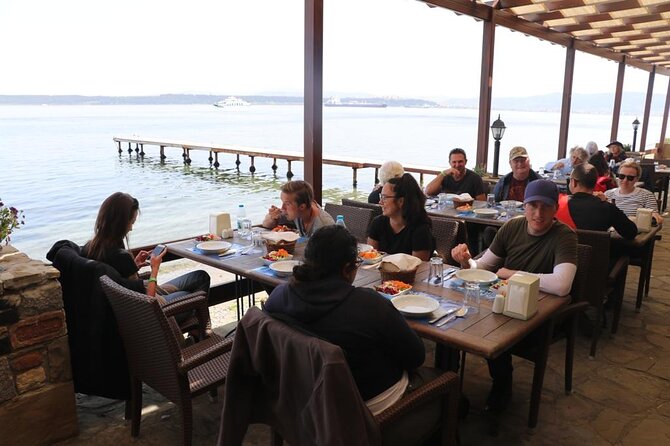
A lot of history tours forget that your brain runs better after food. Here, lunch is included, and it’s served at a seaside restaurant. Drinks aren’t included, so if you want water, tea, or something else with your meal, budget for that.
If you’re vegetarian, that’s covered too. You should request your preference at booking so the restaurant can plan accordingly. This small heads-up can save you from the common last-minute “what’s available?” moment.
I also think the lunch stop is strategically placed. It breaks the morning-style energy into an afternoon plan, which helps when you’re heading into emotionally intense sites afterward. Eat, reset, then go.
The Gallipoli battlefield route: seeing the campaign as a connected story
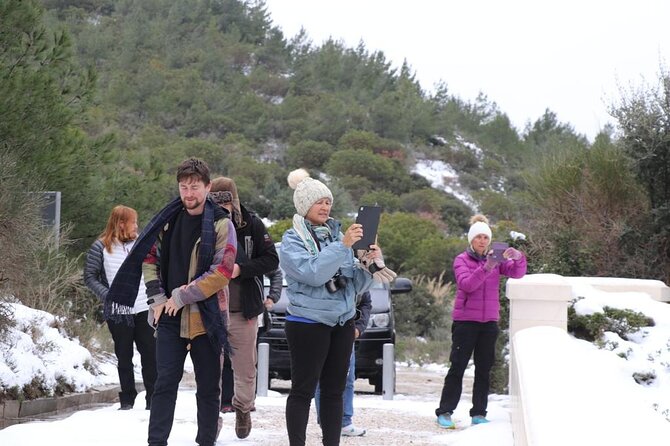
Once you arrive in Gallipoli proper, the tour shifts into a guided circuit of the key positions. The day is designed so you can look at one place and understand the next. You’ll hear the background of the World War I campaign that brought the ANZAC forces here, aiming to push back Turkish forces.
The route typically starts with locations tied to the landings. You’ll see Brighton Beach, where the ANZACs originally intended to land, and then you’ll visit ANZAC Cove, where they actually came ashore. That contrast—plan versus reality—is one of the best ways to grasp what went wrong and why the battle turned into something far more brutal and chaotic than maps suggest.
From there, you move into cemeteries and trench-area sites. These stops are more than memorial tourism; they’re how you connect geography to outcome. When you’re walking near original trench lines and named points, the guide’s job becomes turning space into meaning.
ANZAC Cove and the beaches: what to notice beyond the view
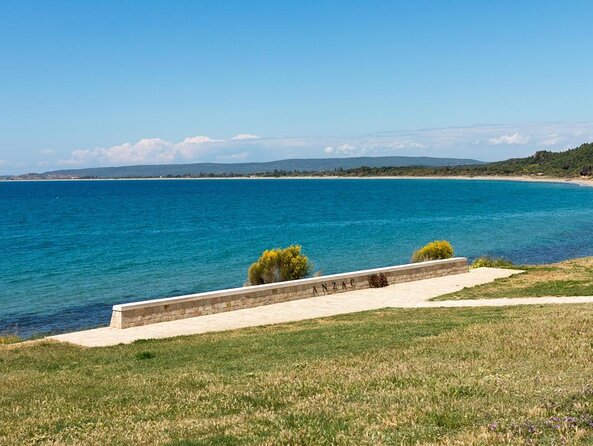
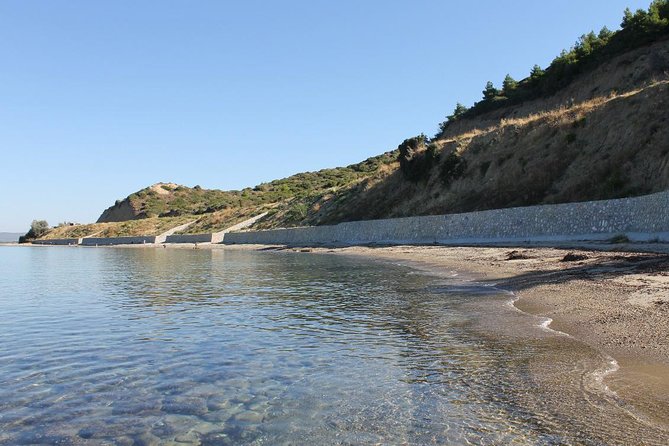
ANZAC Cove is the heart of the story people come to Gallipoli for. The tour gives it time, around 50 minutes, which is enough to slow down rather than just take a photo and move on. You’ll likely hear how the landings unfolded and how the terrain shaped the early moments of fighting.
When you’re there, focus on angles and proximity. Even if you’re not a history buff, you’ll start seeing why certain positions mattered. The guide’s narration helps you read the shoreline like a timeline: what the forces expected, where they ended up, and what came next.
One practical tip: bring a light layer even if it’s warm. Coastal areas can have a breeze, and you’ll be standing and walking more than you think between viewpoints.
Beach Cemetery and the John Simpson Kirkpatrick connection
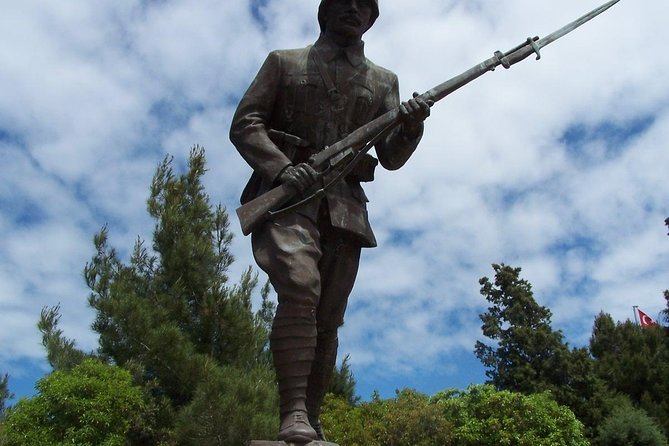
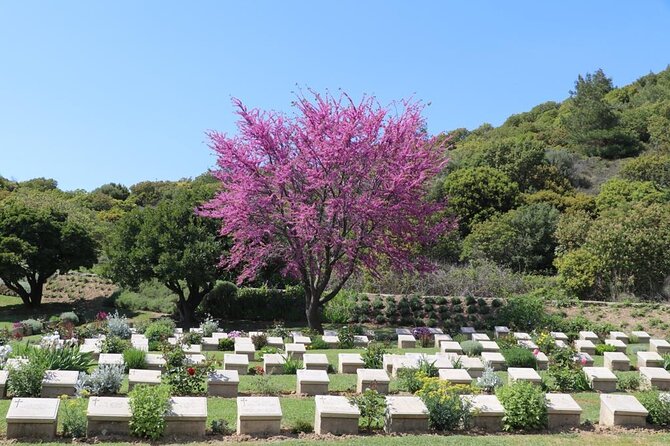
At Beach Cemetery, you’ll see graves tied to the human side of the campaign. The tour specifically highlights John Simpson Kirkpatrick, famous for using donkeys to help evacuate the wounded. That detail does more than add a character to the story; it gives you a way to picture how help worked under fire.
Cemeteries are also where the guided pace matters. You don’t want to rush these stops, and you also don’t want to be stuck waiting while the group loses focus. With a small group and a guide who keeps you moving with context, it’s easier to pay attention and still stay on schedule.
Ari Burnu Cemetery, Lone Pine Memorial, and the emotional arc
After ANZAC Cove, the route moves north to Ari Burnu Cemetery. This stop helps broaden your understanding beyond the immediate cove area. It’s the kind of place where you’ll start realizing that the conflict spread out in ways people often overlook.
Then comes Lone Pine Cemetery and Memorial, a key Australian commemoration. The tour gives it about 30 minutes and connects the memorial to the Australians’ capture of the site in August 1915. This is where the tour’s storytelling really helps. You’re not only seeing names; you’re seeing why this location became significant later in the campaign.
If you want to get the most out of these memorial stops, do this: listen first, then look. The names and markers hit harder when you’ve been given context for why they’re there.
Johnston’s Jolly trenches and the value of walking original ground
One of the strongest parts of the experience is time at Johnston’s Jolly, where you can see the original trenches. This is where Gallipoli stops being a “read about it” place and becomes a walk-through of how ground level shaped survival.
The trenches aren’t just dramatic backdrops. They’re physical evidence of how soldiers adapted to terrain, fortification, and limited options. With the guide explaining what you’re looking at, you’ll understand why small features matter.
The benefit of this inclusion is simple: it turns the tour from a set of stops into an experience with a point. You’ll likely come away feeling like the battle makes more sense, even if you only know the basics.
Turkish Memorials, Chunuk-Blair, and The Nek: keeping both sides in view
Gallipoli matters because it wasn’t just one story. This tour includes Turkish memorials such as the Turkish Memorial, plus major commemorations like the Chunuk-Blair Memorial and The Nek.
The Nek is especially memorable because the tour frames it around the famous Light Horse charge—also referenced by the tour as being depicted in the 1981 movie Gallipoli. Even if you’ve seen the film, the memorial stop can sharpen what the story means in real geography.
These sites are also a helpful reality check. They keep you from turning the battlefield into one-sided tourism. You’ll leave with a clearer understanding of how Turks and ANZAC forces are both remembered here.
The “guide makes it” factor: why Ecebat Gallipoli tours rise above basics
This kind of tour lives or dies by the guide. The tour’s top praise goes to the guide’s ability to stay informative and engaging, with a focus on stories that help you understand why places mattered. One guide named in the feedback is Ercan, described as brilliant and easy to follow right from the lunch part of the day through the hotel drop-off.
Even if your guide isn’t Ercan, the key idea is the same: the tour is designed around interpretation, not just transportation. A good guide helps you link Brighton Beach, ANZAC Cove, the cemetery stops, the trenches, and the memorials into one coherent narrative.
If you tend to tune out when history becomes a lecture, this is a setup that’s more likely to hold your attention—because the route itself gives you frequent “where are we now?” moments.
Price and value: is $180 a fair deal?
At $180 per person for about 6 hours, this is not a budget impulse buy, but it’s also not priced like a private expedition. For value, the math is mostly about what’s included:
- Hotel pickup and drop-off in Eceabat
- Lunch
- A local guide
- Admission coverage noted for key battlefield areas and ANZAC Cove
- A small group capped at 16 travelers
- Air-conditioned transport
When you add those pieces up, you’re paying for convenience plus guided interpretation. If you planned to do this on your own, you’d still need transport, time, and a way to understand what you’re seeing. Here, you get the structure built in.
The one add-on to keep in mind: drinks aren’t included with lunch. That’s typical, but it’s worth factoring if you plan to order anything more than water.
Who should book this Gallipoli tour (and who might skip it)
Book this tour if you want a guided Gallipoli experience that stays organized. It suits you if you like history but don’t want to spend the day figuring out logistics, parking, and where to start. The route is also a good fit for people who want to see the biggest memorial and battlefield highlights without turning the trip into a full-day endurance mission.
It may not be your best choice if you want total freedom to linger for long stretches in one place. This tour is structured, and stops have a defined rhythm. You’ll get time, but it’s still a tour schedule.
Also, because it’s weather-dependent, plan to treat the day as conditional. If conditions are poor, the operator may offer a different date or a full refund.
Should you book the Gallipoli Tour from Eceabat?
If you’re staying in Eceabat and want an efficient, guided way to see the ANZAC and Turkish memorial sites, I’d lean yes. The biggest strengths are the pickup/drop-off convenience, the included seafront lunch, and the guide-led storytelling that helps the battlefield make sense as a whole.
I’d only hesitate if you’re the type who hates group pacing or you’re traveling when weather is unpredictable and you can’t adjust your plans. Otherwise, this is a practical way to cover the core sites without wasting time on navigation.
FAQ
What time does pickup happen for the Gallipoli tour from Eceabat?
Pickup is from 12:00 to 12:15 pm at Eceabat hotels, and the tour starts at 12:00 pm.
How long is the tour?
The duration is about 6 hours.
Is lunch included, and do they offer vegetarian meals?
Yes. Lunch is included at a seafront restaurant. A vegetarian option is available—request it at booking.
What sites will I visit during the tour?
You’ll visit major Gallipoli-area sites including Brighton Beach, ANZAC Cove, Beach Cemetery (including the John Simpson Kirkpatrick gravesite), Ari Burnu Cemetery, Lone Pine Memorial, Johnston’s Jolly, and memorials including the Turkish Memorial, Chunuk-Blair Memorial, and The Nek.
Are admission tickets included?
Admission is listed as included for the Gallipoli Battlefield and for ANZAC Cove. Lone Pine Memorial is marked as free.
What happens if the tour is cancelled due to weather?
This tour requires good weather. If it’s cancelled due to poor weather, you’ll be offered a different date or a full refund. If you cancel yourself, it’s non-refundable and can’t be changed.