REVIEW · CANAKKALE
Private Anzac Trail Tour Walk In Their Footsteps
Book on Viator →Operated by Crowded House Tours · Bookable on Viator
That first ferry crossing sets the mood fast. This private ANZAC Trail tour walks you through the Gallipoli Peninsula’s key sectors tied to the April 25, 1915 landings, with a guide who can connect the names on monuments to the ground you’re standing on. I love that you get real route-and-place context, not just dates. I also like the pace: it’s long enough to feel meaningful, but short enough that you’re not stuck all day in the heat.
One thing to consider: this is a walking-focused experience, and Gallipoli’s hills and uneven paths can feel tough if the weather turns. Go prepared for sun and wind, and be ready to cover some ground.
In This Review
- Key highlights at a glance
- Dardanelles first: why the ferry ride matters
- Gallipoli National Park: ANZAC Cove and the front line stops
- Arıburnu Cemetery: the first dawn landing point
- Anzac Cove: where the shore becomes a base
- Anzac Commemorative Site: why it’s still used today
- The Sphinx and Hell Spit: landmarks with stories
- A small pacing note
- Ridges, plateaus, and the “how it played out” stops
- Plugge’s Plateau: the hill that overlooks the fight
- Shrapnel Gully: a route many had to take
- Lone Pine: heavy fighting then and later
- Johnston’s Jolly: tunnels and trenches
- The Nek: The charge made famous by film
- Chunuk Bair: the New Zealand memorial on the highest hill taken
- The private guide factor: why this feels different
- Value for money: what $333.60 buys you (and what it doesn’t)
- Practical tips to enjoy the walk (heat, shoes, and timing)
- Getting dropped back: Canakkale vs Eceabat
- Should you book this Private Anzac Trail tour?
- FAQ
- How long is the Private Anzac Trail Tour walk?
- Is pickup included?
- Do I need to take a ferry?
- What major sites are included?
- Are entrance tickets included?
- Is lunch included?
- What happens if weather is bad?
Key highlights at a glance
- Dardanelles ferry ride: Asia and Europe in one short crossing before you start walking.
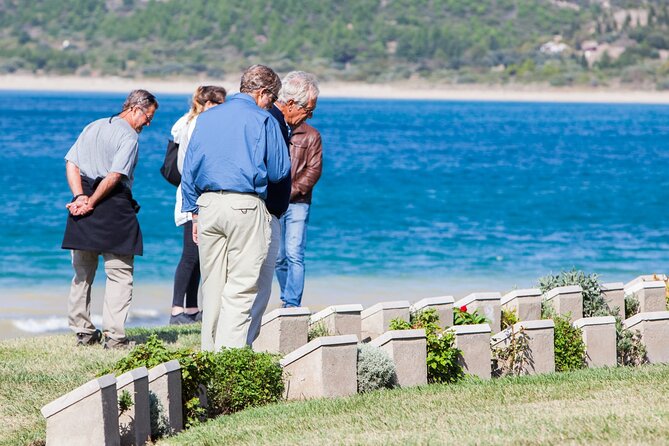
- ANZAC Cove area on the ground: Arıburnu Cemetery, the cove beach, and the memorial sites along the front line.
- John Simpson Kirkpatrick’s resting place: Hell Spit Cemetery, tied to the stretcher-bearer called the Man with the Donkey.
- Ridges and valleys you can actually picture: places like Plugge’s Plateau, Shrapnel Gully, Lone Pine, and The Nek.
- Chunuk Bair viewpoint: a key New Zealand location on a high hill taken during the August offensive.
- Private guide time: only your group, in English, with a morning start designed to beat the worst of the day.
Dardanelles first: why the ferry ride matters
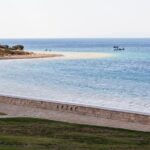
You start with pickup in Canakkale (or you can meet in Eceabat so you skip the ferry leg). Either way, the timing is set for a calm start: depart around 8:30 am and head straight to the ferry terminal. The short ride across the Dardanelles is more than a transfer. It gives you a mental picture of the bottleneck the campaign revolved around, and it’s a good way to get oriented before you hit the peninsula.
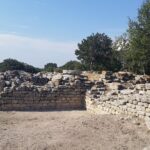
Think of this part as a warm-up for your eyes. From the water, the geography reads differently. Then, once you land, the slopes, coves, and ridges make more sense. You stop using the map and start using your senses: shoreline shape, the way valleys funnel movement, and why some spots were easy to defend.
If you’re traveling from Canakkale, this adds a bit of time, but it also makes the tour feel like a full experience instead of a quick bus-and-drop. If you’re already in Eceabat, you cut that segment out and can get straight to the walking.
You can also read our reviews of more tours and experiences in Canakkale.
Gallipoli National Park: ANZAC Cove and the front line stops
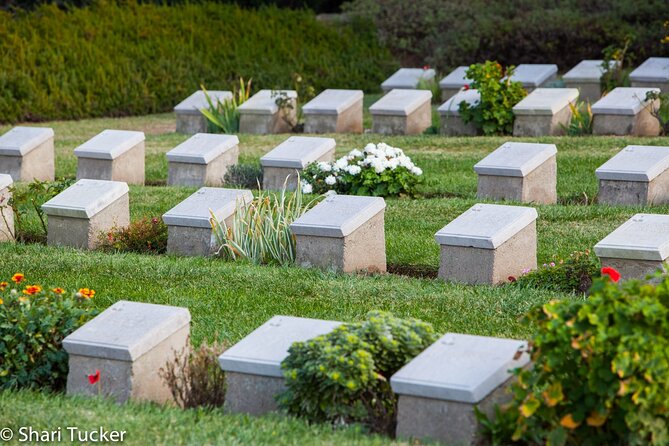
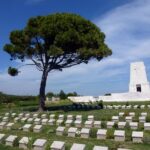
The heart of this tour is the Gallipoli Peninsula battlefield area. The day’s strongest emotional impact comes from standing where soldiers came ashore and where the advance was checked. You spend about 1.5 hours in this first cluster of sites, and they’re chosen to follow the story of landing, movement, and stoppage.
Arıburnu Cemetery: the first dawn landing point
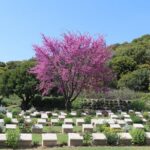
Arıburnu Cemetery is at the northern end of Anzac Cove. This is framed as a key landing point at dawn on April 25, 1915, where the first Australian soldiers came ashore. What I like about starting here is that it reminds you this wasn’t abstract history—it began in a narrow window of time, and the terrain shaped the next decisions within hours.
If you take a moment, you’ll notice how the ground drops toward the sea while the higher points sit inland. That mismatch between “where you want to be” and “what the hill lets you do” is one of the most repeated battlefield lessons on this peninsula.
Anzac Cove: where the shore becomes a base
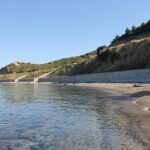
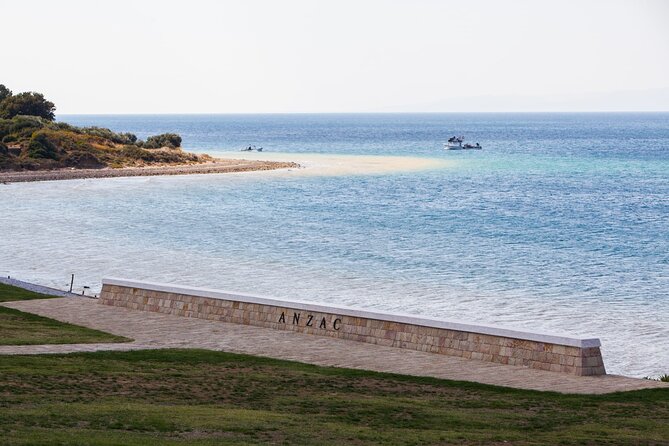
From Arıburnu you move to Anzac Cove, the beach where most Allied soldiers came ashore and also the main base area for the sector during the campaign. This is where the fighting turns from landing chaos into sustained operations.
When you’re standing at Anzac Cove, it’s easy to understand why the beach area mattered: it was the gateway for men, supplies, and hope. And it’s also where the frustration of the campaign becomes most obvious—the land offered routes inland, but it also offered barriers, and those barriers were occupied.
Anzac Commemorative Site: why it’s still used today
Next is the Anzac Commemorative Site, connected to the annual Anzac Day remembrance on April 25. This stop helps you see how memory is kept alive on the ground, not just in books or ceremonies at home.
A practical tip here: give yourself a minute to read slowly. Short pauses make a difference in how “real” this feels. The names of the dead and the purpose of the site are part of the same message.
You can also read our reviews of more private tours in Canakkale
The Sphinx and Hell Spit: landmarks with stories
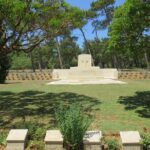
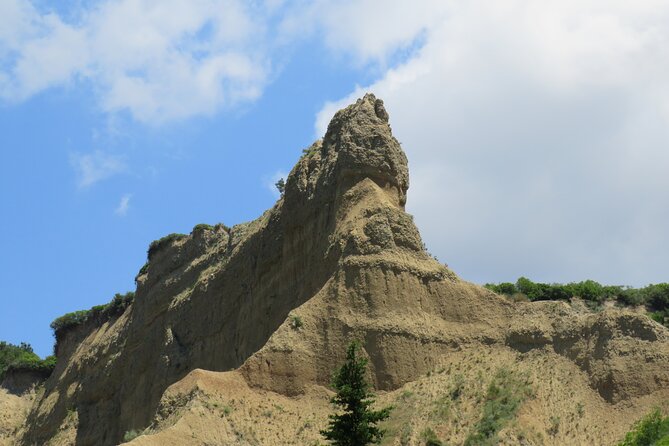
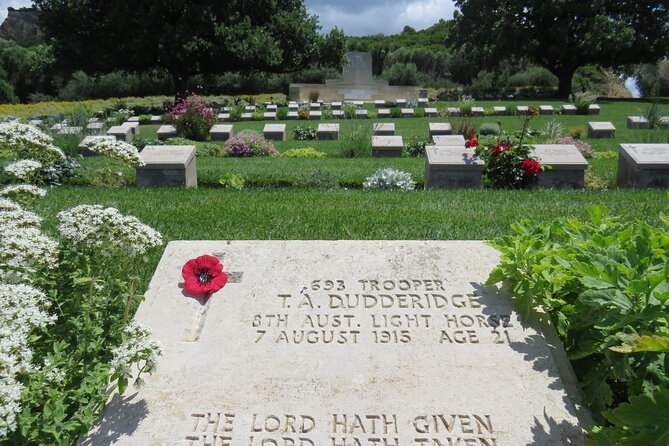
You’ll also see The Sphinx, named for the look it’s associated with, and then head to Hell Spit Cemetery at the southern end of the cove. Hell Spit is the resting place of John Simpson Kirkpatrick, the stretcher bearer known as the Man with the Donkey.
That specific connection hits hard because it’s one recognizable human story within a massive scale. It also helps you understand how the campaign wasn’t only about artillery and charges. It was also about movement of the wounded, improvised courage, and doing something steady while everything else around you is breaking.
A small pacing note
This whole section runs at about 1 hour 30 minutes, so you’re not rushed, but you also won’t have hours to wander. The value here is focus: you hit the major points that anchor the narrative.
Ridges, plateaus, and the “how it played out” stops
After the cove cluster, you shift toward the inland defensive-and-advance zones. This is where the tour becomes more about understanding motion—how soldiers tried to climb, how valleys funneled movement, and how ridgelines made progress expensive.
This portion is listed at about 2 hours, and it includes several of the most famous locations in the Gallipoli story.
Plugge’s Plateau: the hill that overlooks the fight
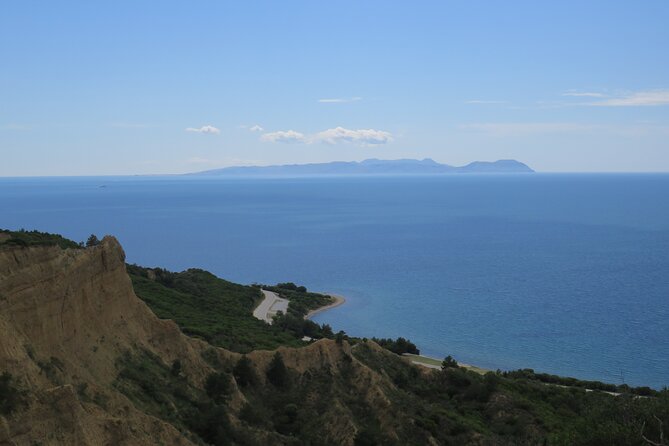
Plugge’s Plateau sits on top of a steep 100-metre hill overlooking Anzac Cove and Shrapnel Valley. It was captured on 25 April 1915 shortly after the landing by the 11th Battalion, 3rd Brigade of the AIF.
The payoff for you is line-of-sight. From above, the coastline isn’t just “pretty.” It becomes a tactical problem. When you understand that, you understand why certain positions were fought for so fiercely.
Shrapnel Gully: a route many had to take
Then comes Shrapnel Gully, described as the winding valley leading from the coast up to behind the New Zealand and Australian front lines. This route mattered because it was a way to reach the positions at the front.
Valleys on battlefields aren’t neutral. They protect you from some angles and expose you to others. Shrapnel Gully is a reminder that movement often depended on whatever cover the terrain offered—whether it helped you survive or slowed you down.
Lone Pine: heavy fighting then and later
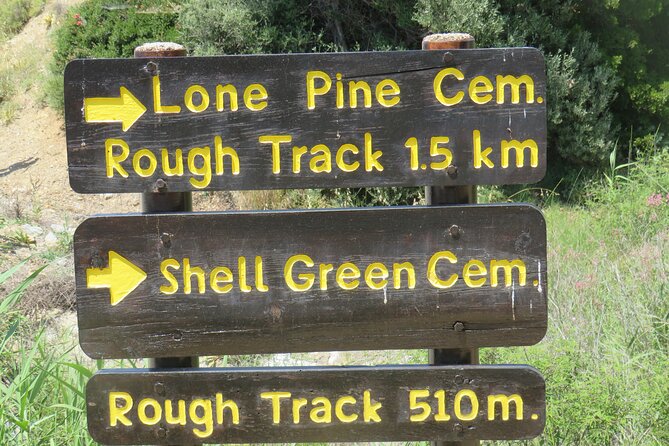
Lone Pine is another major Australian location and also tied to heavy fighting on April 25 and later, especially in August. It’s one of those places you’ll hear named again and again, and for good reason: it sits at a point where staying or losing meant more than a line on a map.
If you like military history, this stop is where you start mentally building the timeline: early landing → struggle for positions → renewed offensives.
Johnston’s Jolly: tunnels and trenches
Johnston’s Jolly is a plateau north of Lone Pine, laced with a maze of original tunnels and trenches. This is the stop that makes the phrase “this was a lived-in battlefield” feel accurate.
Even without long walking detours, the existence of tunnels and trenches tells you this wasn’t only a first-week scramble. It turned into a system—people adapting to what the ground allowed.
The Nek: The charge made famous by film
You’ll visit The Nek, described as the site of the famous charge by men of the Australian Light Horse shown in the movie Gallipoli. Using that pop-culture connection can be useful, as long as your guide keeps it tied to the actual ground you’re seeing.
Here’s why it matters for your understanding: a “charge” sounds simple. On this peninsula, it’s anything but. You can feel how exposed ground would have made speed and coordination life-or-death.
Chunuk Bair: the New Zealand memorial on the highest hill taken
Finally, there’s Chunuk Bair, the location of the New Zealand Memorial. It was built on a hill taken by New Zealanders during the August offensive, and it’s also described as the highest point captured in the entire campaign.
If you’re deciding whether this tour is worth it, this last stop often seals it. You get an end point that’s not just tragic. It’s also strategic: height meant visibility and control, and height also meant paying a price.
When you step away from Chunuk Bair, you’ll likely realize the battlefield is shaped like a set of arguments between high ground and sea access. This tour helps you read that argument.
The private guide factor: why this feels different
This is a private tour, meaning it’s only your group. That matters more than you might think, especially on Gallipoli. When you can ask questions and pause for context, you stop treating the places like a checklist.
The experience provider is Crowded House Tours, and guides connected with this style of walking include people like Hasan. From what’s been described, Hasan’s tours focus on careful factual grounding, using images and maps to connect what you’re seeing with what happened. There’s also mention of guides adapting the route storytelling to match what you’re walking through, which is exactly what you want on a battlefield tour: the explanation should fit the ground.
If you’re a history buff, this is great. If you’re a descendant or have a personal connection, it can be even more moving—because walking the same ridges linked to those names adds weight to the story.
Value for money: what $333.60 buys you (and what it doesn’t)
At $333.60 per person, this isn’t a budget add-on. So the question isn’t just cost—it’s what you’re getting for it.
Here’s the value math that makes sense for this tour:
- You’re getting a private guide experience, not a large group shuffle.
- You’re covering multiple named sites across the peninsula in a morning half-day format.
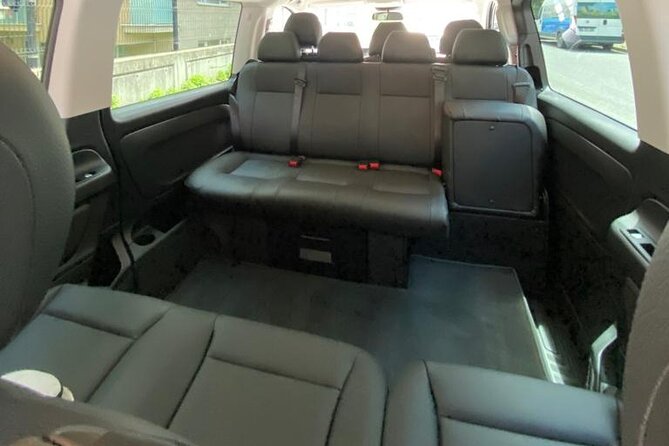
- You get transportation in an air-conditioned vehicle and, if you’re staying in Canakkale, you get the ferry ride segment built in.
- Park-related admissions are included for the Gallipoli National Park stops (the Dardanelles strait portion is free).
What you don’t get: lunch. You’ll want a plan for food afterward—either eat in town after you’re dropped back, or bring a snack if that works for your day.
My take: this price can feel fair if you care about depth and you want a guide who can explain why each spot mattered. If you only want a quick overview, you might feel this is pricier than you need. But if you’re the type who likes to understand the terrain, the front line logic, and the names—this cost starts to look like it buys time, clarity, and a more human connection to the place.
Practical tips to enjoy the walk (heat, shoes, and timing)
This tour runs for about 4 hours total, with set time blocks at each section. That means you should plan for comfort and stamina. A few practical points that help on Gallipoli:
- Wear real walking shoes. Ridges and paths can be uneven, and you’ll want grip.
- Dress for morning sun. Even when the start is early, the peninsula can turn warm fast.
- Bring water. Bottled water has been part of other Gallipoli tour experiences from the same operator, but this specific listing doesn’t spell it out, so don’t assume—pack accordingly.
- Use weather as a checklist. The experience requires good weather. If conditions are poor, expect changes to the schedule.
A small timing perk: going early helps you avoid the worst heat and also gives you better light for noticing terrain details and reading site information.
Getting dropped back: Canakkale vs Eceabat
Your pickup and ferry needs depend on where you’re staying.
- If you’re in Canakkale, you’ll go to the ferry terminal and cross as part of the day.
- If you’re in Eceabat, the pickup guidance says you won’t need the ferry ride.
Either way, you finish with a return drop to your hotel or cruise port area. That makes this a solid plan if you’re short on time but still want the “walk it” version of Gallipoli.
Should you book this Private Anzac Trail tour?
Book it if you want the Gallipoli Peninsula with more meaning than a drive-by. This is especially good for you if:
- you care about connecting names and dates to specific ground
- you want a private experience in English
- you’re trying to cover major locations like Anzac Cove, Lone Pine, The Nek, and Chunuk Bair without spending the whole day
Skip or rethink it if:
- you want a light, mostly vehicle-based tour rather than a walking day
- you don’t handle hills and uneven paths well
- you’re looking for lunch and a full-day meal-and-rest rhythm (this one lists lunch as not included)
If your goal is to leave understanding more than you arrived with—and to feel how the terrain shaped every decision—this is one of the stronger ways to do it in a short morning window.
FAQ
How long is the Private Anzac Trail Tour walk?
It’s about 4 hours in total.
Is pickup included?
Pickup is offered. You’ll be collected from your hotel or the cruise port in Canakkale.
Do I need to take a ferry?
If you’re staying in Canakkale, the tour includes a ferry ride. If you’re staying in Eceabat, you do not need the ferry ride.
What major sites are included?
You’ll visit places tied to the Gallipoli campaign including Arıburnu Cemetery, Anzac Cove, the Anzac Commemorative Site, The Sphinx, Hell Spit Cemetery, Plugge’s Plateau, Shrapnel Gully, Lone Pine, Johnston’s Jolly, The Nek, and Chunuk Bair.
Are entrance tickets included?
Admission tickets for the Gallipoli National Park stops are included. The Dardanelles Strait portion is listed as free.
Is lunch included?
No. Lunch is not included.
What happens if weather is bad?
The experience requires good weather. If it’s canceled due to poor weather, you’ll be offered a different date or a full refund.