REVIEW · ISTANBUL
Tour of Byzantine and Constantinople, in istanbul
Book on GetYourGuide →Operated by layover in Istanbul · Bookable on GetYourGuide
Byzantine Istanbul has teeth. I love how this tour connects the Walls of Constantinople to the bigger story of Rome, Byzantine, and Ottoman power, and I also like the way the guide keeps the pace humane instead of rushing you from photo spot to photo spot. One consideration: it packs a lot into six hours, so if you prefer slow wandering with zero schedule pressure, you’ll want to manage expectations.
I like that you start with hotel pickup from the Fatih area and head straight to the Golden Horn side of the old city. From there, the day is built around real monuments and neighborhood texture, not just a drive-by lecture.
You’ll get a real guide, transportation, lunch, and entrance stops that matter, which makes the $190 price feel less like a souvenir tax and more like you’re paying for access and context. Still, as with any private day, your experience will depend a lot on how focused the guide is in the moment and how much you click with their style.
In This Review
- Key highlights you’ll feel right away
- The Golden Horn Walls: Why Constantinople Was Built to Resist
- The Porphyrogenitus Stop: Roman-to-Byzantine Continuity in One Place
- Yedikule Fortress: Fortifications That Change the Way You Think
- Blachernae Palace and Mary of Blachernae: Where Politics Meets Devotion
- Fener: The Orthodox District as a Living Map
- Balat: Neighborhood Memory and the Christians-and-Jews Layer
- Models of Historical Sights: A Smart Shortcut for Context
- Price, Pace, and What $190 Buys You in Real Terms
- Who This Tour Fits Best (And Who Might Want to Skip It)
- Should You Book This Byzantine and Constantinople Tour?
- FAQ
- How long is the tour?
- Is this tour private and offered in English?
- Where does pickup happen?
- What key sites are included during the day?
- Are any entrances included?
- Is lunch included?
- What is the cancellation policy?
Key highlights you’ll feel right away
- City Walls with context: You’re not just seeing stone; you’re learning why those walls mattered to emperors and conquerors.
- A palace stop that’s more than ruins: The Porphyrogenitus area becomes understandable when someone walks you through the logic of the site.
- Yedikule Fortress as a story engine: Defenses, history, and geography all connect fast here.
- Blachernae area + Church presence: The tour includes the palace and the Mary of Blachernae church area for a religious-to-political link.
- Fener and Balat neighborhoods: You get Orthodox district life cues plus the layered past of Christians and Jews.
The Golden Horn Walls: Why Constantinople Was Built to Resist
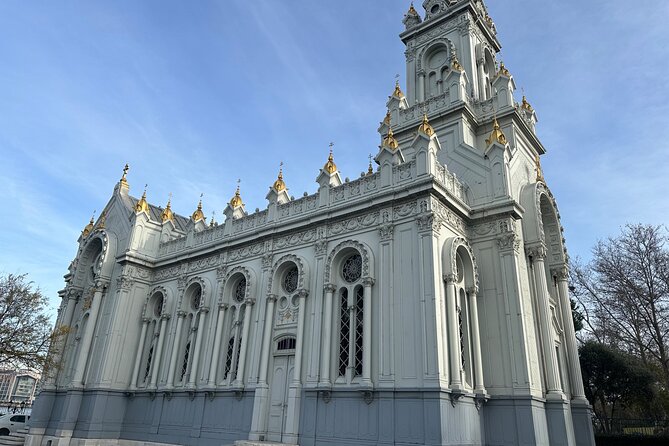
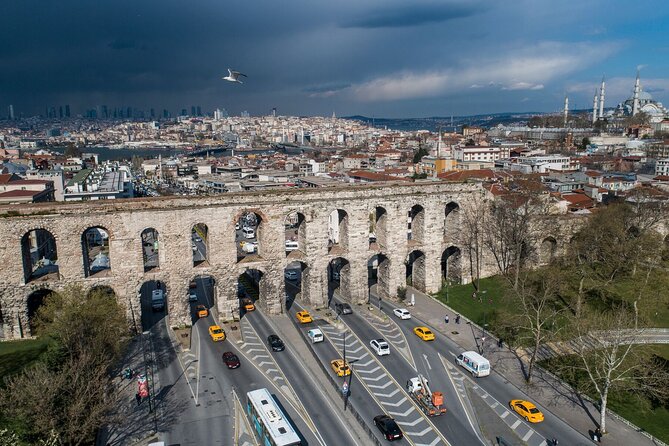
If you want one moment that makes Constantinople real, it’s the city walls. Standing near them, you can almost see the city’s worldview: you build strong boundaries when your survival depends on them.
This tour treats the walls as more than a landmark. You’ll be guided through how the fortifications relate to major turning points in the city’s long career—Roman foundations, Byzantine rule, and later Ottoman control. The guide’s explanations matter here. Without them, the walls can feel like a nice walk with great views. With them, you start noticing the logic: what the walls protected, how routes shaped defense, and why rulers cared so much about who could approach and when.
And yes, you’ll still get the physical experience—standing where people once watched the horizon. It’s one of those places where the skyline and stone both do work.
What can be tricky: walls and exterior areas often mean time outdoors and some walking. Comfortable shoes help, and plan to take your time at key points rather than sprinting to the next “must-see.”
You can also read our reviews of more tours and experiences in Istanbul.

The Porphyrogenitus Stop: Roman-to-Byzantine Continuity in One Place
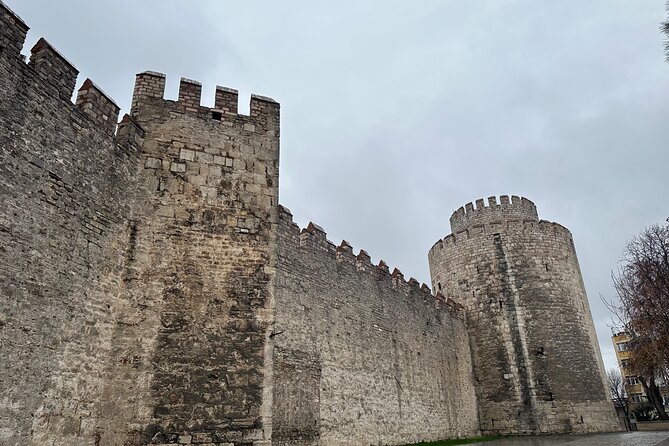
After the walls, you shift to a palace area tied to the Porphyrogenitus. This is where the tour earns its keep: it connects the Roman and Byzantine periods without making you memorize a timeline like it’s a school exam.
The Porphyrogenitus reference is a big deal because it anchors the Byzantine fascination with legitimacy. Guides tend to explain how the building connected power, image, and authority. Even if you’re seeing remnants rather than a complete palace, the story still lands because you’re given a frame: this wasn’t random stonework; it was part of how rulers performed stability.
Why you’ll like it: palace history here is practical. You start understanding why certain parts of the city mattered politically, not just aesthetically. You’ll get a sense for how Constantinople kept borrowing prestige and reinventing it.
Possible drawback: if you’re hoping for a fully restored interior experience, you might find the palace stop more interpretive than immersive. The value is in the explanation and the way the day’s narrative builds.
Yedikule Fortress: Fortifications That Change the Way You Think
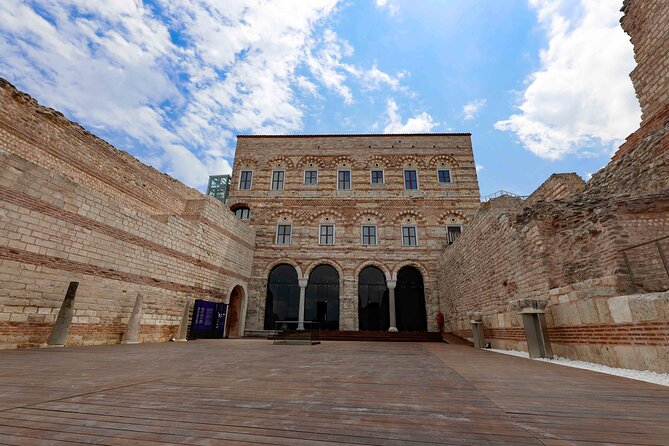
Then comes Yedikule Fortress. This is one of those stops that feels naturally dramatic because it’s defense made physical. You’ll spend time there, and you’ll also get entrance access included, which saves you a lot of friction.
What makes Yedikule work on this tour is the way it fits into the theme of control—who held the gates, who could threaten the city, and how fortresses shaped daily reality. You’re not only learning dates. You’re learning why locations mattered in the first place.
The guide’s pacing can be a big part of the experience here. Some guides speed you through fortresses like you’re on a checklist. In better runs, the guide takes their time so you can actually look, ask questions, and absorb how the site would have functioned.
What to watch for: this is a history-heavy part of the day. If you start feeling mentally overloaded, focus on one question and stick with it—how the fortress relates to the city’s defensive ring. That keeps it from turning into background noise.
Blachernae Palace and Mary of Blachernae: Where Politics Meets Devotion

Next is the Blachernae area, with entrance included for the Blachernae Palace and coverage that includes the Mary of Blachernae church environment.
This is a smart move for anyone who wants more than a list of buildings. Constantinople wasn’t only about walls and emperors. It was also about faith and the spaces where belief shaped public life. The Blachernae zone helps you see the city as a place where religion and power were constantly in conversation.
You’ll also be pointed toward the human layer of history—the way different communities existed with their own rhythms and identities in the same city. The tour format connects these neighborhoods to the bigger storyline, rather than treating them as separate postcards.
Best moment to aim for: when your guide explains why this area mattered. If you ask follow-up questions, this stop is the kind where the answers usually connect to the rest of the day quickly.
One consideration: church-related areas can involve walking on uneven surfaces. Keep your footing in mind and don’t expect everything to feel like a polished museum corridor.
Fener: The Orthodox District as a Living Map
Fener is where you start seeing Constantinople’s cultural layers become everyday geography. You’ll spend time in the Orthodox district area, and the guide will help you connect the neighborhood layout and historical identity to the broader story of the city.
This is one of those places where you don’t need a ton of imagination. You just need orientation. A good guide provides that orientation fast: where communities clustered, how religious life shaped the district’s role, and how it fit into the city’s changing regimes.
The result is that Fener doesn’t feel like a detour. It feels like a chapter. You get the sense that Constantinople wasn’t only monuments and conquest. It was neighborhoods with continuity and change—religious communities living inside a city that kept transforming above them.
Practical tip: if you like taking photos, tell your guide early. It helps them pace the stop so you don’t feel rushed when you find a street angle you love.






Balat: Neighborhood Memory and the Christians-and-Jews Layer
Then it’s Balat, often paired with Fener for a reason. Together they help you understand how Constantinople’s story ran through streets, markets, and community boundaries.
On this tour, you also get mention of the ghetto of Christians and Jews, and that gives the neighborhood stops more weight than surface-level sightseeing. The point isn’t to reduce people to labels. It’s to recognize that Ottoman and Byzantine-era governance shaped where communities lived and how those communities interacted with the city’s power structure.
Balat can feel like stepping into a layered Istanbul where the old overlaps the newer. A guide’s job is to help you see patterns without making the day feel like homework. Done well, the explanations make the streets read like a map.
What you’ll enjoy most: the neighborhood pacing. This is usually where you can ask the most personal questions—how the city’s identity changed, and what stayed stable even when rulers changed.
Models of Historical Sights: A Smart Shortcut for Context
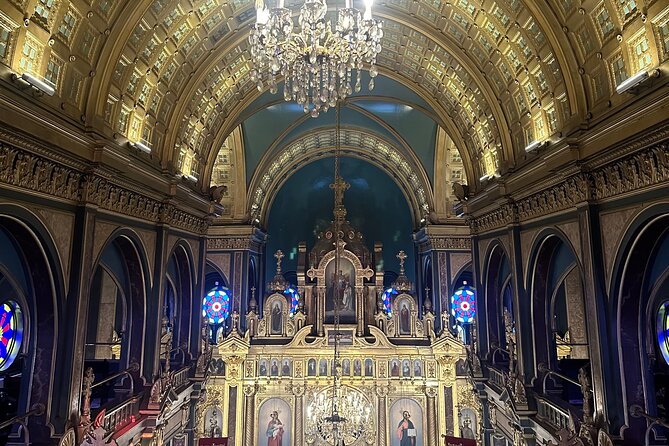
One clever element in this tour is that you’ll see models of historical sights in Turkey. This kind of stop can feel optional—until you realize it saves time.
Models act like a translation device. They help you understand how large complexes sat in relation to each other, and why a ruin in one spot can be part of a bigger whole elsewhere. If you’re the type who likes to connect dots, this is a strong support act for the real monuments you’re seeing.
It also helps if you want to take your understanding beyond the six hours. Afterward, you can look at other sights around Istanbul and recognize patterns faster because your mental 3D map has been built.
Consideration: models won’t replace walking the neighborhood or standing at the walls. But they can prevent the day from feeling fragmented.
Price, Pace, and What $190 Buys You in Real Terms
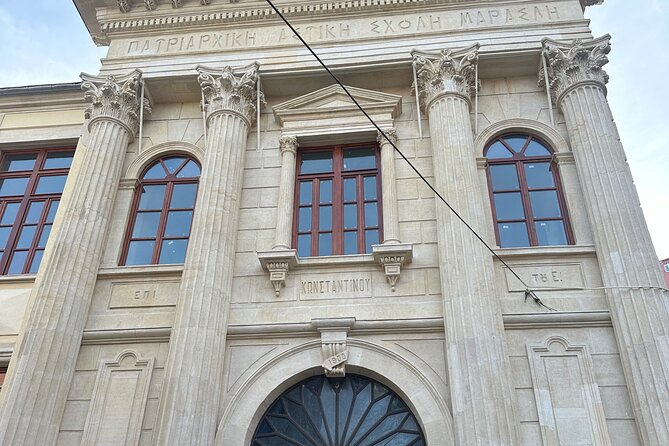
At $190 per person for a 6-hour private tour, the value comes down to what you actually get bundled in.
Here’s what’s included:
- Hotel pickup and drop-off from the central Fatih area
- Transportation
- A live English guide
- Lunch
- Entrance to Yedikule Fortress
- Entrance to Blachernae Palace
- A route covering multiple key Constantinople and neighborhood stops
That’s not just sightseeing. It’s access plus interpretation plus logistics. Private touring also matters because you can set the rhythm—asking questions, slowing down at one stop, or moving through another faster.
The best part is how some guides handle pacing. One guide named Yasin is specifically praised for adjusting the tour to match interests and for giving generous time without watching the clock. That kind of flexibility turns a standard history day into a day that feels custom.
Possible drawback worth noting: there can be occasional real-world distractions. One experience included finishing early after the guide seemed distracted by phone calls for part of the day. That doesn’t ruin everything, but it’s a good reminder: this is a scheduled day with a fixed structure, so you’ll want a guide who’s fully present.
Bottom line on value: if you want a single focused day that covers city walls, a palace-related stop, a major fortress, and neighborhood districts—with lunch included—this price can make sense. If you’re a solo wanderer who hates structured time, you might prefer booking individual tickets and exploring on your own.
Who This Tour Fits Best (And Who Might Want to Skip It)
This tour is a strong match if you:
- Want one day that ties together the Roman, Byzantine, and Ottoman layers without doing the research yourself
- Like history that includes real places, not only museum descriptions
- Appreciate a guide who can tailor pacing and answer questions
- Prefer a private format where you’re not competing for the same viewpoint
It might not be ideal if you:
- Want a long, slow photo walk with no schedule pressure
- Need a deep religious experience that’s centered on worship services rather than historical context
- Get frustrated when the day feels heavy on interpretation rather than hands-on access
My practical advice: if you’re visiting Istanbul for a short stay and want a coherent “big picture” day, this works well. If you’re already a Constantinople nerd who knows every gate and theorem, you might still enjoy the neighborhood context—but the value will depend on how sharp your guide is with the narrative.
Should You Book This Byzantine and Constantinople Tour?
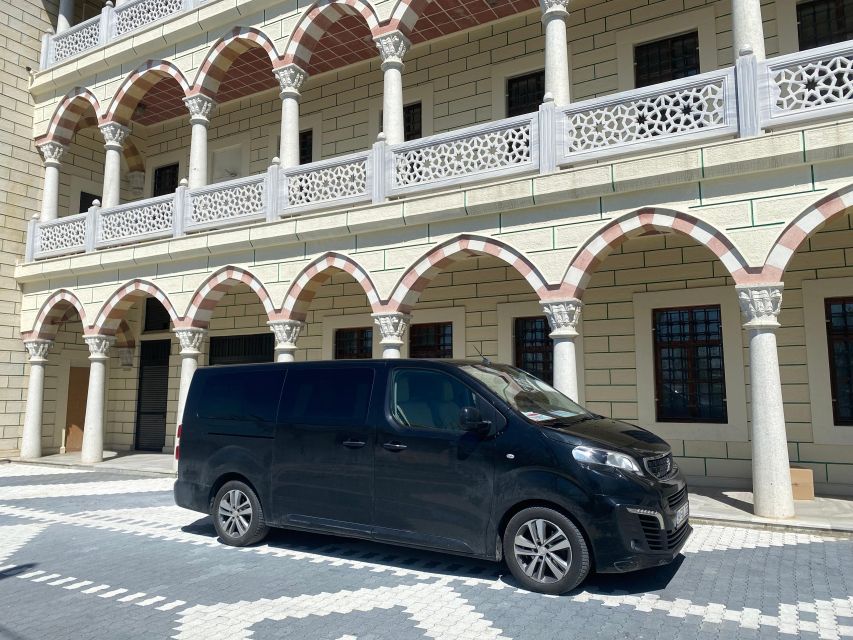
I’d book it if you want a well-paced, guide-led day focused on the parts of Constantinople that shape the city’s identity: the walls, the palace storylines, the fortress, and the neighborhoods where community history lives in the streets. The included lunch, entrances, and transportation make it easier to enjoy without juggling ticket lines and timing.
I wouldn’t book it if you’re allergic to any schedule at all. This is structured. You’ll get six hours of momentum, not a freeform day.
If you do book, go in with two simple strategies: bring one question you really care about (like how the walls changed the city’s fate) and be ready to adjust your expectations from checklist mode to story mode. That’s when the tour stops being just a nice day and turns into real understanding you can carry into the rest of Istanbul.
FAQ
How long is the tour?
The duration is 6 hours.
Is this tour private and offered in English?
Yes. It’s a private group tour with a live guide in English.
Where does pickup happen?
Pickup is included for central hotels, with the listed pickup location in Fatih.
What key sites are included during the day?
You’ll visit places including the Walls of Constantinople, the Palace of the Porphyrogenitus, Yedikule Fortress, and the Fener and Balat areas.
Are any entrances included?
Yes. Entrance is included for Yedikule Fortress and for the Blachernae Palace.
Is lunch included?
Yes, lunch is included.
What is the cancellation policy?
You can cancel up to 24 hours in advance for a full refund.