REVIEW · CANAKKALE
Full Day Private Tour of Helles and Anzac
Book on Viator →Operated by Crowded House Tours · Bookable on Viator
Gallipoli hits hard, even on a good day. This private full-day tour connects the Helles and ANZAC battlefields with the exact sites you want to stand on. You get a tightly planned route, private transport, and English guidance so you spend less time figuring out directions.
I especially like the focus on the ground itself: batteries, memorials, cemeteries, and key trench areas, not just quick photo stops. Another strong win is the private setup, which makes it easier to slow down for what matters to you, whether that is the British/French landing story or the ANZAC Commemorative Site. The main drawback to consider is timing: it is a long day at about 9 hours, and lunch is not included.
In This Review
- Key things to know before you go (Helles to ANZAC)
- A private battlefield day that doesn’t waste your energy
- Çanakkale ferry crossing: the Asia-to-Europe moment
- Helles sector: batteries, memorials, and the first front line
- What to expect on the ground
- ANZAC sector: Cove, Lone Pine, tunnels and Chunuk Bair
- The value of trench-level detail
- A note about guide style
- The memorial rhythm: why cemeteries and batteries both matter
- Eceabat return: the ferry option and the end of the day
- Price and value: what $336.44 buys you on Gallipoli
- Timing and pacing: how to get the most from a long day
- Who should book this tour, and who might not need it
- Should you book? My decision guide
- FAQ
- What time does the tour start?
- How long is the full day tour?
- Is pickup included?
- Does the tour include a ferry ride?
- Where does the tour go during the day?
- Are admission tickets included?
- Is lunch included in the price?
- What language is the tour offered in?
- Is this a private tour?
- What is the cancellation policy if weather is poor?
Key things to know before you go (Helles to ANZAC)
Private group means more control over pace and what your guide emphasizes.
Two battlefield sectors, one day gives you the best of Helles plus ANZAC Cove without switching tours.
Admission is included for the two big park segments where you do most of the walking and visiting.
A ferry ride is built in if you start from Çanakkale, which adds a bit of romance and a bit of time.
Start early, plan for a full day because lunch is on you and the schedule moves.
Good weather matters since the experience depends on conditions.
A private battlefield day that doesn’t waste your energy
This is not a bus-full, grab-a-stick-of-information kind of outing. It is a true private tour, meaning only your group goes along, with private transportation doing the heavy lifting between sites. I like that structure because Gallipoli is spread out, and time disappears fast when you are trying to drive and park yourself.
You are also starting from either your hotel or the cruise port in Çanakkale. That matters, because you avoid the mental load of coordinating rides on the peninsula. The tour runs about 9 hours starting at 8:00 am, which is early enough to get you to the sites before the day gets crowded and hot.
Language is English, and the guides you may end up with are described as calm, engaged, and able to explain the terrain clearly. Some names you may see connected with this kind of tour include Otak, Hasan, Ibrahim, and Charlie, and they are repeatedly praised for strong English and a thoughtful style. That combination matters on Gallipoli, because you are not just sightseeing. You are reading the land.
You can also read our reviews of more private tours in Canakkale
Çanakkale ferry crossing: the Asia-to-Europe moment
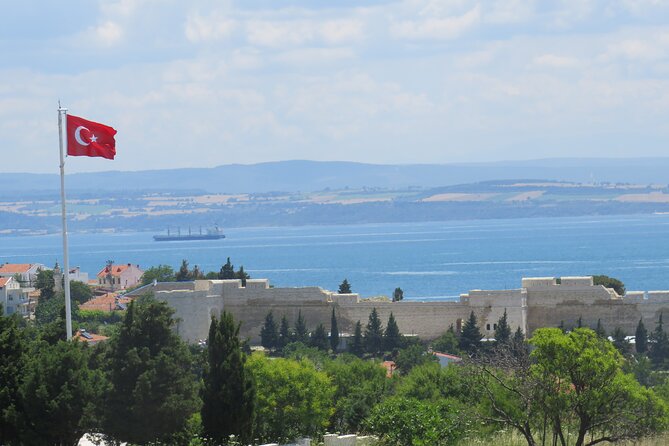
The day begins in Çanakkale, with a short ferry ride across the Dardanelles. The trip is about 30 minutes, and it is a simple but meaningful way to shift your perspective before you step into history on the peninsula.
Here is the practical part: if you are staying in Çanakkale, plan on that ferry time as part of your day. If you are staying in Eceabat, you do not need the ferry ride, which can make the schedule feel a little less compressed. Either way, you are getting oriented to the geography that made the landings possible in the first place.
Because the tour is private, you are not stuck pacing with strangers while the vehicle and ferry transitions happen. That tends to keep the day feeling smoother, even with multiple stops.
Helles sector: batteries, memorials, and the first front line
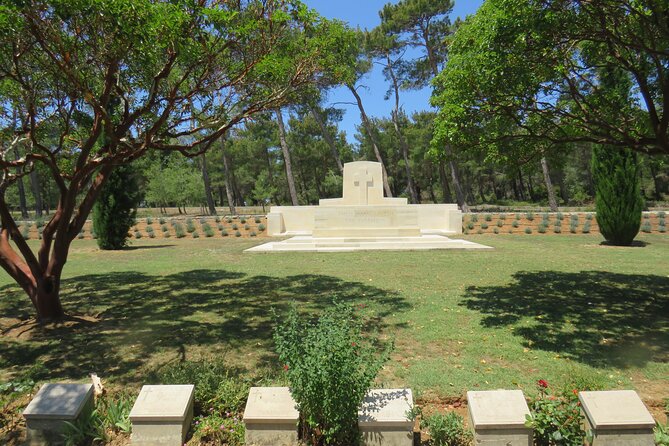
Helles is the Allied landing focus for April 25, and it remains a major battle front through August, with the last Allied soldiers leaving the sector in early 1916. That timeline is more than trivia. It shapes the way you move through the sites, because you are walking into an area that changed hands and strategies over months.
You’ll spend about 4 hours exploring Helles, with admission included. Key places on the route typically include:
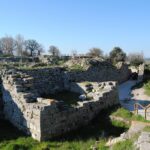
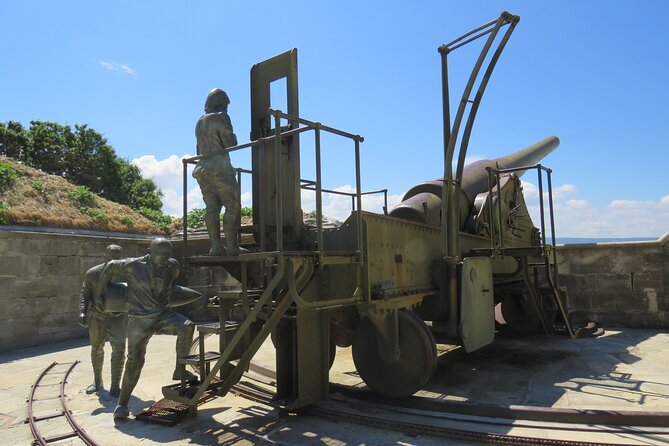
- Namazgah Battery and Rumeli Mecidiye Battery
- Turkish Monument
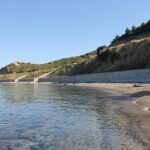
- V Beach
- Helles Memorial
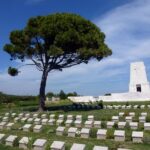
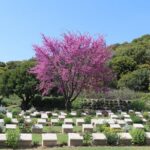
- Lancashire Landing Cemetery
- Twelve Trees Copse Cemetery
What I like about this grouping is that it mixes land features with remembrance sites. The batteries help you understand why certain ground was valuable. The beaches and memorials connect the view to the human cost, without turning the day into a lecture.
What to expect on the ground
This is where you should slow down. Helles is not only about big markers; it’s also about understanding how the terrain channels movement. The cemeteries and memorials are placed so you can connect sightlines and the feel of the shoreline to the story you are hearing from your guide.
One extra note from real-world feedback: some people felt the Turkish portion of a related day tour could feel faster than they expected. That is a reminder to think about your priorities before you go. If Helles is your main target, tell your guide up front so you can get the pace that fits your interest level.
ANZAC sector: Cove, Lone Pine, tunnels and Chunuk Bair
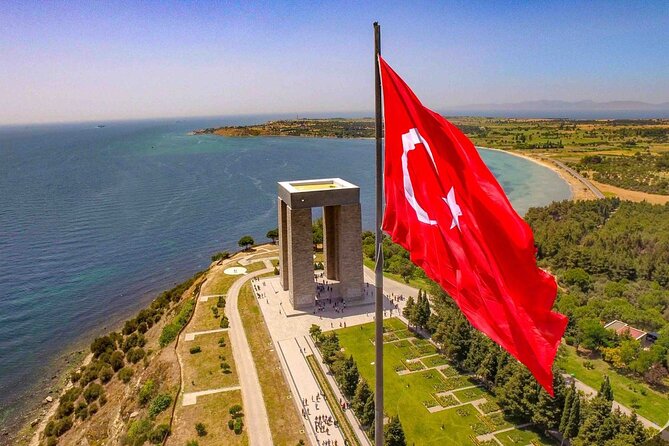
After a lunch break, you head to the ANZAC sector for another 4-hour block (also with admission included). This is where many visitors feel the day become personal, because ANZAC Cove and the surrounding sites are designed to be walked, not just looked at.
The stops you can expect here include:
- Anzac Cove
- Anzac Commemorative Site
- Ariburnu Cemetery
- The Sphinx
- Lone Pine Australian Memorial
- Johnston’s Jolly (tunnels and trenches)
- Chunuk Bair New Zealand Memorial
This sequence is smart because it follows the logic of movement and memory. You start with Cove and the commemorative areas, then move outward through cemeteries and named landmarks, then you end with the trench and tunnel area at Johnston’s Jolly, and finally the New Zealand memorial at Chunuk Bair.
A few more Canakkale tours and experiences worth a look
The value of trench-level detail
A battlefield day can turn into a checklist if you are not careful. The reason this itinerary is worth your money is that it spends time at places where terrain is the story.
The mention of Johnston’s Jolly is a good example. Tunnels and trenches are not just dramatic scenery; they help you understand how soldiers actually survived and moved under pressure. When your guide can explain what you’re seeing in clear English, it turns the day into something you can remember accurately, not vaguely.
A note about guide style
In feedback from this kind of private tour, guides like Ibrahim and Charlie are specifically praised for delivering the ANZAC sites with both expertise and a style that feels respectful and engaging. Another guide mentioned, Hasan, is described as energetic and able to tailor the day to what the group wanted to see.
Even if you do not have a niche interest, that “tailoring” part matters. If you have a personal connection—like a family member you want to track—private time gives you room to adjust slightly rather than forcing you into a rigid script.
The memorial rhythm: why cemeteries and batteries both matter
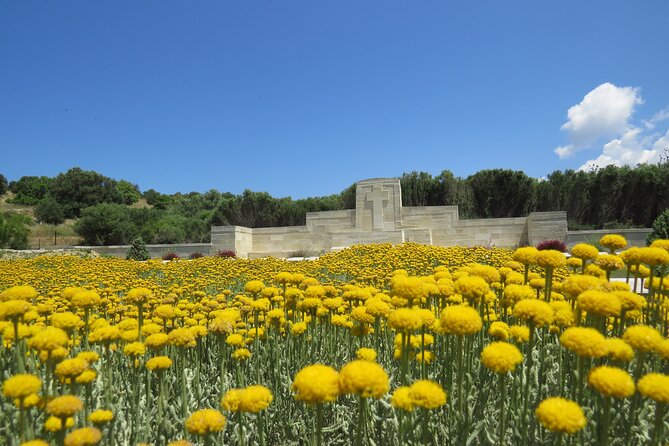
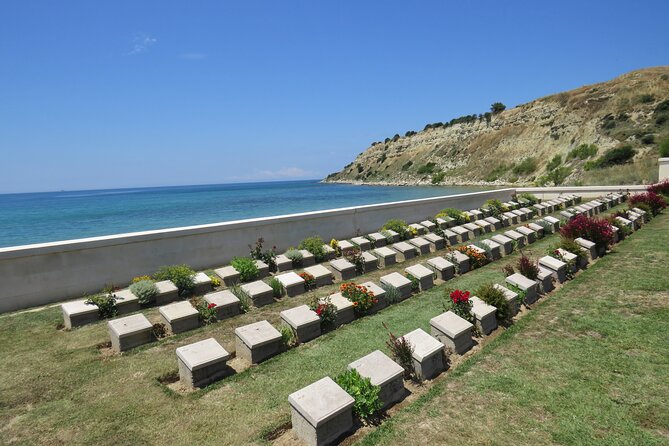
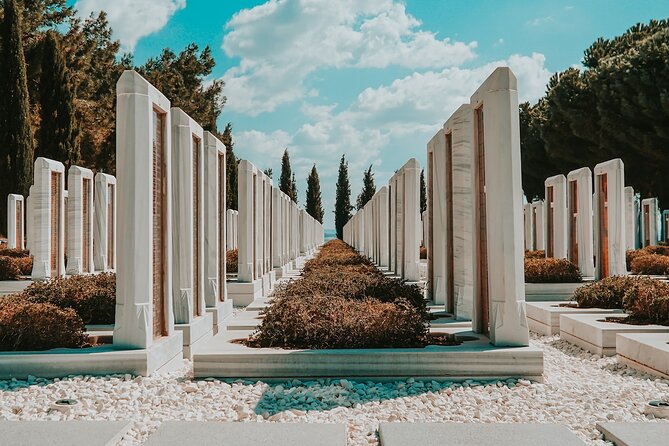
Gallipoli is unusual because the “attractions” are not only buildings and views. Many of the most important points are cemeteries and memorial complexes. That can feel heavy, but it is also what makes the visit real.
On this tour, you get that mix in both sectors. Helles gives you the British/French landing focus and key memorial spaces. The ANZAC side gives you Lone Pine, New Zealand commemorations, and the Cove area.
I like that balance because it stops the day from becoming one-note. Batteries and shorelines explain the operational story. Cemeteries and memorials remind you that the story was lived by people with names. Your guide’s job is to connect those layers without turning the day into a blur.
Eceabat return: the ferry option and the end of the day
After both sectors, you finish with a return to Çanakkale by ferry for people who start from there. It’s another short 30-minute ride. If you are staying in Eceabat, you do not need the ferry, which can help you reduce the feeling of a day that keeps transporting you.
Either way, the tour ends back at the meeting point. That is practical: you are not left figuring out local transport after a long day on the peninsula.
If you have energy left, consider planning dinner around this timing. A day like this can make you hungry and a little worn out in a good way, and you will want a meal that is easy to reach once you’re back.
Price and value: what $336.44 buys you on Gallipoli
At $336.44 per person for an approximate 9-hour private tour, this is not the budget option. But it often makes sense for the right traveler because you are paying for three things at once:
- Private transport (so you spend less time on logistics)
- Admission included for the two main park segments (the heart of the day)
- English guidance that links the sites into a coherent battlefield story
You also get extra convenience items like pickup, a mobile ticket, and the fact that it is private only to your group. There are even notes about group discounts, which can improve value if you have companions.
The biggest “cost” you will add yourself is lunch, since lunch is explicitly not included. Plan for that in your budget and in your timing. The day is long enough that going without a plan can make you feel rushed later.
In short: if you care about understanding what you’re seeing, and you want the day to run smoothly, the price can feel fair. If you just want a quick photo tour and you’re comfortable planning your own stops, you might find cheaper ways to visit the same general region. But this itinerary is designed to save you time and make the sites meaningful.
Timing and pacing: how to get the most from a long day
With an 8:00 am start and about 9 hours total, you should treat this as a “whole day” commitment. That is not just about distance. It is also about mental stamina. Gallipoli requires attention, and the schedule is built around two major battlefield segments.
The itinerary includes a lunch break before heading to the ANZAC sector. Since lunch is not included, I suggest you decide ahead of time how you’ll handle it. If you prefer a calm sit-down meal, you may need to bring that preference up so the timing works for you.
Also remember: the tour requires good weather. If conditions are bad, the operator offers a different date or a full refund. That matters because battlefield sites are outdoors and visibility can affect how much you get from the views and terrain.
Who should book this tour, and who might not need it
This private day tour is ideal if you want:
- A clear, English-guided explanation that ties sites together
- Time at both Helles and ANZAC in one day
- Less planning and more standing on the ground
It also fits military history hobbyists. One description of the experience highlights that it can work well even if you care about trench placement, cemeteries, and how the terrain affected decisions. If you are the kind of person who likes to understand why a battery faced a certain way, this itinerary is built for you.
On the other hand, if you strongly prefer DIY driving and you already know the sites you want in depth, you might not need the private guide. And if you expect the day to feel leisurely rather than structured, you may want to mentally prepare for a full schedule.
Should you book? My decision guide
Book it if you want the Gallipoli day to feel planned, not improvised. The private format, English guiding, and the way the route links Helles and ANZAC sites make it a strong choice for people who care about context and accuracy on the ground.
Skip it if you are trying to do Gallipoli as a casual hit-and-run photo day, or if long days and paying extra for lunch don’t fit your style. Also consider that Helles can still feel like a faster segment if your priorities are extremely narrow, so communicate what you want to focus on as early as possible.
If you’re on the fence, this is the kind of experience where a good guide can change everything. Being able to get place-by-place explanations—without you hunting down answers yourself—can be the difference between seeing memorials and truly understanding the terrain.
FAQ
What time does the tour start?
The tour starts at 8:00 am.
How long is the full day tour?
It lasts about 9 hours (approx.).
Is pickup included?
Yes. Pickup is offered, either from your hotel or from the cruise port in Çanakkale.
Does the tour include a ferry ride?
If you stay in Çanakkale, the tour includes a ferry ride across the Dardanelles. If you stay in Eceabat, you do not need the ferry ride.
Where does the tour go during the day?
It visits Çanakkale, then the Helles sector and the ANZAC sector within Gallipoli National Park, and finishes with Eceabat or a return to Çanakkale.
Are admission tickets included?
Admission is included for the two main park segments: Helles sector and the Anzac sector. The Çanakkale and Eceabat parts are listed as free.
Is lunch included in the price?
No. Lunch is not included.
What language is the tour offered in?
The tour is offered in English.
Is this a private tour?
Yes. It is a private tour/activity, and only your group participates.
What is the cancellation policy if weather is poor?
You can cancel for a full refund up to 24 hours before the experience starts. The tour also requires good weather; if it is canceled due to poor weather, you are offered a different date or a full refund.