REVIEW · ISTANBUL
Private Guided “Energy of Istanbul-Skip the Ticket Line” Tour
Book on Viator →Bookable on Viator
A smooth line-skipping day in historic Istanbul. This private route strings together the Blue Mosque, Hagia Sophia, and the Basilica Cistern with smart pacing, licensed guiding, and a mobile ticket to help you handle entry flow faster than wandering on your own. The best part is the tight storytelling: you’re not just checking boxes—you’re building a quick mental map of how the Byzantines and Ottomans shaped this city. One thing to consider: major sites here usually require paid entry for several stops, so your cost can rise once you add those tickets.
I really like that the tour is private, so your guide can slow down for questions or tighten the pace when you want to move. I also like the variety: you get big-ticket monuments plus a real Istanbul shopping moment at the Grand Bazaar, then a Turkish lunch break with options your guide can point you toward. The main drawback is practical—this is a full old-city walking day, and it’s not set up for wheelchair access or serious walking difficulties.
In This Review
- Key highlights worth your attention
- Why the energy works: Ottoman sights plus Roman engineering
- Meeting at the German Fountain and getting around fast
- Blue Mosque first: what to look for in 40 minutes
- Hippodrome monuments: a quick history lesson you can see
- Topkapi Palace: the Ottoman palace story (and the ticket you’ll pay)
- Hagia Sophia Grand Mosque: a 6th-century marvel in two eras
- Basilica Cistern: the sunken palace where Roman tech feels real
- Grand Bazaar and the lunch break: shopping without wandering aimlessly
- Price and value: what you’re paying for at $109
- Should you book this private guided Istanbul energy tour?
- FAQ
- FAQ
- What’s the duration of the Private Guided Energy of Istanbul tour?
- Is pickup available, and where does the tour start?
- Which entrances are included in the tour price?
- Are the main stops included in the itinerary?
- Is this tour private?
- What is the cancellation policy?
Key highlights worth your attention
- Skip-the-ticket-line support with a mobile ticket and a guide who manages the entry process
- First-class combo of Blue Mosque, Hippodrome, Topkapi Palace, Hagia Sophia, Basilica Cistern, and Grand Bazaar
- Ottoman + Byzantine context so the sights make sense as one story, not separate postcards
- Licensed guide who can handle crowds and give on-the-ground visiting tips
- Lunch break in the middle so you’re not starving while museums run late
- Private format so your timing stays with your group, not a bus full of strangers
Why the energy works: Ottoman sights plus Roman engineering

This tour is built for people who want a lot of Istanbul’s “greatest hits” without wasting hours figuring out routes. In about 5–7 hours, you bounce through the core of Sultanahmet, then finish in the Grand Bazaar area—so you see the Ottoman-era landmarks and the older Byzantine backbone in one connected sweep.
What makes it work is the mix of moods. You start with spiritual grandeur at the Blue Mosque, switch to the public spectacle vibe of the Hippodrome, then move indoors for palace rooms, cathedral-scale architecture, and finally an underground Roman reservoir. It’s like a timeline you can physically walk through.
And because the tour is private, you’re not forced to follow someone else’s rhythm. If your group likes photos, you’ll probably get those moments. If you want the story first and the photos later, your guide can steer you that way.
A few more Istanbul tours and experiences worth a look


Meeting at the German Fountain and getting around fast
You’ll start at the German Fountain (Alman Çeşmesi) in At Meydanı, near 34122 Fatih/İstanbul. The activity ends back at that same meeting point, which is handy: you’re not stuck trying to reverse-engineer your way out at the end.
Pickup is offered, but it’s not described like a luxury hotel-to-hotel car ride. You may be able to get picked up from Galataport Cruise ship Port of Istanbul or from central hotel locations using public transportation. In the pickup point, your guide holds a sign with your name—simple and clear.
Practical takeaway: plan for some walking between sights. Also, air-conditioned vehicle isn’t included, so on hot days, bring water and take shade breaks when your guide offers them.
Blue Mosque first: what to look for in 40 minutes
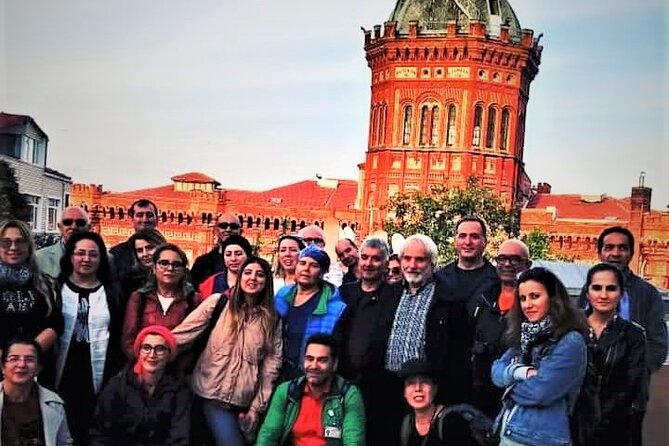
The Blue Mosque stop is short on paper—about 40 minutes—but it’s timed as your early anchor. You’re going to see one of the most famous Ottoman mosques, decorated with four centuries old blue Iznik tiles. Even if you’ve seen photos, the tile work looks different up close. The patterning feels more intricate, and the light hitting the surfaces makes the blues shift rather than look like one flat color.
This is also a good moment for your “what am I looking at” questions. Ask your guide what details are original versus later restorations, or which tile motifs repeat. With a licensed guide on a tight schedule, you can get meaning quickly.
One consideration: mosque interiors typically come with rules. You may need to adjust clothing (covering) and keep an eye on timing around prayer or visitor flow. The upside is that you’re not stuck for hours here.
Hippodrome monuments: a quick history lesson you can see
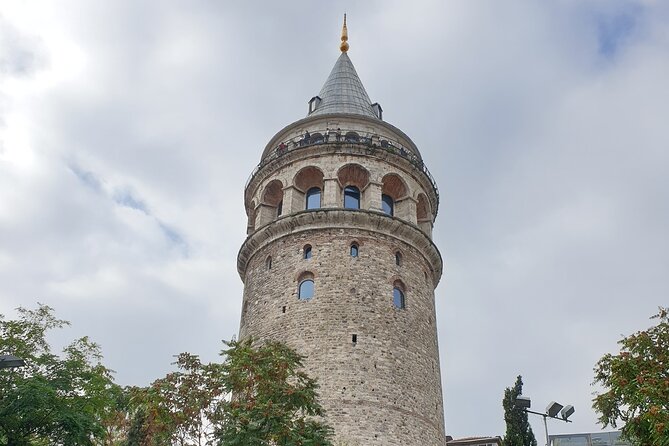
Next you hit the Hippodrome, where the Roman chariots used to race—an arena that was larger than today’s big soccer stadiums. The numbers are wild: capacity around 100,000, in a city of about 400,000 back then. In plain terms, this was a giant “public energy” machine.
The visit here is about 15 minutes, so you shouldn’t plan to memorize it like a textbook. Instead, use it to get your bearings. Your guide can connect what you’re seeing to how public entertainment worked in Constantinople, and why those monuments survived even as empires changed.
Best use of time: pay attention to what’s actually still there. Even when only fragments remain, they help you picture the scale. This stop is quick, but it makes the later Ottoman and Byzantine layers feel less random.
Topkapi Palace: the Ottoman palace story (and the ticket you’ll pay)
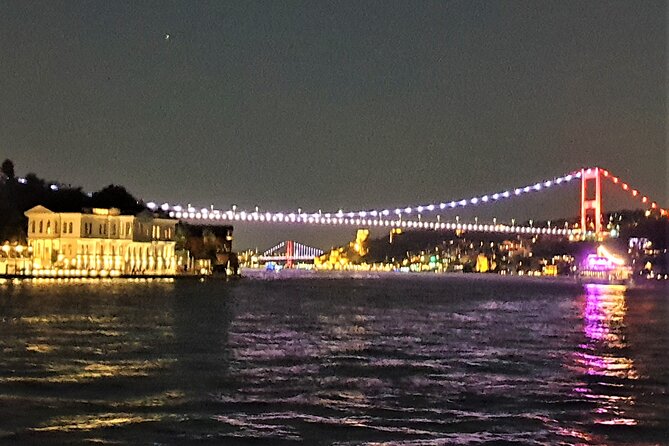
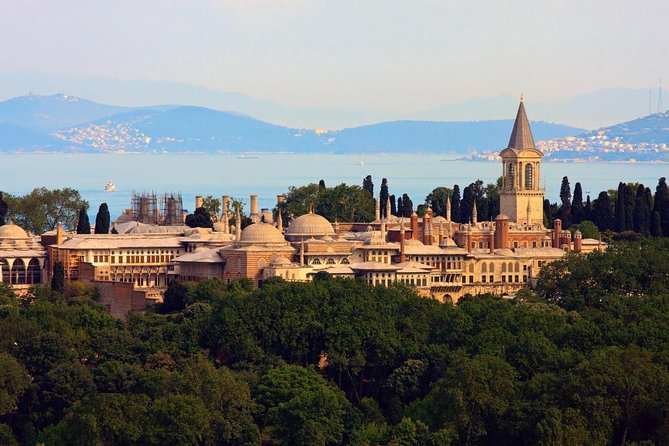
Then you move into the Topkapi Palace experience for about 1 hour 30 minutes. This is one of the best stops on the route if you like understanding power and daily life, not just architecture. The palace visit is positioned as the key to Ottoman history—covering exhibition halls featuring Ottoman jewels, ceremonial weapons, clocks, kitchenware, and more.
Here’s the practical part: Topkapi Palace admission isn’t included. So yes, you’ll pay at some point, but the guide’s role matters. When you have limited time, you don’t want to spend it fighting ticket lines and then realizing you missed what matters most.
How I’d approach this stop: pick a few “threads” and follow them. For example, Ottoman wealth and display (jewels and ceremonial items), technology and craft (clocks), and everyday life (kitchenware). If you try to absorb everything at once, you’ll feel rushed. If you follow threads, the palace becomes understandable.
Time pressure note: 1.5 hours is enough for a guided hit, but it won’t feel leisurely. If your group loves palace museums, you may want more time on a separate day. For this tour, it’s a solid starter.
You can also read our reviews of more guided tours in Istanbul




Hagia Sophia Grand Mosque: a 6th-century marvel in two eras
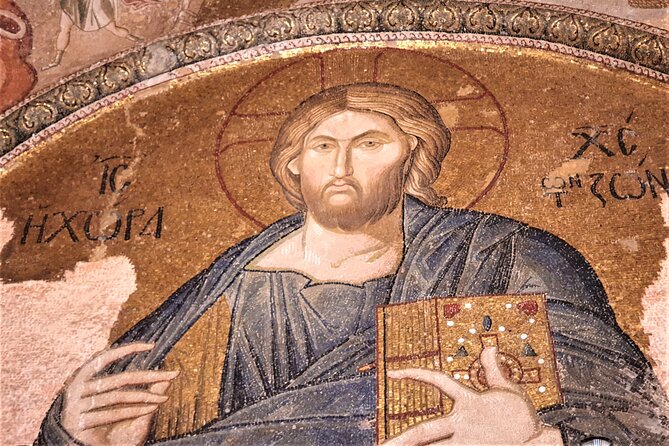
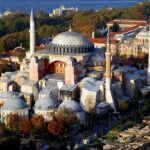
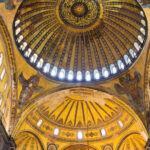
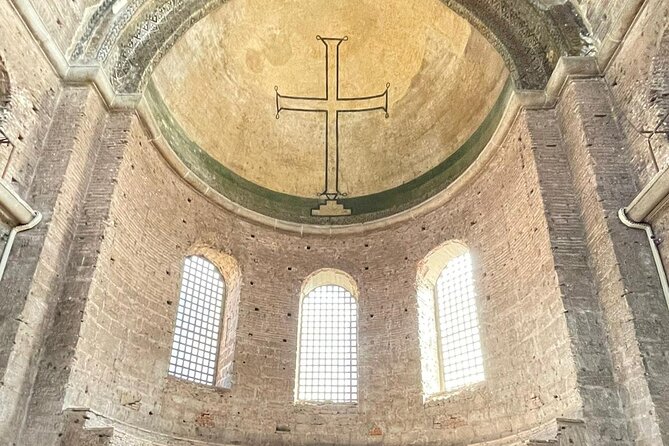
Your next “big moment” is Hagia Sophia Grand Mosque (also called Ayasofya). The stop is about 50 minutes, and you’re visiting the section that reflects both Roman and Ottoman layers. It’s famous for being built in the 6th century by Byzantine emperor Justinian, and then transformed under Ottoman rule into the form you see today.
What’s worth your time here isn’t just how impressive it is. It’s how the building helps you understand cultural change. You’ll likely notice how spaces feel designed for massive gatherings, how the architecture pulls your eye upward, and how different eras left visible marks.
Again, admission isn’t included. That said, the tour includes mobile ticket support and a licensed guide to help manage the entry flow. Even if you end up paying for the ticket, you should still feel the benefit of having a guide coordinate the process instead of you doing it cold.
Drawback to plan around: indoor rules and crowding can shift. If your group is sensitive to dense tourist flow, arrive ready to move with your guide’s timing rather than expecting slow wandering.
Basilica Cistern: the sunken palace where Roman tech feels real
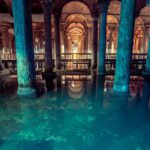
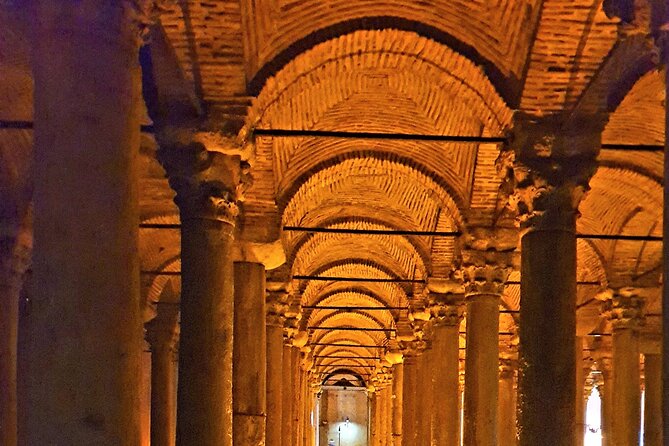
Then comes the Basilica Cistern, a 6th-century Roman water reservoir. This is one of those places that sounds like a niche stop until you’re inside it. The design uses 336 ancient columns, creating an eerie, hall-of-mirrors effect that looks like a sunken palace.
Your visit is about 50 minutes, which is just right: long enough to walk the main sections, but not so long you start to feel repetitive. This is also a great stop for the “how” questions. Your guide can explain the Roman engineering logic—how it worked as a reservoir and why the column layout matters for the space.
Admission isn’t included here either, so you’ll add that cost. But in exchange, you get an experience that feels different from all the above-ground monuments. It’s Istanbul as plumbing, mist, and shadow—highly photogenic and very memorable.
Grand Bazaar and the lunch break: shopping without wandering aimlessly
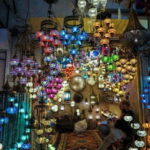
After the cistern, you shift into everyday Istanbul mode: the Grand Bazaar. This is one of the biggest indoor shopping malls in Europe, with an age of nearly 6 centuries, around 4,000 shops, and 21 entrances/exits gates. With that scale, the bazaar can feel like a maze if you don’t have a plan.
Your guided time is about 1 hour, and the stop is labeled as admission free. That hour is best used to get oriented: learn where your guide suggests you start, understand how the lanes work, and pick a few categories you actually care about (textiles, ceramics, lamps, spices, or small leather goods).
Lunch fits between the major monuments as a reset. The tour includes a lunch break with options such as Deraliye, Galeyan, or a simpler cafeteria lunch at the Pudding Shop. Just note: lunch isn’t included in the tour price, even though the schedule calls it a break. Think of it as a guided recommendation so you spend less time searching.
One tip that matters: if you want souvenirs, decide what you’ll buy before you walk in. Otherwise the bazaar can turn your shopping into a full-time job. An hour is enough for a smart sweep, not enough for a deep comparison marathon.
Price and value: what you’re paying for at $109
At $109 per person, you’re not just paying for sightseeing. You’re paying for a licensed guide organizing a fast route across major stops, plus private group handling and a mobile ticket to help with entry flow. That’s the real value—saving time and confusion when the sights are at their busiest.
The important catch is costs not included. Several major entrances—Topkapi Palace, Hagia Sophia, and Basilica Cistern—aren’t included. That means your all-in day cost depends on what those tickets add for your dates. Still, the tour value can hold up well if you’d otherwise spend time buying tickets yourself, waiting in line, and trying to navigate without expert direction.
Who the price works for:
- First-time Istanbul visitors who want a fast, coherent highlights route
- People who prefer guiding over self-planning when crowds are heavy
- Small groups who want flexibility and a private format
Who might question the price:
- Travelers who already know the sites well and are comfortable self-guiding with little ticket help
- Anyone with very slow walking pace (because the day is structured tightly)
Should you book this private guided Istanbul energy tour?
I’d book it if you want a focused, story-driven Istanbul day that covers the biggest landmarks without turning your vacation into a logistics puzzle. The route makes sense: Blue Mosque and Hippodrome give you context, Topkapi and Hagia Sophia explain Ottoman and Byzantine layers, Basilica Cistern adds a Roman tech twist, and the Grand Bazaar finishes with a real Istanbul experience.
The decision hinges on two things. First, be ready for paid entries at key stops, since they aren’t included. Second, be honest about walking stamina—this isn’t designed for wheelchair access or serious mobility limits.
If you do book, set yourself up for success: wear comfortable shoes, carry water, and use the guide’s structure to keep the day fun instead of exhausting. A good guide can turn a packed schedule into a smooth one—especially when you’re trying to cover this much ground in one go.
FAQ
FAQ
What’s the duration of the Private Guided Energy of Istanbul tour?
The tour lasts about 5 to 7 hours.
Is pickup available, and where does the tour start?
The tour starts at the German Fountain in At Meydanı Cd. Pickup is possible from Galataport Cruise ship Port of Istanbul or from central hotel locations, using public transportation.
Which entrances are included in the tour price?
A licensed guide is included. Entrance fees for Topkapi Palace, Hagia Sophia, and Basilica Cistern are not included.
Are the main stops included in the itinerary?
Yes. The tour route includes Blue Mosque, Hippodrome, Topkapi Palace, Hagia Sophia Grand Mosque, Basilica Cistern, and the Grand Bazaar, plus a lunch break.
Is this tour private?
Yes. It’s a private tour/activity, meaning only your group participates.
What is the cancellation policy?
You can cancel for a full refund up to 24 hours before the experience starts. If you cancel less than 24 hours before, the amount paid is not refunded.