REVIEW · ISTANBUL
Istanbul: 1 or 2 -Day Private Guided City Tour
Book on GetYourGuide →Operated by Moira Travel Agency · Bookable on GetYourGuide
Istanbul rewards curiosity on foot. This private city plan strings together the big classics—Blue Mosque and Hagia Sophia—with Ottoman palace time at Topkapi and a proper wander through the Grand Bazaar. I like the way the guide keeps the sights understandable, not just impressive, so mosaics, domes, and tilework feel connected. I also like that it’s flexible between a shorter day and a longer 2-day version, so you can match it to your pace and energy.
One thing to keep in mind: the flow can shift with opening hours and conditions, and the Blue Mosque can have altered hours on some days. Also, the tour price covers the guide (and transport if you choose it), but entrance tickets are not included, so budget for that on top.
In This Review
- Key things to know before you go
- How this Istanbul tour earns its keep
- Meeting point and the walking reality (German Fountain style)
- Grand Bazaar plus Basilica Cistern: the contrast day
- Grand Bazaar: a maze you can actually enjoy
- Basilica Cistern: quiet drama underfoot
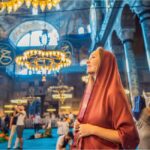
- Hagia Sophia and the Blue Mosque: domes, mosaics, and tilework
- Hagia Sophia Museum: “divine wisdom,” in stone and scale
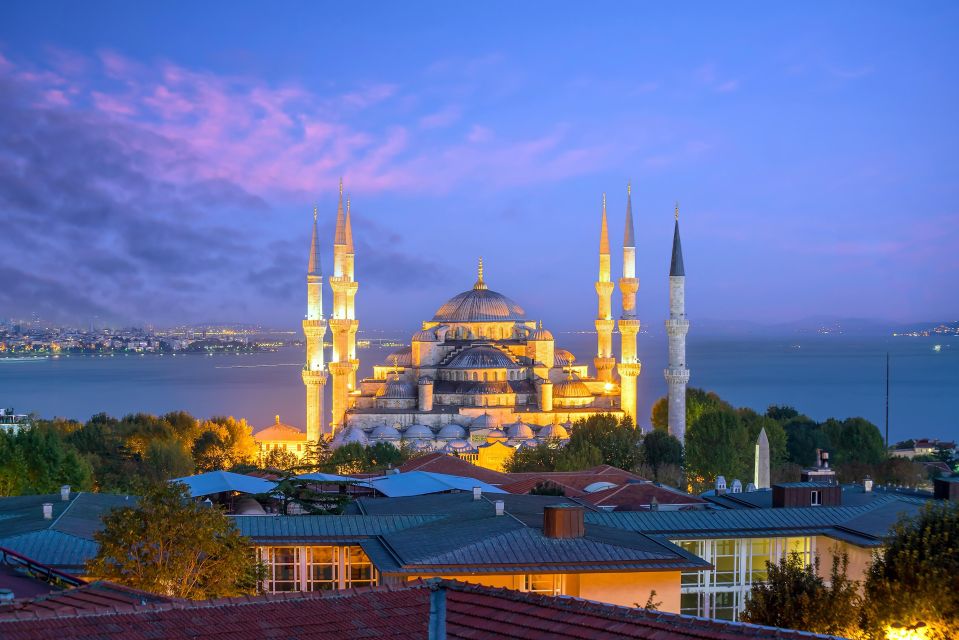
- Sultanahmet Mosque (Blue Mosque): the famous blue tiles
- Topkapi Palace and the Hippodrome obelisk: power on multiple timelines
- Topkapi Palace: Ottoman sultans in real rooms
- Hippodrome area: Roman circus leftovers
- Dolmabahce, Beyoğlu, and the Bosphorus: when the city changes gears
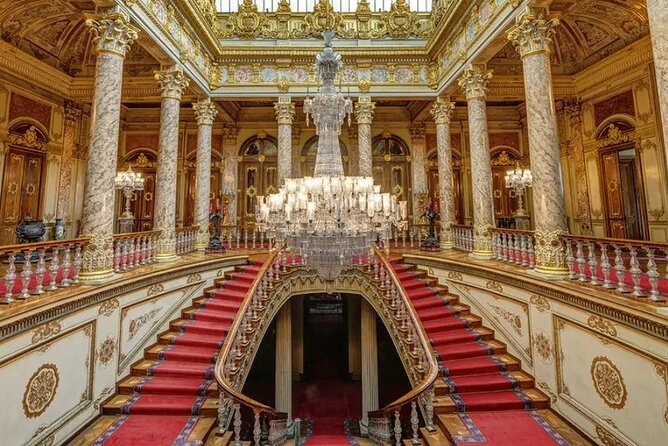
- Dolmabahce Palace: Ottoman administration and late-era style
- Beyoğlu and Taksim: city life without the museum gloss
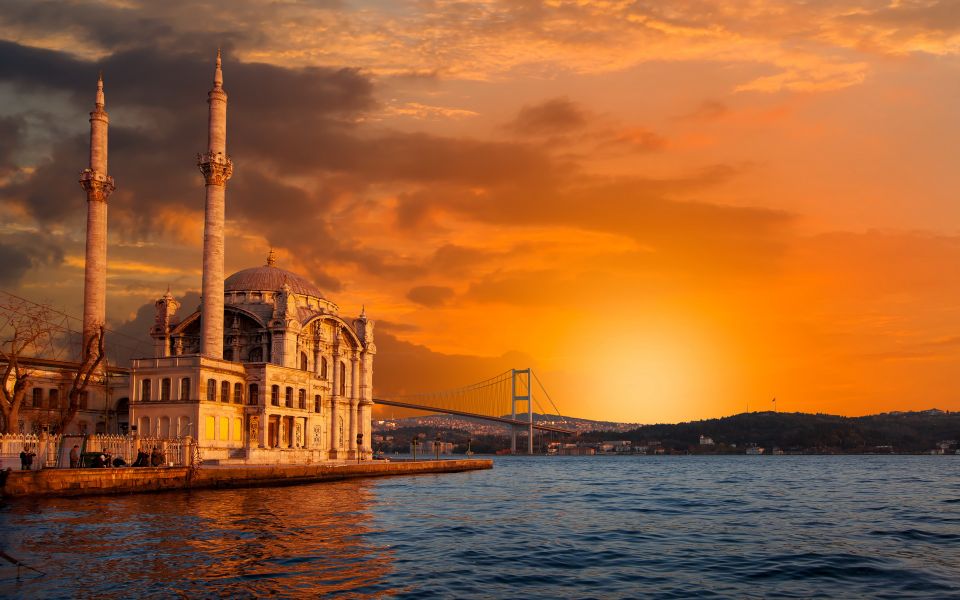
- Bosphorus Strait: forts, palaces, and Europe-meets-Asia views
- Private guide value: when context turns into clarity
- Price and what you’re really paying for
- Who this tour fits best (and who should reconsider)
- Should you book this private Istanbul tour?
- FAQ
- How long is the Istanbul private guided city tour?
- Where does the tour start?
- Is this tour private?
- What sights are included?
- Are entrance tickets included?
- Is transportation included?
- What languages are the guides?
- Does the tour help me avoid long lines?
- What should I bring for the tour?
- Can I cancel for a refund?
Key things to know before you go
- Private, licensed guide with English, French, German, Spanish, and Portuguese
- Skip-the-ticket-line approach for major sites
- Sultanahmet cluster: Hagia Sophia, Blue Mosque, Sultanahmet District, and Topkapi area highlights
- Two high-impact extras: Basilica Cistern and the Grand Bazaar
- Optional expansion (with a longer option) toward Dolmabahce, Beyoğlu, Taksim, and the Bosphorus
- Comfort matters: shade is limited, so bring a sun hat and plan for lots of walking
How this Istanbul tour earns its keep
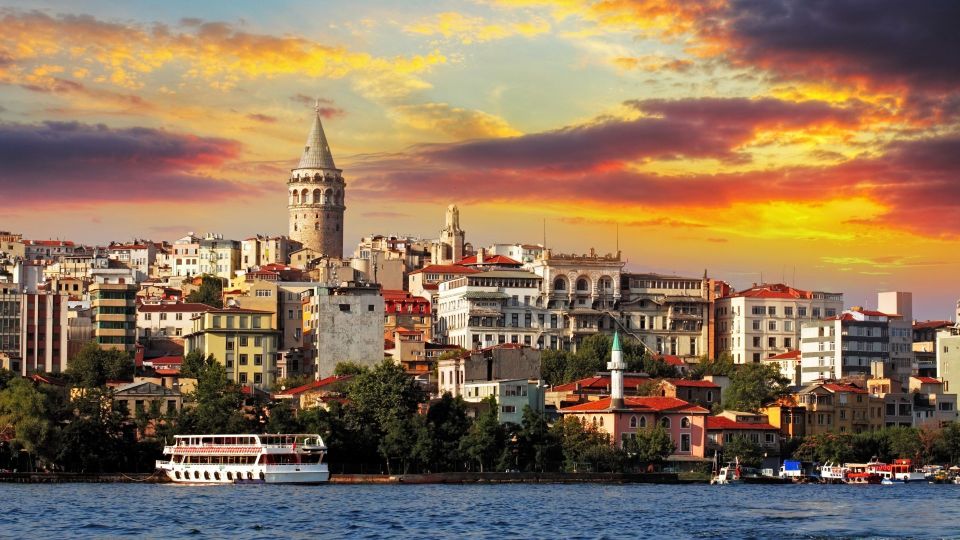
I like tours that do two jobs at once: they get you into the right places, and they help you read what you’re looking at. This one does that for Istanbul’s most visually intense zone—the historic peninsula—by mixing church-and-mosque architecture, palace power, and the sensory overload of covered markets.
If you only have a short visit, the value is that you can hit several signature landmarks without having to coordinate tickets, routes, and timing yourself. If you’ve got more time, the longer option keeps the momentum going beyond Sultanahmet toward Bosphorus views and modern-city energy around Beyoğlu and Taksim. Either way, you’re buying time saved and context gained—two things that matter in a city where the walking can add up quickly.
You can also read our reviews of more guided tours in Istanbul


Meeting point and the walking reality (German Fountain style)
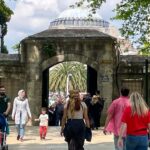
You’ll meet at the front of the German Fountain, which is a handy anchor in the Sultanahmet area. If pickup is included, it’s optional and can be from your hotel or the meeting point area, so you won’t necessarily have to figure out the easiest “where do we start” on your own.
The tour runs as a guided walking day, so you’ll want to go in prepared. Comfortable shoes are a must, and a sun hat plus sunscreen is smart because shade is limited in parts of this route. Also keep an eye on your step—this area has uneven pavement and tight corners, especially as you move from major sites into market streets.
Practical tip: if you’re choosing the 1-day option, decide early what you care about most—architecture inside (Hagia Sophia, Topkapi) or the “see it, shop it, snack it” rhythm (Grand Bazaar, street sections). The guide can shape the day around you, but your own priorities help them do it well.
Grand Bazaar plus Basilica Cistern: the contrast day
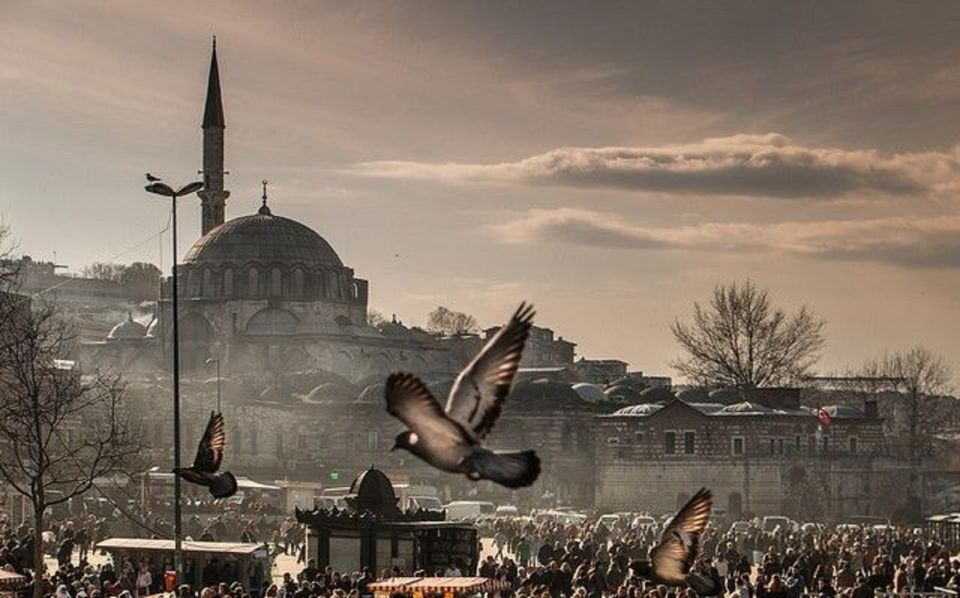
This tour hits two very different worlds that make Istanbul feel like Istanbul fast.
Grand Bazaar: a maze you can actually enjoy
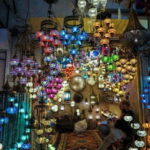
The Grand Bazaar is one of the oldest and largest covered markets in the world, and it’s built for wandering. Expect hundreds of small shops in a dense layout where textiles, carpets, and everyday crafts show up at every turn. The vibe is intense: sound, color, bargaining, and constant looking.
What makes this stop valuable on a guided tour is orientation. Without a plan, it’s easy to spend the whole time lost and overwhelmed. With a guide, you can spend your energy on what matters—like how to spot quality items, how stalls are organized, and how this market fits into the city’s Ottoman-era trade legacy.
If you’re shopping, set a simple rule for yourself: buy only what you can compare in a couple of places. Otherwise, you can end up paying for the thrill of the hunt, not the item.
Basilica Cistern: quiet drama underfoot
Then you shift from crowds to a cool underground chamber: the Basilica Cistern. This is the ancient water storage museum type of stop—low light, stone columns, and reflections that make the space feel cinematic.
The payoff here is contrast with the open-air landmarks. It slows your pace in a good way, and it gives you an Ottoman- and Byzantine-era perspective on how the city functioned, not just how it looked. On a walking day, having one cool indoor stop is a lifesaver.
Time-wise, you should expect a guided visit plus time to look around on your own afterward. If you’re someone who likes photos, this is one of the better places to take them without feeling rushed.
You can also read our reviews of more city tours in Istanbul

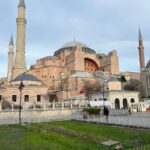
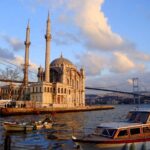

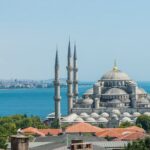

Hagia Sophia and the Blue Mosque: domes, mosaics, and tilework
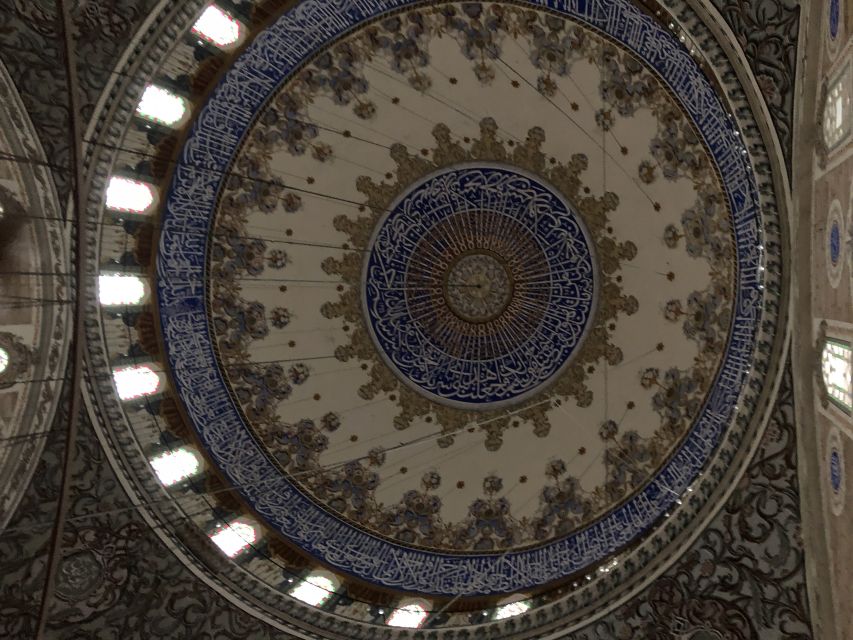
If Istanbul is a sentence, these are the words you remember.
Hagia Sophia Museum: “divine wisdom,” in stone and scale
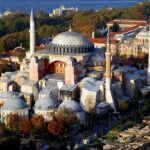
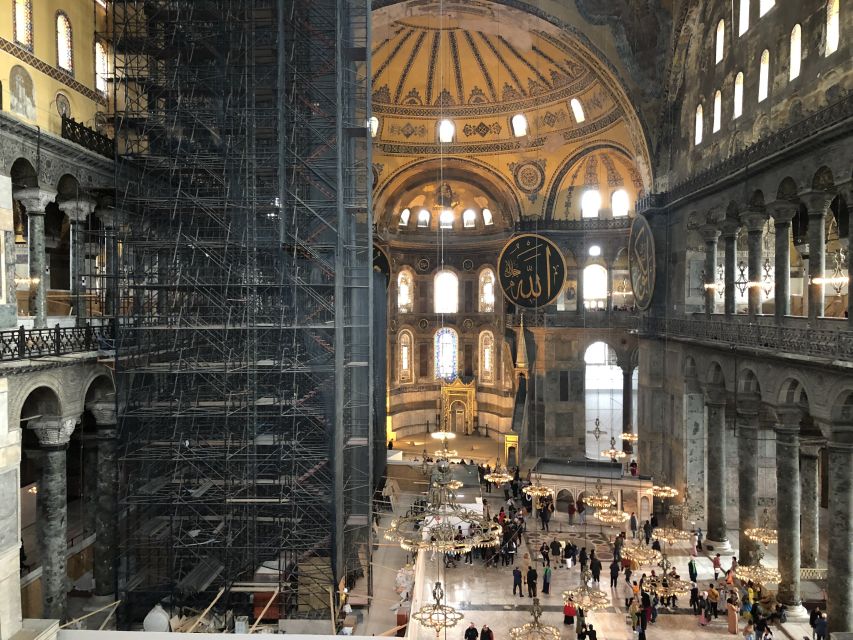
Hagia Sophia is described as dedicated to Hagia Sophia, meaning divine wisdom, and it’s a key monument across Byzantine and Ottoman eras. The reason the building still stops people in their tracks is scale: for centuries it was considered the largest church in the world, and its Byzantine architecture remains a headline feature.
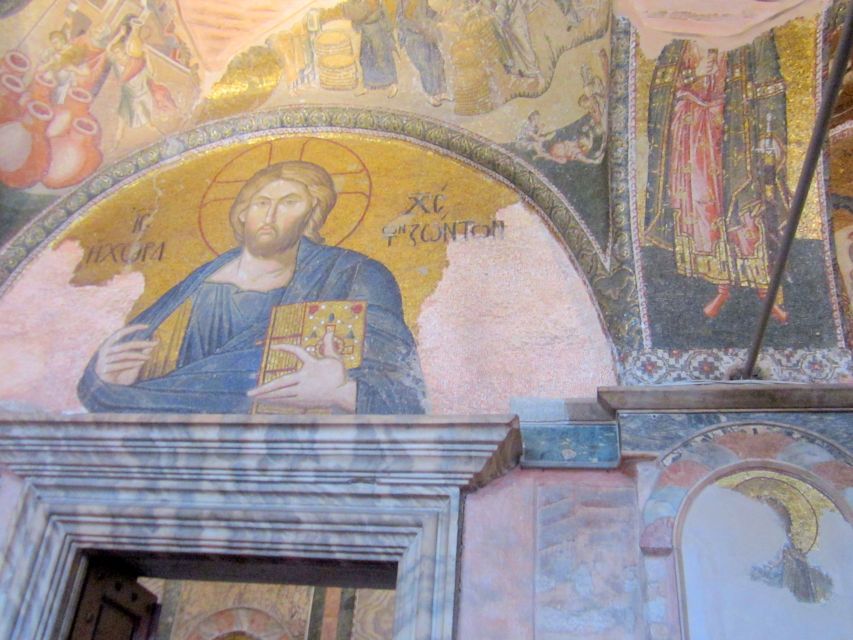
On a guided visit, you’re not just walking through rooms—you’re learning how the mosaics and structural design work together. It helps you notice things you might otherwise miss, especially the big-picture design of the nave and dome, and how later Ottoman additions changed the space’s feel.
A simple strategy: go in once with your camera put away for a few minutes, then take photos when you’ve let the interior register.
Sultanahmet Mosque (Blue Mosque): the famous blue tiles
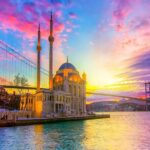
The Sultanahmet Mosque—often called the Blue Mosque—is famous for blue tiles that decorate its interior and exterior surfaces. It sits near Topkapi Palace area landmarks, and it was considered a supreme imperial mosque.
What I like about pairing Hagia Sophia and the Blue Mosque on the same day is that it sharpens your comparison skills. You start seeing what stays consistent across different empires—how power expresses itself through architecture—while also noticing the differences in design choices and decoration.
Important scheduling note: the day’s order may change to avoid congestion. Also, opening hours can shift. One example in recent experience showed that on a Friday the Blue Mosque may open later (until 14:30), which can affect how smoothly the plan runs. If your dates include a Friday, I’d keep your expectations flexible.
Topkapi Palace and the Hippodrome obelisk: power on multiple timelines
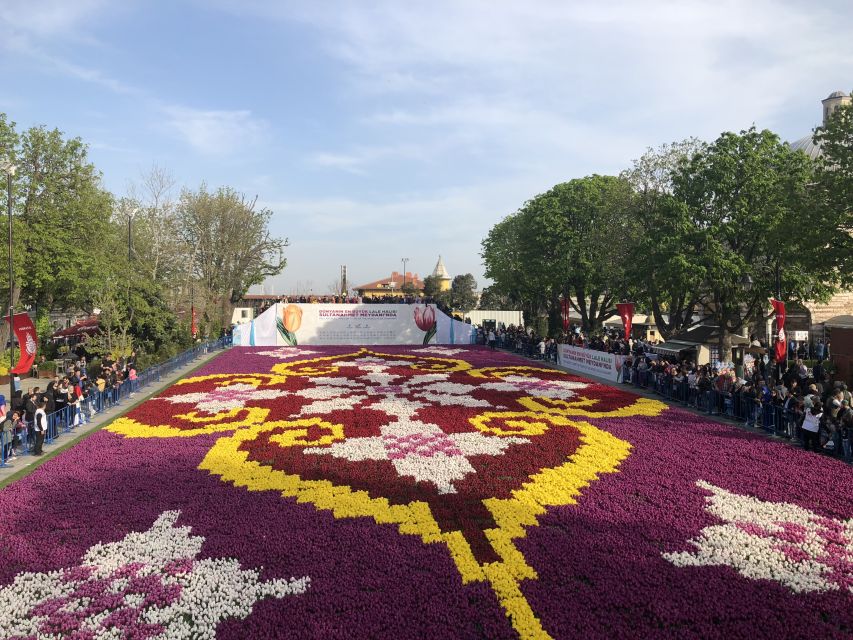
This part of the tour is where Istanbul stops being only “pretty buildings” and starts acting like a timeline you can walk through.
Topkapi Palace: Ottoman sultans in real rooms
Topkapi Palace was an Ottoman palace and sits on a promontory overlooking the Golden Horn. You’ll get a tour of the site that connects it to the Ottoman court. At its peak, it reportedly had a population of around 4,000 people and was home to 25 sultans over about 400 years—numbers like that make it easier to picture palace life as a living system, not just a museum set.
Inside, you can expect museum time with highlights such as gorgeous Iznik tiles and ornate rooms linked to the harem. If you’re the type who likes art and decorative detail, this is one of the better places to slow down.
A realistic caution: Topkapi can feel like information overload if you don’t have a guide to set priorities. This is exactly where a strong guide matters—someone who can tell you what to look at first, and how the rooms connect.
Hippodrome area: Roman circus leftovers
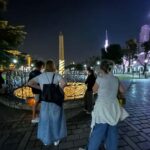
The Hippodrome of Constantinople was a circus built by the Romans (with a date given as 203 AD), and while the original showground is gone, some monuments remain. You’ll see remnants such as the Egyptian Obelisk, the Serpentine Column, and the Constantine Column. There’s also the German Fountain of Wilhelm II, built from eight marble columns.
This stop is quick but meaningful. You’re seeing how Constantinople’s Roman past got reused, displayed, and repurposed for later eras. It’s also a good “pause and orient” moment before you head deeper into Istanbul’s monumental core.
Dolmabahce, Beyoğlu, and the Bosphorus: when the city changes gears
On a longer option, you’ll move beyond the strict historic core into waterfront and city-life energy.
Dolmabahce Palace: Ottoman administration and late-era style
Dolmabahce Palace was the administrative center of the Ottoman Empire, and it housed some of the last Ottoman sultans. The setting matters too: the palace site was created by filling in a bay on the Bosphorus, which turns the waterfront idea into a very direct part of the story.
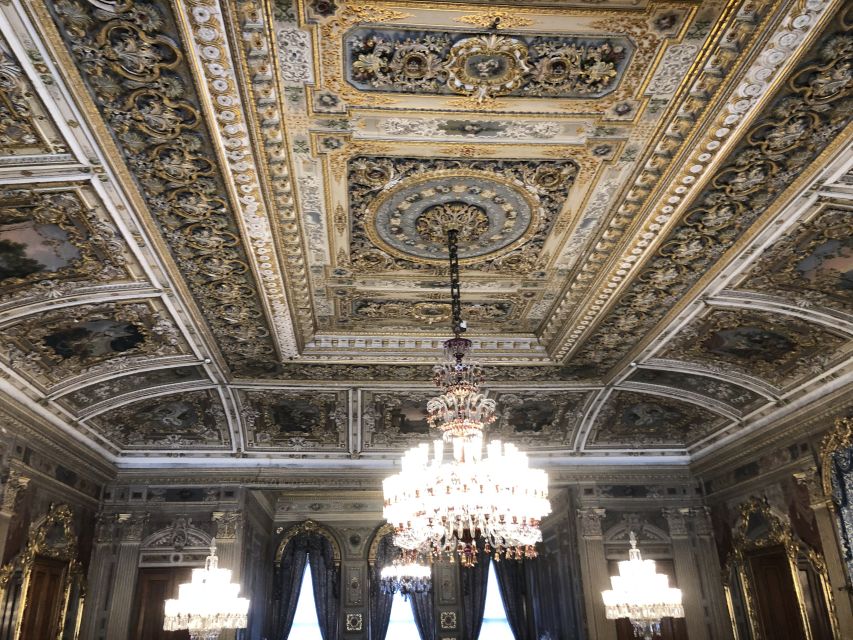
If you’ve already seen older Ottoman visuals at Topkapi, Dolmabahce can feel like a shift—later tastes, later grandeur, and a different kind of political theater. It’s a good way to understand how empires evolved their identity over time.
Beyoğlu and Taksim: city life without the museum gloss
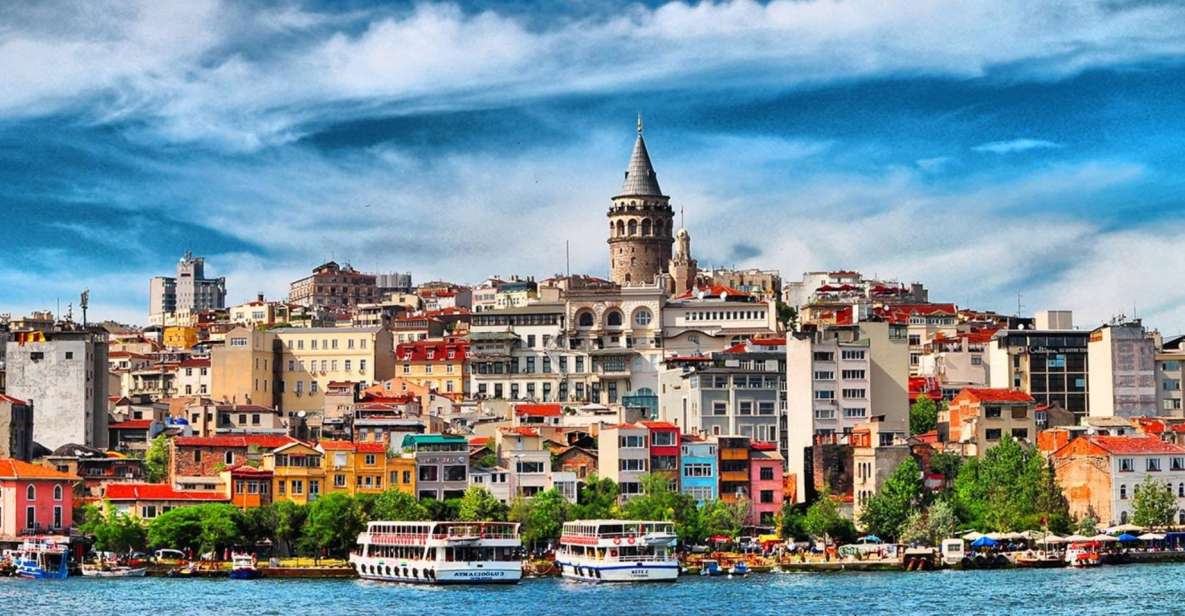
Beyoğlu and Taksim are where Istanbul starts feeling modern and human in a street-level way. You’ll spend time around Beyoğlu and see Taksim Square, plus you’ll get a look at Istiklal Street, known for shops, restaurants, and bars. The route description even points out a scenic walk from Istiklal Street down toward the Galata Tower area.
What makes this section work on a private tour is pacing. You get time to reset, snack, browse, and absorb the everyday rhythm—without losing your orientation.
Bosphorus Strait: forts, palaces, and Europe-meets-Asia views
The Bosphorus is the narrow strait connecting the Black Sea to the Marmara Sea, dividing Europe and Asia. This part of the tour includes photo stops and time near the water, with Rumeli and Anadolu Fortresses noted at the narrowest point, plus Ottoman palaces and mosques along the Bosphorus.
Even when you’re only getting viewpoints (rather than a long boat ride), it’s still one of the most satisfying ways to understand Istanbul’s geography. The water makes the city feel engineered by nature, not just built on land.
Private guide value: when context turns into clarity
This is the heart of why the tour makes sense. A private guide can do more than point at walls. With a good guide, you learn how to read buildings like evidence: why certain features exist, what changes happened between empires, and how the city’s layout guided everyday life.
You’ll also benefit from the skip-the-ticket-line approach for major sites. Combined with the fact that entrance tickets aren’t included, this often helps you avoid wasted time at each ticket desk so you can spend more time inside and less time waiting outside.
There’s also a real-world quality check worth mentioning: recent experiences with individual guides show big variation. Some guides were praised for clear explanations at Hagia Sophia, Topkapi, and Sultan Ahmed Mosque, while other experiences had issues like rushed timing or focusing on shopping too much. That’s not something you can fully predict, but it’s a reminder to choose a tour day where you can communicate your priorities clearly.
Price and what you’re really paying for
At $35 per person, the headline price looks budget-friendly for a private licensed guide with a full historic route. The value comes from two things you don’t control as easily on your own: guided interpretation and time management.
Still, keep your budget realistic. Entrance tickets are not included, and Istanbul’s top sights usually cost extra. So the true cost is often: tour price + museum tickets + any optional add-ons like shopping or transportation upgrades.
Also note that transportation is included only if you choose the option that books it. If you’re booking without transport, you’re signing up for more walking between areas, which can be great if you like moving, but tough if you’re heat-sensitive or short on stamina.
Who this tour fits best (and who should reconsider)
This tour is a strong match if you want:
- Major landmarks in one organized day
- A guide who can explain architecture and Ottoman/Byzantine connections
- A plan that supports both big sightseeing and time to wander
It may be less ideal if:
- You want zero walking and minimal indoor time
- You have mobility needs and want extra certainty about step-free routes (the info here is mixed: it’s described as wheelchair accessible, yet it’s also marked not suitable for people with mobility impairments—so you should verify route specifics with the provider before booking)
- Your expectations are that you’ll spend lots of time shopping at the expense of monuments
Should you book this private Istanbul tour?
I’d book this if your priority is seeing Istanbul’s most important sights with a guide and avoiding the mental load of sorting out timing, entrances, and order. The mix of Hagia Sophia, Blue Mosque, Topkapi, Basilica Cistern, and the Grand Bazaar is the kind of “high recognition, high meaning” pairing that makes your photos and memories feel earned—not accidental.
I’d think twice (or at least message priorities first) if you’re traveling on a Friday and you’re counting on a specific opening hour for the Blue Mosque, or if you’re trying to keep the day ultra-schedule-perfect. With a bit of flexibility—and solid shoes—this can be a very efficient, genuinely fun way to get your bearings in Istanbul.
FAQ
How long is the Istanbul private guided city tour?
The duration is listed as 7 hours for a day option, with an option that can run up to 2 days depending on availability.
Where does the tour start?
The meeting point is in front of the German Fountain.
Is this tour private?
Yes, it’s a private group available.
What sights are included?
You’ll cover major Istanbul highlights such as Hagia Sophia, the Blue Mosque (Sultan Ahmed Mosque), Topkapi Palace, Basilica Cistern, and the Grand Bazaar, with additional stops depending on the chosen option.
Are entrance tickets included?
No, entrance tickets are not included.
Is transportation included?
Transportation is included if you book an option that specifies transportation.
What languages are the guides?
The tour offers live guides in English, French, German, Spanish, and Portuguese.
Does the tour help me avoid long lines?
Yes, it’s described as skipping the ticket line.
What should I bring for the tour?
Wear comfortable shoes and bring a sun hat. Sunscreen is also recommended since shade is limited.
Can I cancel for a refund?
Yes. Free cancellation is available up to 24 hours in advance for a full refund.