REVIEW · ISTANBUL
Istanbul: Blue Mosque & Hagia Sophia Guided Tour w/ Tickets
Book on GetYourGuide →Operated by Walks In Europe · Bookable on GetYourGuide
Two icons, one smooth plan. This priority admission tour strings the Blue Mosque and Hagia Sophia into a tight, easy route with a guide doing the heavy lifting. You get the wow-factor first, then the meaning right after.
I love the way the visit stays practical: headsets help you catch every story without leaning in all the time. Guides like Kaan, Murat, and Hasan come up again and again for clear explanations and pacing that actually feels human.
One thing to plan for: the sites are strict about dress code and security checks, and the tour isn’t set up for wheelchair users or visitors with mobility impairments.
In This Review
- Key highlights worth your time
- Two Tickets, One Route: Priority Entry Makes a Difference
- Galataport to Sultanahmet: The Cruise-Friendly Tram Plan
- Blue Mosque Stop: Tiles, Symbolism, and Courtyard Views
- Hippodrome Walk: Where Politics and Crowd Life Once Met
- Hagia Sophia With Pre-Reserved Tickets: From Cathedral to Mosque
- How the Small-Group Pace Feels (Headsets and Comfort Breaks)
- Dress Code, Security, and What to Bring
- Price and Value for a $39 Two-Icon Tour
- Who Should Book This Tour, and Who Should Skip It
- Should You Book Walks In Europe’s Blue Mosque and Hagia Sophia Tour
- FAQ
- How long is the Blue Mosque and Hagia Sophia guided tour?
- What’s included in the tour price?
- Do I get skip-the-line access?
- Where do I meet the tour if I’m coming from a cruise?
- Do I need a headscarf?
- What clothing is not allowed inside?
- What languages are the tours offered in?
- Is this tour suitable for wheelchair users or people with mobility impairments?
Key highlights worth your time
- Skip-the-line entry for Hagia Sophia with a guide and pre-reserved tickets
- Blue Mosque focus with guided stops inside and time for the courtyard vibe
- Hippodrome context so you understand why obelisks and monuments matter
- Cathedral-to-mosque story at Hagia Sophia with mosque-and-church architecture explained
- Galataport tram option that helps cruise passengers avoid stalled tour-bus traffic
- Small-group feel (often around a dozen people) plus headsets for easy listening
Two Tickets, One Route: Priority Entry Makes a Difference

If you only have a half-day in Sultanahmet, the smart move is buying time back. This tour gives you pre-reserved tickets to Hagia Sophia, and that matters because entry lines can turn a 20-minute visit into a slow grind.
I also like that you’re not just “walking from one building to another.” The guide-led flow links what you see to why it happened: Ottoman rule layered on top of Byzantine craftsmanship, and you notice it faster when someone explains what to look for. That’s the difference between collecting photos and actually understanding the place.
And the itinerary is short enough (about 2.5 to 3 hours) that it works even if your day is packed. You’ll finish with enough context to explore the surrounding streets on your own afterward.
A few more Istanbul tours and experiences worth a look


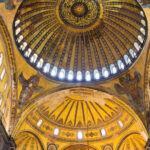
Galataport to Sultanahmet: The Cruise-Friendly Tram Plan
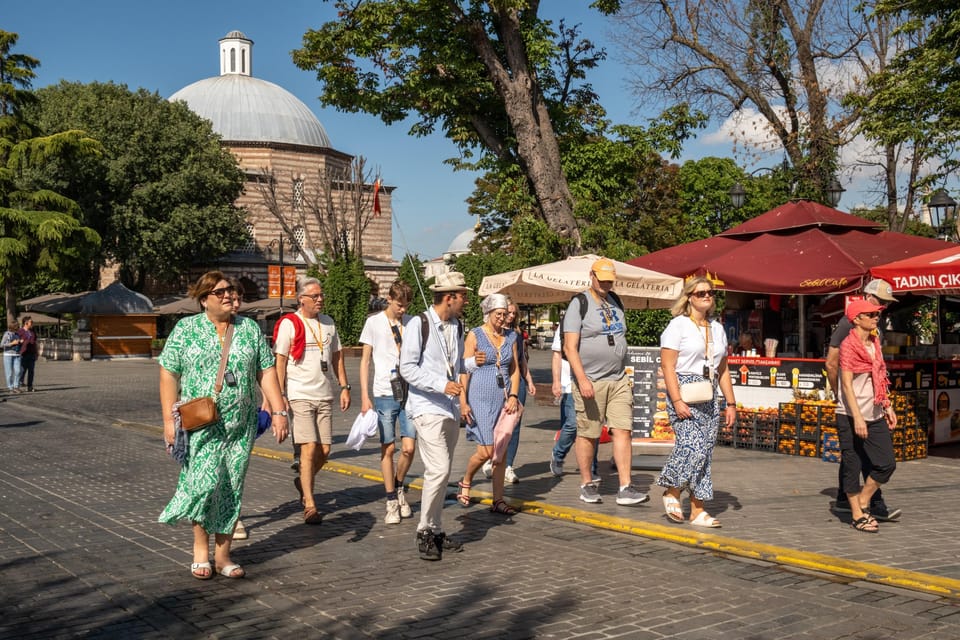
If you’re arriving by cruise, this is one of the most useful parts of the setup. You can meet at Galataport (Clock Tower Square) and take the tram with your guide to the old city instead of being trapped in bus traffic.
That “tram plan” is exactly what you want on a port day: it’s predictable, and it helps you avoid the worst of Istanbul road congestion. It also keeps your group together while everyone funnels toward the Sultanahmet area at a steady pace.
If you’re not on a cruise, you’ll start from Sultanahmet Square or another stated meeting option, and the tour still keeps travel time tight. Either way, you spend more time at the monuments and less time figuring out where to go next.
Blue Mosque Stop: Tiles, Symbolism, and Courtyard Views

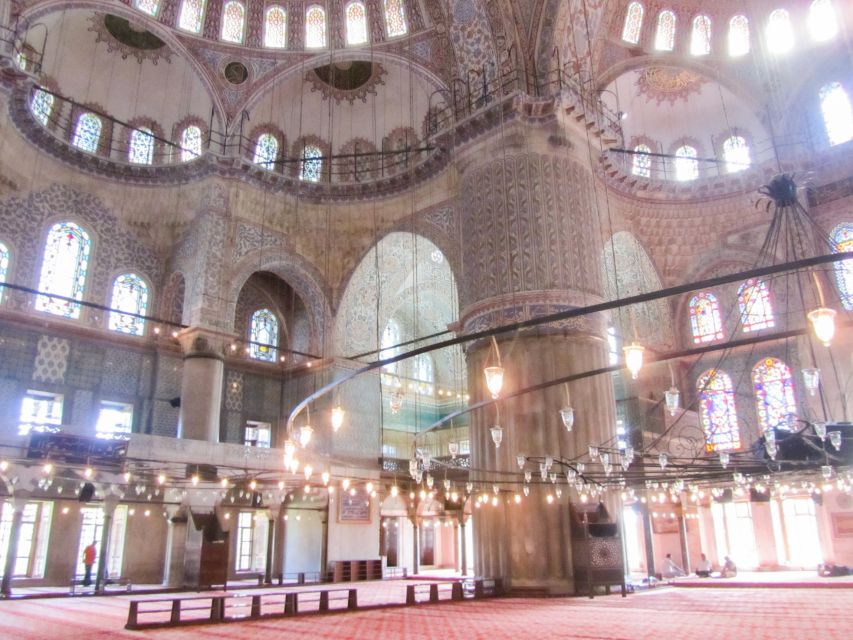
The Blue Mosque (Sultan Ahmed Mosque) is the kind of building that can overwhelm you at first glance. That’s why going with a guide helps: you don’t just admire the façade—you learn what the mosque’s details were designed to communicate.
Expect a guided visit with a focus on the architecture and the Ottoman story behind it. The mosque was commissioned by Sultan Ahmet, and the tour uses that anchor to connect the tiles, the interior design choices, and the wider cultural picture.
You’ll also get a chance to pause outside. The tour includes time in the mosque’s courtyard so you can absorb modern Istanbul views without feeling like you’re trapped indoors the whole time. Even if you’re not a “mosque person,” the courtyard moment is where the visit breathes.
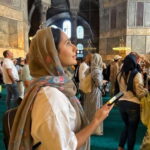
What to watch for: interior visiting rules can slow things down if your outfit isn’t ready. Have your headscarf available and wear clothing that covers shoulders and knees, so you don’t waste time on-the-spot.
Hippodrome Walk: Where Politics and Crowd Life Once Met
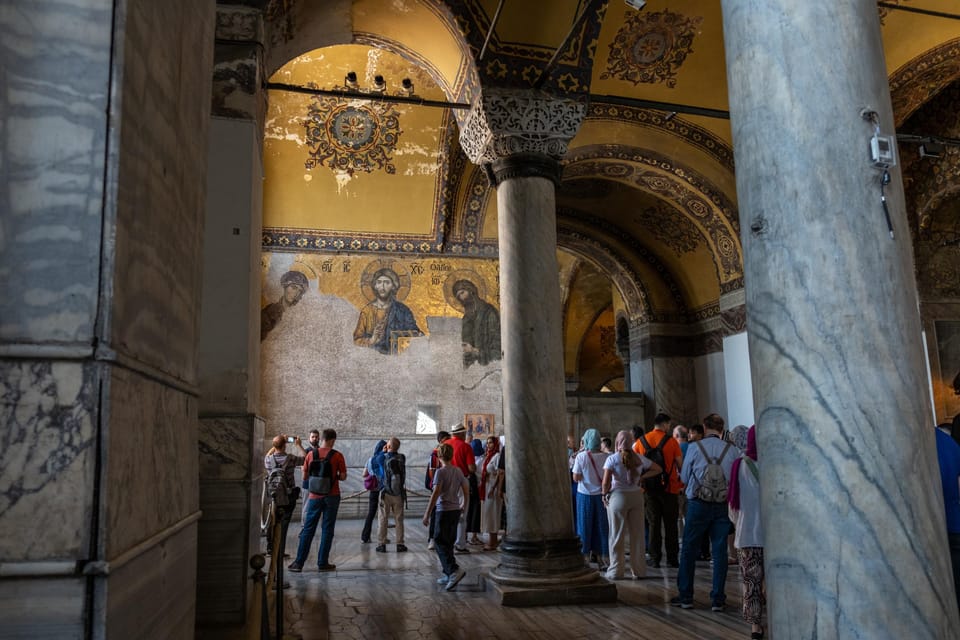
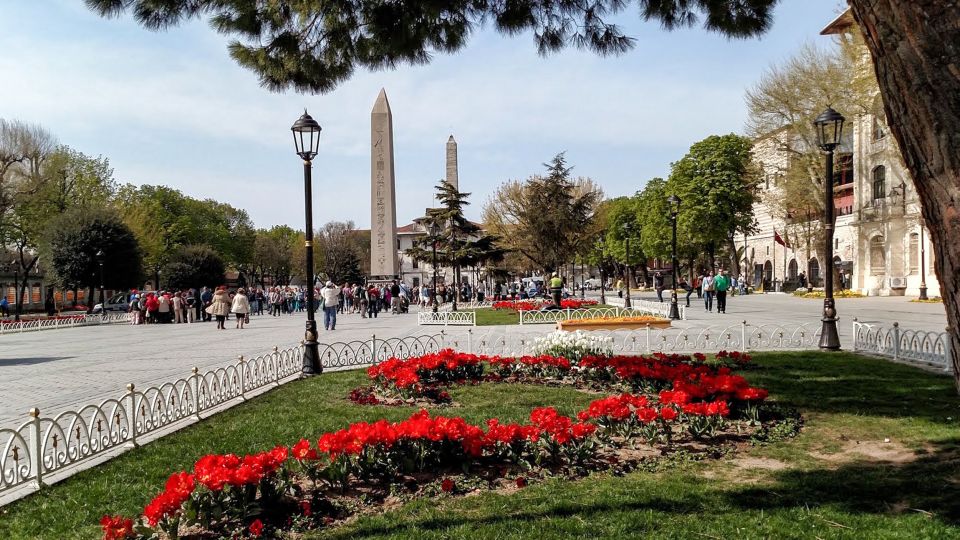
One of the smartest parts of this tour is that it doesn’t treat the monuments like isolated postcards. You also stop by the Hippodrome, a former social and political hub.
The guide explains why the Hippodrome was central to public life—think crowds, messaging, and power played out in stone and monuments. You’ll also hear about the significance of the iconic obelisks, which otherwise can look like random leftovers.
This is the stop that often makes the rest of Sultanahmet click. When you understand the Hippodrome’s role, the surrounding buildings don’t feel scattered. They feel like part of a single city story that ran for centuries.
Potential downside: the Hippodrome portion is a “sense-making” stop, not a major interior museum visit. If you want only indoor, ticketed highlights, you may wish the tour leaned even more into Hagia Sophia and the Blue Mosque—but for most first-timers, it’s a great balance.
Hagia Sophia With Pre-Reserved Tickets: From Cathedral to Mosque
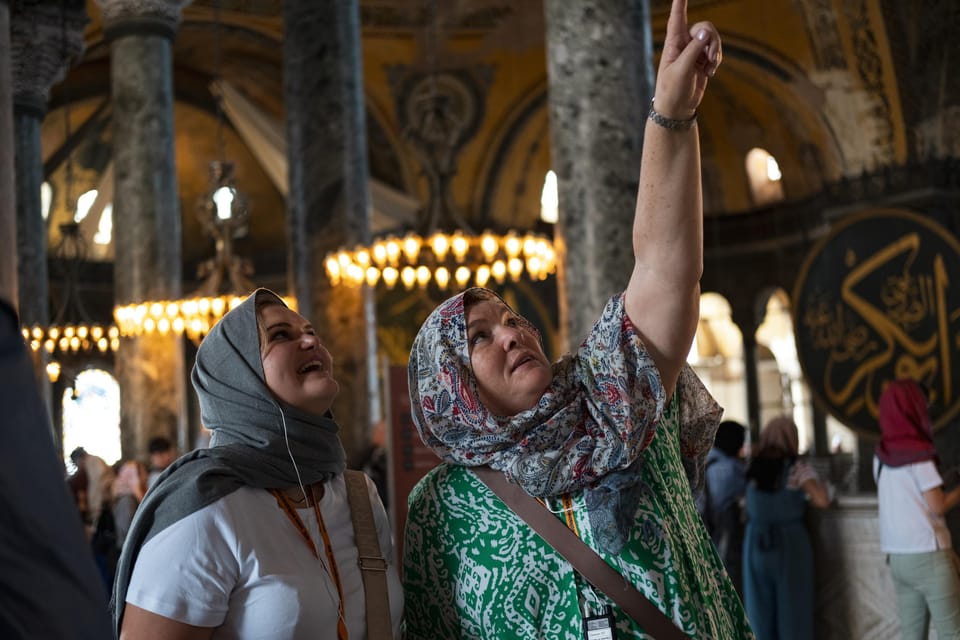
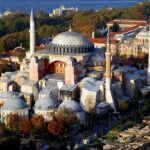
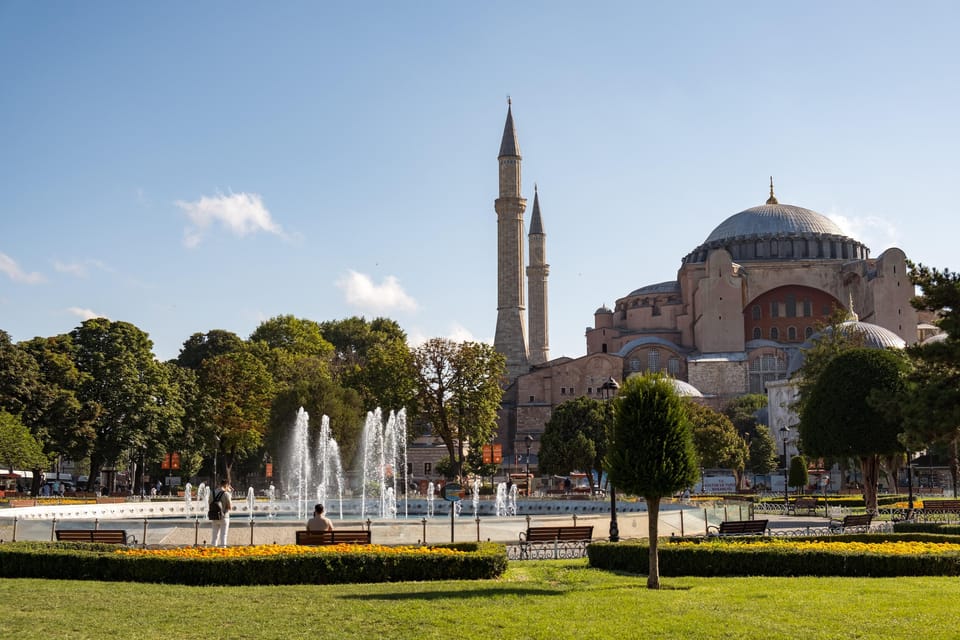
Hagia Sophia is the headline, and rightfully so. The best part here is that you’re not trying to secure entry on the fly. You go in with pre-reserved tickets and a guide who walks you through what you’re seeing.
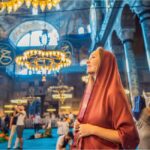
Inside, the tour focuses on the big transformation: the site began as a Greek Orthodox cathedral, then shifted to a mosque after the Ottoman conquest of Constantinople. You’ll learn how the architecture carries both eras—domes, minarets, and the famous mosaic work that shows the layers.
Even if you know a little already, the guided explanation changes the way you look at the space. You stop thinking of Hagia Sophia as a single style and start noticing the transition. That’s why people often say it feels different after a guided visit: it turns the building into a timeline you can see.
What you’ll probably appreciate most: the guide’s pacing inside. One of the most repeated themes from guides’ performance in this tour is time management—enough to absorb, not so long that you feel stuck. Add in the headsets, and you can keep your eyes up while still hearing the story.
You can also read our reviews of more guided tours in Istanbul




How the Small-Group Pace Feels (Headsets and Comfort Breaks)
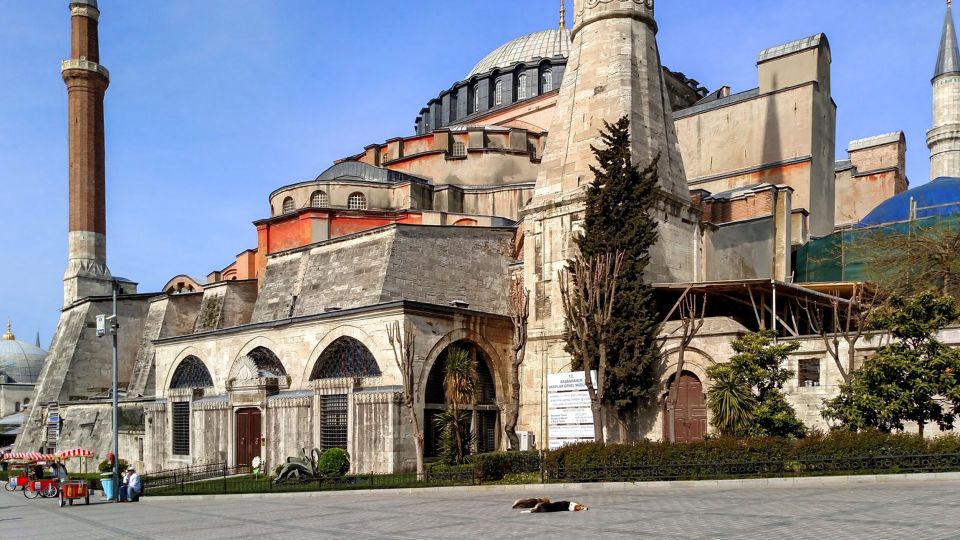
The tour is built around a small-group feel. Some groups run around a dozen or so, which helps you stay together and keeps questions from getting lost. It also makes it easier for the guide to adjust pace if someone needs a breather.
I like that the setup includes headsets, which is a big deal at places where crowds and acoustics can make it hard to hear. You get the guide’s narration clearly without turning your head every two seconds.
The best guides also manage the “real life” parts of a monument tour. In the experience you’re buying here, people highlight that guides help with timing and comfort—finding shaded spots for explanations when possible and building in breaks so the visit doesn’t feel like nonstop standing.
One thing to consider: this is still a walking tour. Even with good pacing, you’ll move between stops and stand for parts of the visits, so if you tire easily, plan accordingly.
Dress Code, Security, and What to Bring
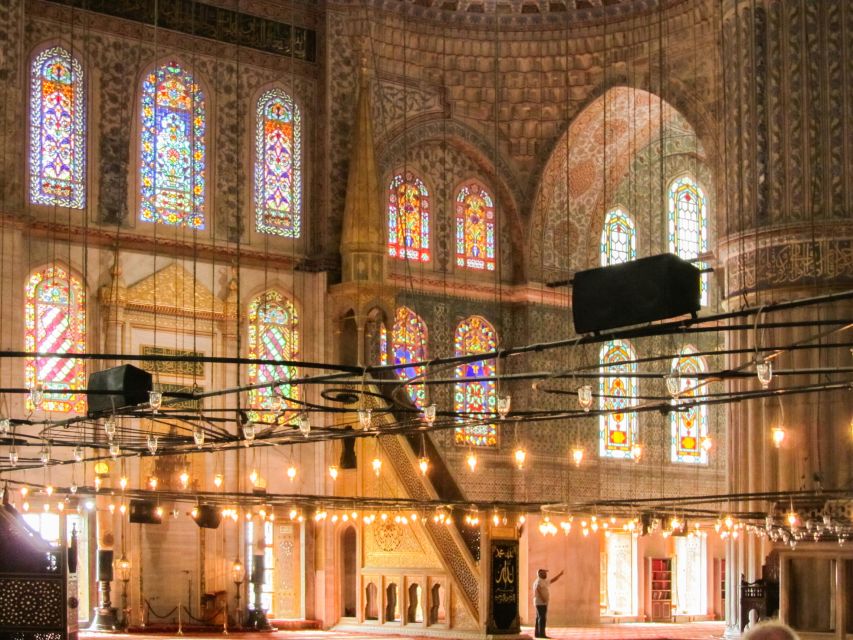
This is where you can make or break your day, so take it seriously.
You’ll pass through airport-style security. That means plan for waiting and be ready with your items. If you arrive dressed for the tour rules, you lose less time to adjustments.
For the mosque areas, the requirements are clear:
- Women should bring a headscarf (and you’ll need one to enter)
- Clothing must cover shoulders and knees
- Shorts, short skirts, and sleeveless shirts are not permitted
At Hagia Sophia, you also need to respect what’s allowed inside. The tour notes restrictions against bringing signs, symbols, banners, flags, documents, drawings, or anything that represents political, ideological, or religious beliefs.
Practical tip: wear comfortable shoes. The tour is short, but Sultanahmet is not flat like a mall.
Price and Value for a $39 Two-Icon Tour
At $39 per person, you’re paying for more than “a guide walking beside you.”
Here’s what’s included that usually costs extra if you do it yourself:
- Licensed tour guide for both main monuments
- Pre-reserved tickets for Hagia Sophia
- Guided tour of the Blue Mosque and Hagia Sophia
- Headsets so you can hear clearly
- Options for Galataport pickup and tram for cruise passengers
Value is strongest if you fit the tour’s rhythm: you want a fast, first-time-friendly route with less hassle and fewer line headaches. If you’ve got only a small window and you’d rather spend your energy inside Hagia Sophia than hunting ticket entry points, this pricing is easy to justify.
If you already know the history and you’re comfortable navigating tickets and entry rules yourself, you might save money by going independent. But for most people, the time saved plus the guide’s interpretation is the real win.
Who Should Book This Tour, and Who Should Skip It
This tour works best for:
- First-timers in Istanbul who want the two big icons handled in one go
- People who prefer a guide translating meaning into what they see
- Cruise passengers who want a smoother old-town plan with tram access
- Visitors who like structured pacing instead of wandering aimlessly
It’s not a fit for:
- Children under 7
- Wheelchair users or visitors with mobility impairments (the tour is not suitable per the provided info)
- Anyone who can’t meet the dress code requirements (shoulders and knees covered, headscarf requirement for women)
Language is also a consideration: the tour runs in English and German, so it’s straightforward if you’re comfortable with either.
Should You Book Walks In Europe’s Blue Mosque and Hagia Sophia Tour
My take: book it if you want a low-stress, high-meaning visit to Sultanahmet. The biggest selling points are the priority access to Hagia Sophia and the guided pacing across the Blue Mosque, Hippodrome, and Hagia Sophia—so you leave with context, not just a stack of photos.
I’d skip it only if you can’t handle mosque dress rules/security checks, you need wheelchair accessibility, or you want total freedom to roam at your own pace for longer than a short half-day.
If your Istanbul plan is tight, this is one of the easiest ways to get the most out of the day.
FAQ
How long is the Blue Mosque and Hagia Sophia guided tour?
The tour runs about 2.5 to 3 hours.
What’s included in the tour price?
It includes pre-reserved tickets for Hagia Sophia, a guided tour of the Blue Mosque and Hagia Sophia, licensed tour guides, and headsets to hear the guide better.
Do I get skip-the-line access?
Yes. The tour includes skip-the-line entry through a separate entrance.
Where do I meet the tour if I’m coming from a cruise?
For cruise guests, you can meet at Galataport Clock Tower Square (or Ersoy Bufe as another starting option). The tour also includes tram transport to the old town with your guide.
Do I need a headscarf?
Yes. A headscarf is required for women to enter the mosque.
What clothing is not allowed inside?
Shorts, short skirts, and sleeveless shirts are not permitted. Clothing must cover shoulders and knees.
What languages are the tours offered in?
The tour is available in English and German.
Is this tour suitable for wheelchair users or people with mobility impairments?
No. It is not suitable for wheelchair users or people with mobility impairments.