Old Istanbul fits in one focused day.
This private Istanbul Old City tour is built around a licensed guide and the big-name sights, from Sultanahmet Square to Topkapi, with stops that help you connect the city’s layers of rule and religion. I especially like the way your group stays together, without the herd-walk feeling, and I also like how the guides can adjust the pace (examples: Naci worked in extra food and shopping moments, while Eren kept timing moving without rushing). One thing to plan for: line and entry rules can slow you down at major sites, especially at Hagia Sophia, where skip-the-line priority isn’t available.
You’re looking at about 4 to 8 hours, mostly in the Old City, with walking as the main mode. Many stops are free to enter, but museum and palace fees can add up, since Topkapi Palace admission isn’t included. Bring comfy shoes and a water plan, because the schedule is tight when you add interior visits.
The best part is the human side of the guiding. I’ve seen how Murat kept explanations clear and at your pace, Sedat gave thorough on-site context at Hagia Sophia, Blue Mosque, and the Basilica Cistern, and Eren made the day feel like Istanbul instead of a checklist.
In This Review
- Key highlights that matter on the ground
- Why Sultanahmet gives you so much Istanbul
- Meeting points, walking time, and what to wear
- German Fountain and the Hippodrome: easy first wins
- Hagia Sophia: see it, then understand it
- Blue Mosque: architecture first, interior timing second
- Basilica Cistern: the best swap decision you’ll make all day
- Topkapi Palace: where Ottoman power lived
- Grand Bazaar (and Spice Market): shopping with a route
- Price and logistics: what $90 really buys you
- Who this private Old City tour is for
- Should you book this Istanbul Old City tour?
- FAQ
- How much does the Istanbul Old City Tour cost?
- How long is the tour?
- Is this tour private?
- What language is the tour offered in?
- Are entrance tickets included?
- Do I need to pay for transportation?
- Where will the guide meet me?
- Are there any special rules for Fridays?
- Are there skip-the-line perks for Hagia Sophia?
- When is Grand Bazaar closed, and what happens then?
Key highlights that matter on the ground
- Private, English-speaking, licensed guide: Just your group, with a pro in charge of timing and storytelling.
- Hagia Sophia timing reality: You may wait at the security line; starting earlier helps.
- Sultanahmet in layers: Roman, Byzantine, Ottoman—told close up across nearby stops.
- Cistern visit needs a trade-off: One mosque interior gets skipped to fit the Basilica Cistern interior.
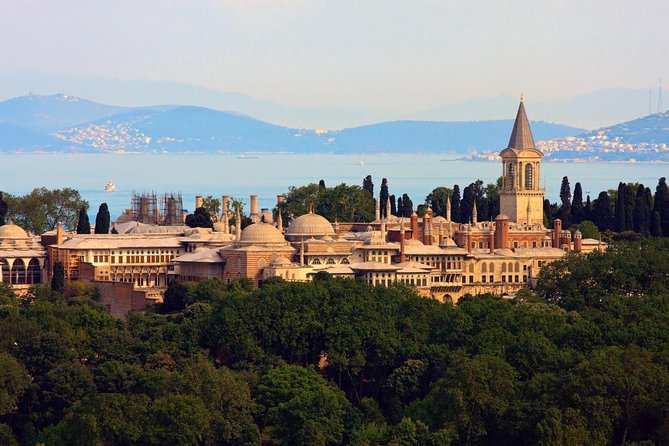
- Topkapi is the big paid stop: Admission not included, but it’s built into a smart 2-hour block.
- Bazaar flexibility: Grand Bazaar is closed Sundays, with a Spice Market replacement.
Why Sultanahmet gives you so much Istanbul
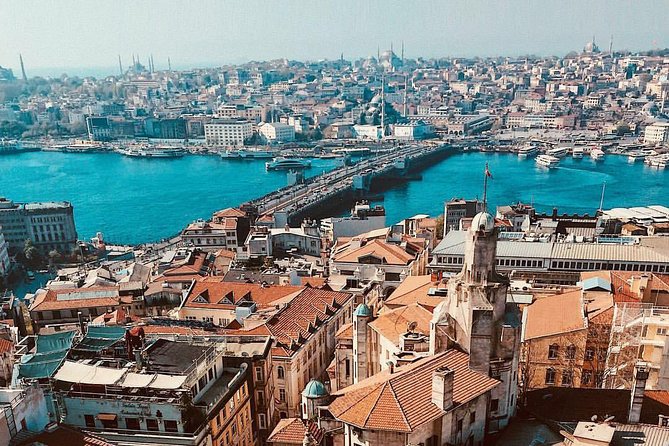
Sultanahmet is where Istanbul stacks its identities on top of each other. In a short radius you see Roman-era public spectacle, Byzantine church grandeur, and Ottoman imperial power—often with the same stone walls doing multiple jobs across centuries.
What I like about this format is that you don’t just show up for photos. The guide ties each stop to what came before, so Hagia Sophia isn’t floating in the day like a random monument. And because the tour is private, the pace can match your interest level instead of forcing the same script on everyone.
This is also a good day if you want the famous sights, but not the chaos. You’ll still be in tourist territory, yet having a guide to manage the flow makes the walk feel more controlled.
You can also read our reviews of more city tours in Istanbul


Meeting points, walking time, and what to wear
Transportation isn’t included, so plan to arrive at the meeting point area on your own. The guide meets you at central hotels or at a meeting point, and the route is designed around the Old City’s walkable cluster of attractions.
You should expect comfort to matter more than style. Shoes are the big item here, because several stops involve standing and moving between sites. Also, bring a light layer: mornings can be cool, and you’ll spend time outside before some interiors.
If you’re thinking of starting late to sleep in, consider the downside: major sites have security and entry lines, and the tour itself recommends an earlier departure to reduce queue time at Hagia Sophia.
German Fountain and the Hippodrome: easy first wins
The day begins gently with the German Fountain (Alman Çeşmesi). It’s a small stop—about 15 minutes—but it’s a helpful way to get your bearings fast. It gives you a visible anchor point in Sultanahmet, so later squares and buildings feel connected rather than separate.
Then you move through the Sultanahmet area itself, including Sultanahmet District and Sultanahmet Square, each around 15 minutes. These aren’t huge-ticket attractions, but they set the stage for what you’ll see next: why people gathered here, and why rulers kept using this ground.
The Hippodrome (Atmeydanı Hippodrome) is the turning point. In Roman Empire times, this was where chariot races happened. You’ll also see remnants and symbols from later eras, including the Egyptian Column tied to the Byzantine period, and you’ll get the sense of how the Ottoman era re-used the space’s symbolism. This stop is also about 15 minutes, so it’s short enough to keep energy for the heavyweights later.
Hagia Sophia: see it, then understand it
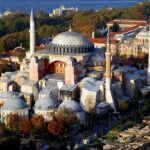
Hagia Sophia is the cornerstone stop, even if the entry process can be a pain. You’ll spend about 1 hour here, and the guide’s job is to help you read the building’s changes over time.
The story is the point. The structure was built in the 6th century by Emperor Justinian, and it played major roles in both the Christian and Islamic worlds. After the Ottoman conquest, things like bells, altar elements, and certain vessels were removed. Mosaics were later covered as part of the conversion from church to mosque, and the building’s function shifted again—church to mosque to museum to mosque.
Here’s the practical warning: Hagia Sophia is not a skip-the-line situation for this tour. You may need to wait in the security line, and to reduce queues the tour suggests departing around 8:30am or 9:00am. If you hate waiting, you’ll feel better with an early start.
Also note the Friday rule: on Fridays, Hagia Sophia may be visited from the outside due to worship. That can still be worthwhile for photos and context, but if Hagia Sophia interior access is your top goal, pick a non-Friday day.
Blue Mosque: architecture first, interior timing second
Next up is the Blue Mosque (Sultanahmet Camii) for about 1 hour. It was built in the early 1600s for Sultan Ahmet I of the Ottoman Empire, and the big takeaway is how it balances mass with delicate proportions.
This stop is a favorite for many people because the building feels designed, not just decorated. The guide can help you notice details you’d likely miss on your own, turning the “wow” moment into something you can actually explain to friends later.
The schedule has a limitation you should know upfront: this tour does not provide skip-the-line service for active mosques, meaning you may face a queue for entrance. And on Fridays, the tour may visit Blue Mosque from the outside because of worship.
If you want the interior experience, treat timing as part of the plan, not an accident. Starting early helps at Hagia Sophia, and it tends to keep the day smoother overall.






Basilica Cistern: the best swap decision you’ll make all day
Right after the mosque stops, there’s a timing trick. To fit the Basilica Cistern interior, the tour has you skip one of the mosques to save time.
That trade-off is worth understanding before you go. The Basilica Cistern is a former water storage chamber and is described as one of Istanbul’s greatest surviving Byzantine sites. In other words: it’s underground history with the kind of atmosphere you can’t replicate with a quick exterior photo.
Because the tour requires a swap, you’ll want to think about your priorities:
- If you care most about mosque interiors, you might view the cistern as the consolation prize when time is tight.
- If you love Byzantine-era engineering and atmosphere, you’ll likely be happy to trade one mosque interior for the cistern experience.
Either way, the guide is managing the clock, so you don’t have to do math mid-walk.
Topkapi Palace: where Ottoman power lived
Topkapi Palace is the museum anchor with the longest paid-time block: about 2 hours. The big point isn’t just that it was an imperial residence. It was also the seat of the Supreme Executive and Judiciary Council for almost 400 years.
This is one of those places where “what you’re looking at” matters as much as “how impressive it looks.” The guide helps connect the palace layout to how the Ottoman Empire governed, which can turn Topkapi from a maze into a story.
Just know the money piece: Topkapi Palace admission isn’t included. That’s not a deal-breaker, but it’s a reason to budget beyond the $90 base price. If you’re comparing tour value, Topkapi is the main spot where your day’s total cost depends on entry fees.
Also, timing and closures matter. Topkapi Palace is closed on Tuesdays, and the tour offers alternatives instead. If you’re visiting on a Tuesday, you’ll want to confirm what the replacement entails when you book.
Grand Bazaar (and Spice Market): shopping with a route

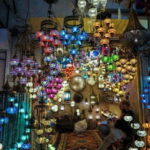
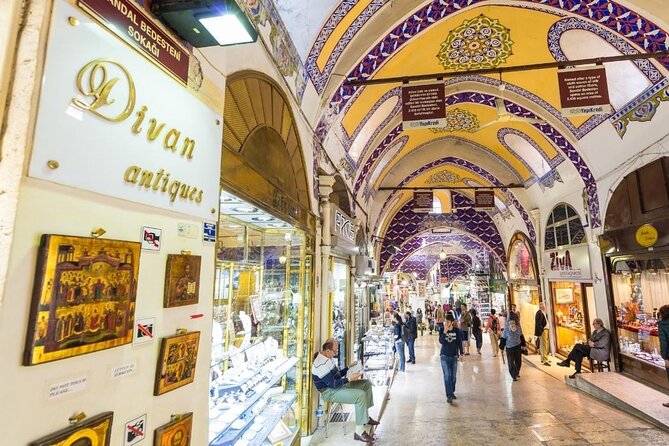
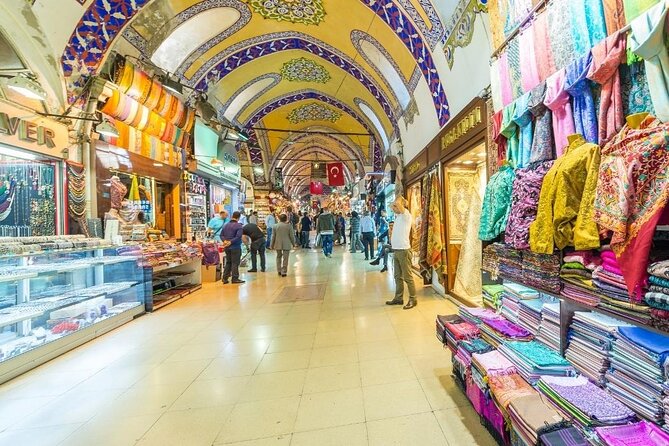
The day finishes with the Grand Bazaar for about 1 hour. It’s one of the largest and oldest covered markets in the world, with over 4,000 shops. The guide can help you move through the space without getting lost in the noise, which is a real skill here.
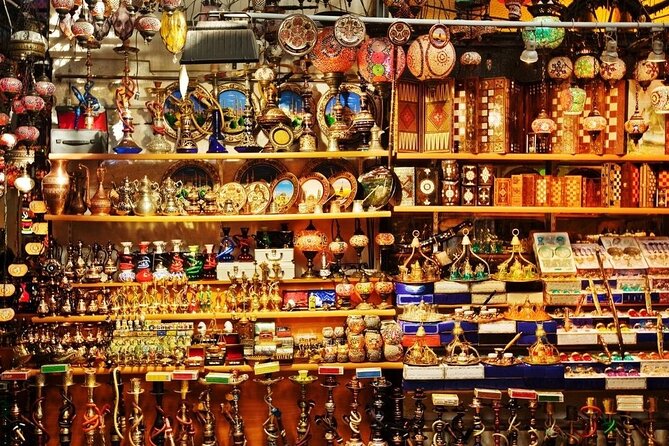
You’ll see a wide mix: ceramic, leather, rugs, carpets, handicrafts, clothes, silver, and gold. Even if you’re not shopping, it’s still interesting to understand how the bazaar works as a system, not just a pile of stalls.
Important practical rule: the Grand Bazaar is closed on Sundays, and in that case it can be replaced with the Spice Market. If you’re planning for a bazaar-style wander, check your travel day so you don’t show up expecting the wrong market.
Also remember: the tour’s bazaar time is about walking and seeing, not about negotiating for hours. If you want to buy a lot, you may want to set aside extra time after the tour.
Price and logistics: what $90 really buys you
At $90 per person, this tour looks like a good value if you care about structure. Here’s why: many of the stops are free to enter, and the big paid anchor (Topkapi) is held in a guided 2-hour block so you aren’t spending your prime time trying to plan logistics on the fly.
Your money is mostly going toward three things:
- A professionally licensed guide who manages the story and timing.
- A private format (only your group), which usually makes the day feel more personal.
- The ability to keep you moving between nearby sights without the stress of coordinating everything yourself.
The main “watch-outs” are costs that sit outside the base price. Topkapi admission isn’t included, and additional museum fees may apply. Also, active mosques involve queueing, and Hagia Sophia involves security line time.
So, if you’re the type who hates waiting and already plans to visit only one or two sites, the value might feel less obvious. But if you want the full arc of Old Istanbul—Roman public space to Byzantine church to Ottoman palace—this is priced like a day that’s meant to be efficient.
Who this private Old City tour is for
This tour is a strong fit if you want:
- A tight Old City plan without map stress.
- A licensed guide who can explain how the buildings changed over time.
- The big highlights in one day, including Topkapi and the Basilica Cistern.
It’s also a good choice if your group has different interests. A tour with private control can adapt, like the examples where guides adjusted timing and added food or shopping moments (Naci), or kept the pace humane (Murat and Eren).
If you’re traveling with limited mobility or you hate walking, you should think carefully. The schedule includes multiple sites close together, and the itinerary assumes you can move at a tourist pace.
Should you book this Istanbul Old City tour?
Yes, if you want a guided, high-yield Old City day that focuses on understanding what you’re seeing. The private format is the big win, and the mix of Sultanahmet’s key sites plus Topkapi usually makes the $90 feel fair.
Book it especially if you can do an early start around 8:30am–9:00am to reduce the Hagia Sophia security line headache. And if your trip is on a Friday, accept that one of the major mosque stops may be outside due to worship.
Skip the day only if you’re visiting just for exteriors, you have a flexible schedule you’d rather plan yourself, or you’re unwilling to deal with extra entry fees at Topkapi and possible museum-ticket costs.
FAQ
How much does the Istanbul Old City Tour cost?
It costs $90.00 per person.
How long is the tour?
The duration is approximately 4 to 8 hours.
Is this tour private?
Yes. It’s a private tour, so only your group participates.
What language is the tour offered in?
The tour is offered in English.
Are entrance tickets included?
Many stops are listed as free (German Fountain, Sultanahmet District, Sultanahmet Square, Hippodrome, Grand Bazaar). Topkapi Palace admission is not included, and additional museum fees are not included.
Do I need to pay for transportation?
No. Any transportation is not included.
Where will the guide meet me?
The guide meets you at central hotels or at a meeting point.
Are there any special rules for Fridays?
On Fridays, Hagia Sophia or Blue Mosque will be visited from outside because of worship.
Are there skip-the-line perks for Hagia Sophia?
No. Skip-the-line priority is not available at Hagia Sophia, and you may need to wait in the security line.
When is Grand Bazaar closed, and what happens then?
Grand Bazaar is closed on Sundays, and it can be replaced with the Spice Market.