REVIEW · ISTANBUL
Istanbul Highlights! Blue Mosque, Hagia Sophia, Topkapı and More!
Book on Viator →Operated by Oguzhan Ceylan · Bookable on Viator
One-day Istanbul’s greatest hits. This small-group route strings together Blue Mosque and Hagia Sophia plus Topkapi, the old Hippodrome landmarks, and the Grand Bazaar area, with a guide explaining how the city layers Islam, Byzantium, and the Ottoman Empire over the same streets. It’s also great value because key admissions and a real lunch are built into the price. One heads-up: it’s a full day on foot, so you’ll want comfortable shoes and a steady pace.
My favorite part is the way Oguzhan Ceylan (often called Ozzy) turns the big names into something you can actually picture in context—what you’re seeing, why it matters, and how it changed over time. You also get a practical lunch break near Sultanahmet, plus coffee/tea and bottled water. If you hate shopping stops or sales pressure, this tour’s rug/textiles stop means you’ll need to set boundaries early.
In This Review
- Key points to know before you go
- Price and what you’re really paying for
- Getting oriented in Sultanahmet: German Fountain to the Hippodrome zone
- Blue Mosque: details you’ll notice only with context
- Hagia Sophia as a living timeline
- Hippodrome monuments: Obelisk of Theodosius, Serpent Column, and the forum vibe
- Nuruosmaniye Camii and the Ottoman street scene between monuments
- Nakkaş Oriental Rugs & Textiles: handicrafts + your chance to say no
- Grand Bazaar area: 4,000 shops, limited time, and one scheduling reality
- Lunch at Tamara Restaurant Sultanahmet: a real break near the action
- Topkapi Palace: why the Harem Museum matters
- Hagia Irene Museum: the quiet contrast
- Rug stop controversy vs. what this tour is designed to do
- Logistics that affect your enjoyment (and what to do about them)
- Who this tour is best for
- Should you book this Istanbul Highlights day?
Key points to know before you go
- Small group size (max 10): easier conversations and less time herding people through crowds.
- Tickets handled for major sites: Hagia Sophia entry and the Topkapi/Harem/Hagia Irene combo are included.
- A one-day Old City route: Hippodrome landmarks, Ottoman mosques, Grand Bazaar area, then Topkapi.
- Lunch is included at Tamara Restaurant Sultanahmet: soup of the day, mixed kebab or vegetarian option, plus dessert or fruit.
- There’s a rug/textiles stop: it includes a handicrafts demonstration and optional shopping time.
- It’s a walking tour: there’s no air-conditioned vehicle included, so plan for a workout day.
Price and what you’re really paying for
At $175 per person for an 8 to 9 hour outing, this tour is priced for people who want Istanbul’s heaviest hitters without spending your day juggling tickets, timelines, and navigation.
What makes it feel like value is the admissions and meal package:
- Hagia Sophia admission is included in the tour price (the package details list it as €25 / about $28.50).
- Topkapi Palace plus the Harem and Hagia Irene Museum are covered via a combined ticket (listed at $62 USD).
- Lunch includes soup, a mixed kebab plate (with a vegetarian option), and dessert or fruit.
- Coffee and/or tea plus bottled water are included, and all fees/taxes are covered.
What’s not included matters too. There’s no air-conditioned vehicle, so you’ll be walking between stops. That’s not a deal-breaker—this is, in fact, part of the charm—but it does change the “cost” from money into energy.
You can also read our reviews of more tours and experiences in Istanbul.
Getting oriented in Sultanahmet: German Fountain to the Hippodrome zone
The day starts at the German Fountain in Sultanahmet (Binbirdirek, At Meydanı Cd). This is a smart starting point because it puts you right where Istanbul’s oldest public spaces overlap: the Hippodrome area, major Byzantine-era monuments nearby, and the Ottoman landmarks that sit around them.
From here, you’ll see a sequence of outdoor monuments that are easy to miss if you’re just sightseeing solo. The guide’s job is to connect them: what empire built what, what the monument was used for, and how the surrounding city shifted over centuries.
Why I like this setup: it gives you context before you’re inside the big-ticket buildings. You start with “where are we?” and end with “now I get why it looks like this.”
Blue Mosque: details you’ll notice only with context
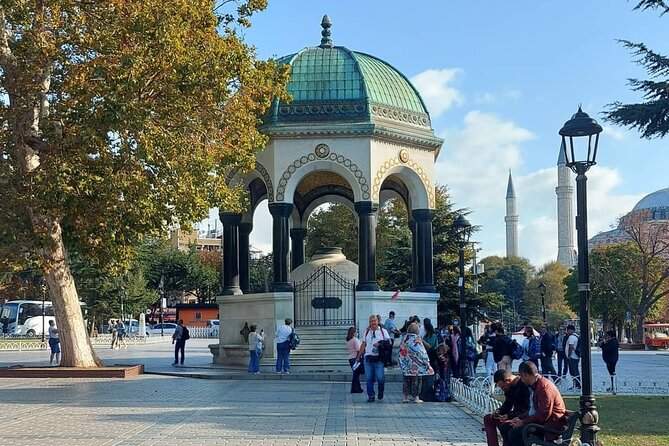
Next up is the Blue Mosque (Sultan Ahmed Mosque). Entry is free, but the real value is the guidance: you learn what you’re looking at and why the design choices matter.
The time here is generous enough to do more than pose at the entrance. You can take in the interior details—what makes this mosque famous, how it’s arranged, and the design ideas that show up repeatedly in Ottoman religious architecture. This is one of those sites where silence falls into place once you know what each element represents.
A practical note: even with timed access, mosques can be crowded. Go at a steady pace, listen for what the guide points out, and don’t try to see every inch. You’ll enjoy it more when you focus.
Hagia Sophia as a living timeline
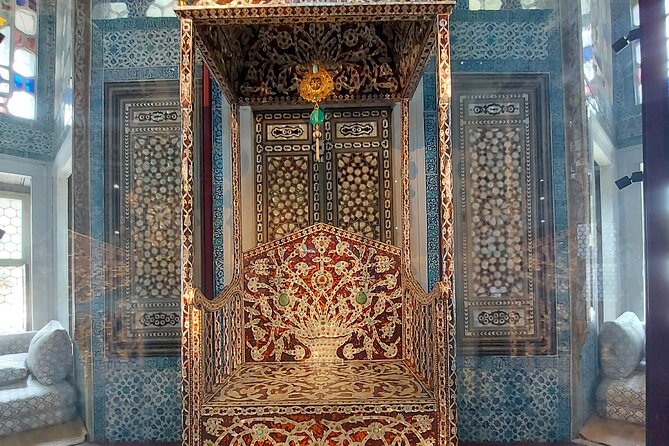
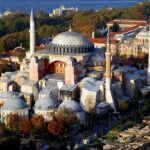
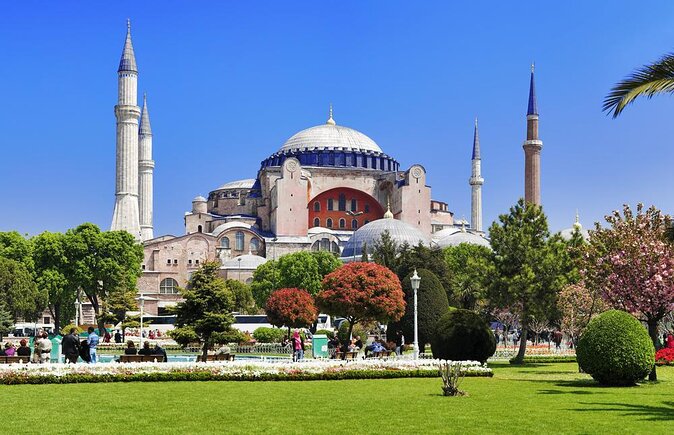
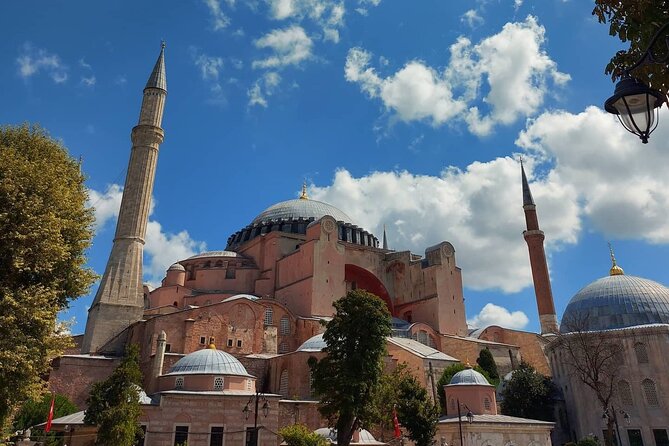
Then comes Hagia Sophia as a Grand Mosque site—entry is included. This isn’t just a “wow, it’s big” stop. The guide frames the building as a timeline: a structure that has worn different roles through different eras, and still communicates power even when the politics changed.
You’ll have a set amount of time inside (not endless), so it’s best used for the spots your guide highlights—key architectural elements, the space feel, and the layers that help you read the building rather than just stare.
One consideration: Hagia Sophia can be intense on the senses. If you’re someone who needs breaks, use the short walk-outs between key areas to reset your brain.
Hippodrome monuments: Obelisk of Theodosius, Serpent Column, and the forum vibe
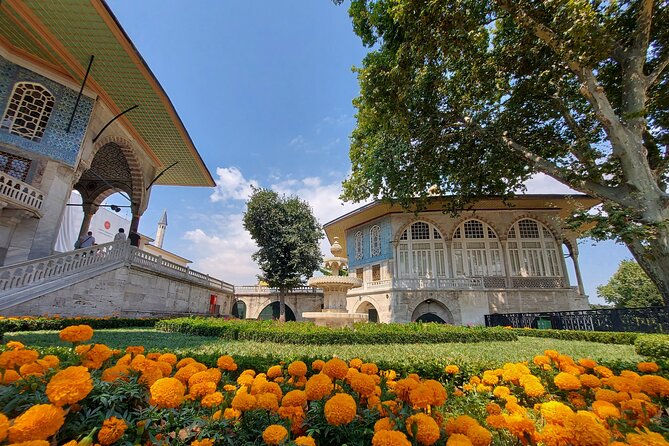
After the big indoor sites, you’ll be back outside in the Hippodrome zone. This area is built for outdoor scale: huge squares, dramatic fragments, and monuments that feel like the “background” until you learn what they were for.
You’ll stop for:
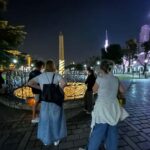
- Obelisk of Theodosius: an ancient monument with a story the guide will unpack, including how it landed here and what it meant to its original setting.
- Serpent Column: a much older artifact brought to Constantinople in the 4th century, with history that’s easier to follow when someone points out what survives and what doesn’t.
- General Hippodrome context: the space was designed for major public entertainment in Roman times.
These stops are short, but that’s okay. They’re meant to give you a mental map so the next buildings aren’t floating in space.




Nuruosmaniye Camii and the Ottoman street scene between monuments
The tour doesn’t stay locked on just the headline sites. You’ll also pass through smaller-but-interesting Ottoman touches, including:
- Nuruosmaniye Camii with its baroque-style influence (and a brief stop to notice how different design languages show up in Istanbul).
- Nearby historic street sections like Divanyolu Street (a ceremonial artery in the Ottoman period).
- The Column of Constantine area, which helps reinforce that the city’s “center of gravity” has shifted over time, but the symbolism keeps returning.
You don’t get long worship-time here—think of it as learning to read the streets. It’s the difference between Istanbul as a postcard and Istanbul as a place with continuity.
Nakkaş Oriental Rugs & Textiles: handicrafts + your chance to say no
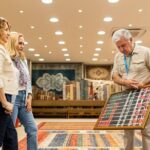
This is one of the more debated parts of the day, mainly because it involves shopping territory. The stop is Nakkaş Oriental Rugs & Textiles, linked to an exhibition space and a demonstration of Turkish handicrafts.
If you’re into textiles, it can be fun and educational: you’ll see how the craft is explained and shown. If you’re not, you need to treat it as a “time box,” not a shopping trip. Plan to enjoy the presentation, then decide on your own terms.
Here’s my practical advice: go in with a firm boundary. If sales talk starts to feel pushy, you can still listen, ask questions about the process, and then disengage politely. You’re not obligated to buy anything, and you don’t want to lose tour time you’d rather spend in Topkapi or Grand Bazaar.
Grand Bazaar area: 4,000 shops, limited time, and one scheduling reality
You’ll finish the bazaar segment near the Grand Bazaar, with about an hour allocated. This is the kind of place where an hour sounds like a lot until you walk inside and realize it’s endless.
You’ll also hear the numbers: it’s described as thousands of shops and dozens of streets. The trick is to have a plan before you enter:
- pick one or two corridors you want to explore
- focus on sensory variety (spices, textiles, antiques, souvenirs)
- don’t try to “cover it all”
One scheduling reality you should know: Grand Bazaar closure can affect visits on some days. If your visit falls on a day the bazaar is closed, the tour may adapt to a smaller market nearby. The key is to accept that bazaar time is part culture-walk, part shopping window.
Lunch at Tamara Restaurant Sultanahmet: a real break near the action
Lunch is included at Tamara Restaurant Sultanahmet, near the Blue Mosque area. This is a good setup because you’re not sent across town to find food while the group waits.
The meal is a 3-course format:
- soup of the day
- mixed kebab (with a vegetarian option available)
- local dessert or fruit
I like included lunch on a tour like this because it prevents the classic Istanbul problem: getting hungry, then wasting time searching. Here, you get a timed reset so you can come back to sightseeing ready instead of cranky.
Topkapi Palace: why the Harem Museum matters
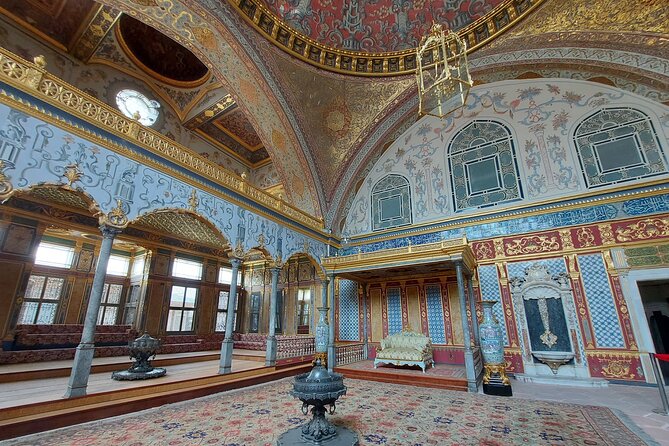
Topkapi Palace is the centerpiece for Ottoman power, and you’ll have about 2 hours for the palace and what’s included. The tour also covers the Harem Museum of Topkapi Palace (with included admission), plus Hagia Irene Museum as part of the same ticket package.
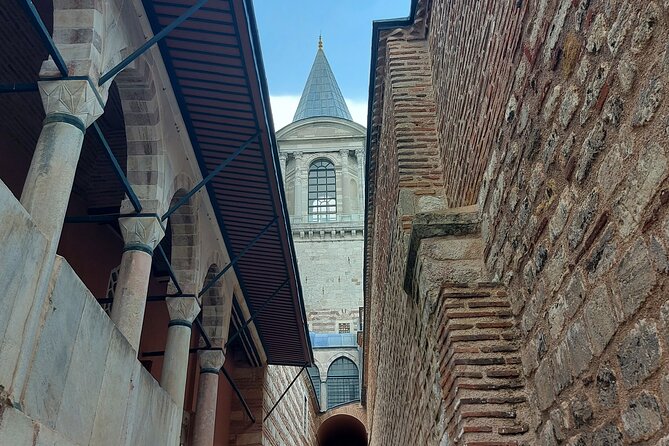
Topkapi is overwhelming if you go without a guide. With structure, you can focus on what the palace shows about how the Ottoman system worked—who lived where, how space was organized, and how everyday life was shaped by rank.
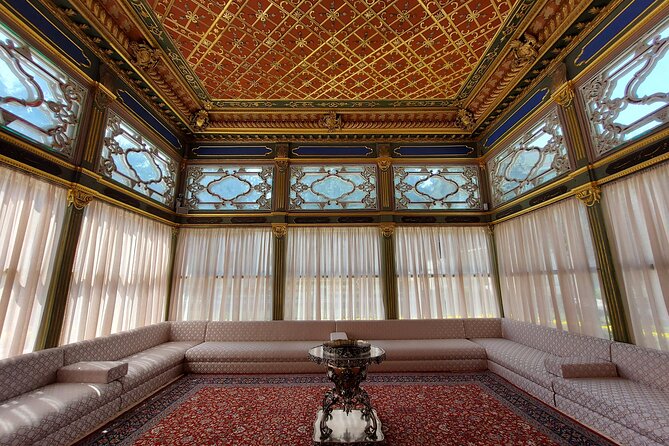
A special reason to include the Harem: it’s not just a “wow rooms” stop. You get a chance to understand the private-public boundary inside palace life, and that context helps the rest of the palace make more sense.
If you’re short on stamina, prioritize: pick the most meaningful sections the guide points you toward and don’t feel bad about skipping whatever isn’t in your top tier.
Hagia Irene Museum: the quiet contrast
You’ll also visit the Hagia Irene Museum, described as a 6th-century church with connections to holy relic themes. It’s a useful contrast after Hagia Sophia because the experience shifts from massive spectacle to a different kind of historical presence.
The stop is shorter (around 20 minutes). Use it to reset your brain: you’re looking at sacred architecture, but in a different register than the major headline sites.
Rug stop controversy vs. what this tour is designed to do
One negative note you may hear about this tour type is that rug and textiles stops can feel sales-heavy. This tour is upfront that it includes a rug/textiles stop and a demonstration, so it’s not a “no shopping at all” plan.
My take: this kind of stop can be worthwhile if you treat it as an educational pause with optional shopping time. If you’re the type who hates any sales energy, consider booking a version of the tour that doesn’t include textile shops—or go in prepared to decline quickly.
The best guides know how to keep the day moving. If you feel time is being swallowed, that’s your cue to keep your requests short and your “thank you, no” firm.
Logistics that affect your enjoyment (and what to do about them)
This tour is built for a tight Old City circuit:
- start at German Fountain at 9:00 am
- finish back at the meeting point
- group size max 10
- English-speaking professional guide
- mobile ticket included
- moderate physical fitness level recommended
So what do you do with that information?
- Wear shoes you can walk in for hours without thinking.
- Bring a light layer. Mosques can feel cooler inside even when the sun is hot outside.
- If you’re visiting in peak crowd days, trust the guide’s timing. You’ll lose less time than solo wandering.
Also, keep in mind that some sites can have entry rules that change on the day. If the guide needs to explain regulation limits, it’s part of how the system works in Istanbul.
Who this tour is best for
I think this works especially well if:
- it’s your first time in Istanbul and you want the “must-see” Old City core
- you like history told in story form rather than reading plaques
- you want tickets and lunch handled so you don’t plan every detail
- you’re okay with walking and a long day schedule
It may be less ideal if:
- you want a relaxed pace with lots of free time
- you strongly dislike any sales environment, even if the stop is educational
- you need lots of rest breaks due to mobility limits
Should you book this Istanbul Highlights day?
If you want a structured, ticket-supported day that hits Blue Mosque, Hagia Sophia, Topkapi (including Harem), and the Old City monuments without having to map everything yourself, I’d book it. The included lunch near Sultanahmet and the fact that major admissions are covered make it feel more like a full-day experience than a simple sightseeing loop.
My main caution is the walking load and the rug/textiles stop. If you can handle a long stroll and you’re comfortable setting shopping boundaries, this is a strong “first Istanbul day” choice. If not, look for an alternative itinerary that reduces or removes the textiles component.