REVIEW · ISTANBUL
Istanbul: Vegan/Vegetarian Cooking Class with Locals at Home
Book on GetYourGuide →Operated by Lokal Bond · Bookable on GetYourGuide
Cooking in a neighbor’s kitchen beats tours. In this small-group class near Taksim, you’ll cook Turkish favorites with a warm local host and learn plant-based versions of street and home classics. The main drawback: it’s held in a private home, so don’t expect a big, polished studio setup.
I love that the evening is social from the start. You begin with tea (or coffee), then you cook together and eat together, so it feels more like an Istanbul friend’s dinner party than a checklist class.
In This Review
- Key things that make this class worth your time
- A home near Taksim means you start in the real Istanbul
- Tea first: the best warm-up for Turkish cooking
- Your hands-on menu: what you’ll learn to make
- Making Mantı from scratch: dumplings with real staying power
- Dolma: Turkish comfort food, shaped by what’s available
- Vegan Kokoreç: street-food energy without the meat
- The meal is the lesson: eating together with context
- Group size and timing: how the evening stays comfortable
- Price and value: is $106 fair for what you get?
- Who this cooking class is best for (and who should skip it)
- Practical expectations: what to plan before you go
- Should you book this Istanbul vegan/vegetarian cooking class?
- FAQ
- How long is the Istanbul vegan/vegetarian cooking class?
- How big is the group?
- Where is the meeting point?
- What dishes will we cook?
- What languages is instruction offered in?
- Is this class vegan/vegetarian focused?
Key things that make this class worth your time
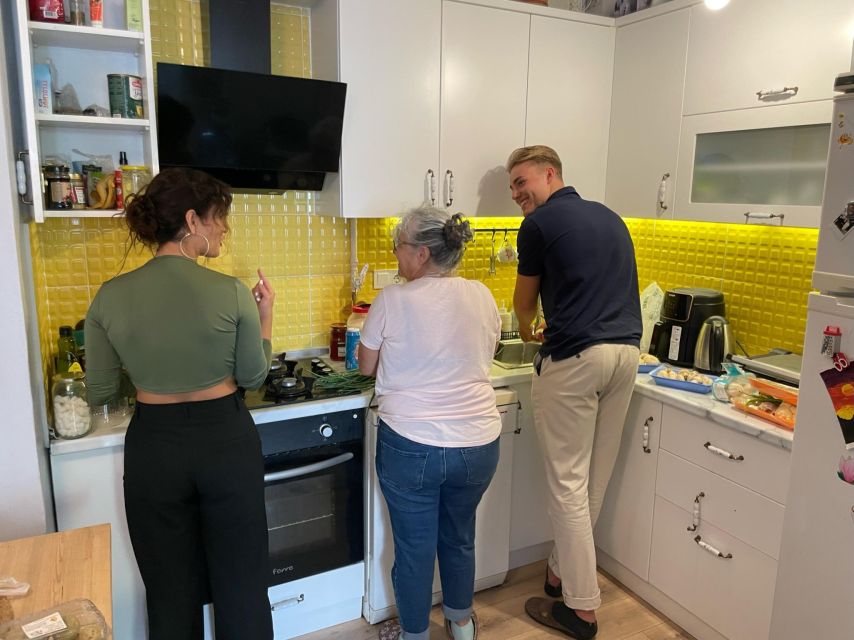
- Home kitchen near Taksim: central, local, and relaxed, hosted in a real residential space.
- Small group of up to 6: more hands-on help and easier conversation with your host.
- You make favorites from scratch: including Mantı and other Turkish dishes adapted to vegan/vegetarian cooking.
- Vegan street-food twist: you’ll learn a vegan Kokoreç style dish, not just mild salads.
- Culture through food: you’ll swap stories and get host insights into life in Istanbul.
- Bilingual instruction (English/Turkish): which makes the cooking tips easier to follow.
A home near Taksim means you start in the real Istanbul
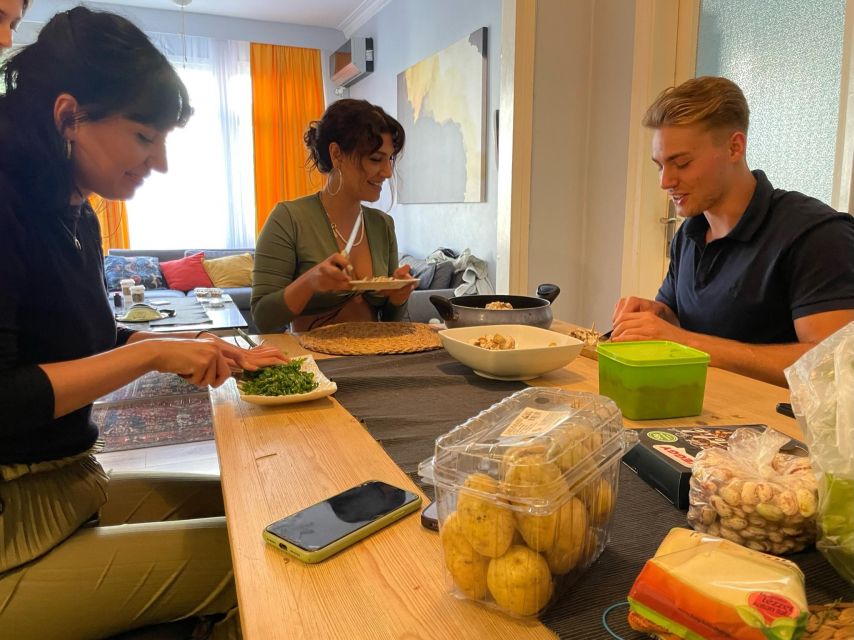
This experience is built around one simple idea: eat and cook where locals actually live. The meeting area is near Taksim, so you’re not trekking across the city just to learn how to roll dough or assemble a filling. When you step inside, it feels like you’ve been invited into someone’s routine, not herded through an activity.
The class is hosted by Lokal Bond, and in the reviews the host is often Rojda—warm, welcoming, and willing to talk beyond the recipes. That matters because Turkish food is personal. It’s shaped by family habits, neighborhood tastes, and what’s practical in daily life. You’ll feel that in how the instructions are delivered and how the meal turns into a conversation.
One practical note: this is not a restaurant kitchen. It’s a home setup. That’s a plus for authenticity, but it also means the vibe is more casual, and you’ll likely be moving around a compact space while you cook.
A few more Istanbul tours and experiences worth a look
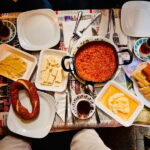
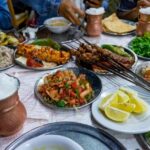
Tea first: the best warm-up for Turkish cooking
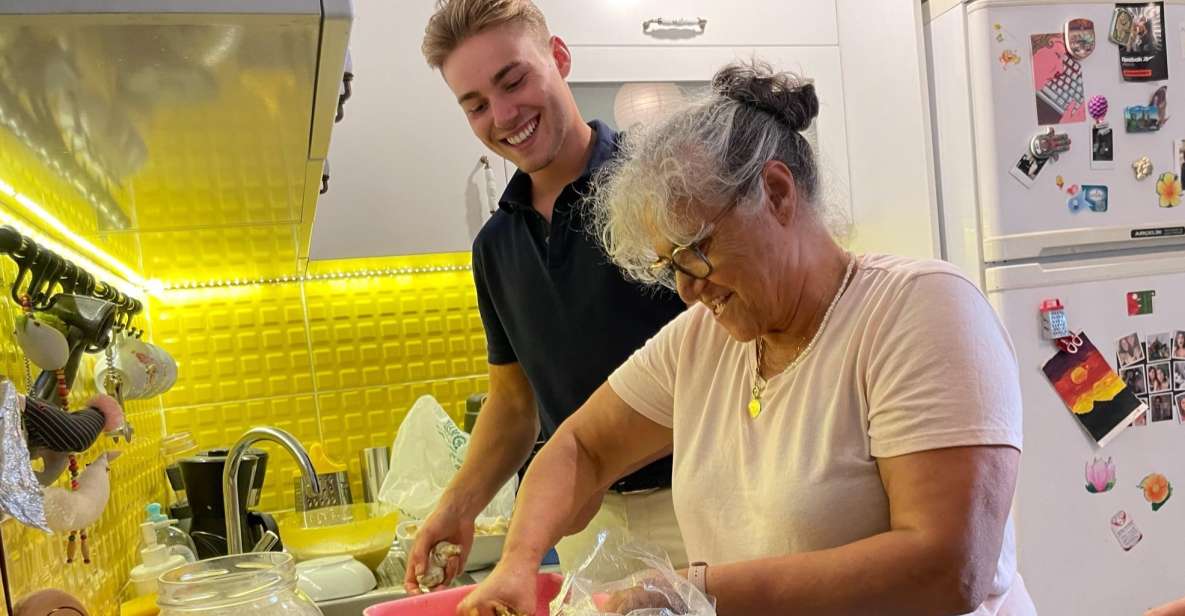
Before you start cooking, you’ll settle in with tea or coffee and conversation. This matters more than it sounds. Turkish cooking often depends on feel—timing, texture, and small adjustments—so talking first helps you relax and ask questions without the pressure of a formal “class” atmosphere.
In the sessions described by past guests, the host doesn’t just teach steps. She shares personal stories and context about Istanbul—life today, not just “how Turks cook.” That cultural chat pairs well with the flavors you’re about to make, because you begin to understand why these dishes are loved and how they work in everyday meals.
If you like learning how food connects to people, this opening moment is part of the value. It sets the tone for a warm evening, not a rapid-fire cooking workshop.
Your hands-on menu: what you’ll learn to make
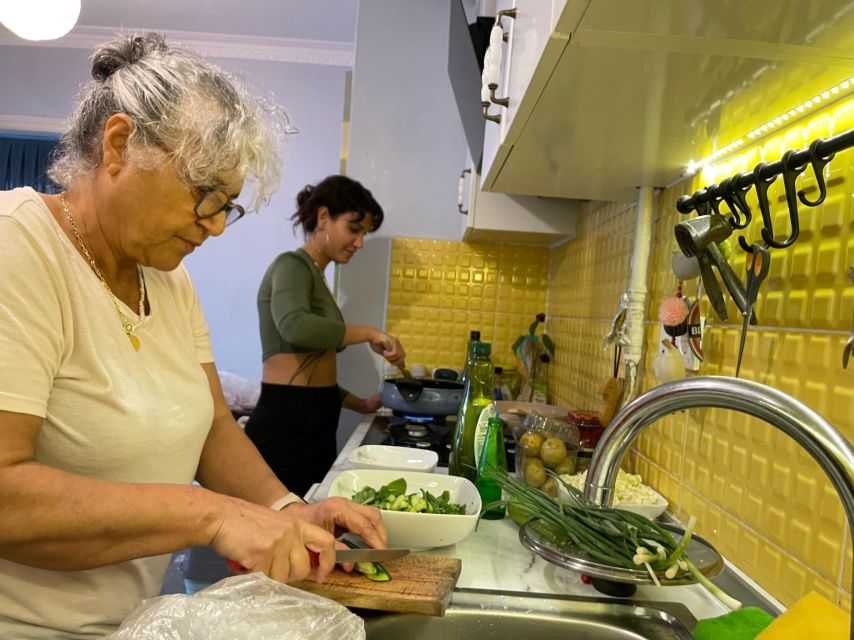
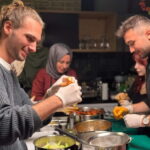
The heart of the experience is cooking multiple dishes side by side. You’ll prepare a mix of vegan and vegetarian Turkish classics, plus plant-based adaptations that show what you can do without meat or dairy.
Based on what’s offered, you can expect to make dishes including:
- Vegan Kokoreç (a twist on a well-known street-food vibe)
- Dolma (a Turkish staple that’s naturally flexible depending on the filling)
- Mantı (homemade Turkish dumplings) made from scratch
- A variety of other vegan/vegetarian dishes included as part of the meal
Why this lineup is smart: you’re not stuck repeating one technique. You’ll get exposure to different types of cooking—rolling, stuffing, shaping, and building layers of flavor—so you leave with a broader sense of how Turkish home cooking works.
Making Mantı from scratch: dumplings with real staying power
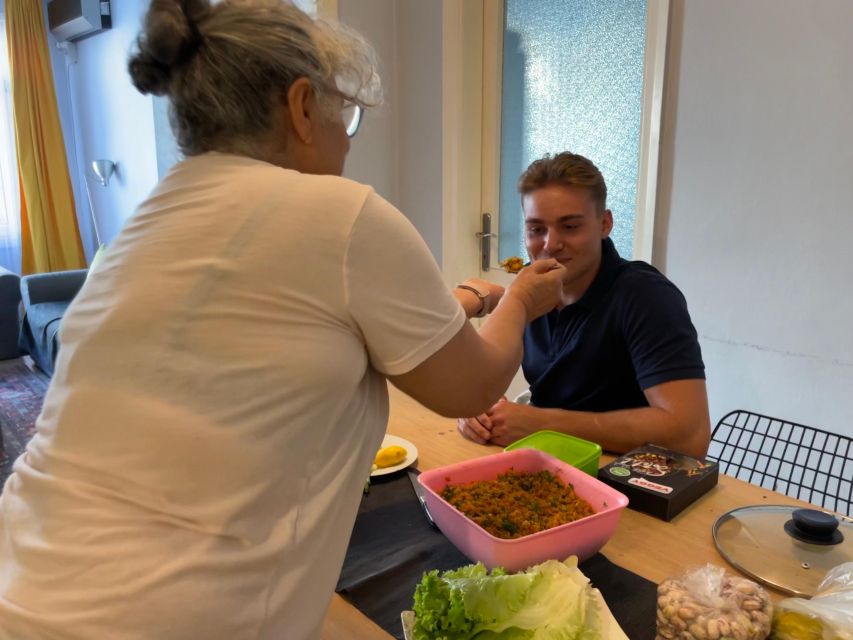
Mantı is one of the most satisfying dishes to learn, and it’s exactly what you’ll tackle here. The class frames it as homemade mantı from scratch, which is meaningful: it’s more than warming up a filling. You’ll be doing the work of building the dish so it tastes like what people actually make at home.
When you learn mantı hands-on, you pick up practical lessons you can use later:
- how the dough/folding stage changes the final texture
- how the filling and seasoning balance each other
- how dumpling-style food can feel light even when it’s hearty
In reviews, guests singled out learning vegan mantı and mentioned how much they learned from the process. That tracks with why this dish is so popular as a teaching tool: it forces you to understand proportion and technique, not just ingredients.
If you’ve never made dumplings before, it can still be approachable because you’re in a small group and working directly with the instructor. And if you have cooked before, you’ll still come away with better intuition for how plant-based versions hold up.
Dolma: Turkish comfort food, shaped by what’s available
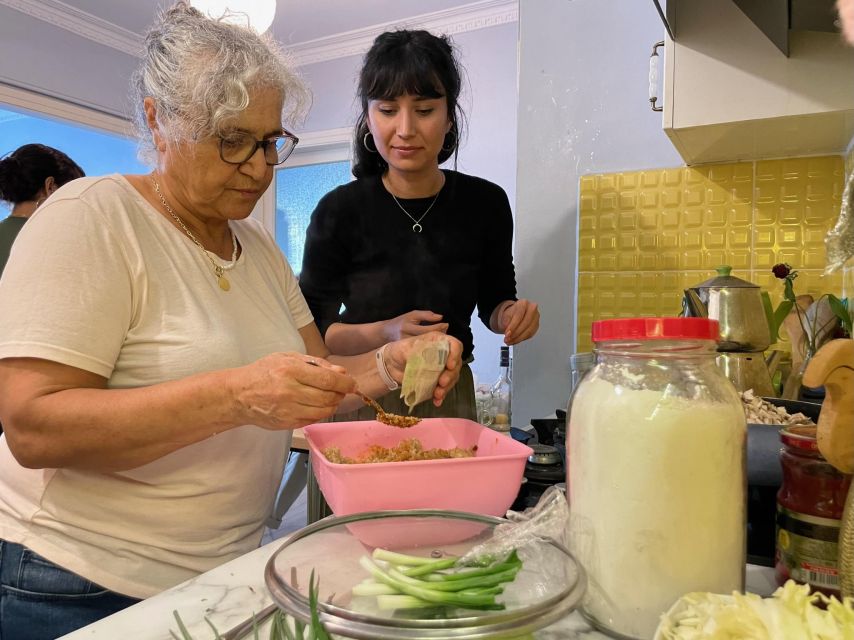
Dolma is another core dish you’ll cook. Even though the exact version can vary, dolma is a perfect match for vegan/vegetarian cooking because the dish is all about the filling. You’re essentially learning how to create a flavorful base that can live inside vegetables (or similar wrappers), then come out tasting cohesive and balanced.
What I like about including dolma in this class: it shows you that Turkish cooking isn’t just one style. Dolma carries the idea of home cooking—using ingredients you can find locally, building flavor with herbs/spices, and adjusting the filling to your preferences.
In a class like this, you also learn something broader than recipes. You learn how traditional dishes adapt. That’s the real skill for travelers who want to keep cooking after the tour ends. You’ll start seeing how the same concept can shift from meat-based to plant-based while still tasting “right” in the Turkish way.
You can also read our reviews of more cooking classes in Istanbul

Vegan Kokoreç: street-food energy without the meat
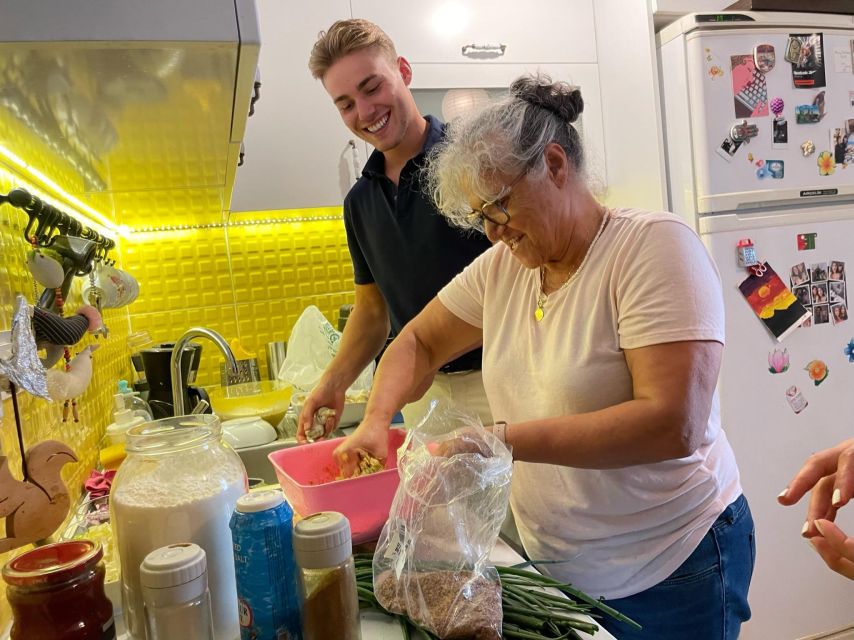
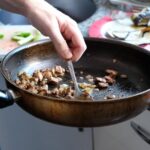
The standout promise here is a vegan Kokoreç. Kokoreç is known as street food, and the class takes that familiar idea and redirects it into plant-based territory. Even if you’ve never tried traditional kokoreç, you’ll still recognize the intent: big flavor, savory attitude, and a dish designed to be eaten quickly and happily.
Learning vegan kokoreç is valuable because it breaks the stereotype that vegetarian Turkish food is only gentle or simple. Instead, it shows you how to aim for smoky, savory satisfaction using plant-based ingredients and proper seasoning.
This is also where the culture-exchange side comes alive. Street food in any country tells you what people want when they’re busy, hungry, and on the move. In a home-hosted setting, you get that street-food inspiration without the “touristy” feel.
The meal is the lesson: eating together with context
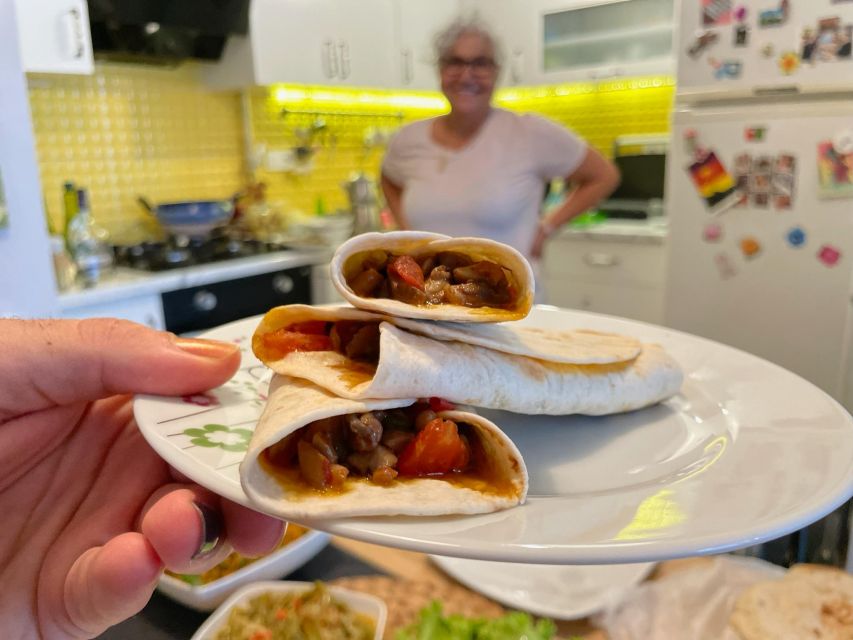
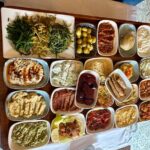
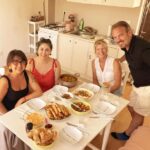
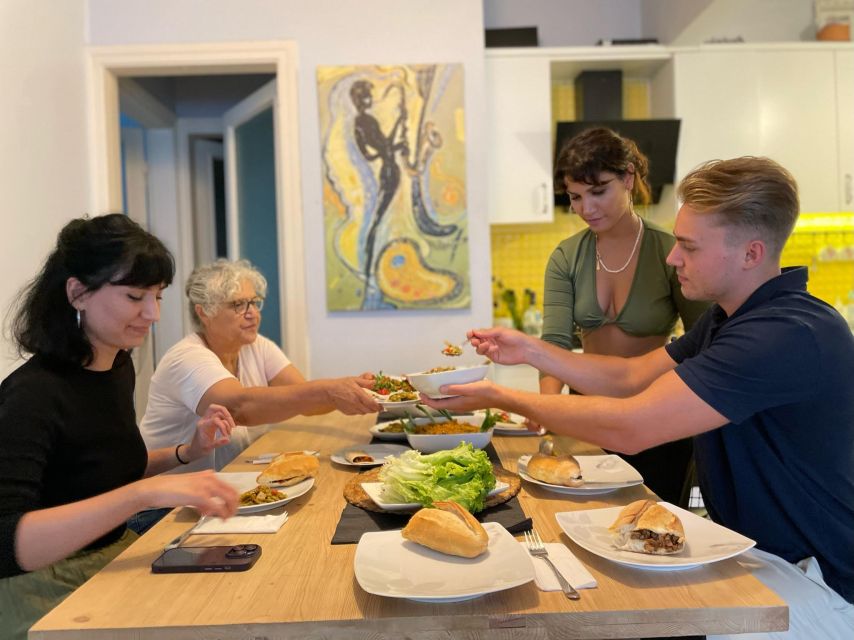
After cooking comes the part that makes the experience feel complete: you eat what you made, together. That shared meal is not just a reward. It’s where you understand what works—what tastes balanced, what needs more acidity or salt, and how the dishes relate to each other in a Turkish table.
This is where the conversation usually changes. Early on, you’re learning recipes. Later, you’re tasting and discussing—what each dish reminds you of, how the host thinks about ingredients, and how Turkish home cooking is shaped by everyday life.
In reviews, guests describe these moments as warm and meaningful, with the host sharing personal insights beyond food. That’s what turns a cooking class into something more memorable: you don’t just take a recipe card home. You take the feeling of how it was cooked, why it tastes the way it does, and why it matters to the person cooking it.
Group size and timing: how the evening stays comfortable
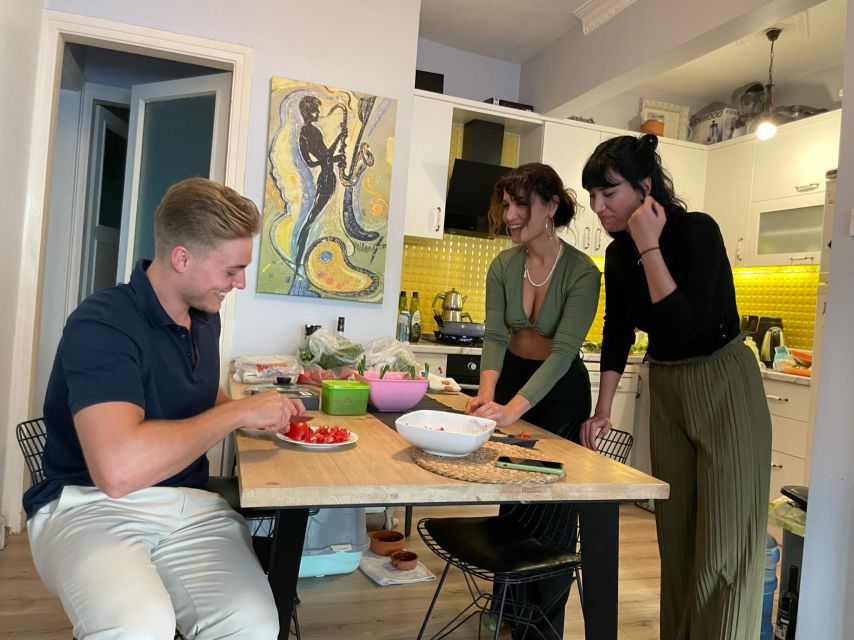
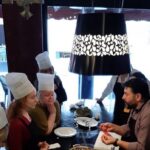
The class lasts 2.5 hours and stays limited to 6 participants. That’s a big deal for value. In larger groups, you often watch more than you do. Here, the small number helps you stay involved—asking questions, getting guidance, and working at a pace that doesn’t feel chaotic.
The timing also helps. Two and a half hours is long enough to cook multiple dishes and actually sit down to eat. It’s not so long that you feel exhausted halfway through.
Instructor language support is also part of the comfort. The class offers instruction in English and Turkish, which reduces the usual frustration when you’re trying to follow cooking tips in a second language.
Price and value: is $106 fair for what you get?
At $106 per person, you’re paying for a very specific thing: a small-group, home-hosted meal experience that includes multiple dishes and live instruction. For many visitors, cooking classes are expensive once you factor in group sizes, limited meals, and the fact that you don’t always get much personal guidance.
Here, the value comes from three areas:
- You’re learning several dishes, including mantı and vegan kokoreç, not one quick recipe.
- You’re in a tiny group, so the host can help and you can actually talk.
- You’re getting more than food: culture exchange, conversation, and context about how these dishes fit into Istanbul life.
If you want a ticket to a show, this isn’t the format. But if you want real cooking practice and a meal with stories behind it, $106 can feel quite reasonable—especially in a central area like near Taksim.
Who this cooking class is best for (and who should skip it)
This class fits well if you:
- want a vegan/vegetarian-friendly introduction to Turkish home cooking
- enjoy hands-on food work more than passive watching
- like meeting hosts and chatting, not just following a timetable
- want to learn how dishes translate into plant-based versions
You might not love it if:
- you strongly prefer formal restaurant-style settings over home kitchens
- you want a class focused only on one dish or only on theory
- you’re looking for a fast drop-in activity rather than a full meal experience
Practical expectations: what to plan before you go
Because the experience happens at a home near Taksim, plan for a neighborhood-style arrival rather than a hotel lobby vibe. The meeting point is set so you can call when you’re there or ring the bell number 11. That means you should arrive a little patient and ready to identify the right door.
You’ll be cooking for 2.5 hours, and the class includes tea/coffee and a variety of dishes as part of the shared meal. If you’re sensitive to smell from active cooking, you might want to consider what you’re comfortable with in a home kitchen, but for most people, it’s part of the fun.
Also note the flexibility details: free cancellation up to 24 hours in advance and reserve now, pay later. Those are useful if your Istanbul plans are shifting.
Should you book this Istanbul vegan/vegetarian cooking class?
If you want a meaningful Istanbul evening that mixes real food skills with human conversation, I’d book it. The combination of a small group, a home-hosted kitchen near Taksim, and dishes like vegan Kokoreç, Dolma, and homemade Mantı is exactly the kind of experience that sticks.
You should also book it if your goal is to learn how Turkish recipes adapt to vegan and vegetarian cooking. That’s the advantage of cooking at home with someone who explains the choices, not just hands you instructions.
If you crave a high-production, impersonal “tourist attraction” experience, you may find this too personal and too local. But if you like your travel with warmth, hands-on learning, and a shared table, this one fits.
FAQ
How long is the Istanbul vegan/vegetarian cooking class?
It lasts 2.5 hours.
How big is the group?
It’s a small group limited to 6 participants.
Where is the meeting point?
You’ll be visiting the host home near Taksim. You can call when you are here or ring the bell number 11.
What dishes will we cook?
You’ll cook a variety of vegan/vegetarian Turkish dishes, including vegan Kokoreç, Dolma, and homemade Mantı, plus other included dishes.
What languages is instruction offered in?
The instructor speaks English and Turkish.
Is this class vegan/vegetarian focused?
Yes. The experience is a vegetarian cooking class with vegan and vegetarian dishes included throughout.