REVIEW · ISTANBUL
Istanbul: Turkish Cooking Class with a Professional Chef
Book on GetYourGuide →Operated by Highlights Turkiye Workshops · Bookable on GetYourGuide
A great Turkish cooking class should teach you how to cook, not just what to eat. This one puts you in a spacious Galata-area atelier where you build a custom menu step by step with a pro chef. The trade-off: you’re actively cooking for the full 3 hours, so it’s not a sit-back tasting tour.
What I like most is the hands-on focus on knife skills and plating plus the fact that you choose your dishes, from soups and mezes to desserts. If you want a simple restaurant meal, this may feel like work, but if you want real skills, you’ll come away with repeatable recipes.
In This Review
- Key Things That Make This Class Worth Your Time
- Where You Cook in Istanbul: A Bright Studio Near Galata and Galataport
- Choosing Your Own Anatolia Menu (Yes, You Really Pick)
- Chef Guidance That Focuses on Technique (Not Just Recipes)
- Knife Skills and Prep: The Part You’ll Actually Use at Home
- Hands-On Cooking Flow: From Step-by-Step Prep to a Real Meal
- Plating Techniques: Learning the Turkish Style of Making Food Look Right
- Dietary-Friendly Without Feeling Like a Compromise
- Price and Value: Why $122 Can Make Sense for 3 Hours
- Who This Class Is Best For (And Who Should Skip It)
- Useful Tips Before You Go
- Should You Book This Istanbul Turkish Cooking Class?
- FAQ
- How long is the Turkish cooking class?
- What’s included in the price?
- Can I choose what I cook?
- Are vegan, vegetarian, or gluten-free options available?
- How big is the group?
- What languages are offered during the experience?
- Where is the meeting point?
- Do I take anything home?
Key Things That Make This Class Worth Your Time
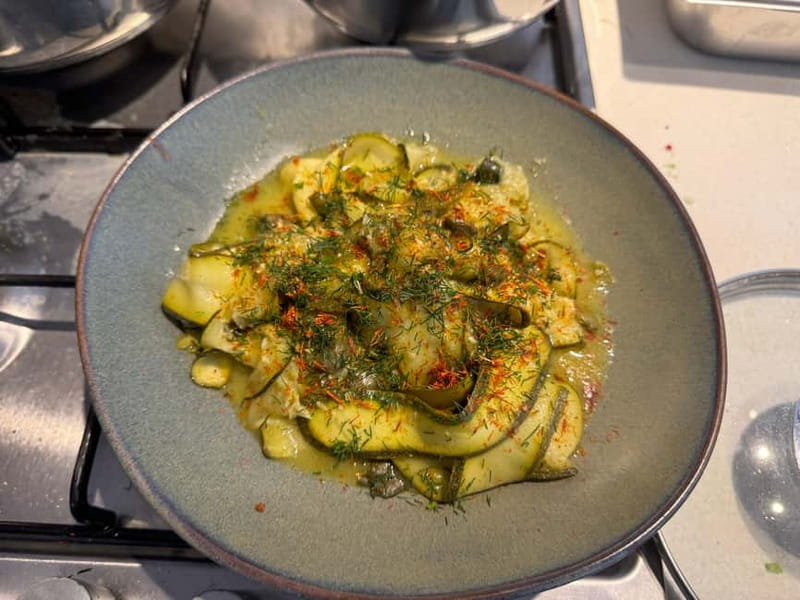
- Custom menu design: you pick soups, mains, mezes, salads, and desserts instead of being locked into one set menu
- Chef-level instruction: pro cooking guidance focused on technique, not only taste, with instructors experienced for decades
- Knife work + presentation: you learn prep basics and then plate like you mean it
- Chef’s table meal: you eat what you cook in a calm studio setting, not a frantic restaurant rush
- Diet-friendly options: vegan, vegetarian, and gluten-free choices are supported when you design your menu
- Take-home recipes: you leave with an exclusive secret recipe list to recreate your favorites
Where You Cook in Istanbul: A Bright Studio Near Galata and Galataport
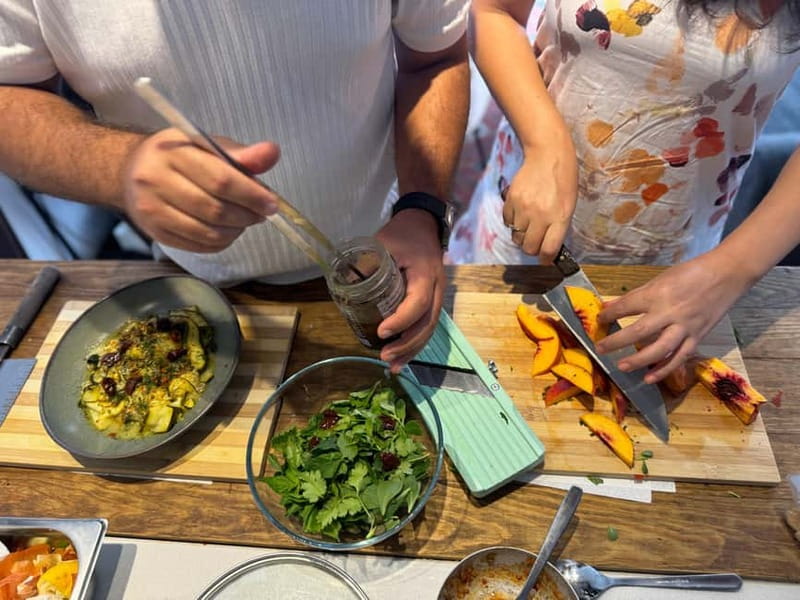
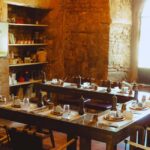
The experience is set in a spacious, high-ceiling atelier in the Galata area, between Galataport and the Galata Tower. Instead of feeling like a tight back-of-house kitchen, the space feels more like a calm workspace—music in the background, room to move, and a comfortable pace.
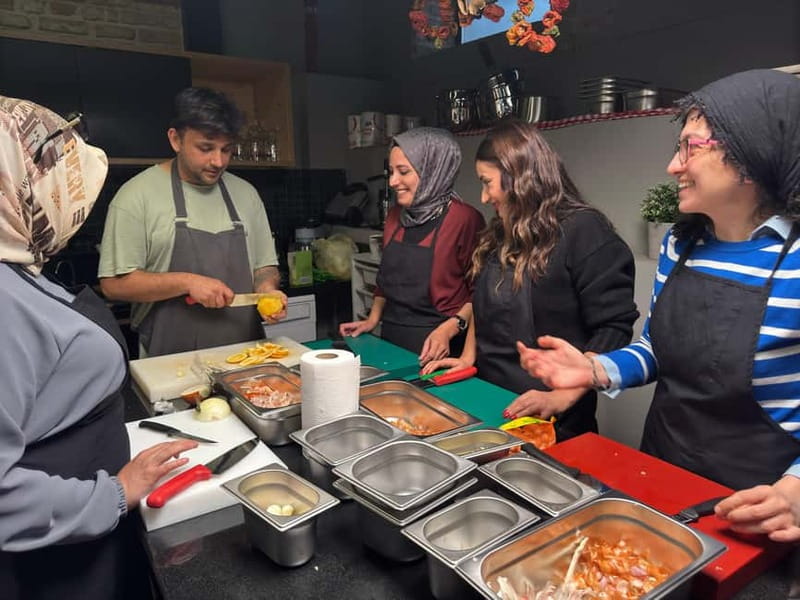
I like that it’s not staged like a factory class. With a small group capped at 10, you get enough attention while still having that social energy that makes cooking classes fun.
If you’re the type who hates waiting around, you’ll likely enjoy the setup. People usually arrive, get organized, and start working quickly, because the menu decision and prep process begins early.
You can also read our reviews of more cooking classes in Istanbul
Choosing Your Own Anatolia Menu (Yes, You Really Pick)
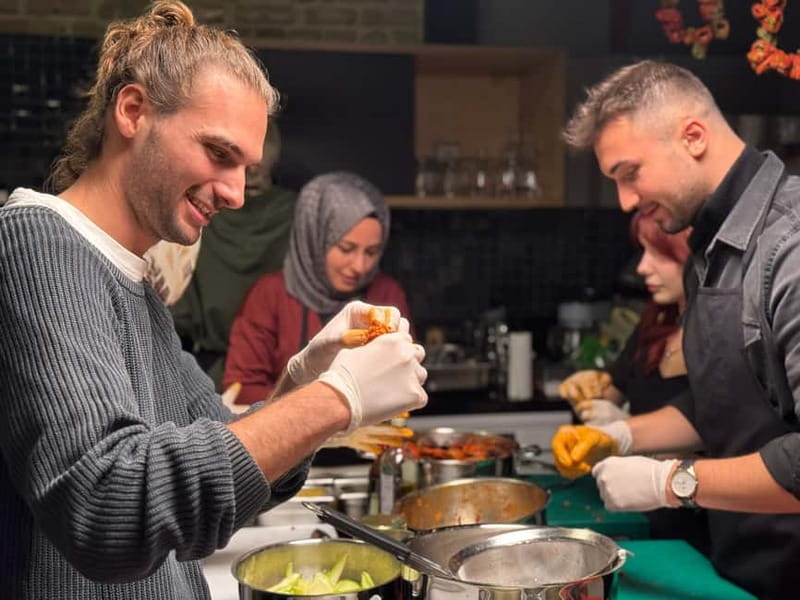
Here’s the core reason this class feels different from a standard Istanbul food tour: you customize your menu. You decide what you’ll cook across categories like soups, main courses, mezes, salads, and desserts, with support in multiple languages so you can communicate what you want.
The dishes available can include Turkish classics such as İmam Bayıldı, Mantı, Çerkez Tavuğu, and Sütlaç. You might also make regional favorites connected to Anatolia’s culinary traditions—plus a “sultan’s delight” style dessert that one guest called a highlight of their whole trip.
You’re not just choosing what sounds good. You’re shaping what you learn. If you care about sauces, you can lean into mezes. If you want a dessert win, you can build your menu around sweets. That flexibility is what turns the class from a one-night show into something you can repeat at home.
Chef Guidance That Focuses on Technique (Not Just Recipes)
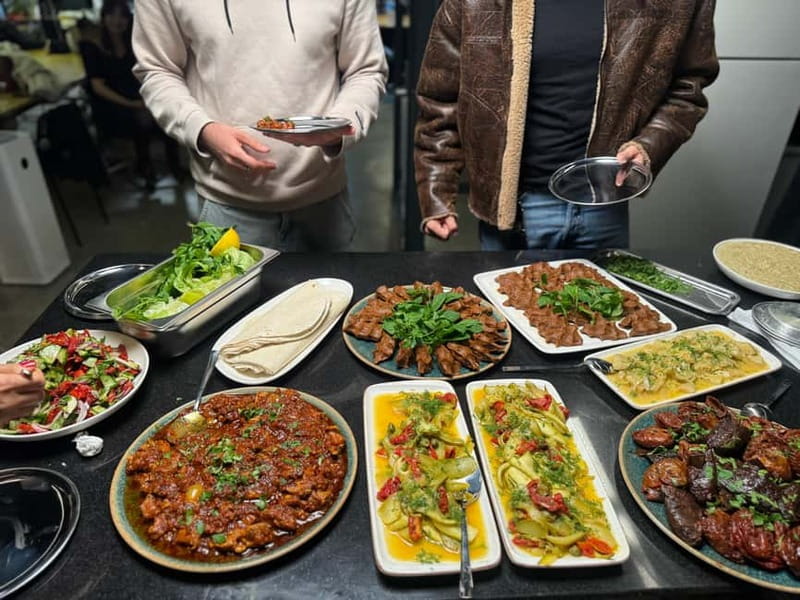
The chefs here aren’t casual cooks. The experience is led by a professional chef with 20+ years experience and multilingual facilitation. In real-world terms, that usually means you get clear steps, smart shortcuts, and the “why” behind common Turkish cooking moves—things like how spice blends behave, how textures change as you cook, and how to time components so everything lands warm.
A strong theme from the feedback is how the chef acts like an instructor and a host. For example, one guest specifically praised chef Sermin Tayyar for being an excellent guide who walked them through a multi-course meal with care. Another guest highlighted chef Nurgül, noting patience and a big menu with techniques that felt easy to replicate later.
Even when a chef’s primary language isn’t English, the experience includes translation support. One review mentions a translator named Armen helping when the chef didn’t speak English directly. Translation isn’t an afterthought here—it’s part of how the class keeps moving smoothly.
Knife Skills and Prep: The Part You’ll Actually Use at Home
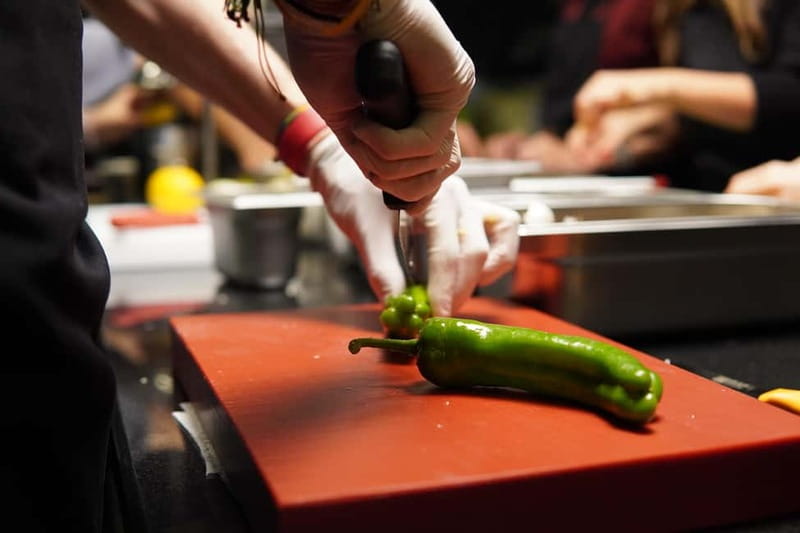
The class isn’t only about assembling ingredients. You also learn professional knife techniques—basic but important skills that affect everything from cooking times to final presentation.
In Turkish cooking, small prep decisions can change the outcome. Onion size influences sweetness and texture. Herb chopping affects aroma. Even portioning can make mezes look better and taste more balanced. The chef’s instruction aims at the stuff that matters.
Then you move from prep to action. You’ll cook step by step and learn traditional cooking methods along the way. If you’re a total beginner, that’s fine—the class is designed to guide you through each step. Still, if you’re hoping for a hands-off experience, you’ll likely feel more engaged than you expected.
Hands-On Cooking Flow: From Step-by-Step Prep to a Real Meal
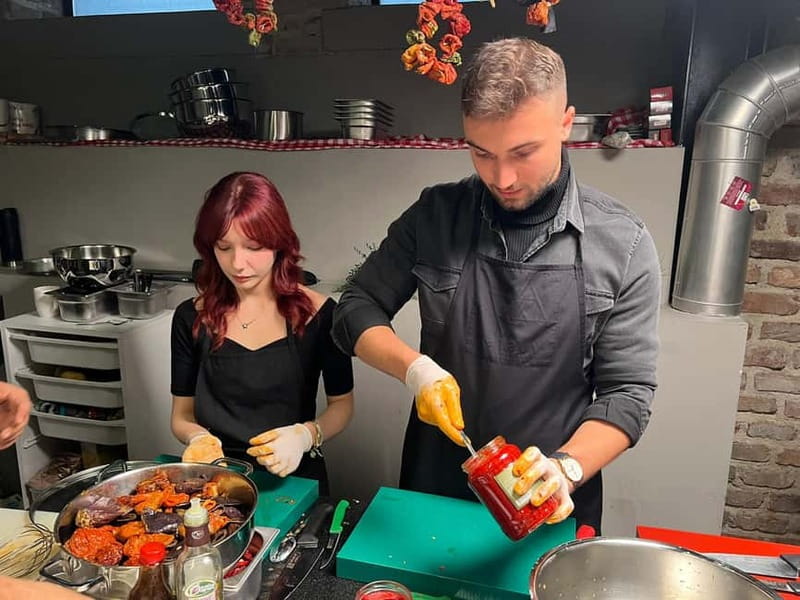
You can think of the class as moving through three phases: plan, cook, eat.
1) Plan and choose
You select what you’ll make—likely a combination of soup, a main, mezes/salads, and a dessert. That choice shapes the whole evening because ingredients and timing depend on your menu.
2) Cook in sequence
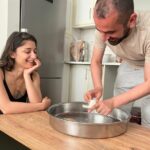
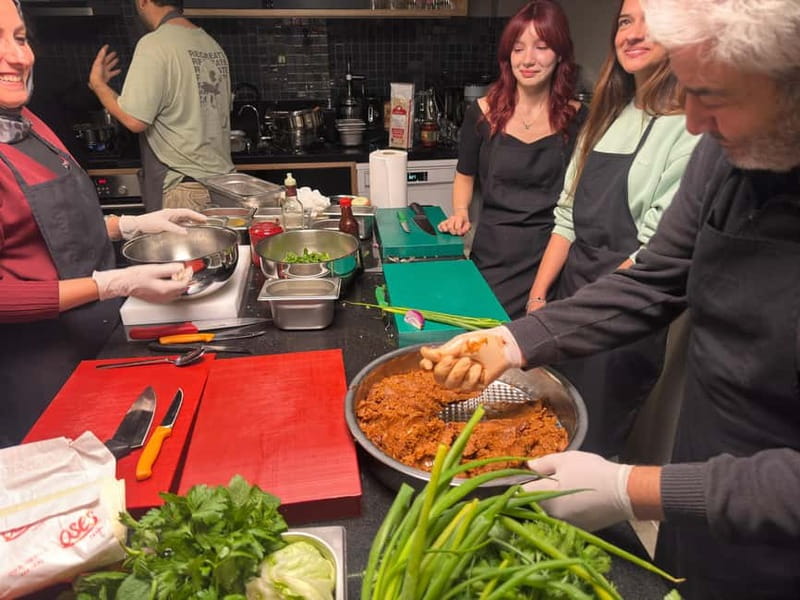
You’ll prepare, cook, and assemble using guided instructions. The process is hands-on and structured, so you’re not wandering. One guest described it as smooth and organized like a well-run kitchen system.
3) Eat at the chef’s table
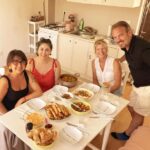
After cooking, you sit down and enjoy what you made. The “chef’s table” part matters because you’re not eating while cooking continues around you. You get to experience the result—then compare it to how it’s supposed to taste and look.
The payoff is practical. If you can cook an Anatolian menu once, you can repeat pieces later: a sauce, a dough technique, a plating style, a spice pairing.
A few more Istanbul tours and experiences worth a look






Plating Techniques: Learning the Turkish Style of Making Food Look Right
Turkish home-style cooking can be beautiful without being fussy, and this class teaches the plating side so your dishes look as good as they taste.
One of the emphasized skills is food styling and culinary presentation. That means you learn how to arrange elements on the plate so a meze looks inviting, a main looks balanced, and a dessert lands with the right finish.
This is also one reason take-home recipes help. You’ll remember not only what you cooked, but how it was presented—and that makes the recipes feel less abstract.
Dietary-Friendly Without Feeling Like a Compromise
If you follow a diet, don’t assume you’ll get stuck with a sad substitute. The experience explicitly supports vegan, vegetarian, and gluten-free options by tailoring your menu to you.
You’ll likely get the best results by being specific when you choose your dishes. If you’re gluten-free, tell the chef while choosing items, not after. The class is built around menu selection, so your choices become your customization plan.
This is a big value point for the price: many cooking classes can accommodate diets in name only, but here the menu structure is designed to work with different preferences.
Price and Value: Why $122 Can Make Sense for 3 Hours
At $122 per person for about 3 hours, you might wonder if it’s pricey. Then you compare what’s included.
You get:
- ingredients and cooking supplies (fresh and high-quality)
- guided instruction with knife and plating focus
- a meal from your own cooking at the chef’s table
- and a secret recipe list to take home
That recipe list can be the real value. If you cook even one of the dishes again at home, you turn the class into a multi-meal investment instead of a one-time souvenir.
Also, small group size matters. When you cap the class at 10, the chef can correct your technique. That’s hard to reproduce in a big group or a casual workshop where everyone gets rushed.
Who This Class Is Best For (And Who Should Skip It)
This works best for you if you:
- want hands-on Turkish cooking, not just a tasting
- like learning knife and plating basics, not only eating
- enjoy building a menu and eating what you made
- have dietary needs and want real accommodations
It may be less ideal if you:
- only want to sample Turkish food without cooking
- hate structured steps and prefer total freedom in a restaurant
- want a purely historical tour vibe rather than a working kitchen experience
If you’re starting your Istanbul trip, it can also act like a flavor compass—by understanding techniques and ingredients, you’ll eat more thoughtfully later.
Useful Tips Before You Go
These are small moves that help the experience go smoother.
- Choose dishes based on what you want to learn, not only what sounds tasty. If you care about dough, look for menu options like Mantı.
- Think about your comfort level with chopping and cooking. The class guides beginners, but it’s still active work.
- If English isn’t your main language, confirm language support up front. The menu can be supported in Turkish, English, German, Russian, or Arabic, and translation can be available depending on the chef’s language.
Should You Book This Istanbul Turkish Cooking Class?
I’d book it if you want something more useful than another meal. You’re paying for technique, customization, and the chance to recreate real Turkish dishes later with a secret recipe list.
It’s also a nice choice if you like meeting people without the chaos of a big crowd. The pace feels relaxed, the setting is calm, and the class structure helps you focus on cooking instead of logistics.
If you’re hoping for a passive food show, skip it. But if you want to leave with skills—knife work, plating ideas, and Anatolian recipes you can repeat—this class is an easy yes.
FAQ
How long is the Turkish cooking class?
It lasts about 3 hours.
What’s included in the price?
You’ll get all cooking ingredients, step-by-step instruction, guidance on knife techniques, ingredient knowledge (including cooking and spice pairings), a secret chef recipe list, and beverages.
Can I choose what I cook?
Yes. You customize your menu from options like soups, mains, mezes, salads, and desserts, and you prepare the dishes step by step.
Are vegan, vegetarian, or gluten-free options available?
Yes. Vegan, vegetarian, and gluten-free options are available, and your menu is tailored to fit your dietary needs.
How big is the group?
It’s a small group limited to 10 participants.
What languages are offered during the experience?
The class lists instructor languages as English, Russian, and Turkish, and it also indicates menu support in Turkish, English, German, Russian, or Arabic.
Where is the meeting point?
The meeting point is a spacious, bright studio diagonally to the right of Arada Beyrut Cafe and directly across from Lavander Cafe.
Do I take anything home?
Yes. You receive a secret chef recipe list so you can recreate what you cooked at home.