REVIEW · ISTANBUL
Istanbul: Fener and Balat Guided Walking Tour
Book on GetYourGuide →Operated by Tripster Travel Cappadocia · Bookable on GetYourGuide
Some neighborhoods in Istanbul feel like a map in motion. Fener and Balat reward you with colorful staircases and real places of worship, not just photo spots. I especially love the payoff at St. Mary of the Mongols (1266) and the moment you see why Balat’s Bulgarian Church is nicknamed the Iron Church. One drawback to plan around: it’s a lot of walking on uneven streets and steps, so comfy shoes are non-negotiable.
This tour also gives you a clear sense of how different communities lived side by side—Greek, Armenian, Jewish, and Bulgarian—while you move between churches and historic institutions. The guide I’ve heard about, Emine, is the kind of person who helps you stay oriented and even figures out what to do if your plans change, which matters when you’re navigating on foot. Expect several church visits and photo stops, plus some short breaks for free time to regroup and grab coffee nearby.
In This Review
- Key Points I Think You’ll Care About
- A 3-hour walk through Fener and Balat’s multi-faith streets
- Starting in Eminönü: how the meeting works and why it matters
- Fener: Greek church energy, primary school context, and the Cantemir house
- St. Mary of the Mongols (1266) and Phanar College: a lesson in continuity
- Panagia Paramythia Church: the stop that changes the color palette
- Balat’s Iron Church and wooden houses: where the photos feel real
- Price and value: what $83 buys you in real time
- What to bring (and how to avoid the usual walking-tour pain)
- Who should book this Fener and Balat walk
- If the guide is good, you notice it: why Emine’s style matters
- Should you book this tour?
- FAQ
- How long is the Istanbul Fener and Balat guided walking tour?
- Where do I meet the guide?
- What churches are included for entrance?
- Is the tour good for photography?
- What is not included in the price?
- What language is the live guide available in?
- What should I bring?
- Is this tour suitable for wheelchair users or mobility impairments?
- Can I cancel or reserve later?
Key Points I Think You’ll Care About
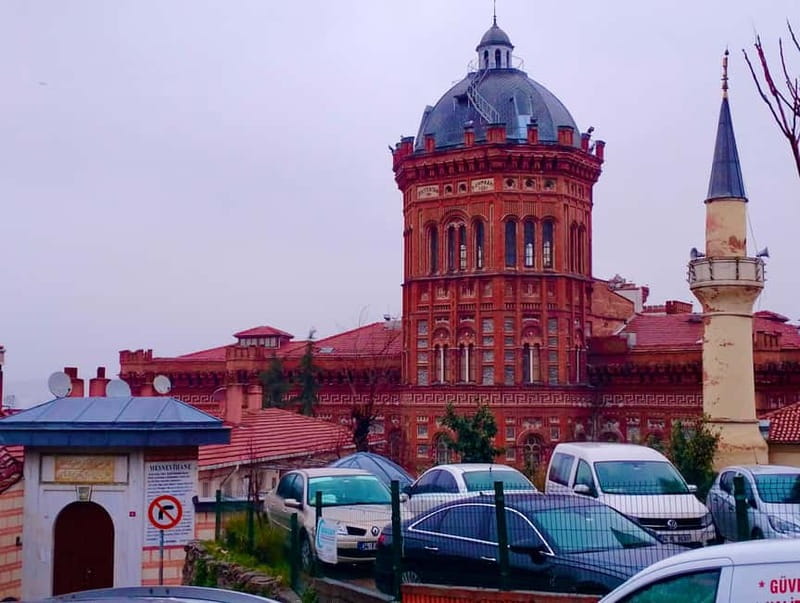
- St. Mary of the Mongols (1266): a standout stop with major age and meaning
- The Iron Church: the Bulgarian Church and its cast-iron production nickname
- Fener-to-Balat flow: you’ll follow the geography and history in one direction
- Schools and historic institutions: you see more than churches, including Phanar College
- Balat’s staircases and wooden houses: photo opportunities that feel lived-in
- English or Russian guided narration: plus the guide keeps you on track
A 3-hour walk through Fener and Balat’s multi-faith streets
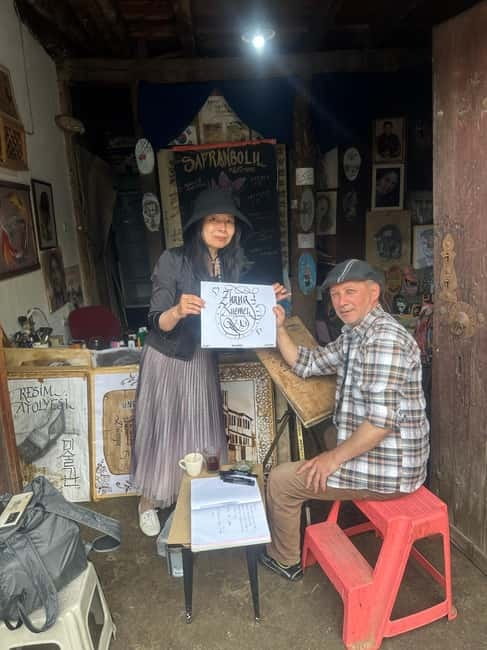
Fener and Balat are often talked about as two of Istanbul’s most character-heavy areas, and that reputation holds up. What makes them work as a guided walk is the way the neighborhoods layer together: streets slope, stairs funnel you between views, and each turn gives you another piece of the community story. In a short time, you get the sense that Istanbul is not one single culture—it’s a patchwork of faiths, languages, and daily life.
This is a practical 3-hour experience. You’re not commuting across town; you’re concentrating on one side of the city and letting the neighborhood do the teaching. You’ll pass by churches, synagogues, mosques, and other historic sites, which is the fastest way to understand why locals treat these districts as more than “attractions.”
If you like travel that feels specific—names of buildings, dates, and the meaning behind landmarks—this route is built for you. If you want a slow day with long museum time, you might find the pacing a little intense. But if your goal is to get your bearings and learn what you’re actually looking at, this hits the mark.
You can also read our reviews of more walking tours in Istanbul


Starting in Eminönü: how the meeting works and why it matters
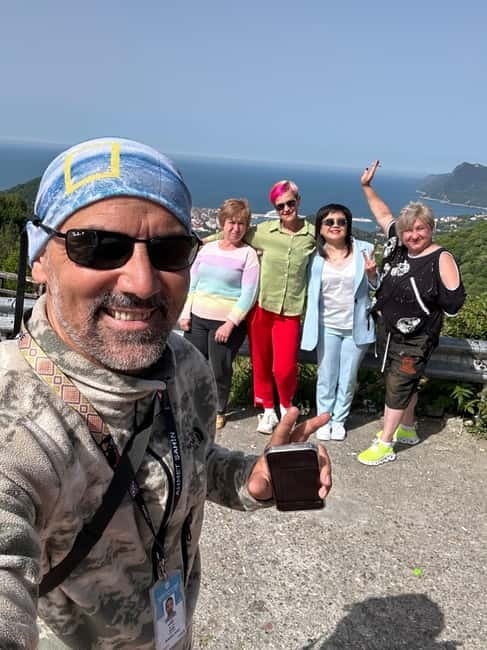
You start in Eminönü at the Kadıköy ferry terminal entrance. The guide will be waiting with a Tripster Travel sign, which is helpful because ferry terminals can be chaotic, especially near boarding areas. This matters because Istanbul’s public spaces are big and busy; a clear meeting point saves you time and stress.
From there, the tour moves into Fener first, then heads toward Balat. You’re basically letting the guide steer you through the right streets so you don’t spend half your morning just finding the next church or view. That’s a real value of a guided format here—your time stays focused on the neighborhood, not on navigation.
Plan to arrive ready to walk. The tour is designed around getting from one stop to the next, and there’s no time for wandering off. If you want a stress-free start, do the simple things: water bottle packed, phone charged, and comfortable shoes already on.
Fener: Greek church energy, primary school context, and the Cantemir house
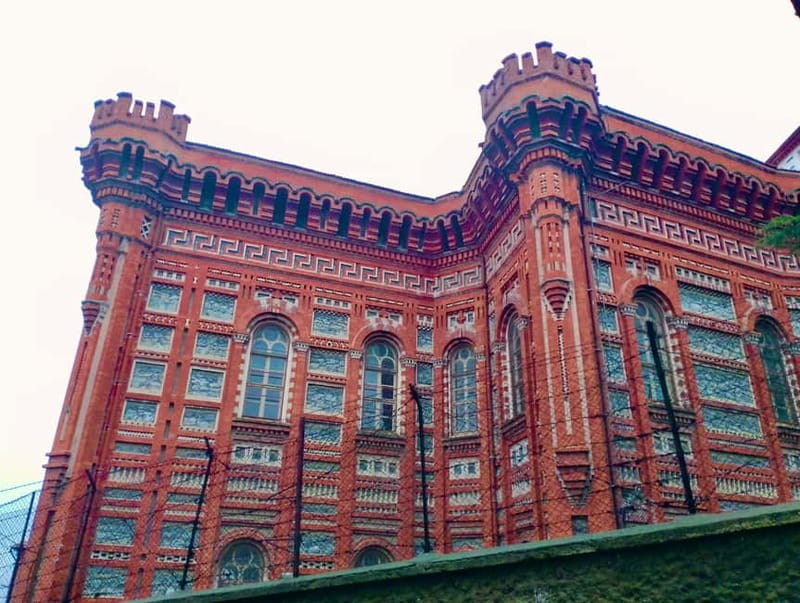
The Fener portion of the tour starts with a Greek church and a Greek primary school area. That combo is a smart introduction because it doesn’t treat the neighborhood as only “old buildings.” It shows you how community life continues alongside the historic walls.
Then you follow the area’s signature stairways. Balat and Fener are famous for slopes and steps, and once you’re walking them, you’ll understand why people talk about the “staircase views.” These aren’t just for photos. The stairs are how you access viewpoints, building fronts, and little corners where daily life happens.
Along the way, you’ll see the house of Romanian prince Dimitrie Cantemir. That stop adds a broader historical thread. Cantemir’s presence here helps you connect Istanbul’s local identities to wider Eastern Mediterranean history—why this city attracted scholars, rulers, and elites over centuries.
Fener also includes several photo stops and short stretches of guided time. You’ll get the story behind what you’re seeing, then you’ll have quick windows to take pictures and look around on your own. If you’re the kind of traveler who likes to understand before you shoot, this pacing will feel good.
One note for your expectations: the tour is designed to keep moving. If you want to linger for 30 minutes at one viewpoint, you’ll need to use the brief free time moments instead of expecting long stops.
St. Mary of the Mongols (1266) and Phanar College: a lesson in continuity
One of the real anchors of this walk is the Church of St. Mary of the Mongols, built in 1266. It’s the kind of age that changes how you look at a building. You stop seeing it as “a church” and start imagining generations passing through the same general space, with community identity carrying through long stretches of time.
Next you’ll visit the Phanar Greek Orthodox College. Seeing a school alongside major religious landmarks gives the story more balance. It’s easy to think of historic districts as only heritage sites, but institutions like Phanar College show why places stay relevant: education and religious life often go together.
Also keep in mind what your guide is trying to do here. The tour is not just naming objects; it’s connecting them. The sequence—church to school to more churches later in Balat—builds a sense of continuity. You get the feeling that communities used these spaces year after year, not just during tourist seasons.
Entrance to the Greek church is included, and the tour is set up to help you avoid ticket-line delays at the churches they include. That matters because church queues can chew up your time if you’re doing everything independently.
Panagia Paramythia Church: the stop that changes the color palette
After the Fener landmarks, the tour moves to the Panagia Paramythia Church. This is one of those stops where you’ll notice how the neighborhood’s character shifts as you walk. The architecture, the setting, and the atmosphere feel different enough that it doesn’t blend into the previous church visits.
If you’ve never traveled through districts where multiple faiths share space, this is where you start to feel it on a human level. The tour keeps you walking, but the stops themselves give you moments to reset your perspective: you look, you listen, and then you move to the next place with a better understanding of what the district is.
Photography is generally allowed, but you won’t be using flash inside the churches. The guide will set that expectation so you don’t accidentally break the rules and lose time.
You can also read our reviews of more guided tours in Istanbul



Balat’s Iron Church and wooden houses: where the photos feel real
Heading into Balat is where the neighborhood’s look becomes instantly recognizable. Balat is famous for its colorful staircases and wooden houses, and you’ll spend time taking it in rather than just reading a sign. Walking here feels like moving through a vertical neighborhood—buildings stacked up on slopes, faces turned toward the stair lines, and little pockets of street life popping into view.
A major highlight in Balat is the Bulgarian Church, also known as the Iron Church because of the cast iron used in its production. That detail is exactly the kind of information you want on a guided walk. It’s not just a nickname; it gives you a reason behind the name. When you look closely after hearing that, the building starts to make more sense as an engineered choice, not just a church facade.
The tour also includes visiting this Bulgarian Church, and entrance is included. So you’re not juggling tickets while trying to keep pace with the group. That’s a small thing that makes the experience feel smoother overall.
After the church time, you’ll also check out the famous wooden houses. These can be hard to appreciate without context, because from a distance they look like “historic houses.” With a guide, you learn how to observe: materials, color, and the way homes line up along the stair lanes. It turns the photo into a better understanding of what makes the streets special.
Price and value: what $83 buys you in real time
At $83 per person for about 3 hours, this tour sits in the “good value if you care about stops” category. You’re paying for three things that add up quickly in Istanbul:
1) a live guide to explain what you’re seeing (so you’re not guessing),
2) included entrance to the Greek and Bulgarian churches, and
3) time savings from skipping ticket-line hassle at the included churches.
Meals aren’t included, so you’ll either bring water and snack plans or use your short free time windows to buy something nearby. That’s normal for a short walking tour, and it gives you flexibility if you have dietary needs.
If you’re the type who can easily get museum-level value from a well-timed guide, you’ll feel like this price makes sense. If you’re mainly after scenery and don’t care about the building stories, you might find cheaper self-guided options more appealing. But for most people who want more meaning than a stroll, the structure is worth it.
What to bring (and how to avoid the usual walking-tour pain)
This is a walking tour, and Istanbul’s streets here can be step-heavy. Bring comfortable shoes and treat the day like you’re on uneven pavement and stairways for the entire route. If your shoes are “cute but not sturdy,” you’ll feel it.
Also pack water. Even in cooler months, you’re still outside moving between stops. Add sunscreen and a hat if the sun is strong. And bring a camera since photography is allowed—just remember there’s no flash inside churches.
You’re also smart to check the weather forecast and dress appropriately. A sudden rain can turn stair walking into a slippery slog, and the tour still expects you to keep moving.
Finally, remember the simple rules: no smoking, and no flash inside churches. Following that keeps the tour respectful and helps you avoid delays.
Who should book this Fener and Balat walk
This tour is best for you if:
- you like historic neighborhoods with multiple faiths and languages,
- you want specific, named landmarks (St. Mary of the Mongols, Phanar College, Panagia Paramythia, the Iron Church),
- you enjoy stair-and-street photography and want to understand what you’re photographing,
- you prefer a guided format so you don’t waste time figuring out which church to see next.
It’s also a good pick if you’re a solo traveler or you want a straightforward route that gets you through a concentrated part of Istanbul.
It’s not a great fit if you need wheelchair access or mobility support, since it’s not suitable for mobility impairments and is not designed for wheelchair users.
If the guide is good, you notice it: why Emine’s style matters
One thing that stood out to me from what people share about this experience is the guide’s attention to your actual day. Emine is described as kind and helpful, and in at least one case helped someone connect onward to their next plan after joining only part of a longer schedule. That tells you something practical: the guide’s role isn’t just to talk at the front. It’s to keep you oriented and moving, especially when your timing changes.
For you, that means less stress. You show up, you follow along, and if life happens—late start, changed plans—you’re more likely to find a solution without scrambling.
Should you book this tour?
Yes, book it if you want a focused 3-hour walk that connects landmarks to the people who built and used them. The included church visits, the standout stops like St. Mary of the Mongols (1266), and Balat’s Iron Church detail make it feel like more than a scenic stroll. Plus, the guide-led pacing helps you experience the stair lanes and wooden houses with context instead of just looking.
Skip it if you hate walking on uneven streets, need accessibility support, or only want broad sightseeing with minimal stops. In that case, you’ll likely be happier with a lighter self-guided plan.
FAQ
How long is the Istanbul Fener and Balat guided walking tour?
It lasts about 3 hours.
Where do I meet the guide?
You meet in Eminönü at the Kadıköy Ferry Terminal entrance. The guide will be waiting with a Tripster Travel sign.
What churches are included for entrance?
Entrance is included for the Greek Church and the Bulgarian Church.
Is the tour good for photography?
Photography is allowed, but flash photography is not permitted inside the churches.
What is not included in the price?
Meals and beverages are not included.
What language is the live guide available in?
The live tour guide is available in English and Russian.
What should I bring?
Bring comfortable shoes, a hat, a camera, sunscreen, and water.
Is this tour suitable for wheelchair users or mobility impairments?
No. It is not suitable for people with mobility impairments and is not designed for wheelchair users.
Can I cancel or reserve later?
You can cancel up to 24 hours in advance for a full refund. You can also reserve now and pay later.