REVIEW · ISTANBUL
Traditional Home Cooking with a Local in İstanbul Center
Book on GetYourGuide →Operated by Lokal Bond · Bookable on GetYourGuide
Istanbul tastes better when you shop first. This 4-hour home cooking experience with Gülşah in Kurtuluş pairs a real market walk with hands-on lessons, so you understand what you’re buying and why it matters. I like two things most: the Kurtuluş market shopping and the shared, hands-on cooking that ends with a proper home meal, not a snack-and-run demo.
You’ll start around the Ramada Plaza Otel meeting point and then move through the neighborhood’s small family shops. Expect stops like a spice store where you’ll get sumac, plus a bakery stop that smells like everyday comfort, and other neighborhood favorites such as pickles and charcuterie. Along the way you’ll taste things, ask questions, and get the kind of answers you never get at a restaurant menu.
The only real heads-up is the dog. A friendly, gentle dog (described as a Jack Russell terrier named Microb in at least one review) will be with you, so let the host know in advance if that’s an issue for you.
In This Review
- Key Highlights That Matter
- Kurtuluş Market Walk: Shopping Like You Belong
- Choosing Ingredients: Spices, Pickles, Bakery Stops, and More
- Back to Gülşah’s Home Kitchen: How the Cooking Lesson Works
- The Menu You Might Make: Börek, Dolma, Meze, and Dessert
- Eating Together with Tea, Turkish Coffee, and Real Istanbul Talk
- Price and Value: What $120 Buys in 4 Hours
- Practical Tips for Meeting at Ramada Plaza and Timing Your Day
- Who Should Book This Istanbul Home Cooking Class
- Should You Book It: My Decision Guide
- FAQ
- Where is the meeting point?
- How long is the experience?
- What is the group size?
- What languages are used during the class?
- What is included in the price?
- Is alcohol included?
- Can the menu be adapted for dietary restrictions?
- Is there a dog during the experience?
- How can I get there from Taksim or Old Town?
- Is free cancellation available?
- Can I reserve now and pay later?
Key Highlights That Matter
- Kurtuluş market route with real shopping for spices, produce, baked goods, and pickles
- Cooking with Gülşah at her home at a slow pace, with step-by-step guidance for first-timers
- Menu choices depend on the market and season, so you cook what’s actually good right now
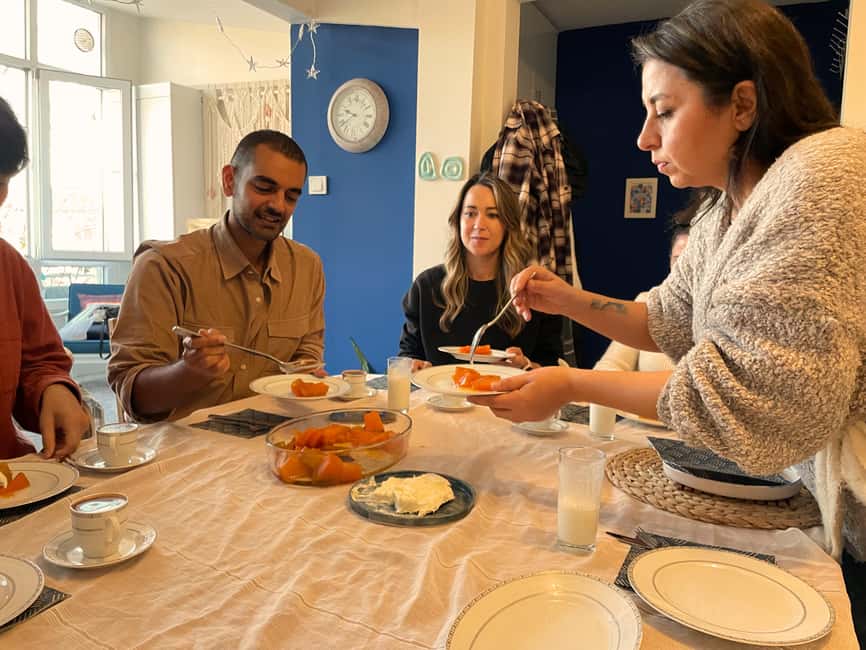
- A shared meal with tea and Turkish coffee, plus conversation that feels personal
- Small group size (up to 5) for better interaction and a calmer kitchen experience
- Dietary needs can be accommodated if you tell the host ahead of time
Kurtuluş Market Walk: Shopping Like You Belong
The best part of this experience is how it starts before the cutting board. You’re not just learning recipes. You’re learning how Turkish cooks choose ingredients in real life—by feel, by smell, and by what’s available today in a neighborhood like Kurtuluş.
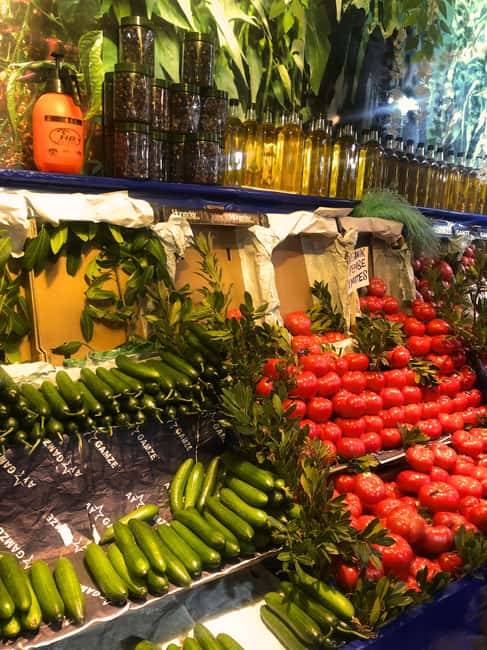
The walk is built around small, family-run shops. You’ll likely visit a spice store early, because Turkish flavor starts there. Sumac shows up often in Turkish dishes, and learning what it is—and when to use it—makes the cooking class click. You’ll also hit a bakery, where the smell alone is a clue to why Turkish pastries and breads have such devoted followings.
What you’re really buying is context. When you see how people shop for everyday food, you understand why Turkish meals often feel balanced: tangy with sumac or pickles, fresh with herbs, warm with baked dough, and finished with tea or coffee. It’s practical knowledge you can take home.
Also, this isn’t a museum-style tour where everyone stays in a line. People in the shops often greet the host in person, which means you’re seeing how food and community connect in Istanbul. If you like food experiences where conversation is part of the meal, you’ll feel comfortable here.
You can also read our reviews of more cooking classes in Istanbul
Choosing Ingredients: Spices, Pickles, Bakery Stops, and More
As you move through the market, you’ll stop to taste and chat. That might sound small, but it’s what separates this from basic cooking classes. Turkish cuisine relies on small differences—what kind of yogurt, what kind of vinegar, what kind of spice blend, and even how pickles are packed—that change the final dish.
Here’s what the ingredient stops are likely to teach you:
- Spices and sour notes: You’ll get familiar with sumac and how it adds a lemony, tangy lift without being bitter.
- Baked goods and dough logic: Bakery stops help you understand texture—why some doughs puff, why some stay crisp, and how pastries become flaky.
- Pickles and charcuterie as flavor anchors: These aren’t side items. They add sharpness and salt that make a meal feel complete.
- Seasonal produce: You’ll pick up vegetables and herbs that fit the time of year, which affects dishes like meze and dolma-style fillings.
You should know one thing upfront: anything you buy for yourself during the market tour is not included. That’s normal for this format, but plan for it. If you want to bring spices home, this is the part to do it. Just budget a little extra if you’re the type who likes to shop when the guide points out the good stuff.
Finally, the tastings during the walk are usually there to guide your palate. It’s not a full meal disguised as shopping. It’s a preview so you can cook with better instincts later.
Back to Gülşah’s Home Kitchen: How the Cooking Lesson Works
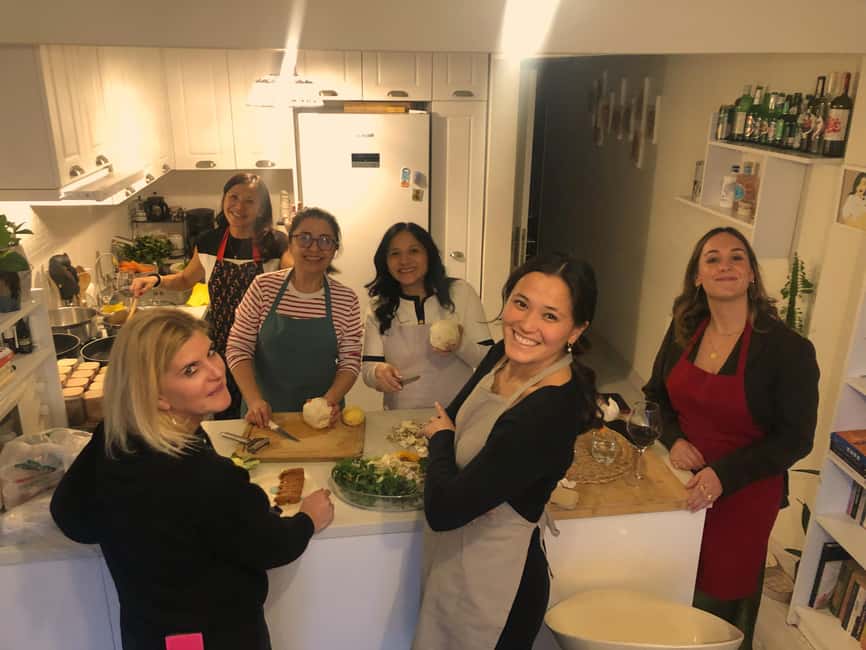
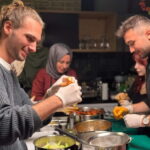
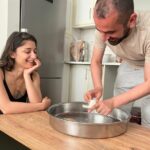
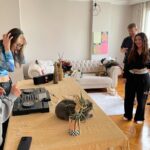
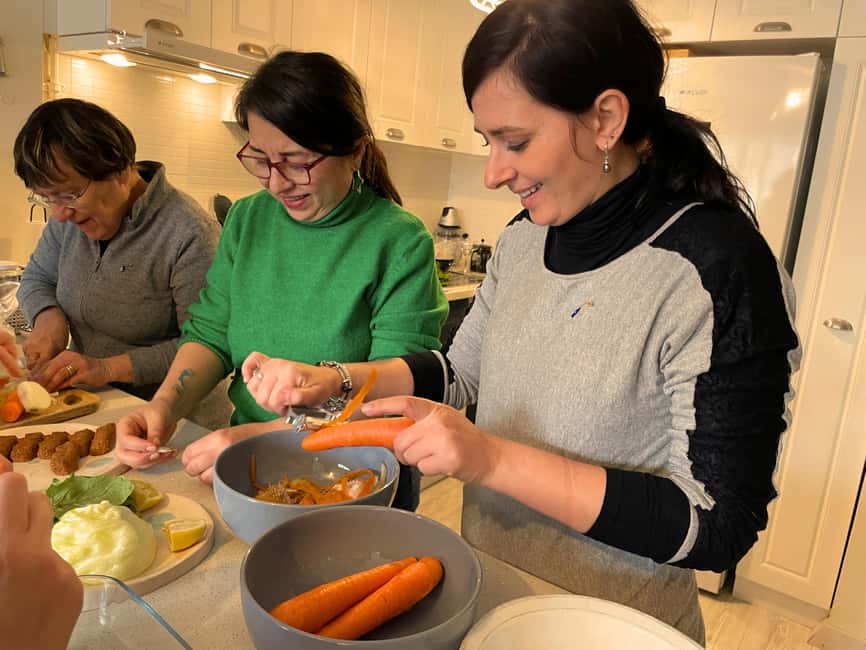
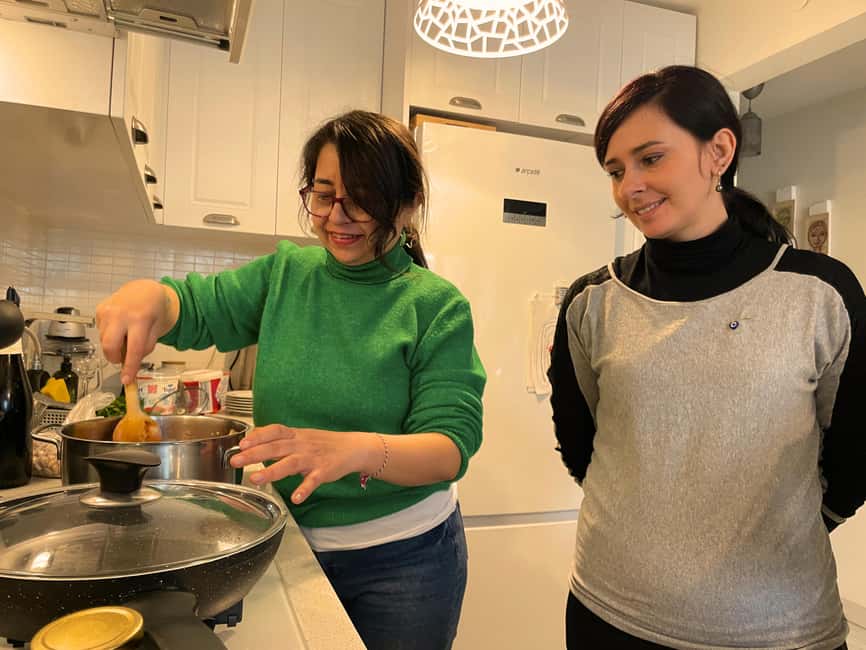
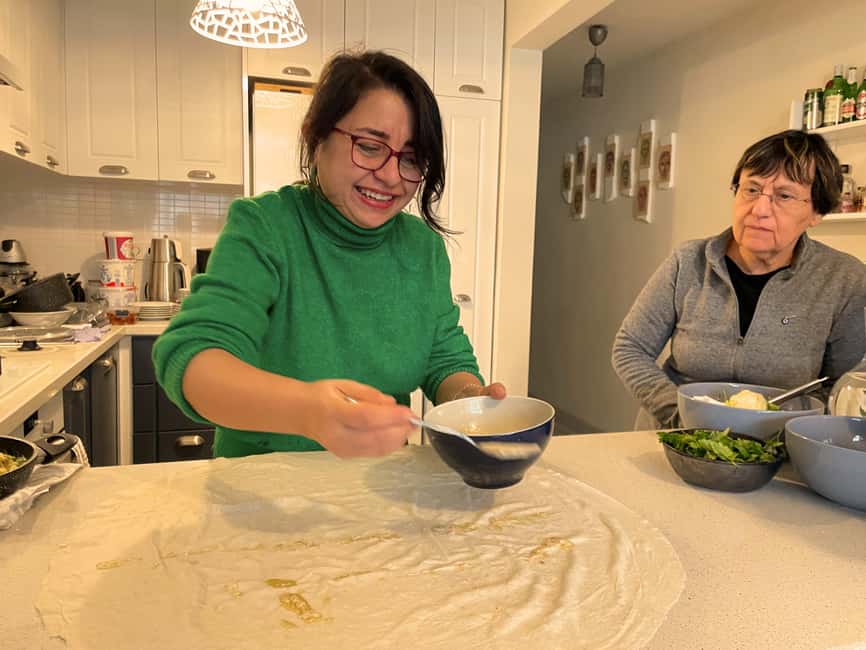
Once you reach Gülşah’s home, the tone shifts from street to kitchen. The format is cooperative and relaxed: you’ll cook alongside the host rather than watching from a distance.
Several details make this work well for beginners:
- You don’t need prior cooking experience. Gülşah guides you through the process step-by-step.
- It moves slowly enough to be fun, not stressful. You get time to ask why something works, not just how to do it.
- You participate in real tasks. Reviews mention slicing, dicing, stirring, setting the table, and generally feeling involved.
You’ll also learn Turkish cooking through technique, not just outcomes. For example, baking dough or assembling a filling teaches you how Turkish home cooks manage thickness, moisture, and seasoning. In at least one description of the menu, Gülşah used recipes passed down from her grandmother, which adds meaning to the whole lesson: it’s not “chef gimmicks,” it’s family food logic.
One small practical note: this is a home environment. If you have mobility limits, you should ask in advance about stairs or access to the apartment area. A review mentioned there were lots of stairs, so it’s worth checking before you go.
The Menu You Might Make: Börek, Dolma, Meze, and Dessert
This isn’t one rigid “four dishes no matter what” class. The dishes depend on what’s in season and what inspires Gülşah from the market. That flexibility is part of the value—because Turkish home cooking changes with the year.
Depending on the menu that day, you might cook:
- Börek: Mentioned repeatedly as a highlight. You’ll learn how dough and filling come together and how to shape or layer for a satisfying bite.
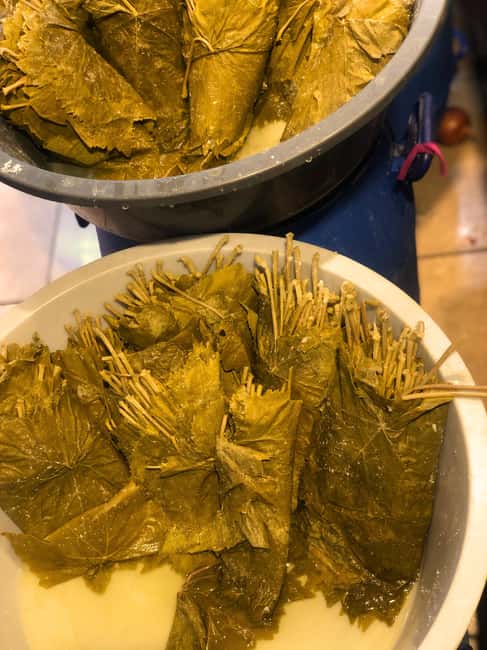
- Dolma: Often shows up in discussions of what you may make. If the day includes it, you’ll likely work with seasoned fillings wrapped or arranged around vegetables.
- Meze-style sides: Many meals like this lean toward small plates—salads, vegetable dishes, and savory starters that round out the dinner.
- Lentil soup and other hearty starters: Reviews describe lentil soup as a common starter choice.
- A Turkish dessert: Semolina dessert and fig pudding were both mentioned in reviews, and the experience includes an authentic Turkish dessert.
Here’s the best reason this menu approach is worth your time: it’s how Turkish households actually cook. The goal isn’t to learn a single recipe and leave. It’s to learn enough technique and flavor logic that you can recreate the style later.
You’ll also get a satisfying amount of food. Even first-time cooks end up with a full dinner spread. And since it’s a small group, you’re not racing other classes through the same bowl.
Eating Together with Tea, Turkish Coffee, and Real Istanbul Talk
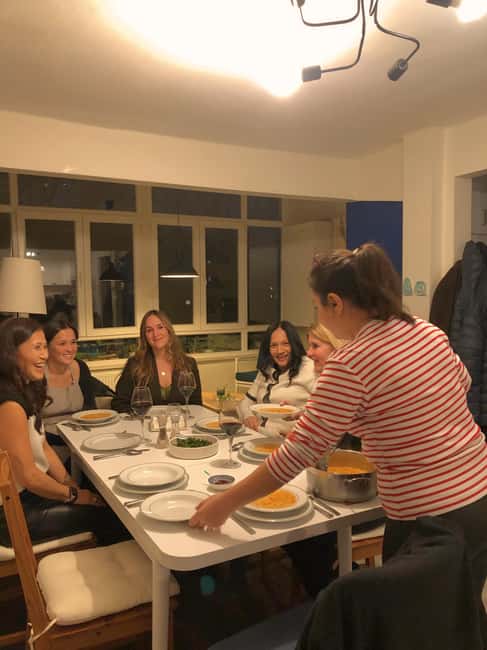
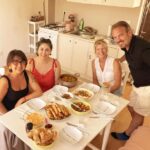
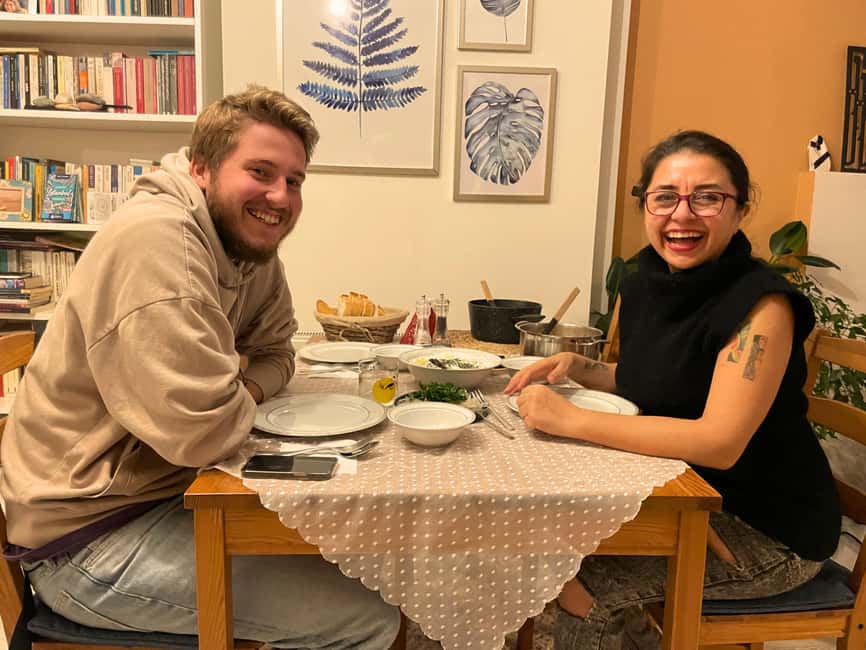
This is not a “cook and immediately leave” experience. When you finish cooking, you sit down as a group and eat together, like friends do.
That matters more than people expect. Turkish hospitality is a food culture. Tea and Turkish coffee aren’t just beverages here—they’re part of the rhythm. One of the most consistent takeaways is that the class turns into conversation. You’ll talk about food habits, family life, and what Turkish dishes mean beyond ingredients.
If you’re a solo traveler, that social time is a big plus. Several descriptions of the experience mention meeting other people naturally because everyone ends up working together at the kitchen counter.
You should also plan on being pleasantly full. The meal includes dinner plus tea, Turkish coffee, and dessert. Alcohol isn’t included, so if you like pairing dinner with wine or beer, you’ll need to handle that separately.





Price and Value: What $120 Buys in 4 Hours
At $120 per person for a 4-hour experience, you’re paying for more than cooking instruction. You’re paying for access: the market walk, the ingredient choices, the home kitchen time, and the shared meal in a setting that’s not designed for tourists.
Here’s what makes the price feel fair for the value:
- Market tour + tastings + cooking + dinner are all in one package. You get the full food cycle.
- Small group size (up to 5) means you’re not stuck as a spectator.
- You actually cook, instead of just watching a demonstration.
- Included beverages and dessert take the edge off typical “extra charges” you’d face at restaurants.
The one cost that can add up is anything you choose to buy during the market tour for yourself. That’s optional, but it’s common to want souvenirs that are actually usable—like spices you can shake into future dinners.
If your goal is restaurant meals with no strings attached, this might feel pricier. If your goal is learning how Turkish flavor comes together, it’s a strong deal.
Practical Tips for Meeting at Ramada Plaza and Timing Your Day
You’ll meet in front of Ramada Plaza Otel. Since Istanbul traffic can be unpredictable, plan to arrive a little early.
Public transport is usually the easiest approach:
- From Old Town (Sultanahmet, Hagia Sophia area), take Tram T1 to Laleli–İstanbul Ü, then walk to the Vezneciler metro line connection and take Metro M2 to Osmanbey.
- From Taksim, take M2 to Osmanbey.
Use the Dolapdere / Pangaltı exit when you get off at Osmanbey.
Once you’re there, the rest is a neighborhood walk and then a home-cooking session. This is the type of evening where comfortable walking shoes matter.
Also, the class language support is English and Turkish, so you’ll be able to follow along even if your Turkish is limited.
Who Should Book This Istanbul Home Cooking Class
This experience is ideal for you if:
- You love Turkish food and want the ingredients behind the flavor, not just the final dish
- You prefer small group learning over large tour groups
- You want conversation and culture through everyday life, not only sightseeing
- You’re okay cooking for yourself at a beginner-friendly pace
It may be a poor fit if:
- Dogs are a concern for you (the friendly host dog will be present)
- You have mobility issues and didn’t check about stairs/access
- You only want a quick meal and don’t care about the market shopping portion
One more good match: if you’re the kind of person who likes returning home with practical recipes plus a shopping list in your head, this class delivers.
Should You Book It: My Decision Guide
Book this Istanbul cooking experience if your best vacation memories are made in real kitchens—where you shop, cook, eat, and talk. The format is short enough to fit into a busy trip, but complete enough that you leave with both confidence and actual food knowledge.
I’d also book it earlier in your trip, if you can. Knowing where flavors come from and how to shop in a Turkish way makes it easier to choose your next meals around the city.
If you have dietary restrictions, tell the host ahead of time. The class is designed to adapt, so you won’t be stuck with a generic “no” on your plate.
FAQ
Where is the meeting point?
You meet at the Ramada Plaza Otel, in front of the hotel.
How long is the experience?
The duration is 4 hours.
What is the group size?
It’s a small group limited to 5 participants.
What languages are used during the class?
The instructor speaks English and Turkish.
What is included in the price?
Cooking materials and ingredients, dinner, authentic home cooking, a local market tour, tea, Turkish coffee, and an authentic Turkish dessert are included.
Is alcohol included?
No, alcoholic beverages are not included.
Can the menu be adapted for dietary restrictions?
Yes. If you have dietary restrictions, you should let the host know ahead of time and they’re happy to adapt.
Is there a dog during the experience?
Yes. The host has a friendly dog that will be with you throughout the experience, and you should mention any concerns or allergies in advance.
How can I get there from Taksim or Old Town?
From Taksim, take M2 to Osmanbey. From Old Town, take Tram T1 to Laleli–İstanbul Ü, walk to the metro connection at Vezneciler–İstanbul Üniversitesi, then take M2 to Osmanbey. Use the Dolapdere / Pangaltı exit.
Is free cancellation available?
Yes. You can cancel up to 24 hours in advance for a full refund.
Can I reserve now and pay later?
Yes, you can reserve now and pay later to keep your plans flexible.