A long time ago, people built sacred places. This 3-day route strings together some of the region’s most mind-bending archaeology with Şanlıurfa’s spiritual sites and a real city stroll, all with English guidance and hotel pickup. I love that you don’t just hop between landmarks; you get context for why these places matter.
Two things I especially like: the guide focus on clear explanations (the name Selim Bakır comes up again and again), and the pacing that leaves room to actually look, not just pose for photos. One drawback to consider is that the schedule packs a lot into each day, so expect long car time and plenty of walking when you’re near the sites.
There’s also a weather reality check. Mount Nemrut and the summit area depend on good weather, and if conditions are poor, the tour may be offered on a different date or refunded.
In This Review
- Key highlights you’ll feel on the trip
- Why this Şanlıurfa–Nemrut route works so well
- Day 1: Göbeklitepe and Karahan Tepe, where the timeline gets weird
- Day 1’s spiritual stop: Balıklıgöl and the Abraham sites
- Day 1 night: Hasbahan Konak gives you a calmer landing
- Day 2: Commagene power in four stops before Nemrut
- Mount Nemrut: the summit is dramatic, but the real work is looking
- Day 3 in Harran and Şanlıurfa: beehive houses, museums, then bazaar time
- Museums vs. monuments: how to use your time without feeling rushed
- Price and value: is $1,400 per person fair for this much ground?
- Who should book this tour (and who might not)
- Practical tips for comfort on days packed with monuments
- Should you book this 3-day Şanlıurfa archaeology and city tour?
- FAQ
- What is the duration of the tour?
- What time does the tour start?
- Is hotel pickup included?
- What language is the tour offered in?
- What meals are included?
- Are tickets and admission included?
- What sites are covered over the three days?
- Is this a private tour?
- What is the cancellation policy?
- Is the tour suitable for most travelers?
Key highlights you’ll feel on the trip
- Göbeklitepe’s 12,000+ year ritual complex: older than writing and pottery, and still powerful in person
- Karahan Tepe’s early-Neolithic promise: T-shaped obelisks and a site that may push the timeline earlier
- Nemrut’s Commagene statues and royal tomb sanctuary: colossal figures scattered across the peak
- Commagene engineering and royal power: Karakuş Tumulus, Cendere Bridge, and Arsemia in one logical arc
- Şanlıurfa city depth: museums, Aynzeliha Lake, and a covered bazaar walk including Gümrük Han
Why this Şanlıurfa–Nemrut route works so well
This tour is built around a simple idea: you see ancient religion and ancient rule, then you come back to everyday life in Şanlıurfa. Day 1 starts with Göbeklitepe and Karahan Tepe, both tied to early ritual life. Day 2 shifts to Commagene power monuments, culminating at Mount Nemrut. Day 3 brings you into the living culture layer—Harran architecture, museums, and the old-town bazaar rhythm.
The value here is not just the number of stops. It’s the way the sequence helps your brain connect dots. Early ritual complexes in the first half, royal ideology in the second, then the modern city and its faith landmarks at the end.
You can also read our reviews of more city tours in Sanliurfa
Day 1: Göbeklitepe and Karahan Tepe, where the timeline gets weird
Day 1 is a two-site archaeology punch, and both stops are the kind that change how you think about early history.
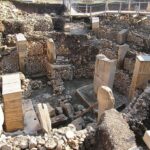
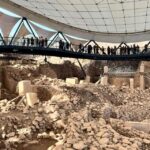
Göbeklitepe is the centerpiece. You’ll spend about 2 hours here with admission included. It’s famous for a ritual complex dating back over 12,000 years, and what hits you fast is the sheer intentionality: this wasn’t random building. It predates writing, pottery, and even agriculture as we usually imagine it, which is exactly why it’s so world-changing.
Then you continue to Karahantepe (Karahan Tepe), also about 2 hours with admission included. It’s close to Göbeklitepe, and the distance matters because it lets you compare the feel of both sites without losing your energy. Karahan Tepe is located about 68 km from Şanlıurfa and about 50 km from Göbeklitepe, and the site is gaining attention for possible even-earlier Neolithic roots. You’ll hear about the over 250 T-shaped obelisks reported so far, and you’ll get the local context too: the area is known as Keçilitepe.
Practical note: both places involve focused walking and time outdoors. If you’re sensitive to sun or wind, plan for it and bring water and a hat. The tour is timed to let you linger, but you still need to be comfortable.
Day 1’s spiritual stop: Balıklıgöl and the Abraham sites
After two archaeology-heavy visits, Day 1 slows down with a spiritual pair in Şanlıurfa. You’ll go to Balıklıgöl, with about 1 hour on the schedule.
This area is tied to the tradition of Prophet Abraham’s birthplace cave and the Pool of Abraham, where the story says he was thrown into fire by King Nimrod. Whether you’re religious or not, the effect is real: people treat the space with care, and you’ll see that daily devotion still lives inside the landmark.
Admission is listed as free for this stop. That’s a nice bonus after two ticket-included sites, and it makes the day feel less like a checklist.
Day 1 night: Hasbahan Konak gives you a calmer landing
At the end of Day 1, you drive back to Şanlıurfa for your overnight stay at Hasbahan Konak. The tour frames it as a restored 600-year-old stone mansion turned boutique hotel.
Why it matters: after Nemrut and archaeology days, I like having at least one night where the building itself helps you shift gears. A restored historic space gives your sleep and evening time a different mood than a generic hotel box.
Dinner isn’t included, so you’ll want to plan a meal on your own or ask your guide for a nearby option. Breakfast and lunches are included, which keeps most of the day’s decision-making off your plate.
Day 2: Commagene power in four stops before Nemrut
Day 2 is where the tour becomes very “kingdom of monuments.” It’s not one stop—it’s a build-up.
First is Karakuş Tumulusu (Karakuş Tumulus) near Çukurtaş in the Kâhta District of Adıyaman, about 12 km from Kâhta. This visit is short—around 30 minutes—but it’s meaningful. Built between 30–20 BCE by Mithridates II of Commagene, it honors Queen Isias and Princesses Antiochis and Aka I. You’ll learn why it’s called Karakuş, meaning black bird, and you’ll see the 9-meter-high Doric columns topped with an eagle, plus relief symbols like bull, lion, and eagle.
Next you head to Cendere Köprüsü (Severan Bridge / Severan Bridge), about 2 hours total time for this segment in the schedule, but the listed visit time is 30 minutes. It’s a late Roman bridge near ancient Arsameia (modern Eskikale), spanning the Cendere Çayı. The guide will also cover that it’s among the best-preserved Roman bridges in the area, first documented in 1883 by Osman Hamdi Bey and Osman Efendi.
Then comes Arsemia Antik Kenti. You’ll get roughly 1 hour here. Arsemia served as a summer residence for Commagene kings, and you’ll focus on standout features: a major relief showing Heracles (or possibly Artagnes) shaking hands with King Mithridates of Commagene, and the largest Greek inscription ever found in Anatolia. That Greek inscription detail alone tells you why this stop matters for understanding who influenced this region.
Finally, you drive to Mount Nemrut for one of the most famous archaeology experiences in Turkey. The tour allocates 2 hours with admission included.
This is a lot to pack into a day. The key advantage is that each stop prepares you for the next. Karakuş and Cendere set up the theme of royal authority and engineering. Arsemia gives you more royal ideology on the ground. Then Nemrut shows you the peak expression of the same worldview.
Mount Nemrut: the summit is dramatic, but the real work is looking
At 2,134 meters, Mount Nemrut is high enough that the experience changes with the weather. You’ll go to the summit tomb-sanctuary built in the 1st century BCE, associated with King Antiochus I Theos of Commagene.
What you’re seeing is a staging of power and gods: the sanctuary was built with a pantheon that mixes Greek, Armenian, and Persian traditions, including figures like Heracles–Artagnes–Ares, Zeus–Oromasdes, and Apollo–Mithras–Helios–Hermes. The guide will point out the idea that the statues originally sat in grandeur, while now they lie scattered, with heads separated from bodies.
That broken arrangement is part of the drama. It’s also why you want time to look. If you rush, you miss the logic of the site: the way royal identity, myth, and theology get displayed as stone at the edge of the sky.
Admission is included, and the tour emphasizes Nemrut as both an archaeological and spiritual destination. Even if you treat it as history first, you’ll likely feel the emotional pull. The views aren’t the only point; the way the monument frames the gods and the king is the real story.
Day 3 in Harran and Şanlıurfa: beehive houses, museums, then bazaar time
Day 3 is about shifting from monuments back to living streets.
First you visit Harran Ruins, including the iconic beehive houses. Your scheduled time is 2 hours, and this stop gives you architectural context for the region’s settlement history. It’s one of the best ways to keep the trip grounded in how people actually lived, not just how rulers displayed power.
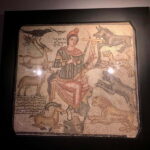
Next comes Şanlıurfa Archaeology and Mosaic Museum time. You’ll see collections at the Urfa Archaeological Museum and the Haleplibahçe Mosaic Museum, tied to finds from sites including Harran and Göbeklitepe. Then the schedule includes Aynzeliha Lake, known for its serene waters and thousands of domesticated fish. There’s also a return to sacred ground: the Abraham birthplace cave again appears on the Day 3 route, followed by a stroll through the historic covered bazaar and the old-town streets for local treasures.
You’ll have 1 hour 30 minutes for this museum-and-city block, and admission is included where listed.
Then you shift to another archaeology layer: Kızılkoyun Nekropolü, a 2nd-century necropolis with rock-cut tombs found in excavations in 2013. This is only 30 minutes, but it completes the trip’s theme cycle—ritual, royal power, and then the funerary record.
Finally, you end with markets and craft culture at Gümrük Han (the 16th-century Customs Inn, a caravanserai). The tour time here is 1 hour, and you’ll walk through the Carpet Bazaar, Spice Bazaar, Copper Bazaar, and the Carpenters’ Market.
This last section is where I think the value shows. You’re not left with museum feelings only. You get to convert that knowledge into everyday sights: materials, shops, and local craft behavior in the spaces that historically served travelers.
Museums vs. monuments: how to use your time without feeling rushed
A pattern in this itinerary is that ticketed sites get scheduled time, but city time also exists. That’s important because you’ll want a mental reset after heavy history.
Here’s how I’d approach it if you’re the type who likes to get the most out of every minute:
- At major archaeological sites, focus on one or two themes the guide repeats. That keeps the information from turning into a blur.
- In museums, spend more time on the sections connected to the day’s outdoor stops. For this route, that means pieces related to Göbeklitepe and regional finds.
- In the bazaar area, don’t try to buy everything. Walk slowly, compare one category of goods, and choose later if you still want it.
The reviews emphasize not feeling rushed, and that matches the itinerary structure. You do get shorter visits at some points, but the total rhythm keeps you from sprinting.
Price and value: is $1,400 per person fair for this much ground?
At $1,400 per person, this is not a budget tour. But value isn’t only about cost—it’s about what’s included and how much logistics the tour handles.
You get:
- All breakfasts and three lunches included (no dinners)
- Admission tickets included for the paid stops (Göbeklitepe, Karahan Tepe, Karakuş Tumulus, Cendere Bridge, Arsemia, Mount Nemrut; plus museum admissions listed)
- Pickup from Şanlıurfa hotels via WhatsApp coordination
- A private tour setup (only your group participates)
- A multi-stop plan across Şanlıurfa, Kâhta, and Nemrut
Where the money usually shows up in your favor is in driver time and guide time. This route is spread out with distances like 68 km to Karahan Tepe and 50 km between Göbeklitepe and Karahan Tepe, plus the Kâhta-to-Nemrut geography. Getting those transfers done with a knowledgeable local guiding you is usually more efficient than trying to stitch everything together yourself.
Is it still expensive? Yes. But if you care about meaning—not just photos—this kind of structured, timed guidance can save you both time and headaches.
Who should book this tour (and who might not)
This tour fits best if you want a concentrated South East Turkey archaeology and city experience without juggling transport plans.
Book it if:
- You love archaeology and want context for Göbeklitepe, Karahan Tepe, and Nemrut
- You want a guide who connects sites to the present-day city, not just facts on stone
- You prefer a private group pace that doesn’t feel like a cattle line
You might think twice if:
- You dislike long days or lots of driving between sites
- You need a slow travel schedule with more free time per day
- You’re not comfortable with outdoor sightseeing when weather shifts
Practical tips for comfort on days packed with monuments
- Start time is 9:00 am, so plan a relaxed morning and give yourself time for pickup.
- Bring layers for Nemrut. Even if Şanlıurfa feels warm, higher elevations can feel cooler fast.
- Wear shoes with grip. You’ll be on uneven ground in archaeology areas.
- If you’re picky about photos, tell your guide early. A good guide can help you time viewpoints and brief pauses.
- Carry a water bottle and a light snack for longer segments. Lunch is included, but you may still want something between stops.
Should you book this 3-day Şanlıurfa archaeology and city tour?
I’d book it if you want three days that feel like an actual story arc: early ritual life (Göbeklitepe and Karahan Tepe), royal and myth power (Commagene sites and Nemrut), then the Şanlıurfa city layer (Harran, museums, Abraham landmarks, and markets). The fact that the guide team gets highlighted for safe driving, clear explanations, and a pace that doesn’t push you matters more than people realize. It’s the difference between watching history and understanding it.
Skip it if you want lots of independent time or minimal driving. This one is built to move.
If the weather looks shaky near Nemrut, check in on date flexibility. The tour is tied to good conditions, and having a plan for weather changes can keep frustration low.
FAQ
What is the duration of the tour?
The tour runs for 3 days.
What time does the tour start?
The start time is 9:00 am.
Is hotel pickup included?
Yes. If you’re staying in a hotel in Şanlıurfa, you share your location via WhatsApp and pickup is arranged.
What language is the tour offered in?
The tour is offered in English.
What meals are included?
The tour includes 2 breakfasts and 3 lunches. Dinners are not included.
Are tickets and admission included?
Admission tickets are included for the listed ticketed sites, and some stops are listed as free. The tour also notes a mobile ticket.
What sites are covered over the three days?
You’ll see Göbeklitepe, Karahan Tepe, Balıklıgöl (Abraham sites), Karakuş Tumulus, Cendere Bridge, Arsemia, Mount Nemrut, Harran ruins, Urfa Archaeological and Haleplibahçe Mosaic Museums, Aynzeliha Lake, Kızılkoyun Nekropolü, and Gümrük Han and bazaars.
Is this a private tour?
Yes. It’s a private tour/activity, and only your group participates.
What is the cancellation policy?
You can cancel up to 3 days in advance for a full refund. If you cancel less than 3 days before the start time, the amount paid is not refunded. The experience requires good weather, and if canceled due to poor weather, you’ll be offered a different date or a full refund.
Is the tour suitable for most travelers?
Most travelers can participate. Service animals are allowed, and it’s noted as being near public transportation.