REVIEW · ISTANBUL
Best Of Istanbul 1, 2 or 3-Day Private City Guided Tour
Book on GetYourGuide →Operated by Moira Travel Agency · Bookable on GetYourGuide
Istanbul can overwhelm fast, but this private tour keeps it focused. What makes it interesting is the customized route: you choose what matters most, and your licensed guide shapes the day around it. I really like the way the group stays tight and efficient, and I especially like the attention to photo spots and timing, down to where to stand for the best views.
You also get the big-name landmarks with context, not just curbside facts. The explanations tend to connect Byzantine churches and Ottoman palaces to what you see today, so the buildings feel like living history instead of checkboxes.
One consideration: the tour notes closures and temporary construction—Grand Bazaar on Sundays, Topkapi Palace on Tuesdays, Hagia Sophia on Mondays starting from October, plus Blue Mosque renovation coverage during the period listed—so your exact order may shift.
In This Review
- Quick Highlights to Know Before You Go
- How This Tour Makes a Mega-City Feel Manageable
- Hagia Sophia and the Blue Mosque: The Center of Two Empires
- Hagia Sophia Museum: The Dome That Still Commands Attention
- Blue Mosque (Sultanahmet Mosque): Iznik Tiles Up Close
- Photo and timing advantage
- Topkapi Palace: Ottoman Drama in Quiet Gardens
- The two things you should not rush
- Practical drawback
- Basilica Cistern: A Cool Reset Underfoot
- From Hippodrome Views to Column of Constantine Photo Stops
- How to use these stops
- Grand Bazaar and Spice Market: Shopping Without the Stress
- Grand Bazaar day-of warning
- Spice Market (Egyptian Market): Smells, colors, and history
- Bosphorus Cruise and Dolmabahce Palace: Ottoman Power on the Waterline
- A Bosphorus cruise reset
- Dolmabahce Palace: The Ottoman administrative center
- Taksim, Istiklal Street, Galata Tower, and Pierre Loti: Istanbul Views at Human Speed
- Taksim Square: City energy and a natural meeting point
- Istiklal Street: Walkable life between stops
- Galata Tower: A viewpoint payoff
- Pierre Loti Hill: A gentler viewpoint ending
- Suleymaniye, Chora Church, Fener/Balat: A More Local Istanbul Ending
- Suleymaniye Mosque: Another Ottoman landmark with weight
- Chora Church: Byzantine artistry beyond the headline sites
- Fener and Balat: Colorful streets and guided context
- Price and Logistics: What Your $43 Per Person Actually Means
- How this can be good value
- Costs you should plan for
- Who This Tour Fits Best (And Who Might Feel Cramped)
- Should You Book This Private Istanbul Tour?
- FAQ
- What is the duration of this tour?
- Is this tour private?
- Where does the tour meet?
- What’s included in the price?
- Are entrance fees included?
- Is lunch included?
- Do I need to buy tickets for the major sites?
- What languages are the guides?
- Are there any attraction closures I should know about?
- Is pickup available if I’m not starting at the meeting point?
Quick Highlights to Know Before You Go
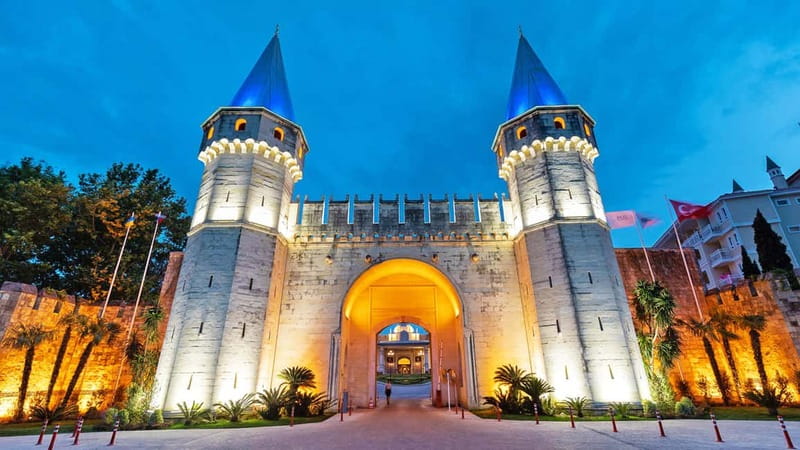
- Truly private, adjustable itinerary based on your interests and pace
- Skip-the-ticket-line so you lose less time to queues
- Istanbul classics, grouped intelligently (Sultanahmet, bazaars, Bosphorus, viewpoints)
- Licensed guides in multiple languages, including English, German, French, Spanish, and Portuguese
- Photo-minded guidance from guides praised for pointing out the best angles and timing
- Bigger-than-just-a-walk stops, like Topkapi Palace and Dolmabahce Palace, not only streets
How This Tour Makes a Mega-City Feel Manageable
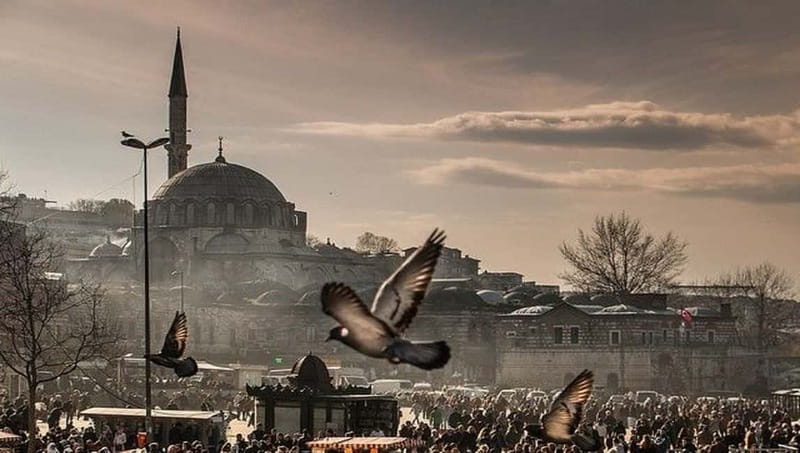
Istanbul is huge and layered. The easiest way to enjoy it is to treat it like a set of short missions instead of one long blur. This private tour does that by packing major neighborhoods into a logical rhythm—old monuments one day, Ottoman power and the water the next, then viewpoints and colorful districts later.
You’ll have a guide with you for the key transitions: where to go first, how to approach crowded sites, and what to look for as you walk. That matters because Istanbul rewards people who notice details. The color of Iznik tiles at the Blue Mosque, the way light moves across Hagia Sophia’s massive interior, and the “why” behind a palace layout all make more sense when someone points out what you’re seeing.
One more practical win: pickup and drop-off from your hotel or port can be included depending on your option. That’s not glamorous, but it keeps your day from collapsing under Istanbul traffic and walking distances.
You can also read our reviews of more guided tours in Istanbul

Hagia Sophia and the Blue Mosque: The Center of Two Empires
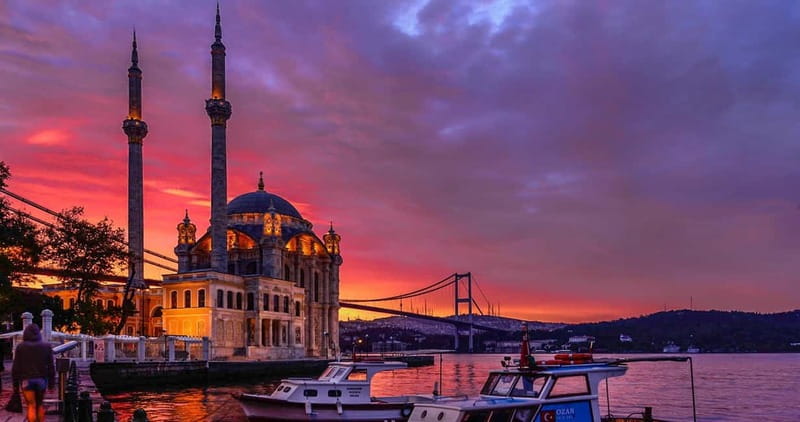
If you only did one thing in Istanbul, you’d still end up at this core. This tour typically builds the early part around Hagia Sophia and the Blue Mosque, both located in Sultanahmet, close enough to link them without wasting time.
Hagia Sophia Museum: The Dome That Still Commands Attention
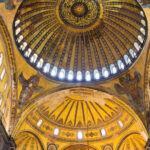
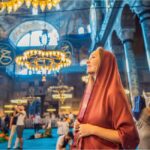
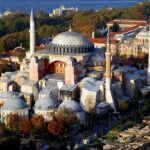
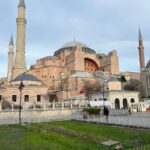
Hagia Sophia is presented as a major architectural beauty and a monument tied to both Byzantine and Ottoman eras. You’ll see it framed as “divine wisdom,” and it’s explained in a way that helps you understand why it mattered so much for centuries.
What I love about this stop is how the facts connect to the feeling. Even if you’re not a “church-and-palace” person, you’ll likely notice how the space behaves—how the scale overwhelms your sense of proportion. It’s also a site where a licensed guide can help you spot the surviving elements of Byzantine design and the later Ottoman layers.
Time note: Hagia Sophia is listed as closed on Mondays starting from October, so if your dates include a Monday, expect a swap.
Blue Mosque (Sultanahmet Mosque): Iznik Tiles Up Close
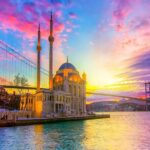
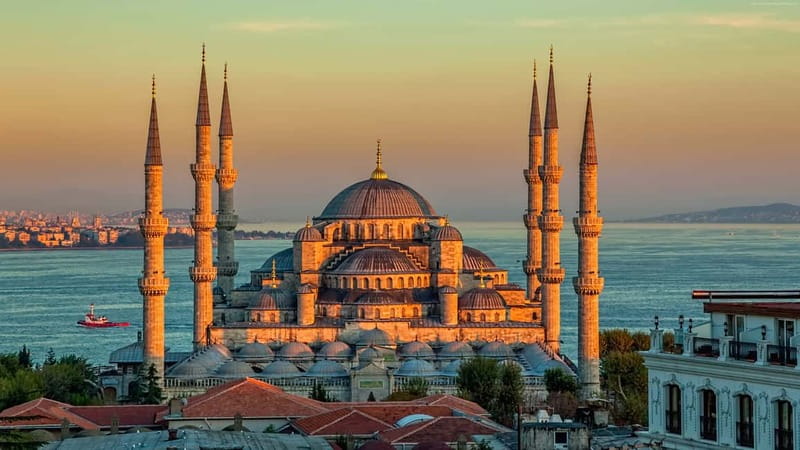
The Blue Mosque is famous for the blue Iznik tiles that give it its nickname. On this tour, that’s not just decoration trivia. You’ll be guided through what you’re looking at and why the mosque’s position near Topkapi makes it feel like part of the same power axis.
There’s also a heads-up about renovation: the tour notes that renovation was scheduled until the end of 2021, and that some parts of the ceiling could be temporarily covered. Even if you can’t predict the exact result, it’s good to know you might not see every surface the same way as a photo you took earlier.
Photo and timing advantage
These are high-demand buildings. The guide helps you time photo stops and reduces the amount of standing around. If you’re the kind of person who wants photos that look intentional—not “we were there” shots—this part of the day is where that shows.
You can also read our reviews of more city tours in Istanbul
Topkapi Palace: Ottoman Drama in Quiet Gardens
Topkapi Palace is scheduled as a key visit with a guided tour and time to explore. The main idea is simple: it was an Ottoman center of power, with sultans living there for centuries, and the palace grounds offer a calmer, shaded break from the intensity of the streets.
You’ll hear about its scale and the number of sultans who ruled from within. The tour also frames the palace as something you enter and move through, not just “a palace building.” Expect time for photos, then guided viewing, then self-guided wandering in parts where you can slow down.
The two things you should not rush
First, the gorgeous Iznik tiles are specifically highlighted here. They connect the Ottoman aesthetic to the broader visual language of Istanbul, and they’re often more satisfying in person than in social media shots. Second, you’ll have access to museum spaces that include ornate rooms related to the harem area.
Practical drawback
Topkapi Palace is listed as closed on Tuesdays starting from October. If your schedule lands on a Tuesday, you’ll want to confirm how your guide reshuffles the plan.
Basilica Cistern: A Cool Reset Underfoot
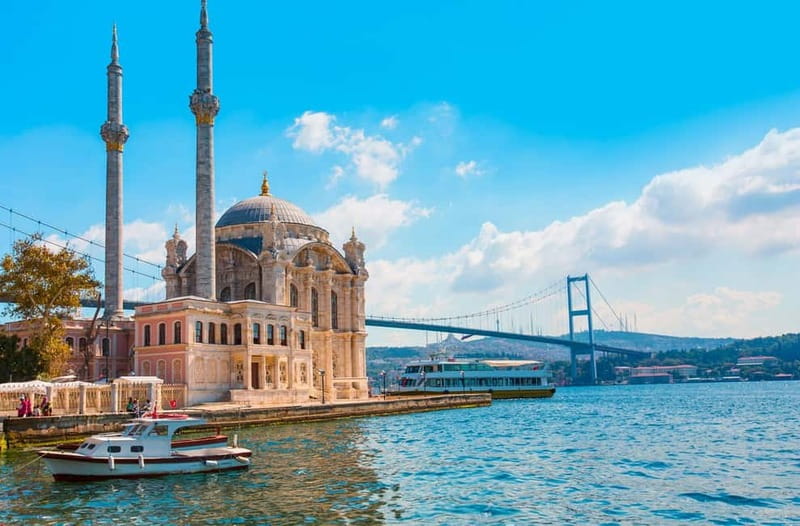
After monuments above ground, Basilica Cistern is the kind of stop that makes the city feel different. You’ll visit with guided context and then get time to walk and look around.
This is one of those places where the atmosphere does half the job for you. Water, stone, echoes—suddenly you’re not thinking about empire timelines. You’re thinking about how people engineered space to control comfort and function.
It’s also a good “breather stop” between louder attractions. The tour keeps time here around an hour in the schedule, with free time built in—use it to slow your pace for a minute before the next market.
From Hippodrome Views to Column of Constantine Photo Stops
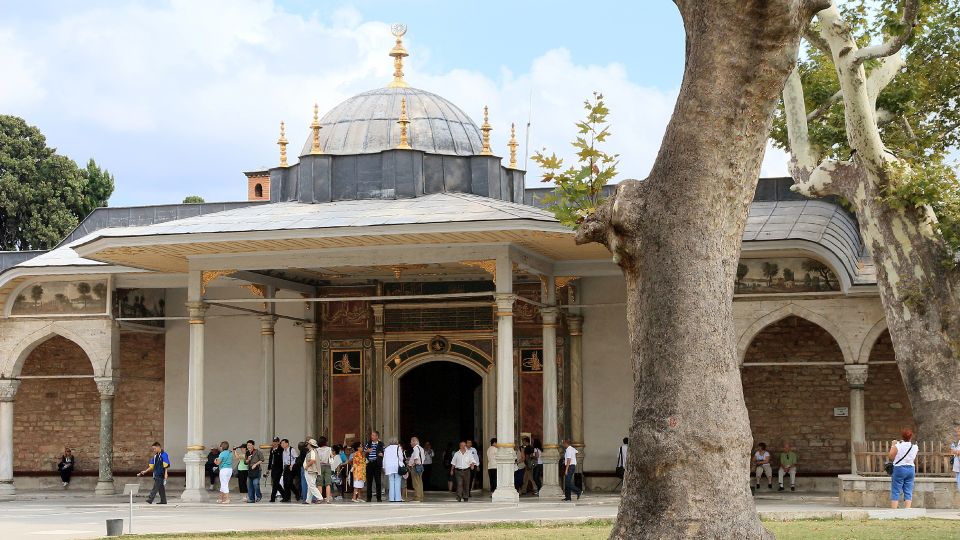
The tour includes the Column of Constantine and the Hippodrome of Constantinople area (often associated with the obelisk). These are shorter stops compared to the big-ticket museums, but they’re valuable because they show you the geographic skeleton of historic Constantinople.
Here’s the benefit: it helps you understand why Sultanahmet feels like a cluster of “the important stuff.” The guide points out what’s visible now versus what shaped the old public spaces, so you can connect street-level remains to the larger story.
How to use these stops
I treat quick photo stops like orientation checkpoints. If you look carefully and ask one question—where exactly you are in the old city—you’ll enjoy the rest of the day more. This tour is designed for that style.
Grand Bazaar and Spice Market: Shopping Without the Stress
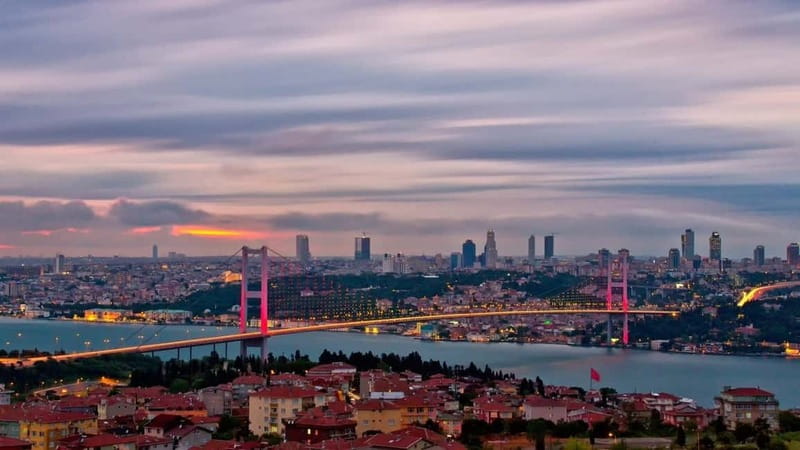
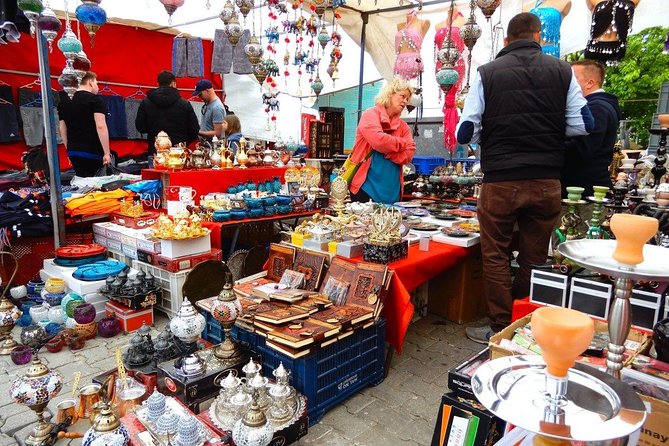
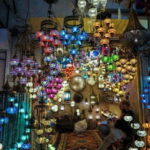
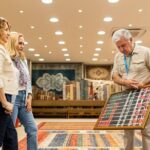
Markets are where Istanbul can feel like a sensory test. The Grand Bazaar is described as one of the largest and oldest covered markets in the world, with hundreds of small craft shops—from carpets to Turkish coffee—and yes, a crowd you’ll need to navigate.
This tour gives you guided time plus free time, so you get both. The guided part helps you understand how the market works and what’s worth seeing. The free time helps you actually enjoy browsing rather than rushing through.
Grand Bazaar day-of warning
Grand Bazaar is listed as closed on Sundays starting from October. If your day hits Sunday, plan for a swap. A good guide will still keep you in “market mode,” but it may not be here.
Spice Market (Egyptian Market): Smells, colors, and history
The Spice Market is also part of the typical flow, with the note that it’s known as the Egyptian Market because Ottoman-era Egyptian exports were sold there.
If you want a practical souvenir win, this is often where you can buy items that make sense: spices you’ll actually cook with, teas, and edible gifts. It’s also a more compact atmosphere than the Grand Bazaar, so you can get your bearings faster.
Bosphorus Cruise and Dolmabahce Palace: Ottoman Power on the Waterline
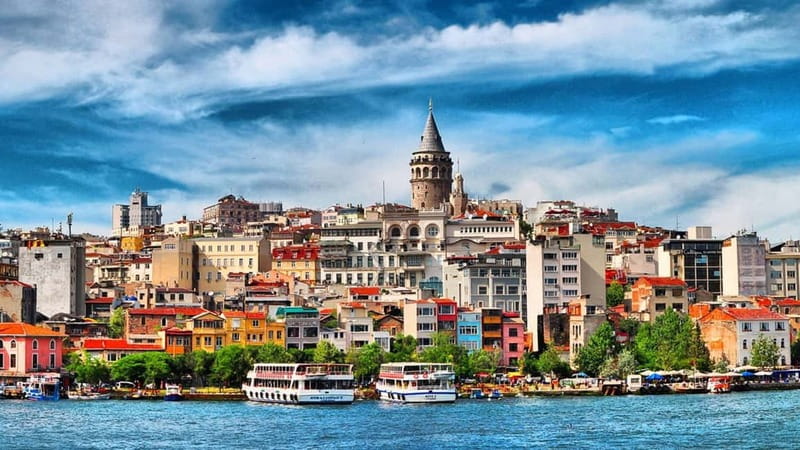
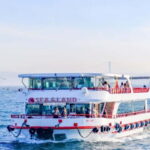
Istanbul’s water is part of the story. That’s why the tour includes a Bosphorus cruise in the mix for many options, followed by Dolmabahce Palace.
A Bosphorus cruise reset
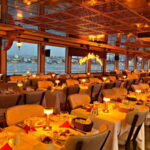
Even a short cruise can change how you perceive the city. You get a moving viewpoint where you can see Istanbul’s skyline layering across the strait. It also helps break the “walk-walk-walk” rhythm.
The data doesn’t list a precise cruise duration, so treat it as a “time to breathe and look” moment rather than something you can optimize. Your guide will help you fit it in.
Dolmabahce Palace: The Ottoman administrative center
Dolmabahce Palace is described as the administrative center of the Ottoman Empire and home to some of the last sultans. It was created by filling in a small bay on the Bosphorus—so the palace name literally reflects that idea of being “filled” or “stuffed,” with bahce meaning garden.
This stop matters because it expands the story beyond religious monuments. It shows the Ottoman Empire at its administrative and architectural height, and it gives you a different kind of interior experience than Topkapi.
Time note: the schedule includes about two hours here, with photos, a guided tour, and time to shop and walk.
Taksim, Istiklal Street, Galata Tower, and Pierre Loti: Istanbul Views at Human Speed
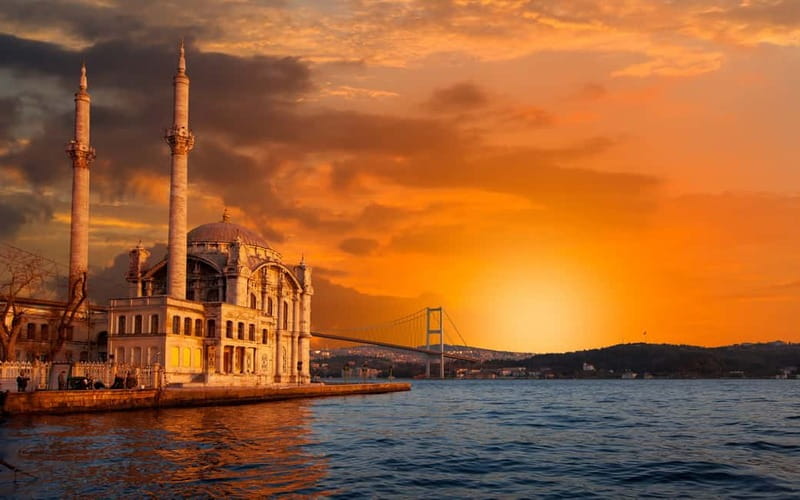
This is where the tour balances grand monuments with everyday city life. Taksim Square, Istiklal Street, the Galata Tower area, and later Pierre Loti Hill show you Istanbul as it breathes—through stairs, storefronts, and angles you can only get by walking.
Taksim Square: City energy and a natural meeting point
Taksim Square appears more than once in the schedule, including time for a break and often lunch. It’s a useful hub because it connects to the rest of the city’s walking routes.
Istiklal Street: Walkable life between stops
Istiklal Street is described as full of shops, restaurants, and bars. The tour includes a scenic walk (listed as about two kilometers) down toward the Galata Tower area.
This part works best if you go with a “slow curiosity” mindset. You’re not trying to cover everything. You’re letting your guide steer you toward the right viewpoints and keeping enough energy for the tower segment.
Galata Tower: A viewpoint payoff
Galata Tower is included with time for photos, guided understanding, shopping, and walks. I like tower stops because they give you a “map in your head.” Once you see the city from above, all the earlier landmarks snap into place more easily.
Pierre Loti Hill: A gentler viewpoint ending
Pierre Loti Hill appears in the later-day plan, with photo stops and time to visit. This tends to be a calmer contrast to the busy center, and it’s a nice way to end a day with a view instead of another indoor museum.
Suleymaniye, Chora Church, Fener/Balat: A More Local Istanbul Ending
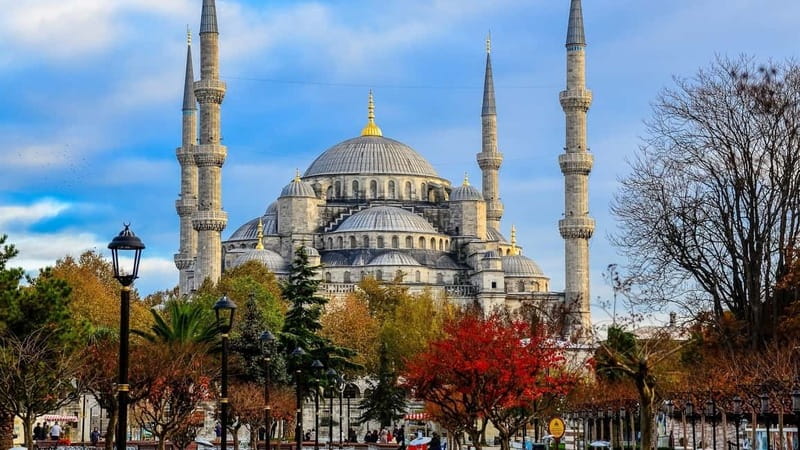
If you choose the longer option, the tour shifts toward neighborhoods that feel more lived-in and visually distinct.
Suleymaniye Mosque: Another Ottoman landmark with weight
Suleymaniye Mosque is included with guided time and photo opportunities. This isn’t presented as a quick photo stop only; it’s built as a meaningful part of the day with enough time to visit properly.
Chora Church: Byzantine artistry beyond the headline sites
Chora Church is included too. It’s another important Byzantine-era stop, and the guide’s job here is to help you understand what you’re seeing so you don’t miss the details inside.
Fener and Balat: Colorful streets and guided context
Fener/Balat districts are part of the plan, with guided time and time to walk, shop, and learn. Pierre Loti Hill often lands near the end of this day, which means you can go from streets and history to a viewpoint without losing momentum.
If you like photography and want streets that don’t look like every postcard, these neighborhoods usually deliver.
Price and Logistics: What Your $43 Per Person Actually Means
The price shown is $43 per person, with a duration that ranges from about 7 hours up to a 3-day option. That price point matters because it’s tied to the guide and tour framework, not to all the on-site costs.
Here’s what you should expect included:
- 1, 2, or 3 days of the private tour option
- a licensed guide
- pickup and drop-off from hotel or port (depending on option)
- skip-the-ticket-line service
And here’s what’s not included:
- entrance fees
- lunch
- transportation (unless you book an option that includes it)
How this can be good value
If you’re comparing this to “buy tickets and wander” travel days, the guide is doing real work: routing you efficiently, helping you handle queue friction, and giving you the context that makes the time feel worth paying for.
The money question usually becomes: how much do you value not guessing? If you’re the type who likes a plan but still wants control, private guided time is often worth it in Istanbul.
Costs you should plan for
Since entrance fees and lunch are not included, I’d budget for those separately so you don’t get surprised halfway through the day. Also, bring sunglasses and sunscreen—the tour guidance focuses on sun comfort, and Istanbul can feel intense.
Who This Tour Fits Best (And Who Might Feel Cramped)
This tour is best for:
- couples, families, and friends who want a private guide but still want flexibility
- history lovers who appreciate context more than just photo stops
- people who want to see major landmarks in a short time without feeling totally lost
It’s not suitable for people with mobility impairments, based on the tour’s stated limitations. Also, pets are not allowed.
Should You Book This Private Istanbul Tour?
Yes, if your goal is to see the main Ottoman and Byzantine highlights while keeping control over how the day feels. I’d book it if you want your route tailored, value skip-the-ticket-line help, and appreciate guides who can point out what to look for—especially at Hagia Sophia, the Blue Mosque, and the palace interiors.
Before you confirm, check your calendar against the listed closures (Grand Bazaar Sundays, Topkapi Tuesdays, Hagia Sophia Mondays starting from October). Then pick the length—1, 2, or 3 days—based on how much time you want for neighborhoods like Fener/Balat and viewpoints like Pierre Loti Hill. If you want Istanbul to feel like more than a checklist, the private format is the reason to choose this one.
FAQ
What is the duration of this tour?
The tour is offered in options ranging from 1 to 3 days, with the total time listed as 7 hours to 3 days depending on the option you select.
Is this tour private?
Yes. A private group is available, and the experience is presented as a customized private city guided tour.
Where does the tour meet?
The meeting point is in front of the German Fountain.
What’s included in the price?
Included are a licensed guide and pickup and drop-off from your hotel or port (when the option is selected). Entrance fees are not included.
Are entrance fees included?
No. All entrance fees are listed as not included.
Is lunch included?
No. Lunch is listed as not included.
Do I need to buy tickets for the major sites?
You will get skip-the-ticket-line support, but entrance fees themselves are still not included, so you should still plan for site costs.
What languages are the guides?
The tour lists live guides in Portuguese, Spanish, French, German, and English.
Are there any attraction closures I should know about?
Yes. The tour notes that Grand Bazaar is closed on Sundays, Topkapi Palace is closed on Tuesdays, and Hagia Sophia is closed on Mondays starting from October.
Is pickup available if I’m not starting at the meeting point?
Pickup is optional, with the option listed for Istanbul hotels or a port.
If you tell me your travel dates (and whether you’re coming from a cruise port), I can help you pick the best day-length option so the closures don’t wreck your plan.