REVIEW · ISTANBUL
Istanbul: Half-Day Morning Hagia Sophia & Blue Mosque Tour
Book on GetYourGuide →Operated by Adore Tour & Travel · Bookable on GetYourGuide
Dome power hits fast. This half-day Hagia Sophia and Blue Mosque morning tour gives you a guided route through old Istanbul with entrance fees handled and transport included, so you spend your time looking up instead of figuring out tickets. I especially loved the mosaics inside Hagia Sophia and the Blue Mosque’s blue Iznik tile interior. The main catch to know: the pace can feel tight, and if your group gets swept into extra shopping stops near the Grand Bazaar, time in the monuments can feel compressed.
You’ll start in the Sultanahmet district, the classic heart of Istanbul’s historical core, and you’ll move between sights with a vehicle plus hotel pickup and drop-off for many city-center hotels on the European side. It’s designed as a highlight circuit, not a slow, lingering museum day, so it works best when you’re okay with “see it, learn it, move on.”
A few practical notes can shape your experience. On Friday mornings, you may view the Blue Mosque and Hagia Sophia only from outside due to prayer, and on Sundays the Grand Bazaar is closed, so the stop shifts to Nuruosmaniye Street around the bazaar area. Also, it isn’t suitable for wheelchair users, and English is the only guide language.
In This Review
- Key things to know before you go
- What this morning loop does well in Sultanahmet
- Hagia Sophia: the dome, the mosaics, and why 1453 matters
- Blue Mosque: six minarets, Iznik tiles, and a courtyard you’ll remember
- Hippodrome stops: ancient stadium energy in a modern plaza
- German Fountain and Sultanahmet Square: the quick reset zone
- Grand Bazaar free time: shop smart, not frantic
- English guide, group size, and how to handle the pace
- Price and value: is $77 for four hours a good deal?
- Should you book this tour? My honest take
- FAQ
- FAQ
- How long is the Istanbul Half-Day Morning Hagia Sophia & Blue Mosque Tour?
- What’s included in the price?
- Are food and drinks included?
- Does the tour include a skip-the-ticket-line experience?
- What happens on Friday mornings?
- Is the Grand Bazaar always open during the tour?
- Do I need a headscarf or cover-up?
- Is the tour wheelchair accessible and are unaccompanied minors allowed?
Key things to know before you go
- Official guide with entrance fees included (so you’re not stuck buying tickets at the worst moments)
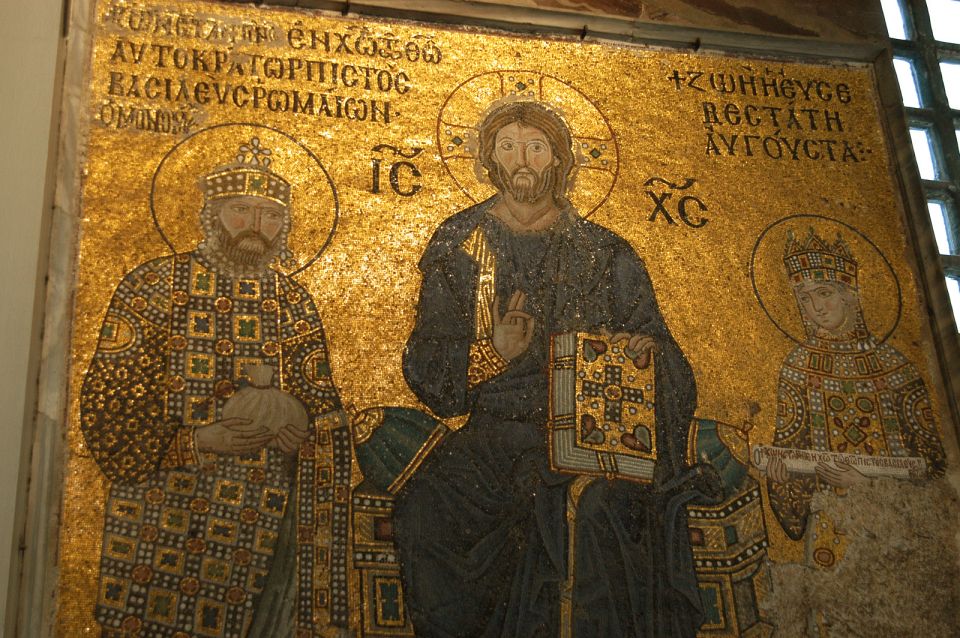
- Hagia Sophia’s dome and mosaic wall with the Constantine-to-Justinian-to-1453 story
- Blue Mosque highlights: six minarets and the famous Iznik tile interior
- Hippodrome landmarks you can spot fast, including the Egyptian obelisk and the Delphi serpent sculpture
- Grand Bazaar time with a practical plan for shopping and energy management
- Friday/Sunday changes depending on prayer and the bazaar’s opening schedule
What this morning loop does well in Sultanahmet
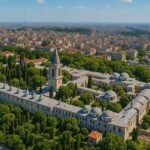
This tour is built for efficiency without feeling like you’re sprinting through everything. In only about 4 hours, you hit three of the biggest “wow” zones in old Istanbul: Hagia Sophia, the Blue Mosque complex, and the Hippodrome area—then you get free time to wander the Grand Bazaar.
You’ll start early in Sultanahmet, which matters. These streets can be chaotic, and the monuments are more satisfying when you’re not fighting crowds for your first five minutes. The guide format (live English guide, air-conditioned vehicle, and entrance fees included) also helps you keep momentum. You don’t have to do the classic Istanbul shuffle of asking where to buy, where to queue, and which line is correct.
Where I’d be slightly cautious is that the experience can tilt toward “shopping-friendly” time near the Grand Bazaar. That’s not automatically bad—shopping is part of the culture here—but it can affect how much time you personally want to spend inside the monuments versus in retail spaces. If you know you’re not there for shopping, go in with a plan for what you want from the bazaar (a quick look, a few targeted items, then out).
A few more Istanbul tours and experiences worth a look


Hagia Sophia: the dome, the mosaics, and why 1453 matters
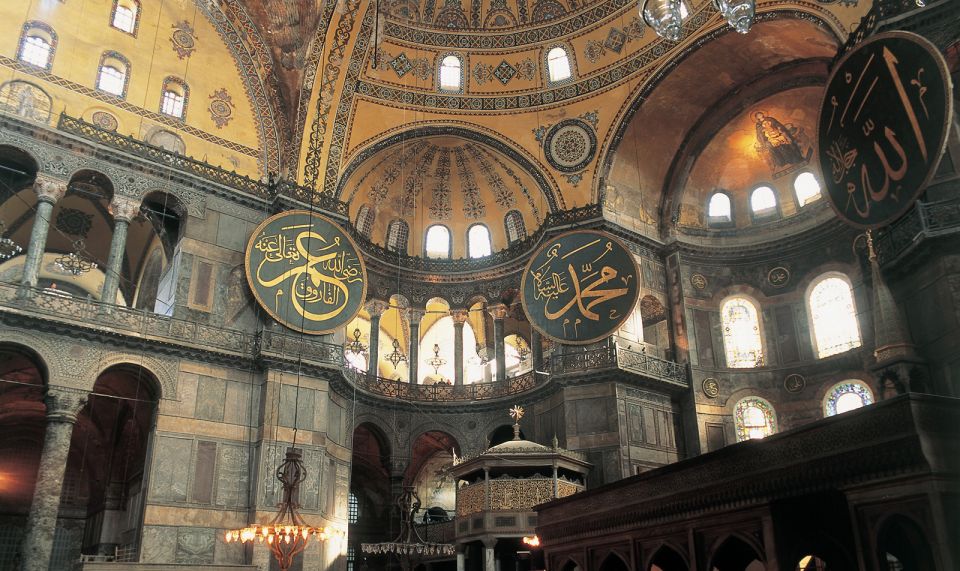
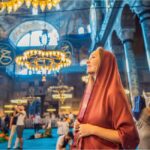
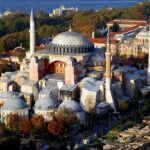
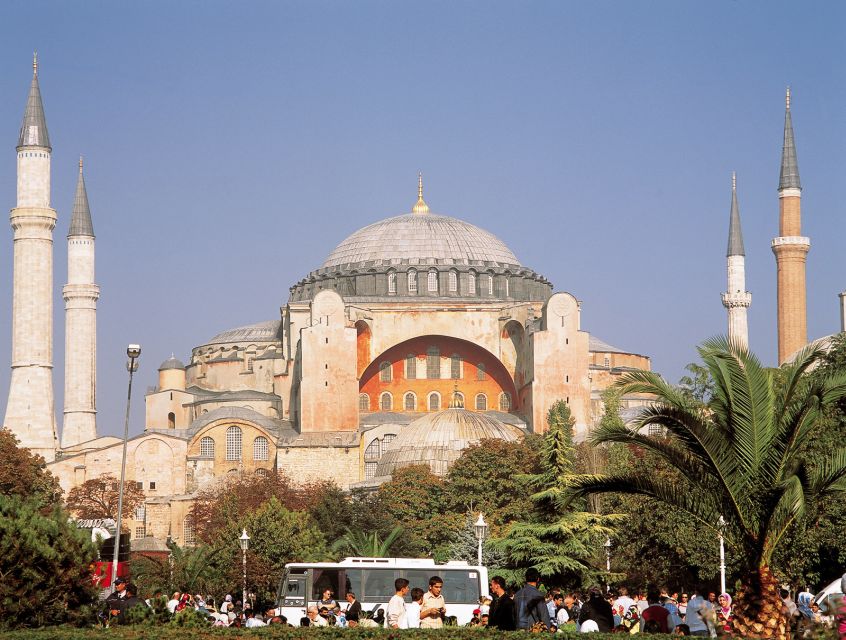
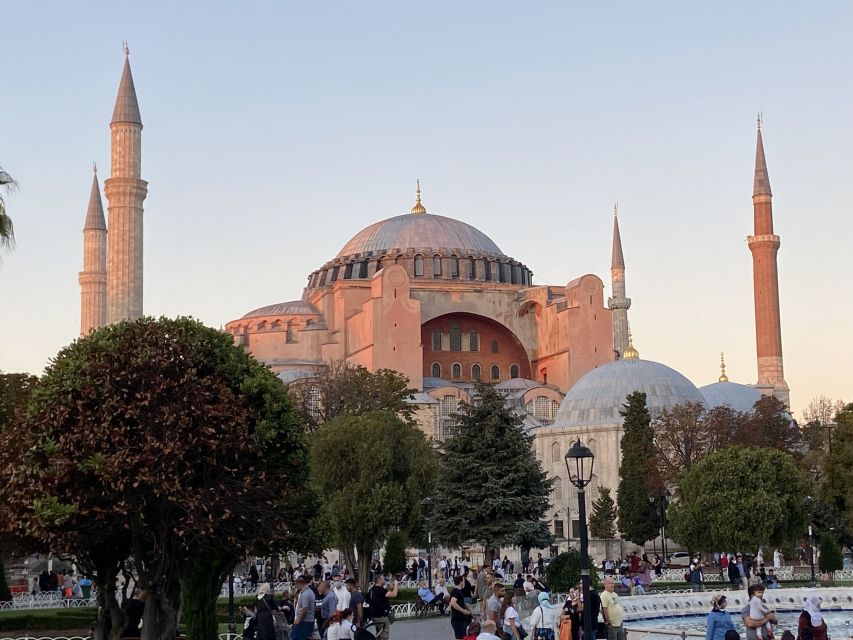
Hagia Sophia is the kind of building that makes you stop mid-walk. Built by Constantine the Great in the 4th century, then reconstructed by Emperor Justinian in the early 6th century, it’s one of those structures where the timeline isn’t background trivia—it’s part of the atmosphere. The design is tied to Anthemius of Tralles and Isidore of Miletus, and you feel that scale in the massive dome that still dominates the skyline.
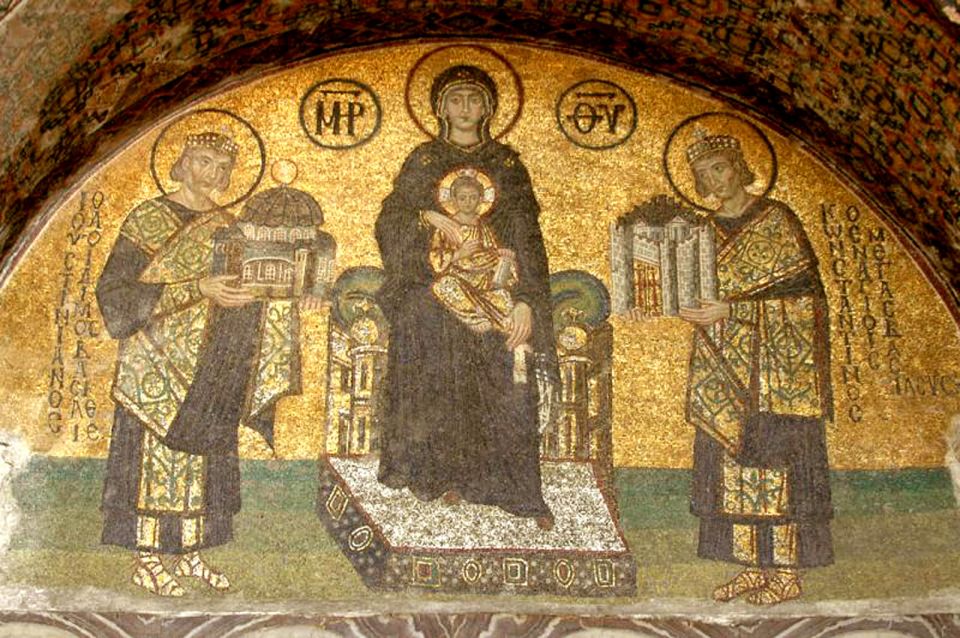
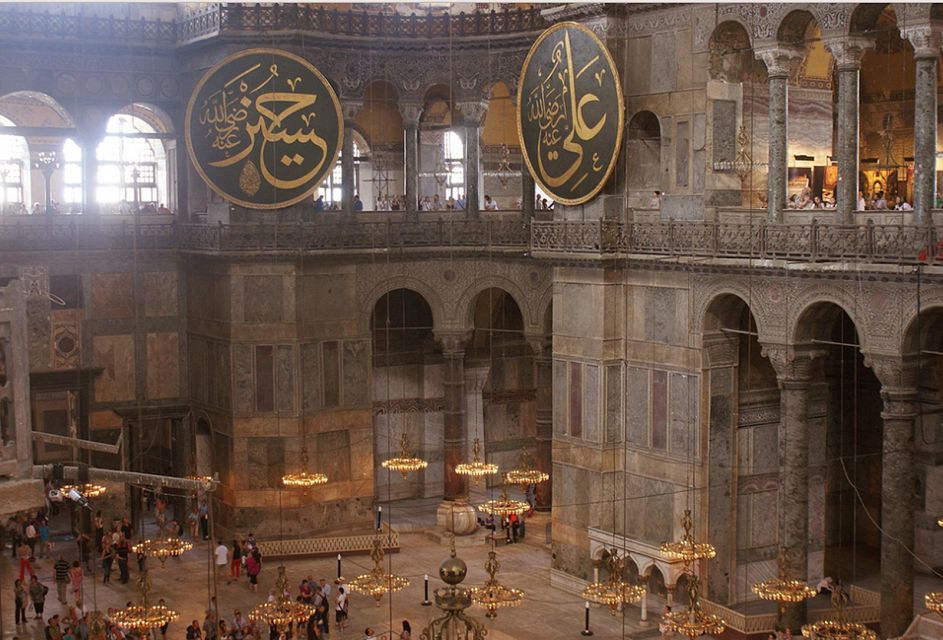
What you should look for inside (and what makes this tour worth it even as a short visit) are the mosaics. Hagia Sophia is famed for glittering portraits of emperors and empresses, plus the moving image of the Virgin and Child. Even if you don’t read every label, you’ll understand why people keep photographing the same corners. The art is both ornate and human—like someone wanted to make worship and power feel emotional, not just official.
Then there’s the 1453 transition: originally a church, Hagia Sophia was converted into a mosque after 1453 and today it’s a museum. That change matters because it’s why the building carries layers—some spaces feel like they’re designed for Christian liturgy, while others follow Islamic architecture and use. A good guide helps you connect those dots fast, instead of leaving you to wonder why different symbols share the same walls.
One practical thing: headscarf expectations. Ladies should have a scarf for Hagia Sophia, but you can also buy one from the mosque. Either way, keep it easy—pack a light scarf you don’t mind handling.
Blue Mosque: six minarets, Iznik tiles, and a courtyard you’ll remember
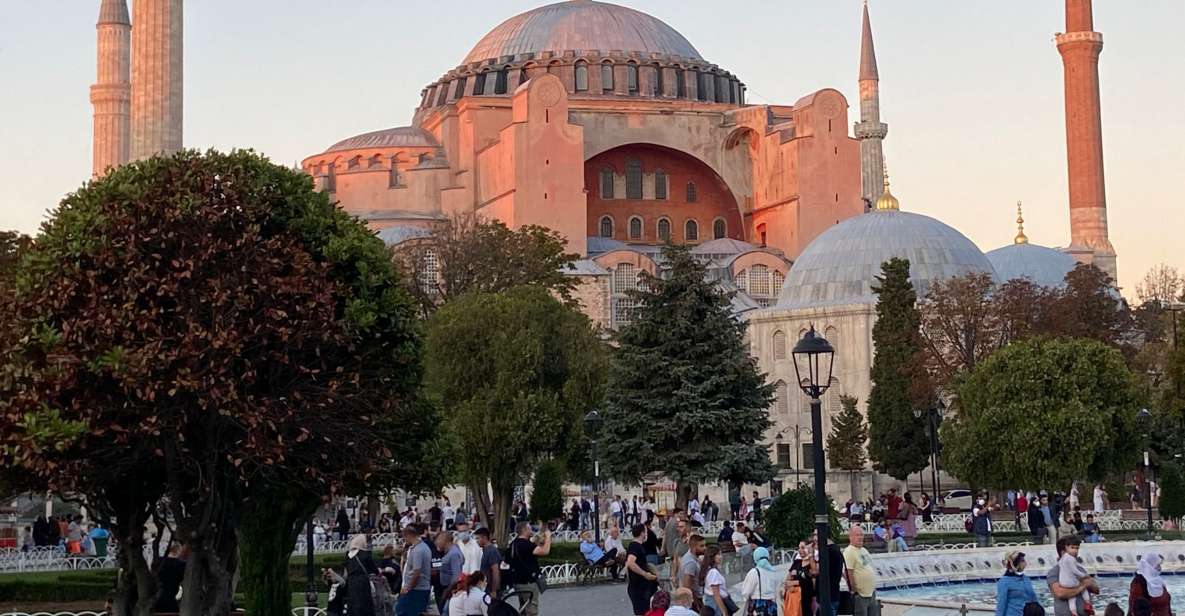
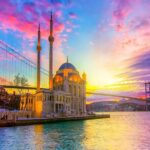
Next you’ll move to the Sultan Ahmed Mosque, better known as the Blue Mosque. It takes its name from the blue Iznik tiles adorning the interior. Built by Sultan Ahmet I in the early 17th century and designed by a pupil of Sinan (Ottoman architecture’s big name), it’s the only imperial mosque with six minarets. That fact alone is worth learning before you walk in. It changes how you scan the exterior and courtyard.
Inside, the key is the tilework. The colors don’t just look decorative—they create a glow that softens the space. You’ll likely notice the way the eye gets drawn across walls and up toward the ceiling, almost like the architecture is guiding your attention. Even in a quick visit, this is the kind of place where you can stand still for a minute and suddenly everything clicks.
The courtyard is another highlight. It’s described (and experienced) as especially grand, and it’s a good place to reset after Hagia Sophia. You’ll catch photos here, too—but don’t let the camera steal the moment. If you can, slow down for a few seconds and let the blue tiles do their job.
One more note: cover-ups and head scarves are provided at the Blue Mosque. If you’d rather not rely on the provided items, bring what you’re comfortable with—but at least you won’t get turned away for not packing a scarf.
And on Friday mornings, there’s a complication: Hagia Sophia and the Blue Mosque are envisioned only from outside because of Friday prayer. So if your dates include a Friday morning, set expectations accordingly and use the time for photos, exterior architecture, and nearby stops.
Hippodrome stops: ancient stadium energy in a modern plaza
Between the big two monuments and the bazaar, you’ll also get the Hippodrome area. This was the stadium of ancient Byzantium, designed for huge crowds—about 100,000 spectators. That number is hard to picture until you see how the space functions in daily city life. Even if the stadium structure isn’t fully intact, you can still imagine the noise and scale.
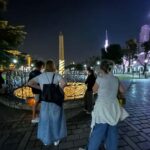
Two surviving artifacts are the stars here. First, an Egyptian obelisk. It’s one of those objects that feels like it traveled far—because it did. Second, a bronze sculpture of three entwined serpents from Delphi. Standing near it gives you that time-travel moment: a Greek relic sitting inside Istanbul’s Byzantine story.
If you only have a short morning, this is a smart stop. It gives you context for what came before the Ottoman-era sights you’ve been admiring. The Hippodrome helped define public life in the empire—politics, spectacle, and identity all in the same place.
If you like details, this is where a good guide can make the experience feel connected rather than checklist-y. Even a brief explanation turns scattered stones and markers into a “now I get it” moment.
German Fountain and Sultanahmet Square: the quick reset zone
After the Hippodrome, you’ll spend time around Sultanahmet Square and see the German Fountain. This kind of stop is easy to underestimate because it’s shorter than the monuments. But it’s valuable for two reasons.
First, it’s where the neighborhood opens up. You can regroup, catch your breath, and re-check your footing on uneven streets. Second, it helps you connect the “big interior” experiences (Hagia Sophia, Blue Mosque) to the way Istanbul layouts work outdoors. It’s the same district, but it feels different once you step into squares and open space.
For photos, it’s a practical moment: you’ll have a chance to capture the square setting and align yourself for whatever comes next—especially if you’re heading into the bazaar’s maze afterward.
A few more Istanbul tours and experiences worth a look



Grand Bazaar free time: shop smart, not frantic
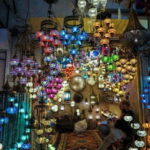
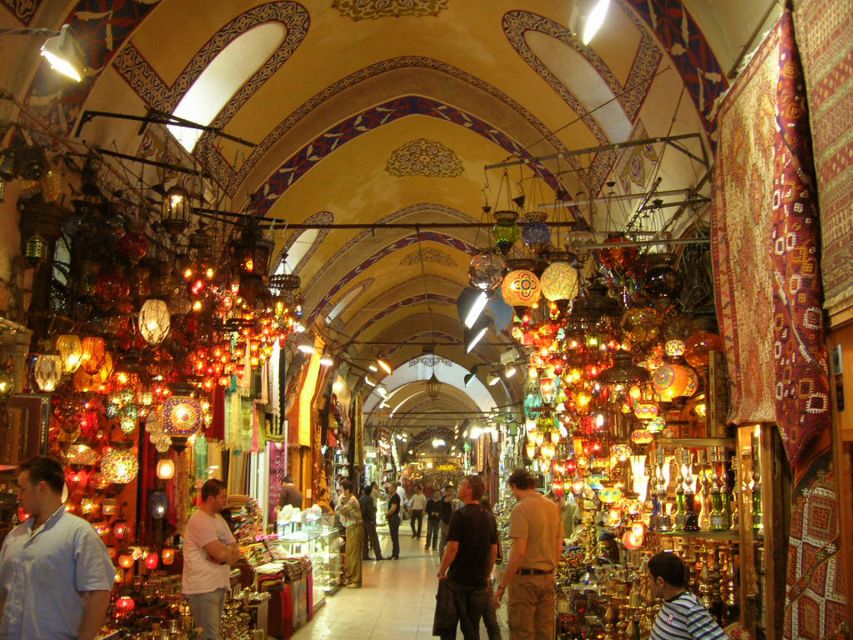
Then comes the fun-but-intense part: Grand Bazaar time. This is the commercial heartbeat of old Istanbul, and it’s exactly what people mean when they say it’s a labyrinth. With over 4,000 shops, it’s not one street—it’s a whole network of passages where you can wander for hours.
The experience value here isn’t just souvenirs. It’s the chance to see Ottoman-style commerce as a living system: carpets and kilims, silks, jewelry, ceramics, icons, and leather goods. If you’re interested in crafts, the variety is real. If you’re shopping, you’ll get exposed to real choices—quality, materials, and styles—rather than one curated storefront.
That said, manage your energy. Reviews-style feedback patterns around this tour point to a common issue: sometimes the time structure near the bazaar can feel rushed, and extra store stops can cut into your monument time. The lesson for you is simple: decide in advance what you want from the bazaar, and stick to it. If you only want a quick look or one practical purchase, go straight for your category and set a time limit for wandering.
Also, there’s an optional Brief Handicrafts Presentation & Lecture near the bazaar. If you love artisan demonstrations, it can be a nice break. If you’re not into presentations, be ready to keep your pace and protect your free time for browsing.
Sunday note: if you’re traveling on a Sunday, the Grand Bazaar is closed. In that case, you’ll visit Nuruosmaniye Street around the Grand Bazaar instead. It won’t feel identical, but you’ll still be in the same shopping zone atmosphere.
English guide, group size, and how to handle the pace
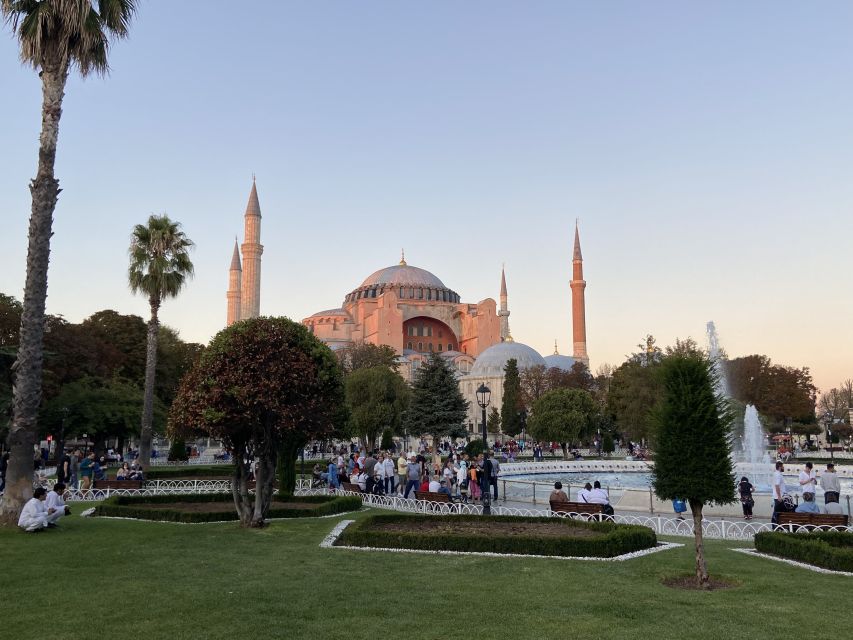
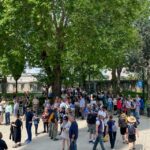
This tour runs as a daily morning regular group tour with around 20 to 25 persons per group, and the guide language is English. That matters because short tours rely on efficient pacing. When the group stays together, you get the benefit of commentary and context. When people fall behind, the pace can tighten.
Some feedback you can learn from: when a guide is more focused on their schedule than your questions, you may feel rushed through the mosque interiors, and you might get less storytelling than you hoped. Also, if you notice extra time being spent in fashion, leather, or jewelry stops, it can shift the balance away from monuments.
So here’s the practical approach I’d recommend:
- Ask questions early, not right at the threshold of a monument.
- If you want longer interior viewing, tell the guide calmly right at the start of the mosque time.
- Use the bazaar free time for what you actually care about, because you can’t count on unlimited wandering time.
And keep a small expectation check: this is not a private, slow, museum-grade tour. It’s a high-impact highlights morning, designed to pack in major icons while still ending with a return transfer to your hotel.
Price and value: is $77 for four hours a good deal?
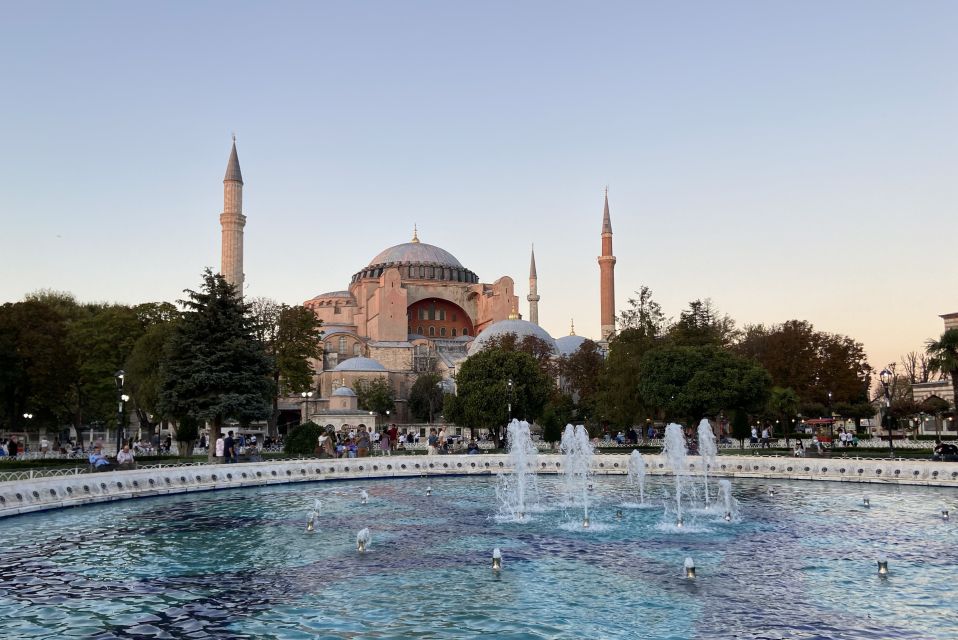
At $77 per person for a roughly 4-hour guided tour, the value comes from three things you don’t have to manage yourself: entrance fees, a live guide, and transportation. In Istanbul, those add up quickly—especially if you’re trying to see multiple large sights in a short time.
You’re also getting hotel pickup and drop-off for city center hotels on the European side only, plus a vehicle that reduces transit friction between Sultanahmet-area stops and your accommodation. That’s not glamorous, but it’s real value when you’re trying to start sightseeing early and keep your day from unraveling.
Where the math can change for you is your personal priorities. If you mainly want museum time in Hagia Sophia and the Blue Mosque, you might feel the tour’s “move along” approach more strongly. If you want the Istanbul essentials—plus a bazaar wander—then this price is usually in the right zone for what you get.
Should you book this tour? My honest take
I’d book it if you want a straightforward way to hit the biggest sights in old Istanbul in one morning, and you like the idea of having entrance fees and guidance handled. It’s a strong match for first-time visitors who want context fast and don’t want to spend time planning lines, timings, and routes.
I’d think twice if you’re sensitive to shopping detours or if you want long, calm time inside the monuments. With an English-only guide and a group of 20 to 25, the pace is likely to feel structured. Also, for Friday mornings, your interior access may shift to outside viewing only, which can reduce the wow factor if your heart is set on standing inside.
If you’re in Istanbul for a short window and this is your most efficient morning, it’s a solid way to get your bearings fast—especially around Sultanahmet—then you can always return later for deeper exploration on your own.
FAQ
FAQ
How long is the Istanbul Half-Day Morning Hagia Sophia & Blue Mosque Tour?
The tour duration is 4 hours.
What’s included in the price?
It includes free hotel pickup and drop-off (European-side city center hotels), entrance fees as per the itinerary, a live English guide, an air-conditioned vehicle, and VAT.
Are food and drinks included?
No. Food and drinks are not included.
Does the tour include a skip-the-ticket-line experience?
Yes, it includes skipping the ticket line.
What happens on Friday mornings?
On Friday morning, the Blue Mosque and Hagia Sophia are only envisioned from outside due to Friday Prayer.
Is the Grand Bazaar always open during the tour?
No. The Grand Bazaar is closed on Sundays. On Sundays, the tour visits Nuruosmaniye Street around the Grand Bazaar area instead.
Do I need a headscarf or cover-up?
For the Blue Mosque, cover ups and head scarves are provided. For Hagia Sophia, ladies should have a scarf with them (or can buy one from the mosque).
Is the tour wheelchair accessible and are unaccompanied minors allowed?
No. The tour is not suitable for wheelchair users, and unaccompanied minors are not allowed.