REVIEW · ISTANBUL
Istanbul: Fener Balat Half-day Guided Walking Tour
Book on GetYourGuide →Operated by Fenerwalks · Bookable on GetYourGuide
Forget Sultanahmet for three hours. I love how this walk threads Greek, Armenian, Bulgarian, and Jewish stories through real streets, and I especially love getting inside the Bulgarian Iron Church. The main thing to consider is the church dress rules plus a hill climb around Fener.
I also like the pace. With guides such as Kübra or Yunus, you get focused stops for photos and a few short breaks so the whole thing feels like a neighborhood walk, not a race.
If you’re hoping for an ultra-flat stroll, plan for stairs and slopes. Bring something you can wear comfortably on a hillside, and keep your scarf or long layer handy.
In This Review
- Key highlights you’ll remember
- Fener and Balat: the Istanbul that didn’t fit into one postcard
- Where you meet and how to get there without stress
- St. George’s Cathedral: the anchor stop that sets your context
- Renkli Merdivenler and the Fener school stretch for photos and pacing
- Passing Cantemir Palace and seeing the Virgin Mary Greek Orthodox Church
- Saint Mary of the Mongols (1266): one stop that changes the timeline
- Panagia Paramythia and Phanar College: learning the names you’ll see on maps
- Balat’s colorful houses and timber textures: where daily life shows up
- Ahrida Synagogue: one of the oldest synagogue sites in Istanbul
- Sveti Stefan Bulgarian Iron Church: why cast iron still feels surprising
- Hills, stairs, and church dress rules: the two things to plan for
- How much value is $20 for a 3-hour guided walk?
- Who should book this tour, and who might want to skip it
- Should you book the Istanbul Fener Balat half-day walking tour?
- FAQ
- How long is the Fener Balat walking tour?
- What is the price per person?
- Where is the meeting point?
- What public transport can I use from Eminönü?
- What public transport can I use from Taksim?
- What public transport should I avoid from Karaköy?
- What is included in the tour price?
- Is food and drink included?
- What clothing is required for church entrances?
- Is there free cancellation and what is the emergency contact?
Key highlights you’ll remember

- Cast iron in the Bulgarian Iron Church: you enter the famous church tied to the area’s ironwork
- St. George’s Cathedral visit: a longer guided stop that sets the tone for the Greek Orthodox presence
- Renkli Merdivenler (Colorful Stairs): quick photo time plus a real feel for daily life
- Saint Mary of the Mongols (1266): a historic church stop that pulls you back to medieval Istanbul
- Ahrida Synagogue (15th century): one of the oldest synagogue sites in the city, framed with context
- A local-ending touch: you finish with Turkish coffee to close the story of Fener and Balat
Fener and Balat: the Istanbul that didn’t fit into one postcard
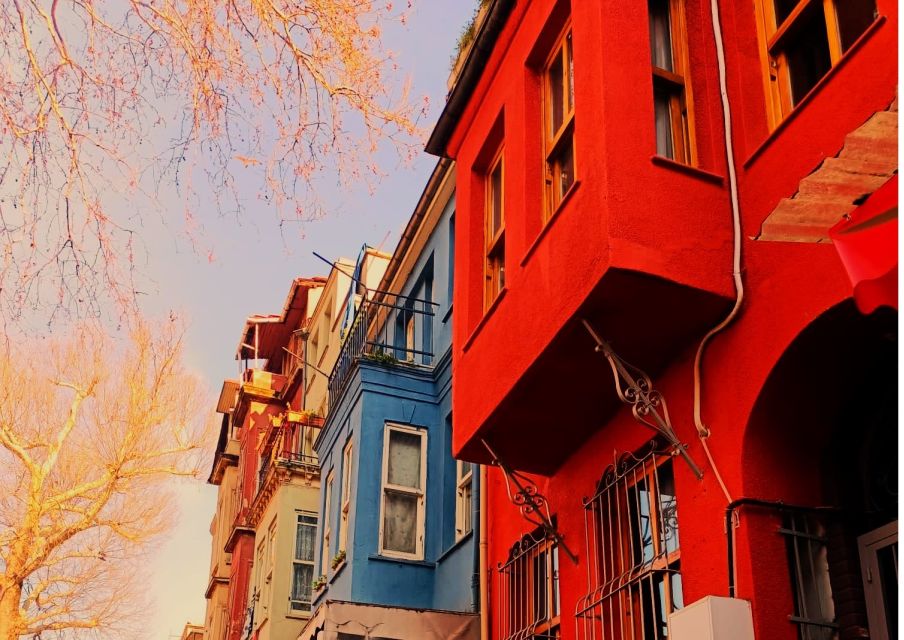
Fener and Balat sit in the Marmara Region, just far enough from the famous sights that you feel the difference right away. Instead of one dominant monument, you get layers: Orthodox Christianity, Judaism, and the Ottoman-era mix of communities that helped shape this part of Istanbul.
What makes this tour work is that it doesn’t treat the neighborhoods like a museum. You walk between churches and synagogues, then you pause at colorful streets and timber-house vibes, where locals still grab breakfast and coffee. The guide ties it all together—so you’re not just ticking off names. You’re learning why those communities settled here, how the area changed over time, and what the streets still show today.
You can also read our reviews of more walking tours in Istanbul


Where you meet and how to get there without stress
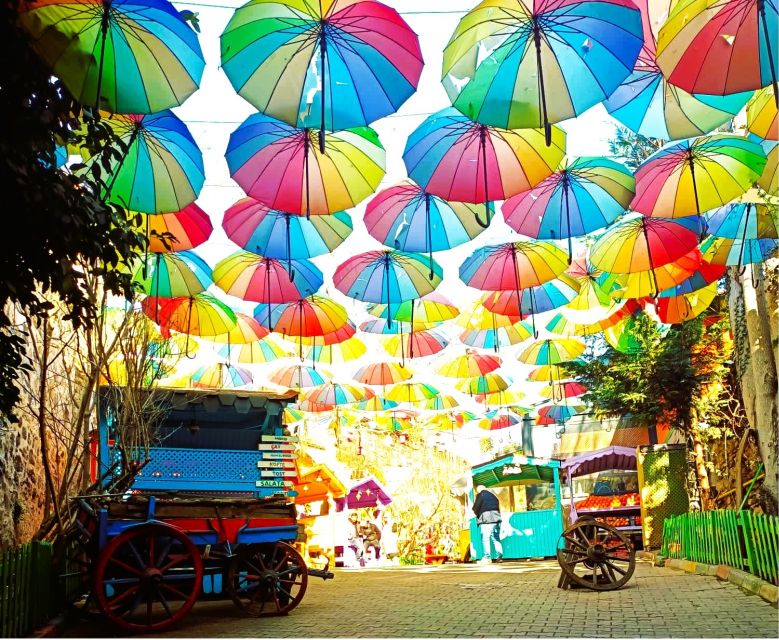
You meet next to the Fener bus stop by the seaside. The stop is about 2 minutes away from Nakış Cafe (the meeting-point cue is described as being near the last photo on the instructions).
To make it easy, here are the routes that are explicitly recommended:
- From Eminönü, take tram T5 to Fener Tram Station, then walk about 3 minutes to the bus stop.
- From Eminönü, you can also take buses, but the guidance says tram is preferred since bus options are limited.
- From Taksim, take underground bus 55T to the Fener stop.
- From Karaköy, the instructions warn you not to take buses 99/99A/99Y because their last stop is Eminönü and the bus restarts after dropping people.
- From Kasımpasa, Kadıköy, Uskudar, Karaköy, you can take the Haliç ferry to the area just behind the bus stop.
None of this is glamorous, but it matters. A good meeting point means you start on time, and this is a short tour. The goal is to spend your energy on the walking and the stops, not on decoding transit.
St. George’s Cathedral: the anchor stop that sets your context

The tour begins in Fener, with a longer visit at St. George’s Cathedral, Istanbul. Expect a guided tour and a photo stop around 45 minutes. This is where the tour earns its value early: you’re not yet thinking about stairs and houses—you’re learning how the area fits into Istanbul’s Greek Orthodox world.
The tour also includes entry connected to the Greek Orthodox Patriarch. That’s a big deal in practice. You get to see inside key spaces rather than just viewing them from outside, and the guide’s commentary helps you understand what you’re looking at.
One small consideration: religious sites can mean rules and pace that are different from outdoor sightseeing. If you want quick stops only, adjust your expectations. Here, the time inside is part of the point.
Renkli Merdivenler and the Fener school stretch for photos and pacing
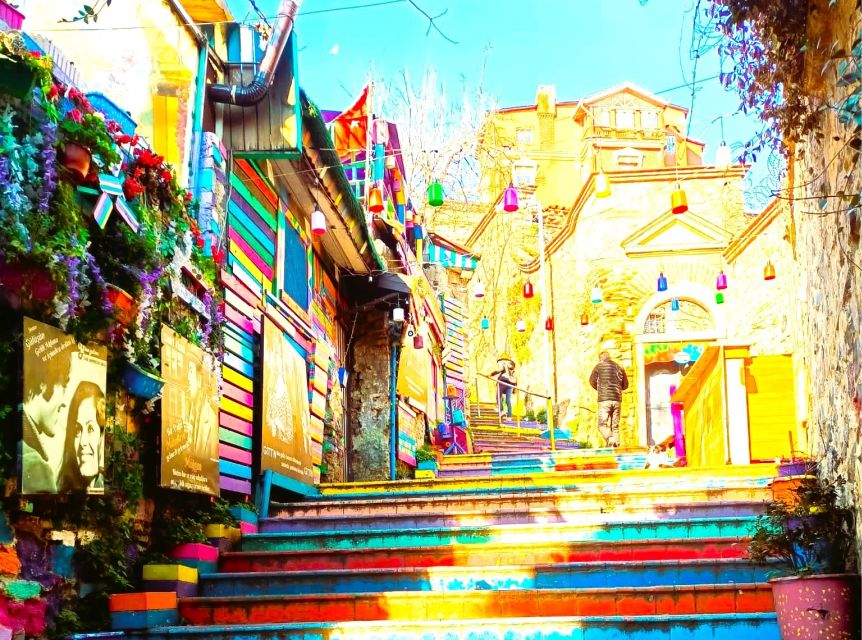
After St. George’s Cathedral, you hit Renkli Merdivenler, the Colorful Stairs area. The structure is simple: there’s a break, photo time, guided context, and then a little free space to wander and reset your legs.
Then you move toward the Special Fener Greek High School with more photo opportunities and guided sightseeing. This stretch is classic “neighborhood reveal” walking: you go from formal religious architecture into the lived-in textures—school frontage, side streets, and the stair-and-slope geometry that defines Fener.
One reason I like this part of the tour: it’s not just about taking photos. The guide points out what you should notice, so you don’t end up with 30 pictures of stairs and nothing learned. You learn why the visuals look the way they do.
Passing Cantemir Palace and seeing the Virgin Mary Greek Orthodox Church
In Fener, you’ll walk past the house/palace of Romanian prince Dimitrie Cantemir, often described as Cantemir Palace. Even if you don’t know the name right now, it lands well during this walk because it shows how this neighborhood held power and prestige beyond just one community.
Then there’s the Virgin Mary Greek Orthodox Church. Expect a photo stop plus guided sightseeing and walking/pass-by time as you move through the area. These stops matter because they show the neighborhood’s continuity. The buildings are the landmarks, but the point is that the community history isn’t trapped in textbooks.
You can also read our reviews of more guided tours in Istanbul



Saint Mary of the Mongols (1266): one stop that changes the timeline
If you like history that feels close enough to touch, this is the moment. The tour includes the Church of Saint Mary of the Mongols, built in 1266. That date anchor is powerful in a walking format. You’re watching Istanbul’s modern streets while the guide brings your attention to a medieval layer that’s still physically here.
The stop is also framed with the neighborhood’s broader Orthodox and local-history context, which keeps it from feeling like random trivia. You’re given reasons to look closely: how the church’s presence connects to the area’s long timeline.
Plan for this stop to be quieter than the stairs-and-houses sections. It’s the kind of place where the guide’s commentary helps you slow down.
Panagia Paramythia and Phanar College: learning the names you’ll see on maps
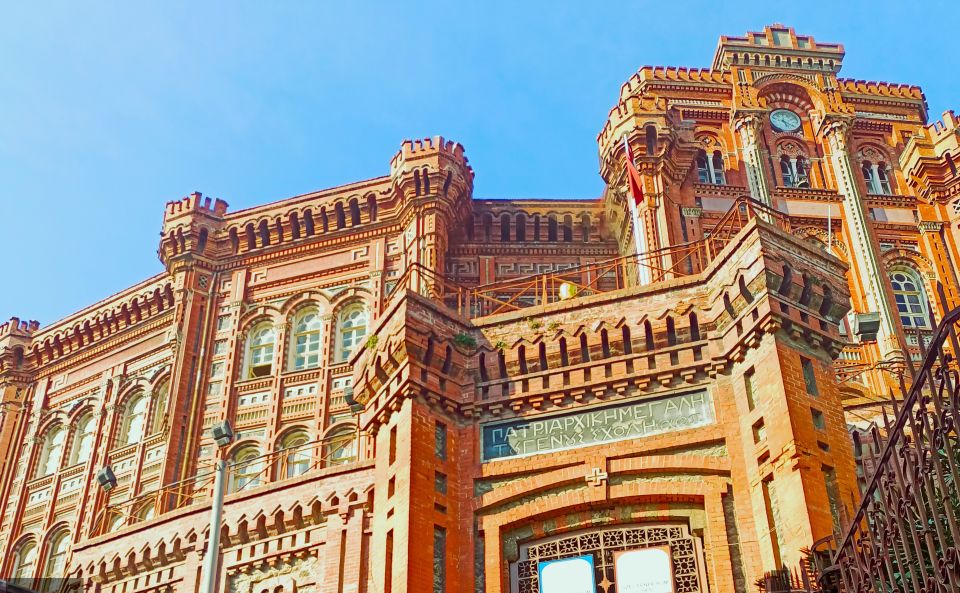
Between the Mongols church and the Balat district, you’ll encounter Phanar Greek Orthodox College and also visit or pass by Panagia Paramythia Church. This is where the tour feels like it’s teaching you how to read the neighborhood.
These are not just stops to check. They’re labels for what the area has long been: education, worship, and community life tied together in walking distance.
I like this portion because it helps you understand why Fener and Balat look the way they do on foot. Once you know what to associate with which building, you start to notice patterns even when you walk away from the group later.
Balat’s colorful houses and timber textures: where daily life shows up
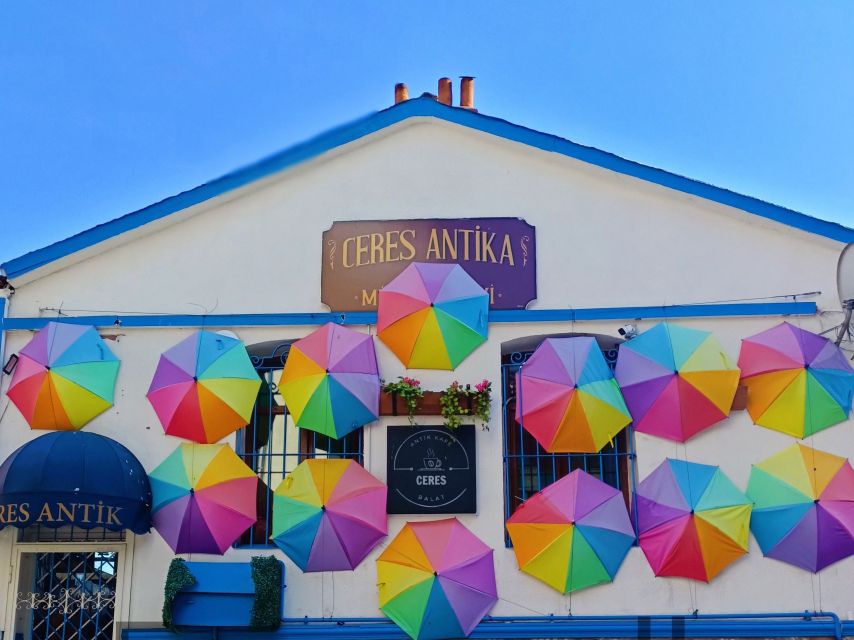
When the tour heads into Balat, you’ll see the Coloured Houses of Balat and the famous timber houses vibe described for the district. Expect a break and photo opportunities, plus guided sightseeing and time to move around.
This is also where you feel how much of Istanbul’s “story” is still visible in ordinary details—paint, stairs, street layout, and the way people move through the area. The guide focuses on the neighborhood’s mixed heritage, including Armenian, Bulgarian, Greek, and Jewish threads.
One practical note: Balat’s charm comes with uneven ground and lots of steps. If you’re carrying a bag, keep it light. If you’ve got knee issues, take it slow through the stair sections and use the break times.
Ahrida Synagogue: one of the oldest synagogue sites in Istanbul
The tour finishes its main religious-culture arc with Ahrida Synagogue. This synagogue dates back to the 15th century, and it’s described as one of the oldest synagogues in the city.
What makes this stop hit is the framing. The guide doesn’t just point out the building. You’re given context about how Jewish life shaped the district and how the area’s multi-faith character developed.
Expect a guided visit plus walking/pass-by segments nearby. It’s one of those moments where you’ll want to pause after the group moves on, just to let what you learned settle.
Sveti Stefan Bulgarian Iron Church: why cast iron still feels surprising
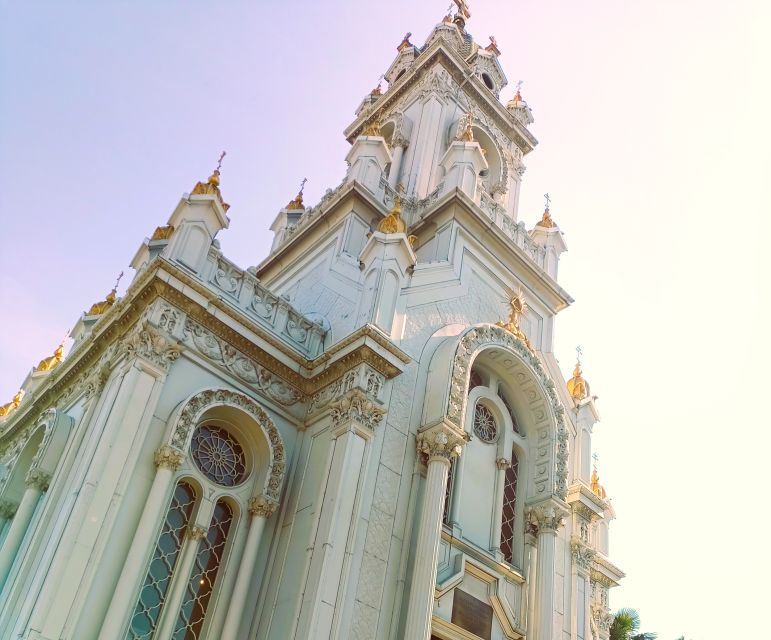
Then comes the star mechanical detail: the Bulgarian Iron Church, also called the Iron Church because of the cast iron used in its production.
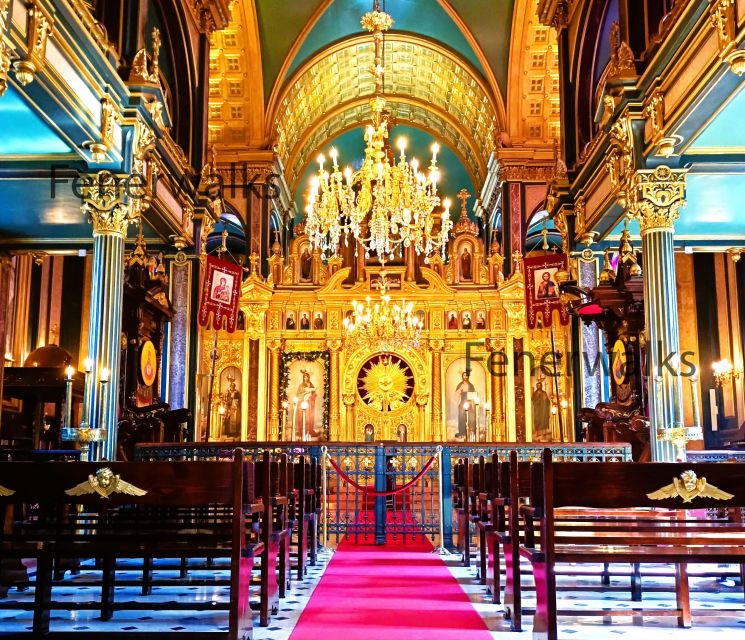
The itinerary includes time at Sveti Stefan Church as the major church stop in this phase, and that aligns with the Iron Church experience. You also get entry to the Bulgarian church included, so you’re seeing the interior as well as the exterior.
This is the kind of site that makes you appreciate how different materials can tell different stories. In a city full of stone and marble, cast iron changes the visual rhythm. The guide helps you understand what that means for the church and the community behind it.
If you get cold easily, consider layers. Iron church buildings can feel cooler, and your body will still be adjusting after earlier walking and stair time.
Hills, stairs, and church dress rules: the two things to plan for
This tour takes place rain or shine, and you’ll climb the hill of Fener on the way. That hill is the real-world reason the pacing works with breaks. Still, you should go in expecting some real walking effort.
Then there’s clothing. The rules are explicit:
- No shorts
- No short skirts
- No sleeveless shirts
- No mini dresses
- Bringing a scarf or long dress is recommended
Even if your outfit is comfortable for walking, it has to pass the religious-site expectations. I suggest packing a scarf you can pull on quickly, or a lightweight layer that covers your shoulders. It’s one of those small carry items that prevents a big headache.
Also, the tour is done in English with live commentary. Some groups use earpieces for audio; if you’re sensitive to that, just bring a neutral attitude. The aim is to keep you hearing clearly while walking through tight spaces.
How much value is $20 for a 3-hour guided walk?
At $20 per person for about 3 hours, this is strong value if you care about context and access, not just pictures. You’re getting:
- a live English guide with commentary
- entry related to the Greek Orthodox Patriarch
- entry to the Bulgarian church
Those are the types of items that quietly make self-guided walking harder. Without a guide, you can wander streets and see buildings, but you’re more likely to miss the “why” behind them. With a guide like Kübra or Yunus (names repeatedly seen in standout feedback), you’re also more likely to get pointed photo stops and timing that matches how the neighborhoods actually look.
The trade-off is the same as most walking tours: you’re paying for time on their schedule. But here, the schedule is short and focused, and you do get multiple major faith-site visits rather than only exteriors.
If you want a cheap, quick taste of the city’s well-known monuments, this isn’t that. If you want Istanbul’s multi-faith neighborhoods in a structured, human way, it’s a fair deal.
Who should book this tour, and who might want to skip it
This is best for you if:
- you like walking with storytelling
- you want religious sites across communities without feeling rushed
- you’re curious about the less-famous sides of Istanbul, like Fener and Balat’s color and stair geography
You might want to skip or choose something else if:
- you dislike hills and stairs
- you have trouble meeting dress-code requirements at churches
- you want a fully flat itinerary with minimal time indoors
Should you book the Istanbul Fener Balat half-day walking tour?
I think you should book this if you’re looking for Istanbul beyond the big-name boxes. The stops are varied but connected: Greek Orthodox sites, a medieval church moment at 1266, the 15th-century Ahrida Synagogue, and then the Bulgarian Iron Church where cast iron makes you look again.
For the $20 price point, the biggest win is not cost alone. It’s access plus guided context—entry to key spaces and a route that makes you understand the neighborhood as a living mix of communities.
Just come prepared for stairs, bring a scarf, and give yourself permission to slow down at the religious sites. Do that, and you’ll leave with a different mental map of Istanbul.
FAQ
How long is the Fener Balat walking tour?
The tour lasts about 3 hours.
What is the price per person?
It costs $20 per person.
Where is the meeting point?
Meet the guide next to the Fener bus stop by the seaside. The bus stop is about 2 minutes away from Nakış Cafe.
What public transport can I use from Eminönü?
From Eminönü, you can take tram T5 to Fener Tram Station, then walk about 3 minutes to the meeting bus stop. The instructions also note that tram is recommended since bus options are limited.
What public transport can I use from Taksim?
From the Taksim area, you can take the underground bus 55T to the Fener stop.
What public transport should I avoid from Karaköy?
The instructions say not to take buses 99, 99A, or 99Y from Karaköy, because their last stop is Eminönü and they restart after dropping people.
What is included in the tour price?
Included are the tour guide and commentary, plus entry related to the Greek Orthodox Patriarch and entry to the Bulgarian church.
Is food and drink included?
Food and drinks are not included.
What clothing is required for church entrances?
Shorts, short skirts, sleeveless shirts, and mini dresses are not allowed. It’s recommended to bring a scarf or long dress.
Is there free cancellation and what is the emergency contact?
The tour offers free cancellation up to 24 hours in advance for a full refund. For emergency, the contact number provided is +905446089485.