REVIEW · ISTANBUL
Imperial Istanbul Half-Day Tour: Hagia Sophia and Grand Bazaar
Book on Viator →Operated by Neon Tours · Bookable on Viator
Four empires in one afternoon can work. This half-day tour strings together the Roman, Byzantine, Latin, and Ottoman layers of Istanbul, starting with Hagia Sophia and ending at the Grand Bazaar, with the underground Basilica Cistern in between.
I like that you get a clear guided storyline you can see in real stone and mosaics, and you’re not just staring at photos. I also like the practical setup: hotel pickup by air-conditioned minivan, a small group capped at 14, and a strong chance to get skip-the-line access at the big sites. The main drawback to keep in mind is that a carpet-weaving stop can turn into a carpet demo sales pitch, and it may cut into your time unless you decide early to skip.
In This Review
- Key things to know before you go
- 1 pm in Sultanahmet: How the half-day tour is actually paced
- Hagia Sophia (when it’s open): the dome, the mosaics, and the story you can follow
- Basilica Cistern (included): why the underground feels like a time machine
- Grand Bazaar: a 15th-century market maze where your guide’s help matters
- The carpet-weaving stop: where some days feel smooth and others feel awkward
- Who this tour suits best (and who should pick a different option)
- Price and value: is $110 actually fair for what you get?
- Should you book this Imperial Istanbul half-day tour?
- FAQ
- What’s the duration of the tour?
- How much does it cost?
- What time does it start?
- Is hotel pickup and drop-off included?
- Which attractions are included in the tour?
- Are tickets included?
- Is there a small group size limit?
- What language is the tour offered in?
- What happens if Hagia Sophia is closed?
- Is food included?
- FAQ
- Is there free cancellation?
- Is the tour suitable for young children?
Key things to know before you go
- Imperial Istanbul storytelling built around four empires: Roman, Byzantine, Latin, and Ottoman
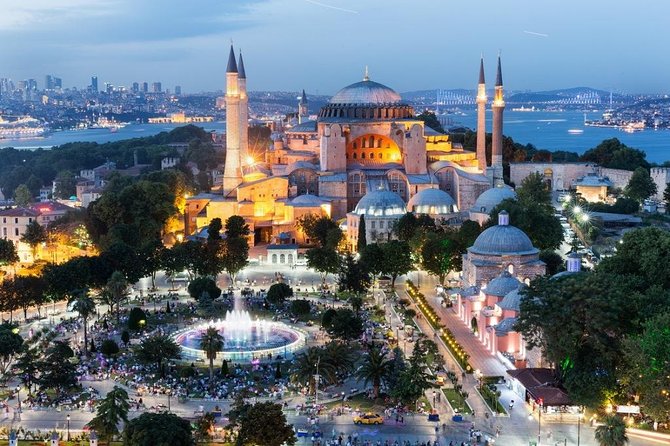
- Hagia Sophia’s visible layer-cake explained as it moves from 6th-century church to imperial mosque and museum
- Basilica Cistern’s behind-the-scenes purpose as Byzantine-era water filtration for the Great Palace
- Grand Bazaar orientation across dozens of streets, with time to browse and haggle
- Afternoon pacing that typically fits a half-day slot without swallowing your whole day
- A potential carpet-shop detour that can be skippable, but it’s worth planning for
1 pm in Sultanahmet: How the half-day tour is actually paced
This tour is built for an afternoon start, meeting in the Sultanahmet area around 1:00 pm. You’ll ride in an air-conditioned minivan and you’ll get hotel pickup and drop-off, which is a big deal in Istanbul when walking distances can quietly add up.
The schedule is designed to hit three headline sites plus an extra stop or two, with a total duration of about four hours. In that time window, the guide’s job is mostly twofold: keep you moving efficiently and explain what you’re looking at so the sites don’t feel random.
Two practical notes you should plan around:
- Admission timing and costs: Basilica Cistern admission is included, but Hagia Sophia admission is listed as not included.
- Food: food and drinks are not included, so you’ll want to eat beforehand. If you’re hungry later, the Grand Bazaar has plenty of places to grab something, but it’s not built into the tour cost.
You can also read our reviews of more shopping tours in Istanbul


Hagia Sophia (when it’s open): the dome, the mosaics, and the story you can follow
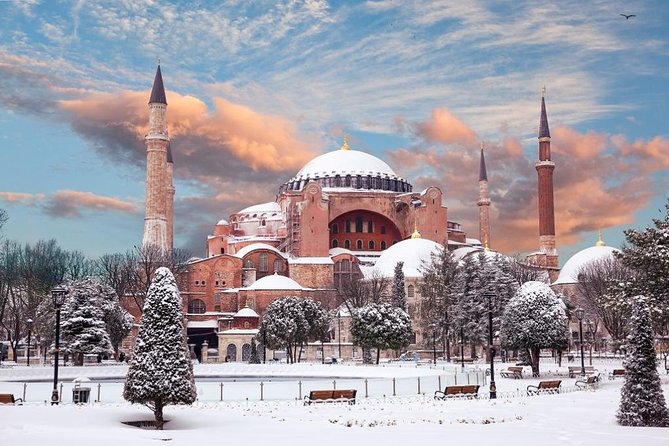
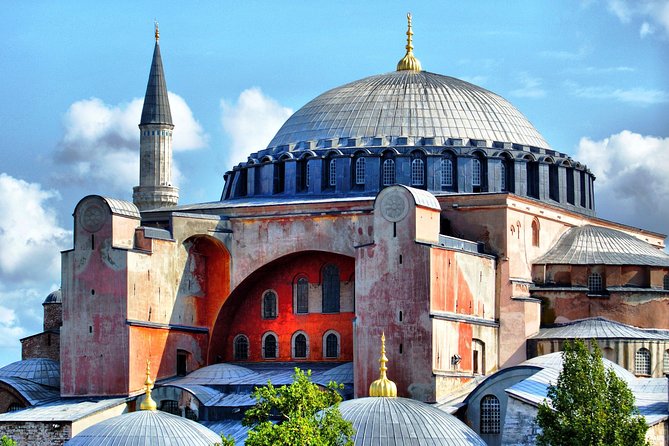
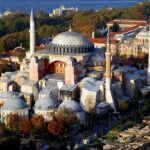
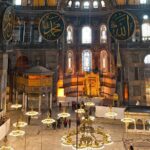
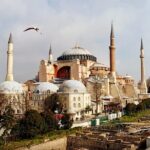
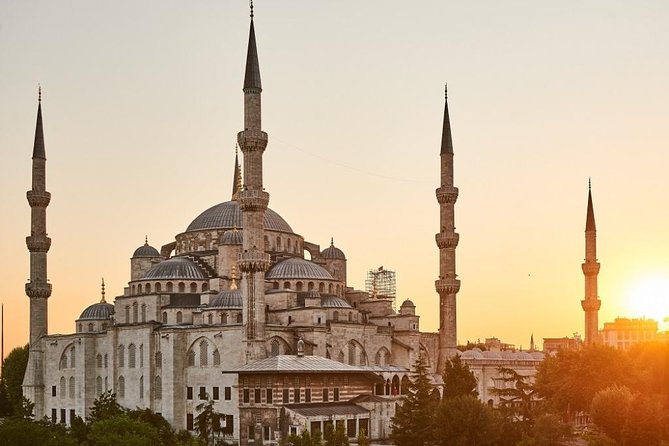
Hagia Sophia is the reason many people book this tour, and for good reason. The guide frames it as a 6th-century structure originally built as a Greek Orthodox church under Roman Emperor Justinian. From there, you’ll hear how the Ottoman conquest transformed it into an imperial mosque—and how it later became a museum in the early 20th century.
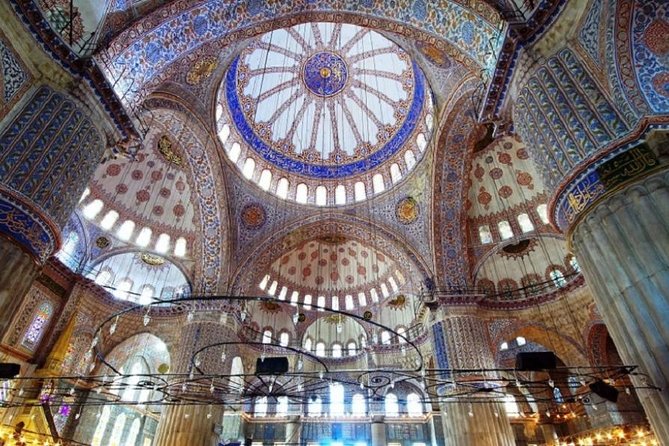
What I like about having a guide here is not that you get a long lecture. It’s that someone points out the big visual cues: how the space is built, why the dome is such a defining feature, and what to look for in the Byzantine mosaics.
You also get the value of timing. Reviews you’ll read elsewhere often highlight long lines at Hagia Sophia, and a tour arrangement can mean less waiting.
One schedule caveat is important: Mondays Hagia Sophia is closed. On those days, the tour swaps in the Chora Museum instead, and you’ll also have options involving the cisterns (Basilica Cistern or Nakkas Cistern).
Basilica Cistern (included): why the underground feels like a time machine
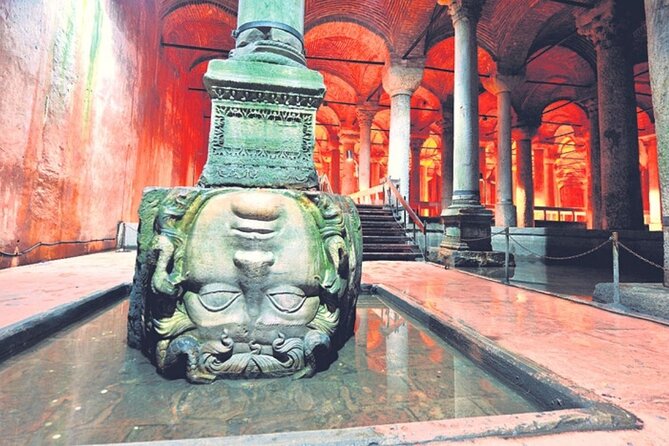
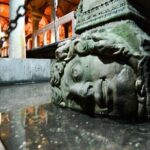
Right near Hagia Sophia, you go underground to the Basilica Cistern. This stop is about the practical engineering behind the drama: the Byzantine Empire used cisterns like this as part of a water filtration system, and the one you’ll see here supplied the needs of the Great Palace of Constantinople.
In plain terms, it’s not just “cool rocks under Istanbul.” It’s a reminder that empires weren’t only about palaces and prayers—they also had to solve daily life at scale. The guide helps you connect the cistern to the palace above, so you’re not standing in the dark thinking, so what?
Admission for Basilica Cistern is included, and you’ll typically spend around an hour. That’s usually a sweet spot: enough time to take in the size and the atmosphere, without rushing you out the moment you start to get your bearings.
If the tour date falls under a special closure swap (like a Monday situation), you might visit Nakkas Cistern instead of Basilica Cistern. Either way, you’re still getting the underground “how did they pull this off?” effect.
Grand Bazaar: a 15th-century market maze where your guide’s help matters
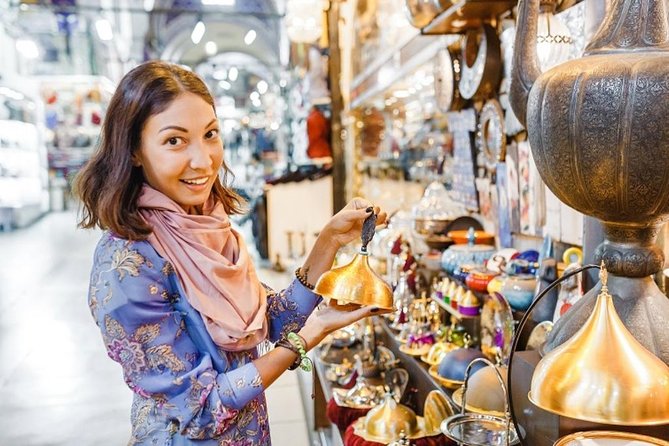
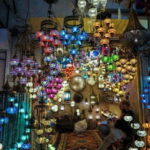
The Grand Bazaar is a world unto itself. This tour takes you to the oldest and largest canopied market in the city, originally established in the 15th century after the Ottoman reign began. You’ll get guided time inside one of the most famous shopping environments on earth, with access to goods like jewelry, pottery, spices, leather goods, and carpets.
The practical value of a guide here isn’t the shopping tips in theory—it’s orientation in a maze. The guide can help you:
- understand where you are (and how to exit),
- find the sections you’re most interested in,
- and avoid getting herded into places you didn’t plan to visit.
That said, the Bazaar is still a Bazaar. Expect crowds, tight lanes, and pushy sales energy. In some versions of this experience, the tour can end with you being dropped at a gate so you explore on your own. If that happens, keep an eye on your belongings and move with purpose.
Time also matters. The Bazaar is so big that “a half-hour browse” can become “an hour of wandering” fast. If you love shopping, you’ll want to use the guide’s time wisely. If you just want a taste, set your own limit before the bazaar rush starts.
Another day-specific reality: Grand Bazaar is closed on Sundays (and on religious holidays). When that happens, the tour reallocates time to the other landmarks.
The carpet-weaving stop: where some days feel smooth and others feel awkward
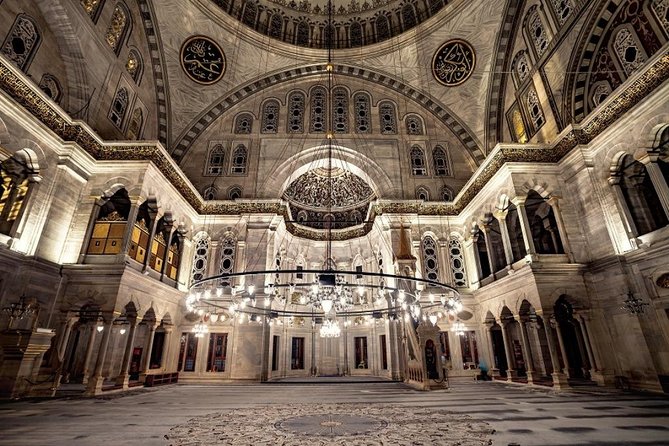
Here’s the part that can make or break the vibe: many departures include a carpet-weaving demonstration or visit to a carpet workshop. The idea can start off as cultural—watching how carpets are made, learning about patterns and materials—but it may turn into a sales pitch.
In the best-case scenario, it feels like an interesting stop with minimal pressure. In the worst-case scenario, you can feel trapped in a sales situation with little room to just watch and leave.
The good news is that the tour’s own messaging indicates the carpet workshop part is not mandatory, and you can skip it. If you’d rather spend that time walking the sites or resting, say so early and clearly. Decide at the first moment you’re offered the option, not once you’re already seated.
Practical tip: bring patience for any shop stop, but don’t confuse “tea and a demo” with “you’ll never get your time back.” If your priorities are architecture and photos, treat this as a possible interruption and plan accordingly.
A few more Istanbul tours and experiences worth a look



Who this tour suits best (and who should pick a different option)

This tour fits you if:
- you want a strong overview of Istanbul’s imperial timeline in a short afternoon,
- you care most about Hagia Sophia and the Basilica Cistern,
- and you like having someone help you navigate the Grand Bazaar without getting lost for hours.
It may not fit you as well if:
- you hate shopping pressure and want zero sales stops,
- you want lots of time to linger slowly inside the Grand Bazaar,
- or you prefer heavy, audio-style narration (this tour setup may not provide headphones).
There’s also a family consideration: it’s not recommended for children aged 4 and under, and children 18 and under must be accompanied by an adult.
Finally, because the group is capped at 14 and you’re in a minivan, this is a decent option for people who don’t want to wrestle with taxis and transfers after a busy morning.
Price and value: is $110 actually fair for what you get?
At $110 per person for about four hours, you’re paying for three things: a guide, transportation, and access support at major sites. Basilica Cistern admission is included, and Hagia Sophia admission is not included, so your total day cost will depend on whether you pay Hagia Sophia on-site.
Where the money feels most justified is when the tour helps you avoid wasted time—especially if you value efficiency at Hagia Sophia and you want the guide’s context for the mosaics and the cistern’s purpose. When a day stays on schedule and the guide keeps the commentary focused, you get a lot of meaning packed into a short time.
Where it feels less worth it is when a long shop visit cuts deeply into the sightseeing portion—especially if you feel uncomfortable or rushed later at the Grand Bazaar. That’s why your best “value strategy” is simple: decide upfront whether you’ll tolerate the carpet stop, and set expectations for the Bazaar time.
Should you book this Imperial Istanbul half-day tour?
Book it if you’re mainly after Hagia Sophia + Basilica Cistern + a guided taste of the Grand Bazaar, and you like learning the story behind what you’re seeing. Choose it with extra care if you strongly dislike shopping pressure—because the carpet workshop stop can be the one time sink that turns a great day sour.
If your ideal afternoon is mostly monuments, photos, and quiet exploration, you may want to reserve your energy and ask about skipping the carpet portion at the start.
FAQ
What’s the duration of the tour?
The tour runs for about 4 hours (approx.).
How much does it cost?
The price is $110.00 per person.
What time does it start?
It starts at 1:00 pm.
Is hotel pickup and drop-off included?
Yes. Hotel pickup and drop-off are included, with transport by air-conditioned minivan.
Which attractions are included in the tour?
The tour includes Hagia Sophia, Basilica Cistern, and the Grand Bazaar. It also includes walking in the Sultanahmet district.
Are tickets included?
Basilica Cistern admission is included. Hagia Sophia admission is not included.
Is there a small group size limit?
Yes. The maximum group size is 14 travelers.
What language is the tour offered in?
The tour is offered in English.
What happens if Hagia Sophia is closed?
Hagia Sophia is closed on Mondays and is swapped with Chora Museum. The tour may also visit Basilica Cistern or Nakkas Cistern.
Is food included?
No. Food and drinks are not included unless specified.
FAQ
Is there free cancellation?
Yes. You can cancel up to 24 hours in advance for a full refund.
Is the tour suitable for young children?
It’s not recommended for children aged 4 and under. Children 18 years and under must be accompanied by an adult.