REVIEW · PAMUKKALE
From Alanya: 1 Day Pamukkale & Hierapolis Tour
Book on GetYourGuide →Operated by Yükay Turizm · Bookable on GetYourGuide
Pamukkale looks like snow, but it’s warm therapy. Add the UNESCO ruins of Hierapolis and you get a day that mixes Roman drama with real mineral water. It’s a long ride from Alanya, yet the payoff is pretty clear once you’re standing among the white travertines and ancient baths.
What I like most is the balance: you get major Hierapolis sights in one organized walking route, then you switch gears to the thermal terraces and sunset at Pamukkale. I also like that the tour includes an overnight stay near Pamukkale, which gives you time to slow down instead of rushing everything in a single day.
One thing to weigh is the sheer time commitment. This is a 20-hour trip from far away, and early pickups can mean you’ll lose a chunk of sleep—so if you’re hoping for an easy, relaxed day, this may feel like a grind.
In This Review
- Key highlights worth planning for
- Why Pamukkale + Hierapolis in one trip actually works
- Price and value: what an $81 package really covers
- The long ride from Alanya: 20 hours, early pickups, and real fatigue
- Day 1 in Hierapolis: gates, baths, temples, and a route that makes sense
- Pamukkale’s white terraces: walking the travertines and timing your photos
- Cleopatra Antique Thermal Pool: decide fast, then enjoy the sunset
- Dinner, overnight hotel, and what to do with the evening
- Day 2 Karahayıt Red Water and the return by boat
- Food on the road: breakfast, dinner, and the lunch question
- Shopping stops and time: how to avoid feeling dragged
- What to pack and what to wear for comfort
- Who this tour suits (and who should skip it)
- Should you book this Pamukkale & Hierapolis tour?
- FAQ
- How long is the Alanya to Pamukkale and Hierapolis tour?
- How far is Pamukkale from Alanya?
- What’s included with the tour price?
- Is the Cleopatra thermal pool included?
- Is lunch included?
- Do I need to pay for the Hierapolis entrance fee?
- Will I see Karahayıt Red Water Travertines?
- What languages does the live tour guide speak?
- Is the tour suitable for wheelchair users?
Key highlights worth planning for
- Hierapolis UNESCO: gates, baths, a theater, necropolis areas, and surviving water features in one route
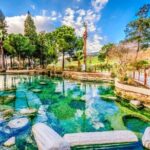
- Columns pool detail: you’ll see an ancient pool with columns noted as surviving the earthquake impact
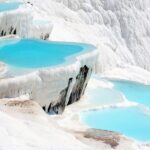
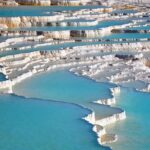
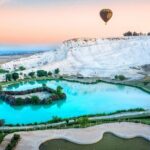
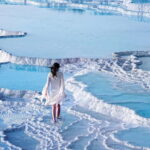
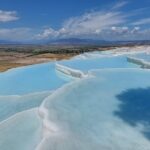
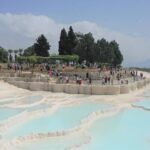
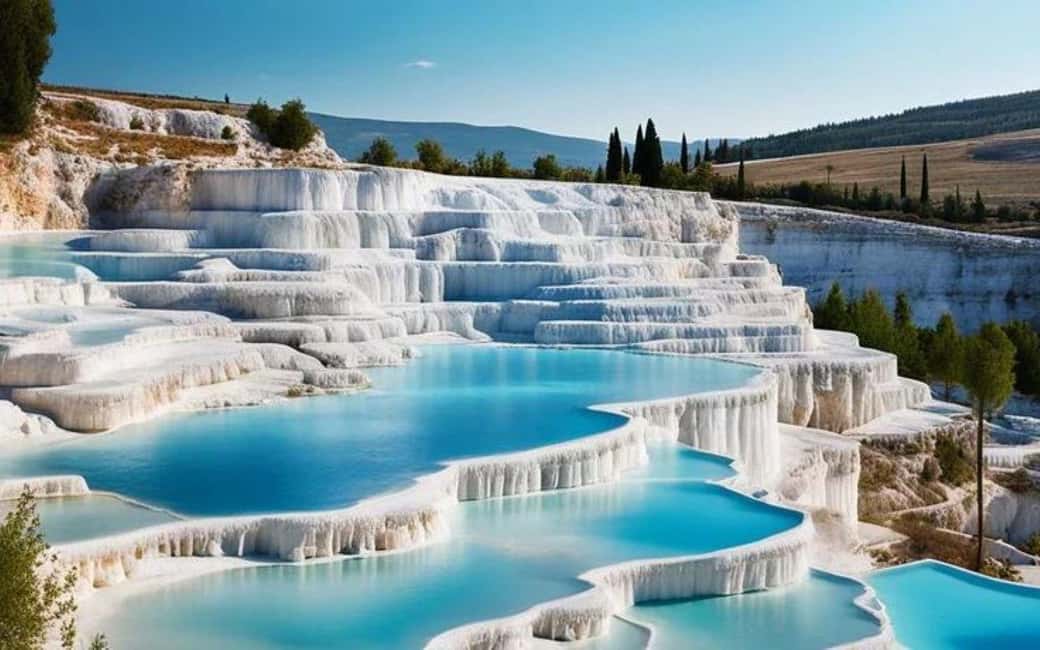
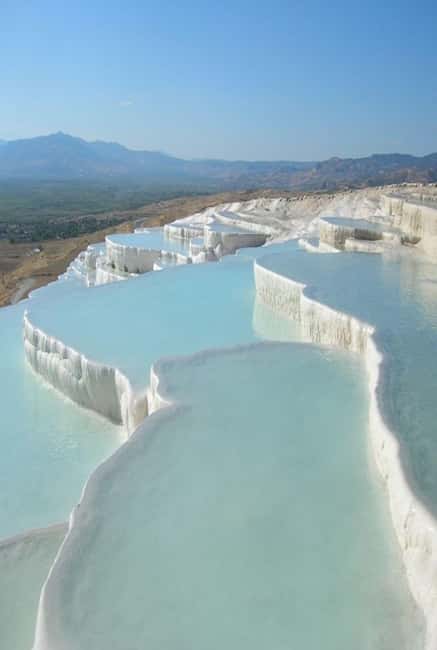
- Pamukkale white terraces: photo-friendly travertines plus time to walk, rest, and grab video at the right moments
- Cleopatra Antique Thermal Pool option: swimming is optional, but sunset viewing is built in
- Karahayıt Red Water: a second set of travertines with a different look and feel on the return
- Return with a boat ride: you’ll get a scenic break on the way back to Alanya
Why Pamukkale + Hierapolis in one trip actually works
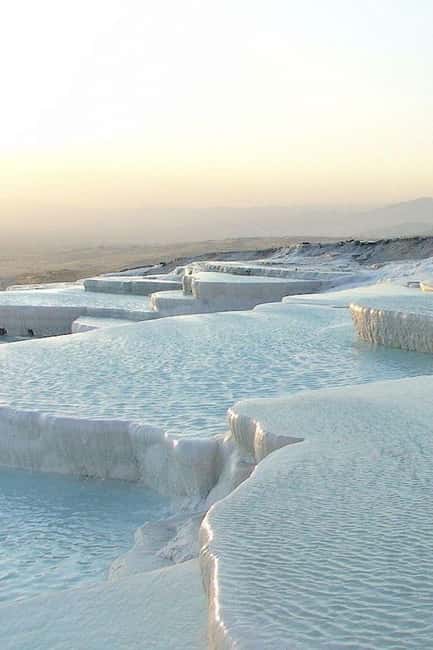
Pamukkale and Hierapolis are tied together in a way that’s hard to fake. Pamukkale is the visual shock—white, stepped travertines formed by mineral-rich thermal water. Hierapolis is the human layer on top of that: Roman-era planning, baths, churches, and public spaces built around the same geothermal story.
That combination matters because it keeps the trip moving between two types of travel satisfaction. One hour you’re reading the layout of a UNESCO site—how people moved through gates, forum-like spaces, and bath complexes. The next, you’re standing on terraces where you can soak your feet (and sometimes swim, depending on the option) in water that’s described as about 30°C and often associated with therapeutic benefits.
Also, doing both places with a guide is the difference between seeing pretty stones and understanding why the ruins look the way they do. Even if you’re not a hardcore history person, the guide’s route helps you notice patterns: water management, public bathing culture, and the way the town’s main buildings line up.
A few more Pamukkale tours and experiences worth a look
Price and value: what an $81 package really covers
At $81 per person for a ~20-hour day with an overnight stay, this isn’t “budget” in the sense of paying separately for every ticket and transfer. The tour includes transport by air-conditioned bus, an overnight hotel, breakfast and dinner, and entrance fees where options apply.
Here’s the practical value check:
- You’re paying for long-distance logistics from Alanya (about 350 km away), not just sightseeing.
- You get a live guide in English, German, Russian, or Turkish, which can save you real time in a place where the sites are spread out.
- You also get some built-in inclusions like skipping the ticket line, plus listed stops that would cost more if you arranged them yourself.
The trade-off is that a few money items are option-based. The tour notes entrance fees for Hierapolis and visits to Cleopatra Antique Thermal Pool and Karahayıt Red Water can depend on what you select. Lunch is also not listed as included in the main package info, even though lunch at an Aquarium Restaurant is mentioned as a highlight—so expect lunch to be “on your own” or paid separately.
So the big question for value isn’t the base price—it’s whether you want the pool time and second travertine stop enough to justify any added options.
The long ride from Alanya: 20 hours, early pickups, and real fatigue
Let’s be honest: this tour earns its drama with time. It’s 20 hours, covering a lot of ground from Alanya to the Pamukkale/Hierapolis area and back. The info says pickup time depends on where you’re picked up, and it can start extremely early.
If you’re sensitive to sleep loss, plan like this:
- Pack essentials the night before because you’ll likely be rushing in the early hours.
- Bring water, sunscreen, and a hat. You’ll be outside for parts of both sites.
- Wear comfortable shoes. The stops are walking-heavy, including ruins.
One more thing: group logistics can create variation in when you actually leave the pickup zone. If you’re the last pickup on the route, you may spend extra time waiting. That doesn’t ruin the tour, but it can make the day feel even longer.
The upside of the long day is that you’re buying time efficiency. If you try to do this solo, you’ll spend a lot of effort coordinating transport, tickets, and pacing across two major sites.
Day 1 in Hierapolis: gates, baths, temples, and a route that makes sense
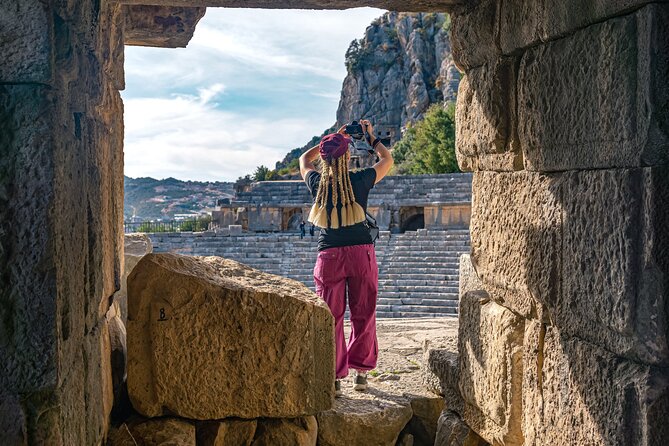
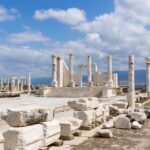
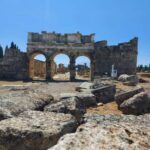
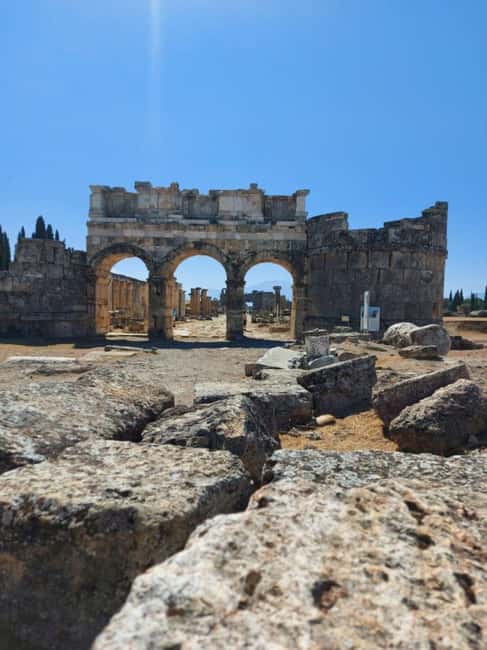
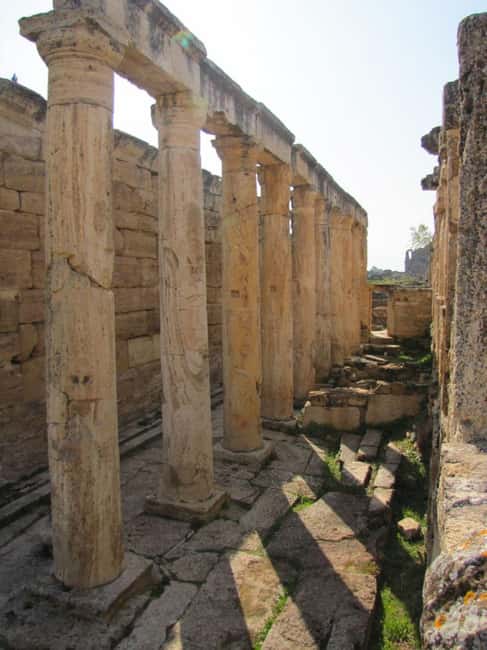
Hierapolis is a UNESCO World Heritage Site, and the guide route is basically built around reading the city like a map. You start with the feel of the old entrances and main streets, then you move into major public structures where you can still picture how daily life worked.
You’ll pass through or see highlights such as:
- South Roman Gate: a sense of arrival and power. Gates are where the city’s boundaries feel real.
- Gymnasium and Frontinus Road area: this gives you the idea of how Romans organized spaces for education, civic life, and movement.
- Great Bath and Byzantine Baths: bathing complexes are the easiest way to understand why thermal water mattered to settlement here.
- Columned Church and cathedral-related spaces: you’ll see how religion layered onto earlier Roman planning.
- Water structures like Nymphaeum Water Tank and Triton Nymphaeum: these are practical reminders that ancient infrastructure wasn’t just for comfort, it was for the city to function.
- Zeus Temple and the Agora: the civic core where crowds would gather and decisions would be made.
- Latrina: yes, ancient toilets are part of the story. It’s one of the more human details you can spot.
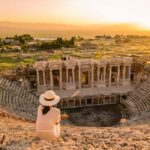
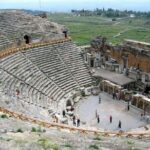
- Old Theatre plus necropolis areas like the Northern Necropolis: the city’s social and afterlife rhythms show up here.
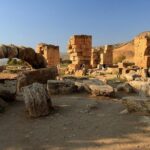
A very specific detail worth noticing: the tour description includes an ancient pool with columns noted as not damaged by the earthquake. That’s one of those things you don’t get from a generic ruins photo. It helps you understand why some areas look intact while others don’t.
What to watch for during the ruins portion:
- Heat and sun exposure. You’ll be outside with long walking segments.
- Shoe comfort. Even if you’re not doing “marathon walking,” uneven ground in ancient sites adds up.
- Your pacing. If you try to photograph everything, you’ll slow the group and feel rushed later. Take a few hero shots, then enjoy the scene.
Pamukkale’s white terraces: walking the travertines and timing your photos
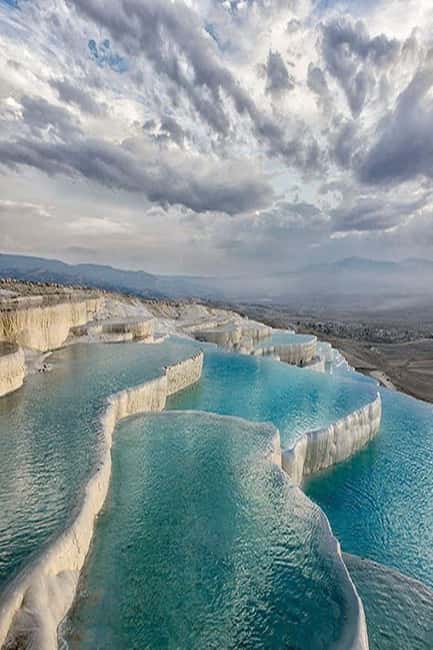
Once you reach Pamukkale, the mood changes fast. Hierapolis can feel like a history class in stone; Pamukkale feels like a surreal science project made into a tourist experience.
You’ll have time for free walking and photo/video shooting on the travertines. That freedom is important. The color and texture of the terraces shift with light and foot traffic. If you’re smart with your timing, you’ll get better shots without feeling like you’re fighting the crowd.
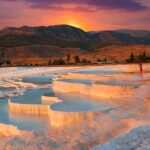
The tour includes free time before moving on to the Cleopatra area, and the schedule is built around watching the sunset. That matters because Pamukkale is one of those places where sunset turns the whole scene more dramatic than you expect.
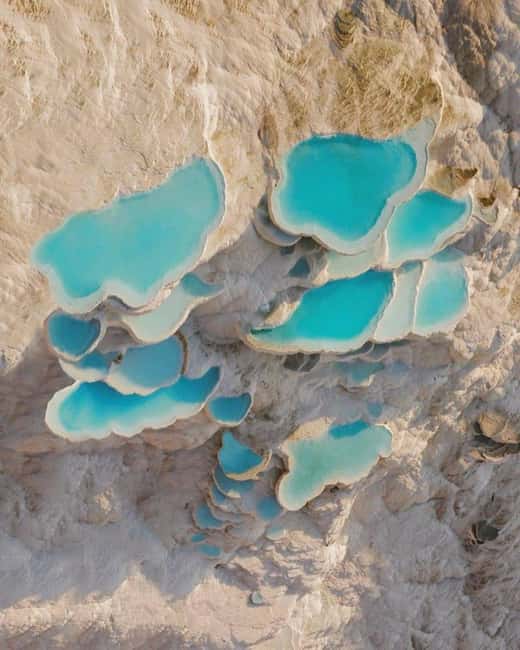
Thermal water is also part of the experience. You’re told Pamukkale’s waters are around 30°C and associated with therapeutic properties. The tour notes swimming in the Cleopatra Antique Thermal Pool as an option—not a requirement—so you can decide based on your comfort, time, and whether you packed swimwear.
Practical advice:
- If you want to swim, bring swimwear and plan to rinse later. The travertines can get slick.
- If you’re only doing soaking, still bring sandals or water-friendly footwear if you have them.
- Bring your camera, but also take breaks. The terraces can be visually overwhelming.



Cleopatra Antique Thermal Pool: decide fast, then enjoy the sunset
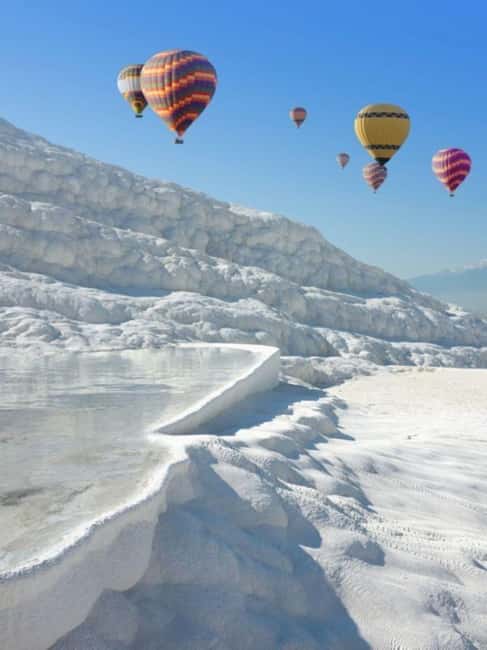
Cleopatra Antique Thermal Pool is the headliner for many people, and the tour treats it like a selectable experience. That’s good. Some travelers want the full swim; others just want the terraces and sunset.
If you’re choosing the pool:
- Go with the expectation that you’ll spend time in the water and then return to terraces for views.
- Keep your towel situation simple. The tour doesn’t list supplies, so come prepared.
If you skip swimming:
- You still benefit from the time window and the sunset viewing.
- You’ll keep your energy for Day 2, which includes another travertine area and the return travel.
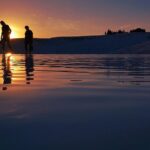
Either way, sunset at Pamukkale is the moment you’ll remember. The stepped terraces glow, and the whole area looks like it’s lit from above. Even if you’ve seen photos, the scale hits differently when you’re standing there.
Dinner, overnight hotel, and what to do with the evening
The tour includes dinner at the hotel’s dining hall and an overnight stay in the Pamukkale area. That’s a real quality-of-life win in a long tour like this. You’re not hunting for food after a full day of walking ruins and travertines.
What you can do with the evening depends on what time you arrive and how tired you are. The tour schedule indicates you’ll check in after sunset viewing and dinner will happen before you turn in.
My tip for the next day: set out what you’ll need for breakfast and the second day before you go to sleep. On a trip like this, small effort now prevents stress later.
Also, if you’re traveling as a photography person, charge batteries during downtime. You’ll have another look at travertines and different colors the next day, and you won’t want to be searching for power mid-trip.
Day 2 Karahayıt Red Water and the return by boat

Day 2 starts with breakfast and check-out with your suitcase. Then the itinerary moves into a second nature stop: Karahayıt Red Water Travertines.
This second travertine area matters because it breaks the monochrome theme. White terraces are one look; red travertines give you a different color palette and a different feel underfoot. Even if the experience concept is similar—mineral-rich water shaping terrain—the visual change keeps the trip from feeling repetitive.
The tour also includes a stop at a Gift and Onix Stone Store. That’s likely where you’ll pick up small souvenirs or see items related to local stone. It’s a quick detour, so if you’re not shopping, use it as a chance to rest your legs and refill water if needed.
On the way back to Alanya, the tour notes a boat ride through a valley. That’s a smart pacing tool. After ruins and terraces, a water/valley break gives your brain a rest and makes the long return feel less like straight bus time.
Then you’ll stop at a leather and textile factory. The tour description says you can load the bus trunk by shopping there. In other words: it’s a sales stop, not a quick cultural peek. If you like shopping, great. If not, keep expectations practical and treat it as a short stop.
Food on the road: breakfast, dinner, and the lunch question
Included meals are breakfast and dinner. Lunch is specifically listed as not included in the package details, even though lunch at an Aquarium Restaurant in Pamukkale appears in the tour highlights.
So what should you do?
- Plan to pay for lunch.
- If you care about the restaurant stop, confirm in your booking details whether the Aquarium Restaurant is part of your specific departure or just a suggested stop.
One more real-world note: on a day like this, meal timing affects your energy more than the restaurant itself. With a full itinerary, I’d focus on eating enough to keep walking comfortable, rather than chasing a perfect meal.
Shopping stops and time: how to avoid feeling dragged
This tour has multiple commercial stops: Gift and Onix Stone Store, plus a leather/textile factory on the return. That can be totally fine if you’re interested in souvenirs. It can also feel like extra time if you want pure sightseeing.
My advice is to decide before you go:
- If you want shopping, set a small budget and stick to it.
- If you don’t, use the stops strategically. Take a bathroom break, grab water, and step outside for quick air if the building is hot.
Also, don’t assume you’ll have time to wander freely around these stops. On tours like this, you’ll usually have a set window to move with the group.
What to pack and what to wear for comfort
This is one of those trips where your comfort choices show up later. The tour suggests comfortable shoes, a hat, swimwear if you want pool time, camera, sunscreen, and water.
If you want a simple packing checklist:
- Comfortable walking shoes with grip
- Sunglasses and sunscreen
- Hat
- Refillable water bottle
- Swimwear and a small towel or quick-dry option (if you plan to use Cleopatra pool)
- Camera charged and ready
And for daywear: light layers help. You’ll move between bus comfort and warm sun walking, and temperatures can shift through the day.
Who this tour suits (and who should skip it)
This tour is best for you if:
- You want two major stops—Hierapolis and Pamukkale—in one organized, guided plan.
- You like structured routes through large sites.
- You don’t mind a full day and want an overnight to reduce the all-in-one-day stress.
It’s less ideal if:
- You hate early starts and long bus days. The pickup timing can be very early.
- You expect a completely relaxed pace. This is a schedule with multiple layers.
- You need wheelchair access. The tour is not suitable for wheelchair users.
Also consider this: if you’re booking expecting a longer trip, keep an eye on how the tour may change with group size. The tour information structure allows for options and different combinations of entrance fees and pools, so timing and inclusions can vary by departure.
Should you book this Pamukkale & Hierapolis tour?
I’d book it if you want maximum payoff: UNESCO ruins, thermal terraces, and a real chance to see sunset at Pamukkale, all without coordinating transport and tickets yourself. The overnight component helps a lot, and the guided route through Hierapolis is the kind of thing that’s hard to replicate well on your own.
I’d skip or reconsider if you’re very time-sensitive, hate early pickups, or only want one of the big experiences (either ruins or terraces). In that case, you might prefer a simpler itinerary closer to where you’re staying.
If you do book, my best practical tip is simple: plan your expectations around the big theme—this is a full-day, two-site outing. Pack for heat and walking, decide in advance whether you care about Cleopatra pool swimming, and keep room in your schedule for the sunset moment, because that’s the one you’ll feel like you traveled for.
FAQ
How long is the Alanya to Pamukkale and Hierapolis tour?
The tour duration is listed as 20 hours.
How far is Pamukkale from Alanya?
The tour information states it is about 350 kilometers away from Alanya.
What’s included with the tour price?
Transport by air-conditioned bus is included, along with 1-night accommodation in Pamukkale, breakfast and dinner, entrance fee to Pamukkale, and several optional inclusions depending on your selected options.
Is the Cleopatra thermal pool included?
It depends on your option. The Cleopatra Antique Thermal Pool visit is listed as included only if selected.
Is lunch included?
Lunch is not listed as included in the package details.
Do I need to pay for the Hierapolis entrance fee?
The Hierapolis entrance fee is listed as included only if that option is selected.
Will I see Karahayıt Red Water Travertines?
Karahayıt Red Water Travertines are listed as included only if that option is selected.
What languages does the live tour guide speak?
The live guide is listed as available in English, German, Russian, and Turkish.
Is the tour suitable for wheelchair users?
The tour information states it is not suitable for wheelchair users.