REVIEW · PAMUKKALE
Bodrum:Pamukkale Cotton Castle & Hierapolis Day Trip w/Lunch
Book on GetYourGuide →Operated by Payless Turizm · Bookable on GetYourGuide
Pamukkale looks like spilled chalk, and this day trip turns that sight into a full plan. I love the UNESCO travertine terraces at Pamukkale and how the guide helps you understand what’s actually creating those mineral bands. The long drive is real, but it’s softened by an air-conditioned transfer and a structured schedule.
I also love pairing the natural wonder with the Roman theater and necropolis of Hierapolis—it’s history you can actually walk through, not just read about. One possible drawback is time balance: some departures can feel rushed at Pamukkale, so if you’re hoping for a slow photo stroll and extra pool time, ask your guide how the on-site timing will work before you settle in.
In This Review
- Key highlights to know before you go
- A one-day Pamukkale and Hierapolis plan that actually works
- Getting to Pamukkale: the 3.5-hour air-conditioned ride from Bodrum
- UNESCO Pamukkale terraces: what you’re really seeing
- Cleopatra’s Pools and bathing time: fun, but check the reality
- Hierapolis ruins: walking from the theater to St. Philippe Martyrion
- Schedule balance: lunch, potential shop stops, and time pressure
- English guiding: what good support looks like on this route
- What to pack for Pamukkale walking and sun
- Who should book—and who should skip this day trip
- Price and value: is $65 fair once you see what’s included?
- Should you book the Pamukkale & Hierapolis day trip from Bodrum?
- FAQ
- What’s the total duration of the Pamukkale and Hierapolis tour?
- How long is the drive from Bodrum to Pamukkale?
- Is lunch included in the price?
- Are entrance fees included?
- Is Cleopatra’s Pools included?
- Are ticket lines skipped?
- What language is the guide?
- What should I bring for the day?
- Is hotel pickup guaranteed?
Key highlights to know before you go
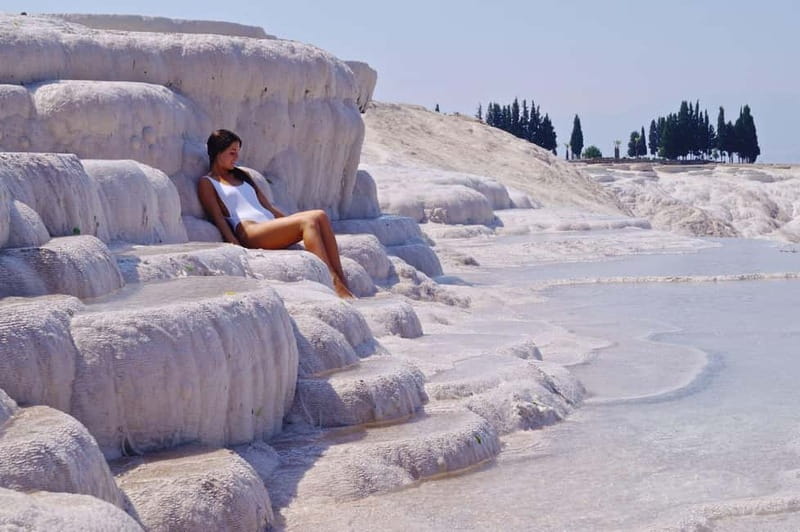
- UNESCO Pamukkale travertines: dazzling white terraces formed by mineral-rich hot springs
- Hierapolis Roman power points: the theater (12,000-seat scale), necropolis areas, and St. Philippe Martyrion
- Real travel time, real comfort: about 3.5 hours each way in an air-conditioned vehicle
- Bathing pools optional: swim time at Cleopatra’s Pools may cost extra and has been reported as closed on some dates
- Lunch included: an open buffet lunch is part of the price
- Guides often praised by name: people specifically call out guides like Nur Çoban, Sultan Nur, Mat, and Mert
A one-day Pamukkale and Hierapolis plan that actually works
If you’re staying in Bodrum and want something big, this is the kind of day trip that delivers. You get two headline sights packed into a 12-hour day: the cotton-castle white terraces at Pamukkale and the Greco-Roman ruins of Hierapolis.
The value here is the structure. You’re not figuring out buses, ticket lines, and timing between two sites far inland. You trade a long day for the convenience of hotel pickup, guided time at the main stops, and a provided lunch.
A few more Pamukkale tours and experiences worth a look
Getting to Pamukkale: the 3.5-hour air-conditioned ride from Bodrum
The tour starts with pickup from your Bodrum hotel (or a nearby meeting point if your street access is limited). Then you settle in for a comfortable 3.5-hour drive toward Pamukkale in an air-conditioned vehicle.
That drive matters more than it sounds. Most people underestimate how much a long road trip shifts your energy level, especially in warm months. Bring sunglasses and sunscreen early, and plan to treat the ride as part of the day—not just the gap between stops.
A small practical tip: seat comfort can vary depending on the vehicle used for parts of the journey. If you’re sensitive about sitting for long periods, choose the best seat you can at pickup and keep water and a hat accessible.
UNESCO Pamukkale terraces: what you’re really seeing
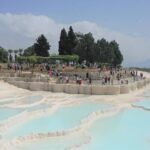
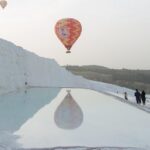
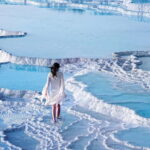
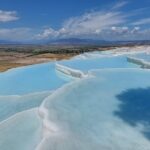
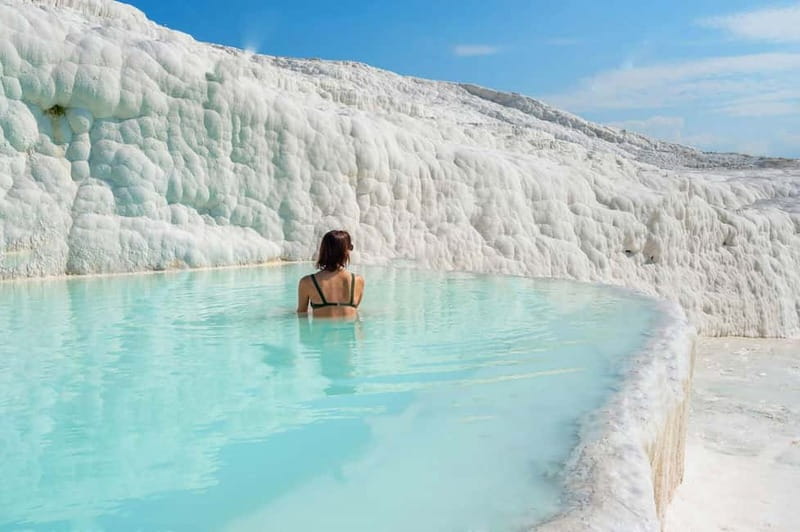
Pamukkale’s travertine terraces are unforgettable because they don’t look like a man-made attraction. They look like nature edited in white pencil—layer after layer of mineral deposits from hot springs.
When you arrive, you’ll have guided time and free time to wander among the formations. Your guide’s job is to explain what creates that look and why the mineral water leaves these distinct bands over time. That context turns the photos into something you actually understand.
Here’s how to make the most of your walking time:
- Wear shoes with grip. Some paths can be uneven and slick around mineral areas.
- Go slow for the first 10 minutes. Let your eyes adjust to the glare and the texture differences.
- Plan your photos around the terraces’ natural lines, not just the brightest point. The shape is the magic.
If you’re a detail person, Hierapolis later will feel even more rewarding, because Pamukkale gives you the “why” behind the region’s geothermal character.
Cleopatra’s Pools and bathing time: fun, but check the reality
The tour includes time for bathing pools at your own pace, and swimming is optional. Cleopatra’s Pools is the best-known option, but it comes with an additional entry fee, and you’ll need your swimsuit, towel, and change of clothes.
One important reality check: Cleopatra’s Pools has been reported as closed on some dates. That doesn’t mean you’ll lose the day—Pamukkale itself is the main show—but it does mean you should mentally prepare for a scenario where you admire instead of swim.
If swimming is on your must-do list, come with flexibility. Bring your gear anyway, but treat it like a bonus rather than the whole mission. And if you do get access, one tip from the field: the water depth is reported to be shallow (around 50 cm), which makes it more approachable if you don’t want a full dunk.
Hierapolis ruins: walking from the theater to St. Philippe Martyrion
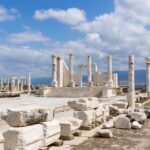
After Pamukkale, the tour shifts from white mineral terraces to archaeology. Hierapolis is a Greco-Roman city with major Roman-era structures, and the walking route is designed so you can hit the big stops without getting lost.
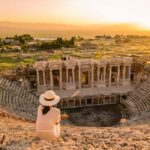
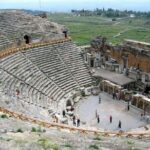
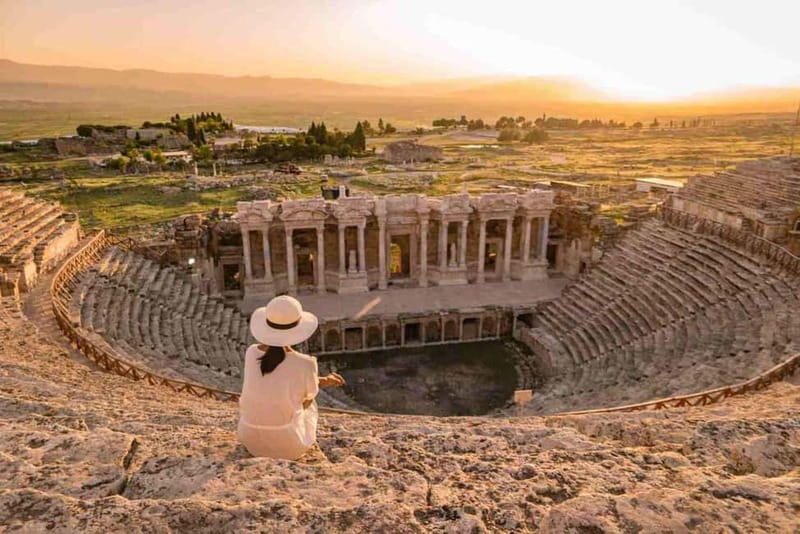
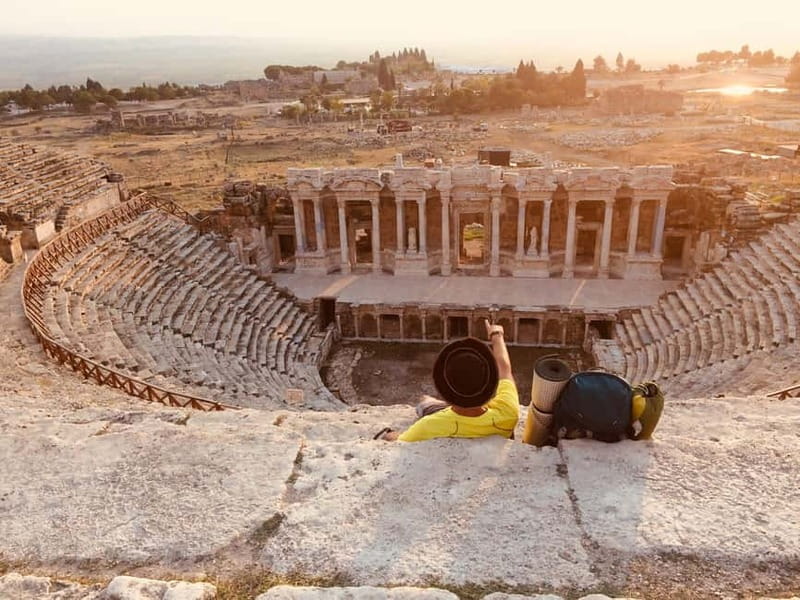
The centerpiece is the Roman theater, built to seat over 12,000 spectators. Even if you don’t know the details, standing there gives you the scale fast. It’s the kind of place where your brain starts filling in what public life would’ve felt like.
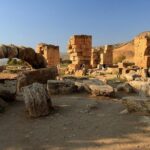
Next, you’ll see the necropolis areas and St. Philippe Martyrion. These spots add variety: the theater is about entertainment and gatherings, while the necropolis portion shifts the tone toward burial culture and long timelines. St. Philippe Martyrion helps connect the site to later religious history, without turning the day into a lecture marathon.
A good way to enjoy Hierapolis is to alternate:
- 10 minutes looking at structures
- 5 minutes looking at the surrounding views
- then back to structures
That rhythm helps you keep pace without rushing.
A few more Pamukkale tours and experiences worth a look


Schedule balance: lunch, potential shop stops, and time pressure
This is a full-day plan, and the biggest decision point for you is how you’ll spend your limited on-site time. The tour includes an open buffet lunch, which is a real plus because you’re not hunting for food in rural areas between sites.
That said, time can get uneven. Some people felt Pamukkale time was short—around 2 hours in some cases—especially when they wanted longer terrace exploring or more leisurely pool time. If that matters to you, ask your guide early how long you’ll have at each location.
Another thing to watch for: you might have extra stops on the way, like pottery workshops or a winery stop. Those can be interesting if you like craft or tastings, but they can also eat into time at the main tourist locations. If you’re not into shopping stops, tell your guide your preference upfront and keep expectations realistic about how long the road segments will take.
The good news is that the day is generally described as smooth and well organized, with guides keeping the group moving and explanations clear.
English guiding: what good support looks like on this route
This tour runs with an English live tour guide, and the strongest praise you’ll see centers on how guides manage the day. People specifically named guides such as Nur Çoban, Sultan Nur, Mat, and Mert, with compliments about friendliness, patience, and clear explanations.
Here’s why that matters on a trip like this. Pamukkale can turn into a “walk and photo” loop if nobody explains the mineral process. Hierapolis can turn into “random ruins” if you don’t know what each structure’s role was. A good guide gives you signposts so you understand what you’re seeing while you’re standing in front of it.
If you’re the kind of traveler who likes to plan your own photo timing, also ask your guide to confirm how long you’ll have for each stop. One practical complaint was that when stop durations aren’t clear, it can throw off your personal timing.
What to pack for Pamukkale walking and sun
You’ll be in the sun, on uneven ground, and doing moderate walking. Pack for heat and for getting changed if you swim.
Bring:
- sunglasses and a sun hat
- swimwear (if you want the chance at Cleopatra’s Pools)
- a towel and a change of clothes
- sunscreen
- sturdy shoes for historical-site walking
You don’t need fancy gear, but you do need comfort. If your feet tire easily, consider light, breathable clothing and take a slow pace early rather than saving energy for later.
Who should book—and who should skip this day trip
This tour is best for people who want a big hit of nature plus major Roman archaeology in one go. If you enjoy seeing UNESCO sites with a guide and you don’t mind a long travel day, you’ll likely find it rewarding.
It’s not suitable for:
- people with back problems
- people over 95 years
The walking is described as moderate, so if you have mobility limits, think carefully before committing. You can still enjoy the sites, but this is not a “sit and watch” day.
Price and value: is $65 fair once you see what’s included?
At $65 per person for a 12-hour day, the pricing structure makes sense because the big costs are covered: hotel transfer, professional English guiding, and an open buffet lunch. You’re paying for transportation and guided time between two major sites.
The main things not included are entrance fees and personal spending. So your true total depends on how you handle entry costs on-site and whether you swim at Cleopatra’s Pools (additional entry fee applies).
Value comes from reducing friction. With this kind of inland routing, saving time and avoiding logistics stress is worth something. If you’re comfortable paying a bit extra for that convenience and you want a guided explanation, this fits well.
Should you book the Pamukkale & Hierapolis day trip from Bodrum?
Yes, I’d consider booking if you want the headline combo: white travertines at Pamukkale plus the major Roman structures of Hierapolis, all with hotel pickup and lunch. It’s a solid choice for first-timers who don’t want to wrestle with timing.
I’d think twice if you’re extremely schedule-sensitive, because some departures can feel tight at Pamukkale. And if Cleopatra’s Pools access is a make-or-break deal for you, keep your expectations flexible since it has been reported closed on some dates.
If you want the best day, do two things: ask your guide about stop timing early, and pack your swim kit even if you’re not sure you’ll use it. That way you’re ready for both Plan A and the reality of changing conditions.
FAQ
What’s the total duration of the Pamukkale and Hierapolis tour?
The tour lasts about 12 hours, including pickup, time at both sites, and the return transfer to Bodrum.
How long is the drive from Bodrum to Pamukkale?
The drive is described as a 3.5-hour journey in an air-conditioned vehicle.
Is lunch included in the price?
Yes. The tour includes an open buffet lunch.
Are entrance fees included?
No. Entrance fees are not included, and you’ll pay them separately on-site.
Is Cleopatra’s Pools included?
You’ll have time for bathing pools, but entry to Cleopatra’s Pools involves an additional fee. Bring your swimsuit if you plan to go in.
Are ticket lines skipped?
Yes, the tour includes skipping the ticket line.
What language is the guide?
The tour guide provides English-language guiding.
What should I bring for the day?
Bring sunglasses, a sun hat, sunscreen, swimwear (if you want to swim), a towel, and a change of clothes. Wear sturdy shoes for walking.
Is hotel pickup guaranteed?
Pickup is included, but in some cases you may be directed to a nearest designated meeting point due to hotel road conditions.