REVIEW · PAMUKKALE
Pamukkale and Hierapolis Skip-the-Line Tickets + Audio Guide
Book on GetYourGuide →Operated by Cosmic Tickets & Audios · Bookable on GetYourGuide
Pamukkale’s white terraces aren’t the main show.
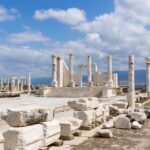
Hierapolis sits above them, with ruins you can wander at your own pace while an offline audio guide gives context turn by turn—no roaming or searching required. It’s a great way to experience a UNESCO site without feeling rushed, and the views from the ancient walls are genuinely eye-catching.
I especially like two things. First, the audio guide is built for self-guiding: offline narration, text, and maps on your smartphone, with an activation link to get started. Second, your ticket focuses on saving time at the entrance—skip-the-line access is part of the deal, so you spend more energy looking at stone and less time standing in line.
One consideration: you can’t skip all security. Security lines are mandatory, and the route involves real walking—so plan on some trekking and bring the right gear.
In This Review
- Key things to know before you go
- Hierapolis above Pamukkale: what you’ll actually see
- Offline audio guide: how it helps you make sense of the ruins
- Skip-the-line entry: what it saves time on (and what it won’t)
- Walking route: Theater, Museum, and the necropolis areas
- The Theater
- The Museum
- Necropolis zones and the city’s thermal pull
- Roman Bath and the Plutonium: sacred springs and the underworld gate
- Roman Bath
- Plutonium (Gate to the Underworld)
- Martyrium of Saint Philip and finishing with Pamukkale views
- Price and value: is $51 a good deal?
- What to pack for this Pamukkale + Hierapolis day
- Who this is best for (and who should think twice)
- Should you book this skip-the-line audio ticket?
- FAQ
- What is included with the Pamukkale and Hierapolis skip-the-line ticket?
- Is the audio guide available offline?
- Do I need headphones for the audio guide?
- When will I receive my QR code ticket?
- Can I skip the security line?
- How long does this experience last?
- What should I bring besides the QR code?
- Is food or transportation included?
- Is the site accessible for wheelchairs?
- Can I cancel and get a refund?
Key things to know before you go

- Offline audio, text, and maps work without internet once you’ve downloaded/activated.
- Skip-the-line entry helps with the ticket queue, saving you time at a busy site.
- Main Hierapolis highlights include the Theater, Museum, Roman Bath, and Plutonium.
- The Martyrium of Saint Philip is included, adding a religious layer to the ruins.
- Pamukkale views from above make the climb feel worth it.
- Headphones aren’t included, so pack them (or use your own earbuds).
Hierapolis above Pamukkale: what you’ll actually see
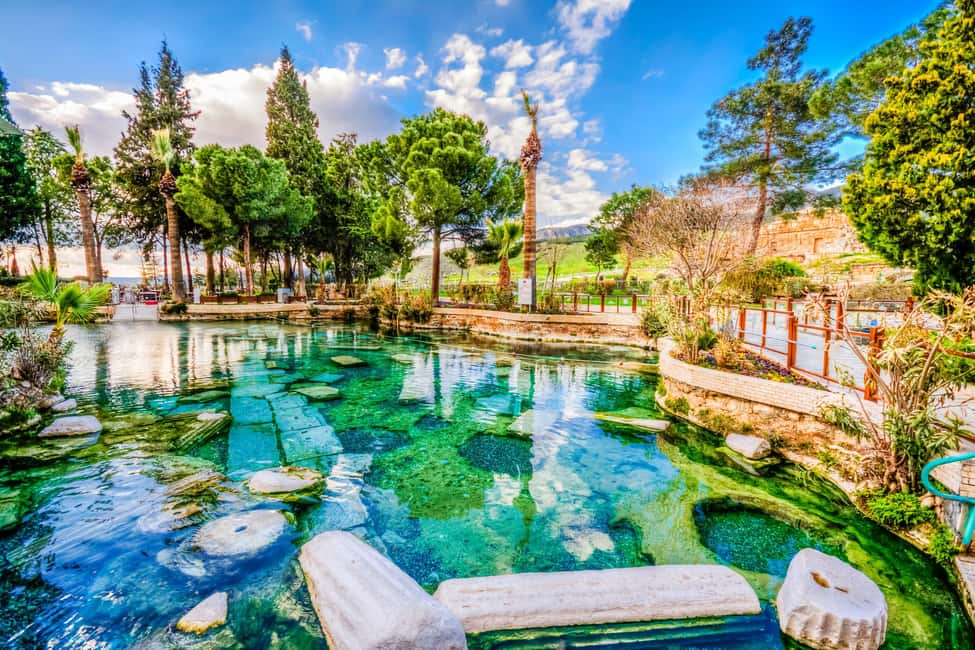
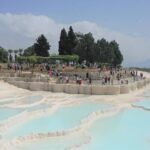
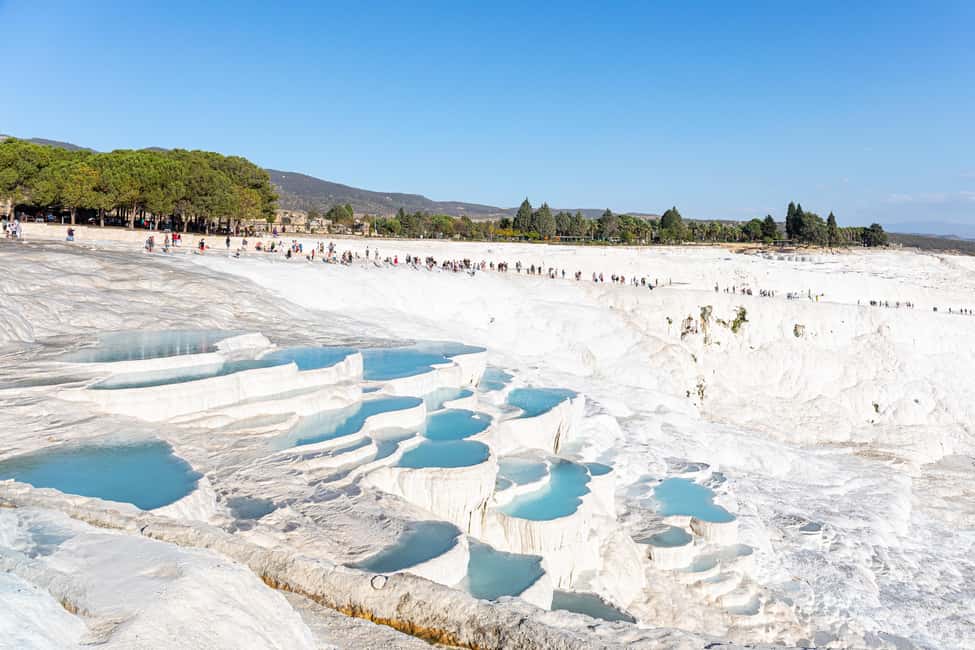
This is one of those days where the setting does half the work. Pamukkale’s travertine terraces look unreal from the ground, but when you’re up at Hierapolis you get a bigger picture—white mineral terraces stretching below Roman-era stone. The contrast is part of the magic: harsh limestone cliffs and then these delicate-looking pools and terraces that have become a signature of the area.
On your visit, you’ll focus on Hierapolis’ major stops: the Theater, Museum, Roman Bath, Plutonium, and the Martyrium of Saint Philip. You’ll also move through the broader ancient complex, including areas tied to the necropolis and the thermal springs story that made this town important in the first place. The audio guide is what connects those pieces for you, since it’s built to explain what you’re looking at as you walk.
Here’s the practical value of doing it this way: instead of treating ruins like random photo backdrops, you can attach a mental label to each space. When you know what the Theater was for, you’ll read the building differently. When you understand what the Plutonium was described as, you’ll notice details you might otherwise walk right past.
If you like history but don’t want a live guide schedule dictating your pace, this ticket fits that sweet spot.
You can also read our reviews of more tours and experiences in Pamukkale.



Offline audio guide: how it helps you make sense of the ruins
The audio experience is the core reason I’d pick this format over a basic entry ticket. You get an instant activation link and offline access to everything: audio narration, text, and maps. Translation: you can keep your phone in airplane-friendly mode and still follow the route.
The biggest win here is mental. You don’t have to stand around reading signs, guessing what each structure once did, or checking your phone for directions. The map support and structured narration help you keep moving, which matters a lot at a site like Hierapolis where you’re walking between separate zones.
You also get a story thread that ties key stops together:
- the city’s sacred hot springs and why people came,
- the Plutonium, described as a gate to the underworld,
- and the way Pamukkale’s travertine formations are linked to the geothermal setting.
That last point is useful for photos, too. If you know what’s creating those white terraces and why they form, you take different pictures—less “pretty view” and more “how it works.”
One small note from the experience style: the audio is self-guided. That means you’ll need to manage your own pacing. If you enjoy wandering and pausing for photos, you’ll be happy. If you hate any walking that isn’t slow and flat, you may find it tiring.
Skip-the-line entry: what it saves time on (and what it won’t)
This ticket is advertised as skip-the-line access via express security check, and that’s where the practical savings usually come from: fewer minutes in the most stagnant part of the process.
But there’s an important reality check you should plan around. It is not possible to skip the security lines. There can be a line at the entrance, and it’s mandatory for all visitors. So “skip the line” here really means: you’re better positioned for entry once you’re in the security flow—not that security is skipped entirely.
In other words, go in expecting a normal security process, just with better odds of not waiting as long for the ticketed entry portion.
Walking route: Theater, Museum, and the necropolis areas

Your day at Hierapolis is a sequence of big visual anchors, and the audio guide helps you read each one as you pass.
The Theater
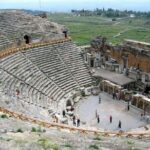
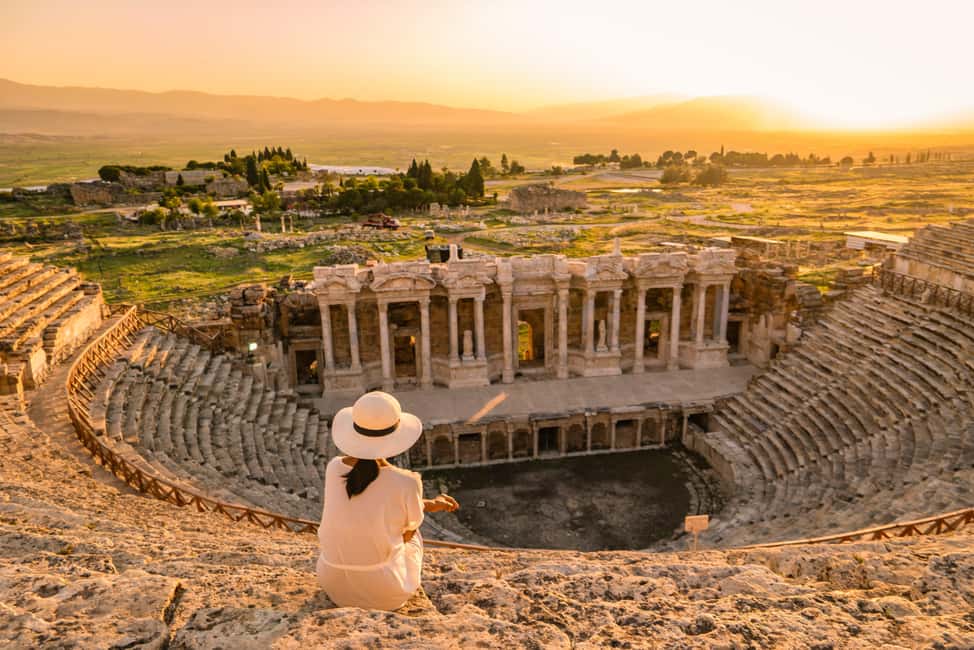
Theater buildings at Roman sites weren’t just for entertainment. They were a way of shaping public space, and you’ll feel that geometry as you move through the area. The audio narration helps explain what you’re seeing so you can notice the structure instead of only taking wide-angle shots.
Practical tip: the Theater area is a natural pause point. If you take photos, plan a minute to let the light and your angle settle, especially with Pamukkale visible in the distance.
You can also read our reviews of more guided tours in Pamukkale
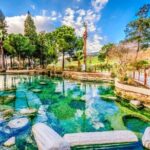


The Museum
The Museum stop is where you can slow down and connect ruins to artifacts and context. If you’re the type who likes to understand what’s been preserved (and what has not), this is the part that rewards your attention.
The biggest advantage of doing the Museum inside your audio route is continuity. You won’t feel like you’ve “left the real site” behind. You’ll feel like you’re still inside the story, just at a different stage.
Necropolis zones and the city’s thermal pull
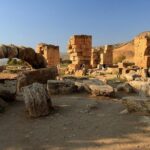
Hierapolis is also tied to burial areas and to the thermal springs that drew visitors. The audio guide brings that connection into focus. You’ll see why this city wasn’t just a place to pass through—it was a destination.
This is also the part of the visit where the walking adds up. The terrain can involve some trekking, so if you want to move smoothly, wear shoes you trust and keep your phone charged.
Roman Bath and the Plutonium: sacred springs and the underworld gate
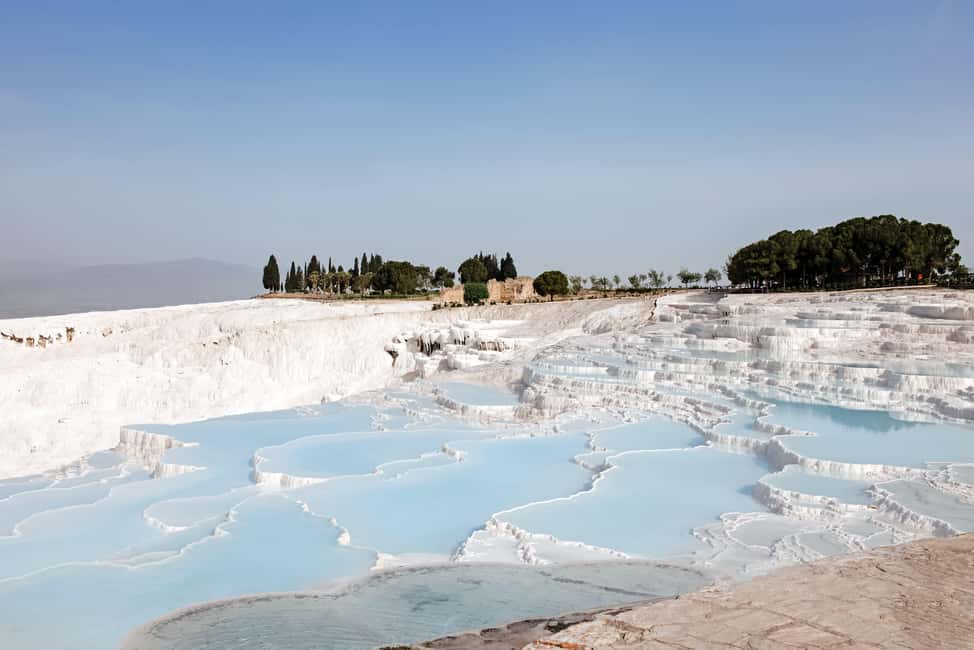
If you’re looking for the “wow” factor, these two stops do the heavy lifting.
Roman Bath
The Roman Bath tells you a lot about how Hierapolis functioned in its heyday. Baths weren’t only about cleanliness; they were social spaces and symbols of the city’s thermal appeal. With the audio guide, you’re not guessing about the purpose. You’re hearing the logic behind the design and the role of the hot springs.
This stop is also a good reminder of why Pamukkale and Hierapolis are tied together. The terraces aren’t just a scenic side quest. They connect to the geothermal story that made the settlement matter.
Plutonium (Gate to the Underworld)
The Plutonium is described in the audio as a gate to the underworld. That framing changes how you read the structure. Instead of seeing stonework as simply decorative or historical, you treat it like a place where people believed the spiritual world was close.
I like this stop because it’s not just “look at old stuff.” It makes you think about belief systems and how architecture can be used to express fear, hope, and meaning—especially in a town known for hot springs.
Photo tip: approach this area with patience. The best angles often come from moving a few steps and changing your perspective, not from staying glued to one spot.
Martyrium of Saint Philip and finishing with Pamukkale views
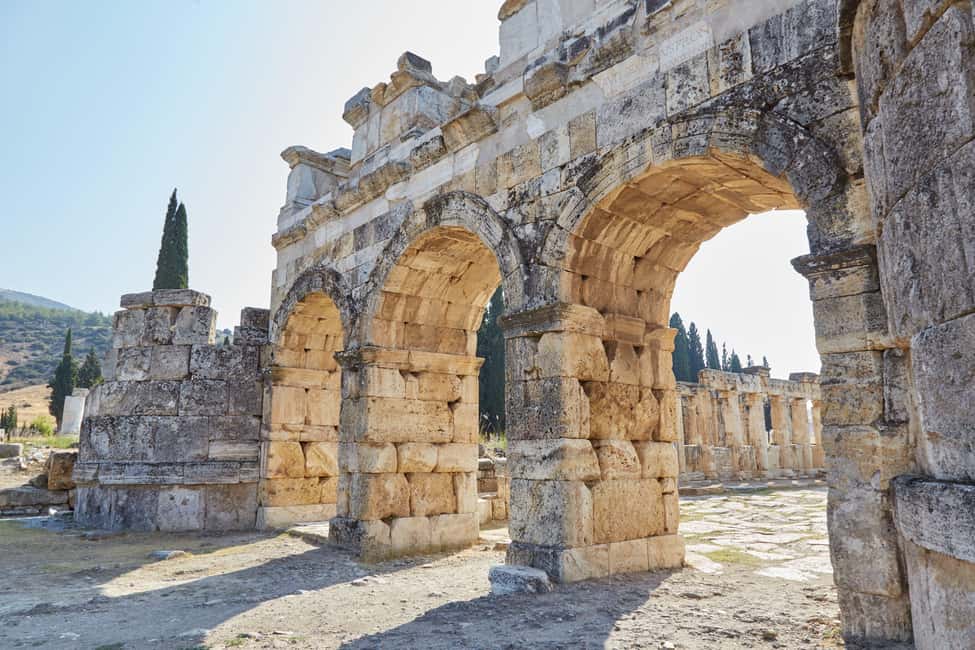
The Martyrium of Saint Philip rounds out the religious and cultural side of the day. It’s the kind of stop that helps you understand why the place endured in people’s imaginations long after the Roman era. If you’re interested in how sacred spaces evolve over time, this is a satisfying closing chapter.
After that, you’ll likely find yourself drawn back toward the higher vantage points, where Pamukkale’s travertine terraces show up again. This is where the whole day makes sense. The views aren’t random scenery; they’re part of the same environmental story that feeds the springs and shaped the city’s importance.
And yes—this is the point where your legs may be asking questions. The route can involve trekking, and your “I’ll just walk a bit” plan may turn into a more serious walking day. If you planned for that, the views will feel like a reward, not a chore.
Price and value: is $51 a good deal?
At $51 per person, the value mostly depends on what you would otherwise pay for:
- entry to multiple major areas (Ancient City, Museum, Theater, Roman Bath, Plutonium, and the Martyrium of Saint Philip),
- plus an audio guide experience with offline access.
Many basic tickets cover entry only. Here, you’re also paying for a self-guided system that’s meant to reduce your reliance on signage and interpretation. That matters because Hierapolis is broad, and the audio helps you keep your bearings without draining data on your phone.
So for my money, this is best viewed as a “time and understanding” purchase. You’re not just buying entry. You’re buying a smarter way to spend the hours you have.
What can lower value for you: if you already know this site well and plan to use your own guide materials, the audio may feel like extra cost. Also, since headphones and food aren’t included, you’ll want to budget for those basics (or pack them).
What to pack for this Pamukkale + Hierapolis day
This is one-day terrain with a few practical demands. The essentials are obvious, but they matter here:
- Headphones: not included, and the audio guide is on your smartphone.
- A charged smartphone: the audio and maps depend on it.
- Camera: you’ll want lots of angles, especially with the terraces below.
- Biodegradable sunscreen: worth bringing for outdoor time.
- Change of clothes and beachwear: the area is connected to thermal water and terraces, so plan for a more “Pamukkale day” feel.
- Good walking shoes: expect trekking and uneven ground.
Also, keep your QR code ready. Your tickets and audio guides are sent to you by email in QR form, and it’s best to check your inbox ahead of time.
Who this is best for (and who should think twice)
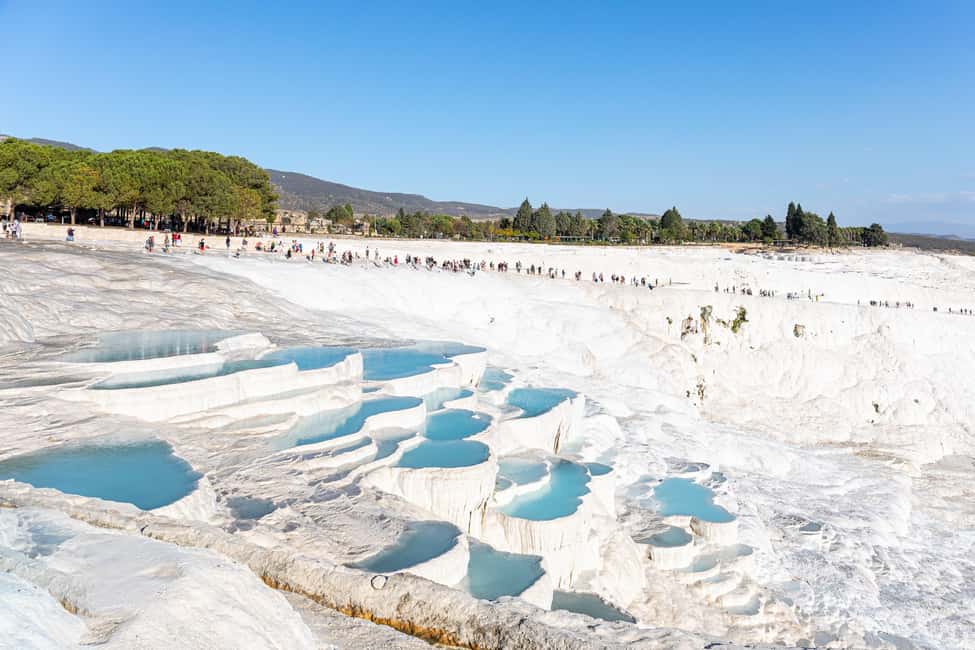
This ticket is a strong match if you:
- want a self-paced visit rather than a fixed-group tour,
- like using your phone for guidance without constant internet use,
- want the key Hierapolis highlights without needing to hire a live guide,
- and enjoy pairing ancient structures with big views over Pamukkale.
Think twice if you:
- need a fully guided, step-by-step human explanation (a live guide isn’t included),
- hate any kind of trekking and long walking between stops,
- or expect security to be magically skipped (it can’t).
If you’re flexible and you pack for walking, you’ll get a lot out of a single day.
Should you book this skip-the-line audio ticket?
I’d book it if your priority is entry to major Hierapolis/Pamukkale highlights plus an offline audio guide that helps you understand what you’re seeing while keeping you moving on your own schedule. The offline maps and narration are the kind of upgrade that turns a wandering day into an actually meaningful visit.
I wouldn’t book it as strongly if you’re hoping for a completely low-effort experience or if you’re counting on truly skipping all security. You’ll still deal with mandatory security lines, and you should plan for trekking.
If you want the best odds of a smooth day, bring headphones, expect some walking, and download/activate your audio so you’re ready the moment you’re inside.
FAQ
What is included with the Pamukkale and Hierapolis skip-the-line ticket?
You get access to the Ancient City, Museum, Theater, Roman Bath, Plutonium, and the Martyrium of Saint Philip. The package also includes skip-the-ticket-line entry to Pamukkale & Hierapolis (Adult) and an offline self-guided audio tour if you selected the audio guide option.
Is the audio guide available offline?
Yes. The audio guide content includes offline access to narration, text, and maps, so you don’t need internet or roaming while you’re using it.
Do I need headphones for the audio guide?
Headphones are not included. The activity lists headphones under what to bring, so plan to use your own.
When will I receive my QR code ticket?
You’ll receive your QR code ticket by email from Cosmic Tickets after 6 PM the day before your visit. Same-day bookings are sent immediately.
Can I skip the security line?
No. It’s not possible to skip security lines. There could be a line at the entrance, and security is mandatory for all visitors.
How long does this experience last?
The activity is valid for 1 day. Starting times depend on availability.
What should I bring besides the QR code?
You should bring a charged smartphone, headphones, a camera, biodegradable sunscreen, beachwear, and a change of clothes.
Is food or transportation included?
No. Food and drinks, as well as transportation, aren’t included.
Is the site accessible for wheelchairs?
Yes. The activity is listed as wheelchair accessible.
Can I cancel and get a refund?
Yes. Free cancellation is available up to 24 hours in advance for a full refund.