REVIEW · ISTANBUL
Turkish Coffee and Traditional Turkish Dessert Cooking
Book on GetYourGuide →Operated by Lokal Bond · Bookable on GetYourGuide
Sweet smells beat the tour-bus routine. In a cozy Istanbul home, I love how this class pairs hands-on künefe with the slower ritual of Turkish coffee, so you’re not just watching. You’ll learn how to layer and flip künefe until it’s golden, and you’ll brew coffee the old-fashioned way with patience and froth. The one real consideration is allergies: künefe contains dairy and gluten, so you’ll want to tell the host ahead of time.
This is also a small-group setup, typically up to 6 people, and the whole experience runs about 2.5 hours with instruction in Turkish and English. You’re stepping away from hotel breakfasts and mall snacks and into something more like an afternoon with the family, hosted by Nuran and taught alongside her sister-in-law, Feyza.
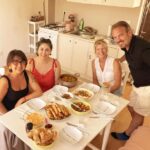
Once you arrive in Kâğıthane (Talatpaşa), expect a simple flow: cook the dessert first, brew the coffee while it cooks, then gather at the table to eat warm dessert and drink your coffee. It’s practical, sensory learning, with plenty of time for questions and easy conversation.
In This Review
- Key things you’ll notice right away
- Why künefe and Turkish coffee fit together so well
- Entering Nuran’s kitchen: the welcome, the pace, and the people
- Künefe at the flame: crisp edges, syrup timing, and the flip
- Making Turkish coffee the old-fashioned way: foam, patience, meaning
- What desserts you’ll make (and how much food you’ll actually get)
- The 2.5-hour reality: small group, hands-on learning, no waiting around
- Price and value: what $59 buys you here
- Who this class is best for (and who should consider alternatives)
- Practical tips so you get the most out of your session
- Should you book this Turkish dessert and coffee cooking class?
- FAQ
- What is the duration of the experience?
- How many people are in the group?
- Where does it meet in Istanbul?
- What languages are used during instruction?
- What’s included in the class?
- Does künefe include common allergens?
Key things you’ll notice right away
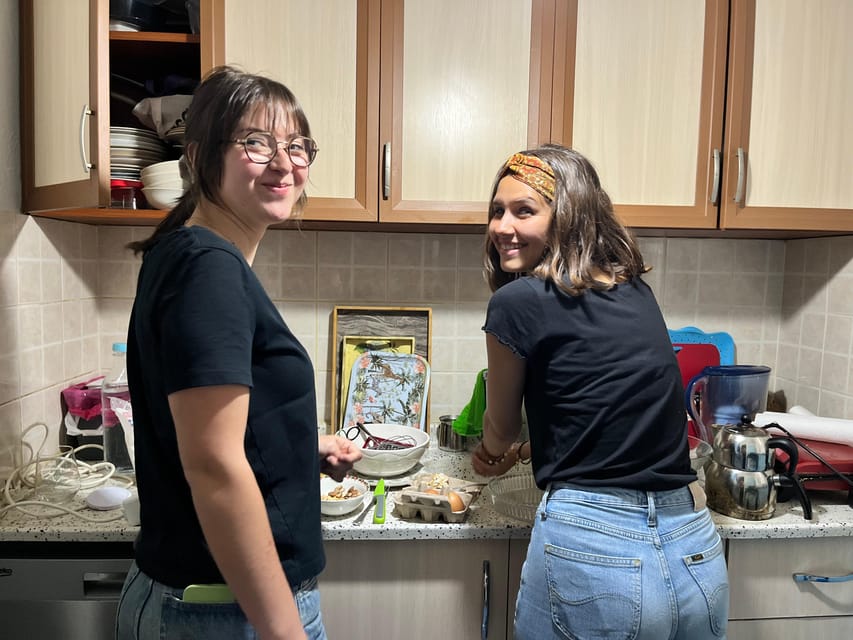
- A family home setting in Kâğıthane instead of a public classroom
- Künefe as the centerpiece, with the syrup and flame-cooking process doing the heavy lifting
- Turkish coffee with real technique (slow brewing and foam, not instant coffee)
- Small group attention, so you can ask why each step matters
- A relaxed table moment, where the food and conversation run together
- Optional extras from family life, like a quick pop-in from relatives during the dessert break
Why künefe and Turkish coffee fit together so well
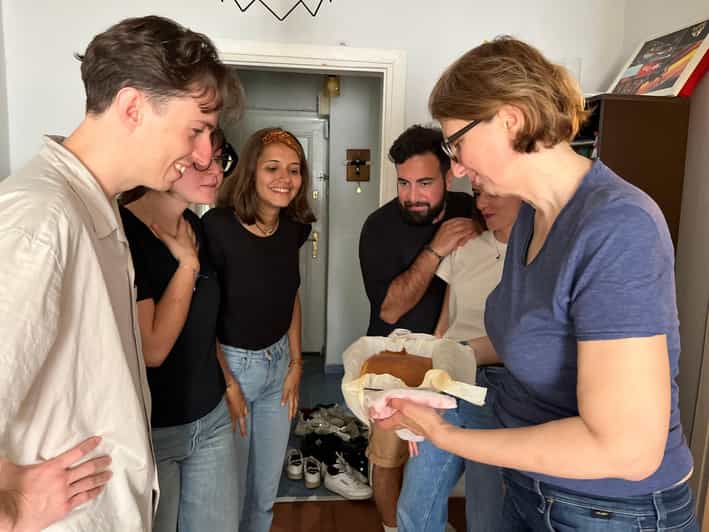
Künefe and Turkish coffee aren’t just random dessert-and-drink partners. In Turkish culture, both are about timing and texture. Künefe rewards the moment it turns golden; coffee rewards patience while it froths.
I like that this class teaches both rituals as skills. You’re learning how to build the dessert so it stays crisp, and you’re learning how to brew coffee so it tastes balanced instead of harsh. For you, the payoff is that you’ll understand the logic behind the steps, not just memorize a recipe.
And because the cooking and brewing overlap, you also get a natural break to talk. That’s where the home atmosphere really shows up—people relax once they’ve got something simmering, and conversation starts to flow.
You can also read our reviews of more cooking classes in Istanbul

Entering Nuran’s kitchen: the welcome, the pace, and the people
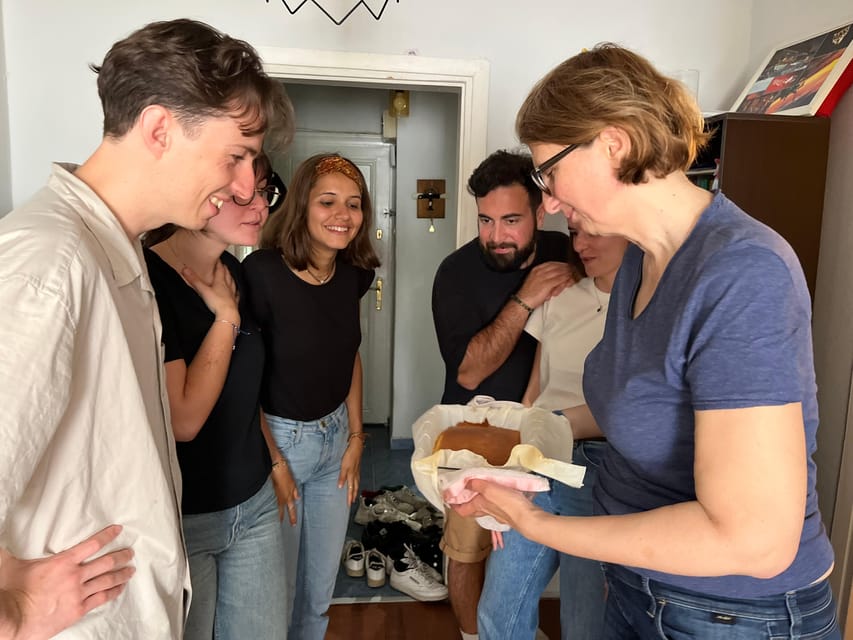
You’ll be welcomed into a real home, not a staged cooking studio. In the classes taught by Nuran, the vibe tends to be warm and casual, and you can feel that this is part of everyday life rather than a performance.
Feyza often takes an active role in teaching the cooking, especially with the dessert process. One reason this stands out is that instruction feels personal. When you’re working with your hands—layering pastry, managing heat—you don’t want vague directions. You want clear cues, and you get them here.
The pace is also thoughtfully paced. The plan gives you active prep time, then shifts to coffee while the dessert cooks. That rhythm matters because it keeps the class from feeling rushed, and it helps you learn without stress.
One extra thing you might catch: family members may stop by briefly while dessert is finishing. In past sessions, a cousin or nephew has dropped in at just the right moment to share the dessert. It’s not the kind of thing you can schedule, but it’s a real reminder you’re in someone’s lived-in life.
Künefe at the flame: crisp edges, syrup timing, and the flip
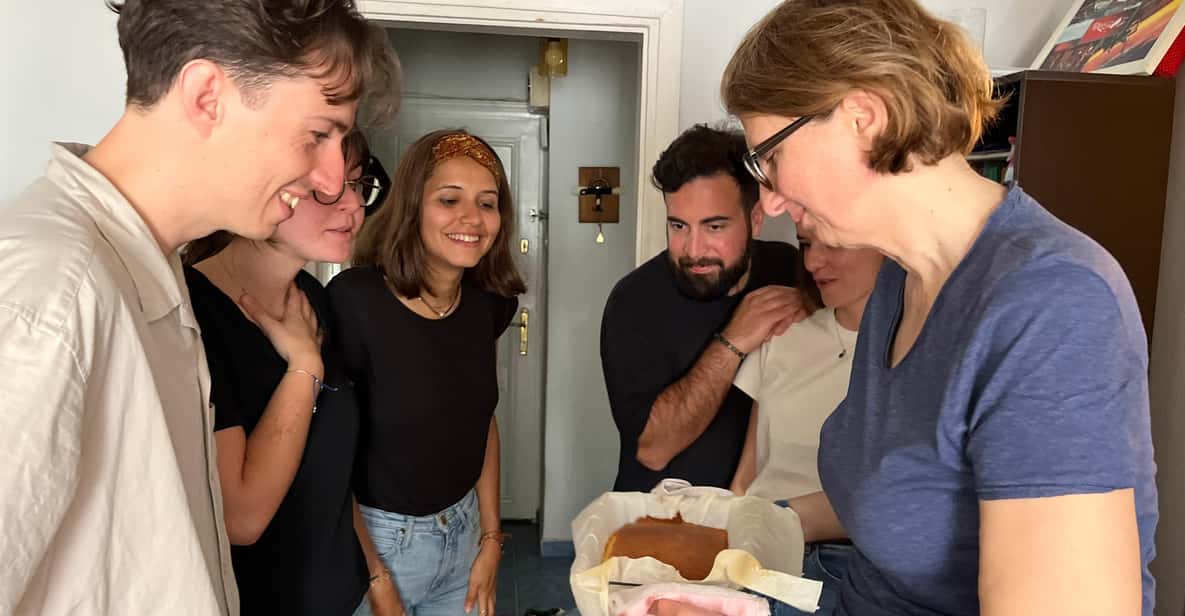
Künefe is the headline dessert for a reason. The texture goal is specific: a crisp, golden top with a hot, melty center, all pulled together with homemade syrup. In this class, you start by preparing it, then you cook it over flame and practice the key moment—getting it flipped so both sides go golden.
The learning here is practical. You’ll work on layering shredded pastry, using regional-style butter, and distributing the cheese so it melts evenly. Then you’ll learn how to manage heat so the top doesn’t burn before the inside gets up to temperature.
Why that matters for you is simple: künefe can fail in different ways. Too much heat can crisp the outside while leaving the inside unmelted. Too little heat can leave it soft and pale. The class format helps you see these cause-and-effect problems in real time.
You’ll also connect the syrup timing to everything else. If you add syrup at the wrong moment, you lose crispness or end up with a soggier result. Because you’re cooking at the same home table where you’ll eat, it’s easier to understand the exact moment the dessert is ready to pull together.
Making Turkish coffee the old-fashioned way: foam, patience, meaning
While the künefe cooks, the class shifts to the stovetop coffee ritual. The coffee method here is slow and frothy, made the traditional way, not by pressing buttons.
You’ll hear about how Turkish coffee fits into daily life and social culture. It’s not just caffeine; it’s a pause that signals you’re settling in. That’s why the class makes space for both: dessert needs attention, but coffee needs time.
If you want to try, you may get a chance to make a cup yourself. Even if you just watch, you’ll learn the steps that create that signature foam layer. The goal is a balanced cup where the flavor is deep without being overly bitter.
One fun (and very “in-home” Turkish) extra: in past sessions, Feyza has done an unofficial read of coffee grounds. You shouldn’t count on that every time, but it’s the kind of friendly tradition that can pop up when the group relaxes with dessert and coffee.
What desserts you’ll make (and how much food you’ll actually get)
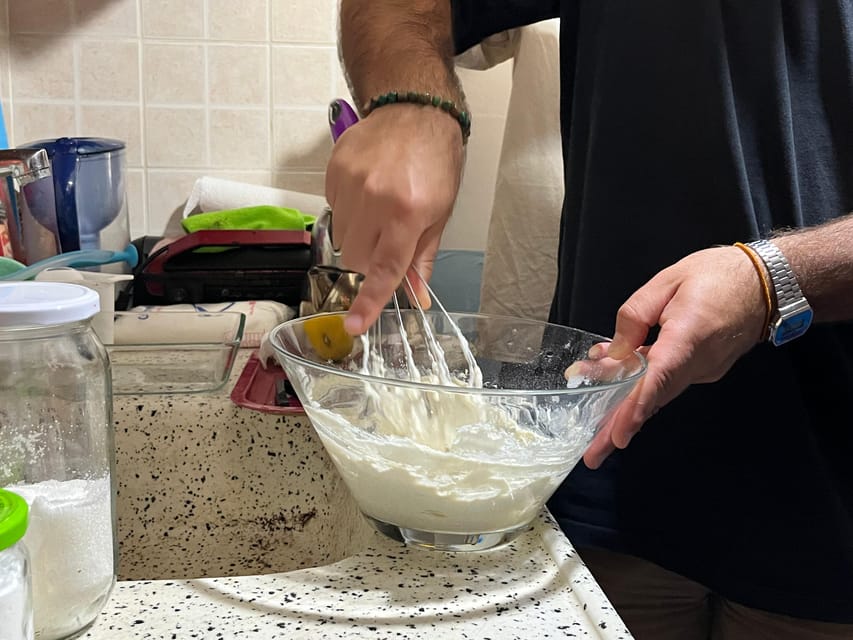
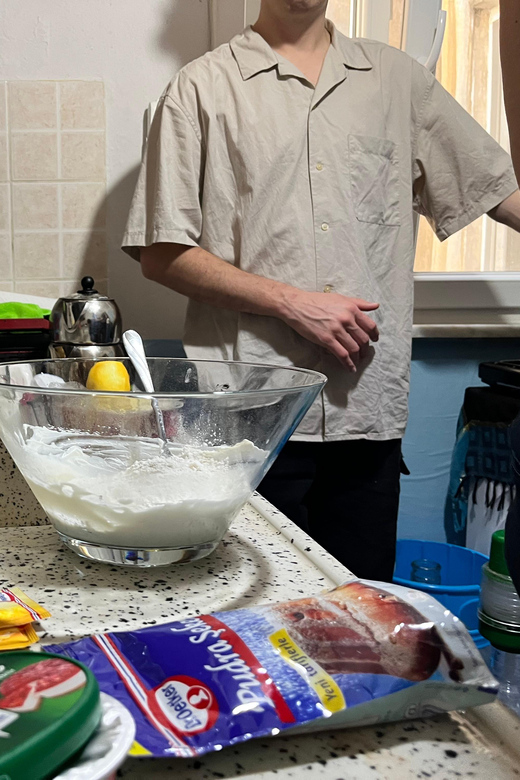
This experience focuses on Turkish dessert cooking, with 2 or 3 desserts typically included. Künefe is the core starter, but other desserts can appear depending on the session.
Some classes have included flour halva and semolina cookies, which gives you a range of textures—from syrupy and soft to cookie-crisp. That variety is one of the hidden benefits. If you only make one dessert, you walk away with one skill. With two or three, you learn how different Turkish sweets behave: how they set, how they crisp, and how syrup changes texture.
When it’s time to eat, you’ll enjoy the warm dessert plus tea or coffee. The key thing is that you’re eating what you cooked, right where you cooked it, as a group. It changes how you remember steps later, because you’re linking the taste to the technique.
A few more Istanbul tours and experiences worth a look

The 2.5-hour reality: small group, hands-on learning, no waiting around
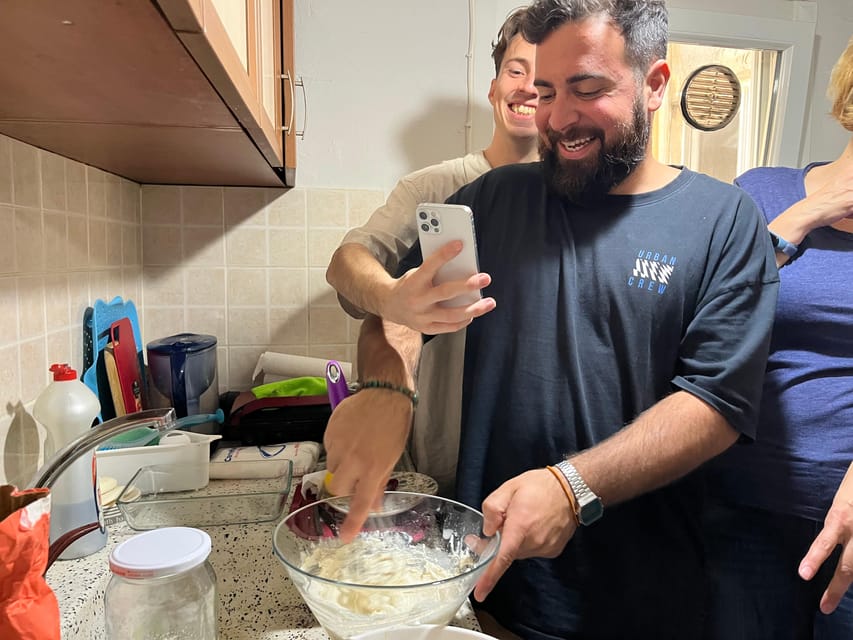
At around 2.5 hours, this is long enough to feel like real instruction, not a quick stop-and-sample. It’s also short enough that you won’t lose half your day to logistics.
The class is limited to up to 6 participants, which makes a difference when you’re cooking. If the group is small, the instructor can check your layering, correct heat timing, and help with the flip without someone else taking over your pan. You’re more likely to actually handle the process.
Also, because you’re in a home, you’ll experience the class through senses, not screens. You’ll smell butter and pastry as they heat, hear the cues of cooking, and taste while the sweetness is still warm. That sensory connection is one of the reasons people leave feeling like they can repeat the recipe later.
Price and value: what $59 buys you here
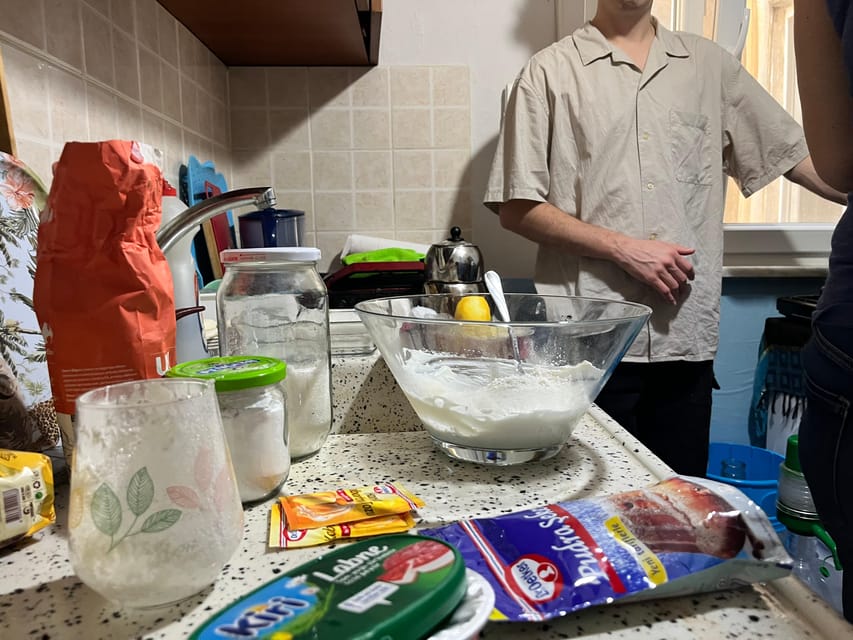
At $59 per person, the price can feel like a splurge if you’re only thinking about dessert calories. But here, you’re paying for three things that usually cost more when bundled separately: guided cooking, access to a home kitchen setup, and ingredients plus tea/coffee.
You also get something intangible: recipe confidence. In examples from past participants, they’ve walked away with desserts they were able to make again using ingredients they can find in the US. That’s the real value for me. A class is worth it when you can reproduce the result, not just take photos.
If your travel style is more than sightseeing and snacks—if you like learning how people cook at home—this price tends to make sense. You’re spending an evening inside the culture instead of looking at it from the sidewalk.
Who this class is best for (and who should consider alternatives)
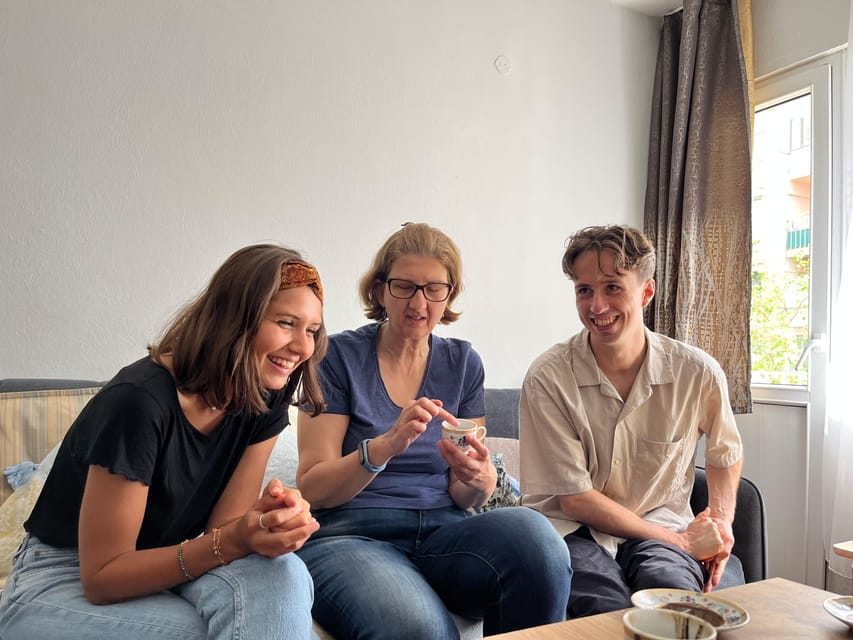
This is ideal if you want Turkish culture through taste and technique. If you enjoy hands-on cooking, small groups, and conversation that isn’t forced, you’ll feel comfortable quickly.
It’s also a great choice if you’re a “repeat the recipe at home” person. The class isn’t only about eating; it’s about learning steps like how to layer shredded pastry and how to brew coffee for the right foam.
Here’s who should plan carefully:
- If you have allergies, you need to speak up. Künefe includes dairy (cheese and butter) and gluten (shredded wheat pastry). The host asks for allergen info in advance.
- If you dislike cooking with hands-on steps, this might feel a bit active for you. It’s a working class, not a sit-and-watch demo.
Practical tips so you get the most out of your session
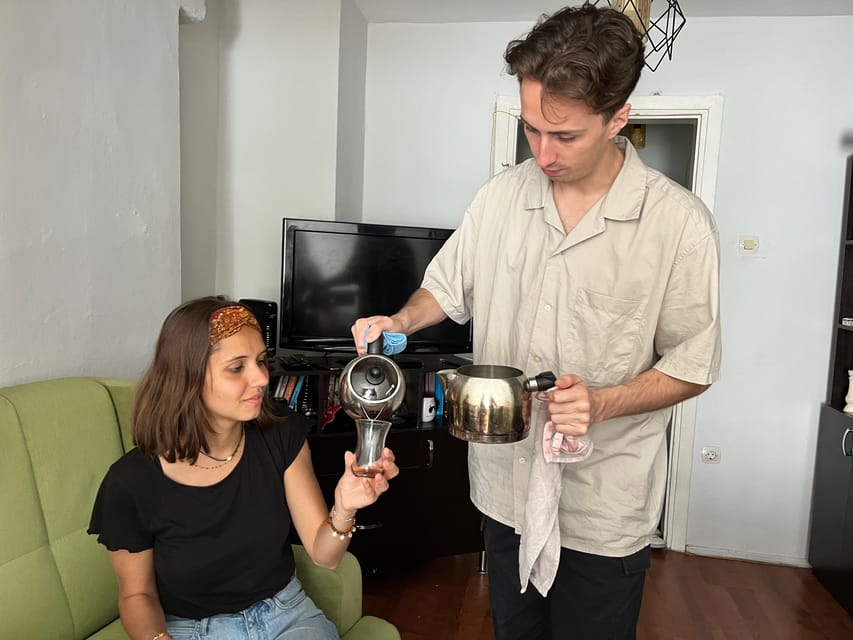
You’ll enjoy this more if you show up ready to participate. Even if you choose to watch certain steps, you’ll still learn by seeing how heat changes the pastry and how coffee froths on the stovetop.
Ask questions while the künefe cooks. That timing is perfect for learning why certain textures are the goal. Then, when you shift to coffee, pay attention to the foam stage. It’s the part that makes Turkish coffee feel distinct.
Finally, treat the table time as part of the experience. This isn’t just a snack break. It’s when conversation settles in, and in past sessions, that’s when small family moments have happened, like relatives stopping by briefly to share dessert.
Should you book this Turkish dessert and coffee cooking class?
I’d book it if you want a genuinely local-feeling Istanbul experience that focuses on technique, not just tasting. The combination of künefe and Turkish coffee is smart: you get two iconic rituals taught in a small-group home setting, and you leave with skills you can use again.
I’d think twice if allergies are a factor and you can’t confidently manage dairy/gluten substitutions. Since künefe includes both, you’ll want to confirm what can be adapted before you commit.
If you’re staying in Istanbul for several days and you enjoy food learning, this can also pair nicely with other culinary plans. People have even taken additional classes in the same home because they liked the teaching style and warmth.
FAQ
What is the duration of the experience?
The experience lasts about 2.5 hours.
How many people are in the group?
It’s a small group limited to 6 participants.
Where does it meet in Istanbul?
The meeting point is Talatpaşa, Büyükbey Sk. No:4 D:11, 34400 Kâğıthane/İstanbul. The host lets you in after you arrive.
What languages are used during instruction?
Instruction is offered in Turkish and English.
What’s included in the class?
You’ll cook Turkish desserts (typically 2 or 3 desserts), and tea/coffee is included.
Does künefe include common allergens?
Yes. Künefe contains dairy (cheese and butter) and gluten (shredded wheat pastry). Let the host know in advance if you have allergies.