REVIEW · IZMIR
Seven Churches of Revelation 5 Days MINI Group Guided Tour
Book on Viator →Operated by Private & Small Group Ephesus & Istanbul & Turkey Tours · Bookable on Viator
A route like this makes Revelation feel real. This five-day, Bible-oriented mini group tour threads through the places tied to the Seven Churches of Asia, with a licensed guide, included admission fees, and skip-the-line help.
What I like most is the small group size (up to 15) that keeps questions flowing, and the way the itinerary connects biblical text to the political and historical layers you see on-site.
The one thing to consider is the pace: you’ll do a lot of walking across ancient sites, and there’s also a strict dress code for worship places that can slow you down if you’re not prepared.
In This Review
- Key highlights worth knowing
- A small-group Bible tour through Asia Minor’s real geography
- Price and logistics: what $989 buys (and what it doesn’t)
- Included (what saves time and stress)
- Not included (the parts you’ll budget for)
- Day 1: Arrive in Izmir and get your bearings for Smyrna
- Day 2: Pergamon and Thyatira, then an expanded Smyrna orientation
- Pergamon Ancient City (Bergama)
- Tepe Mezari (for Thyatira/Akhisar)
- Drive back to Izmir and check in
- Day 3: Sardis, Philadelphia, Laodicea, then Pamukkale’s white cliffs
- Sardis (Sart)
- Philadelphia (Alasehir)
- Laodicea
- Hierapolis (Pamukkale) and your thermal hotel night
- Day 4: Ephesus ruins, St. Mary’s House, and St. John’s Basilica
- Ancient City of Ephesus
- Meryemana (Virgin Mary’s House)
- St. John’s Basilica (Ayasuluk Hill area)
- Artemis stop and the ride back to Kusadasi
- Day 5: Breakfast, then the Izmir airport transfer
- Hotels, meals, and the reality of the walking pace
- The dress code and site rules you should prepare for
- Should you book the Seven Churches of Revelation 5-day tour?
- FAQ
- How many days is the Seven Churches MINI Group Guided Tour?
- What cities and areas does the tour include?
- What’s the group size limit?
- Is pickup offered?
- Are entrance fees included?
- How many breakfasts and dinners are included?
- Is a vegetarian option available?
- What hotels do you stay in?
- What’s the dress code for worship places and museums?
- Are flights included in the price?
- Can I cancel for a full refund?
Key highlights worth knowing
- Small group feel (max 15): more time for Q&A, less time waiting around
- Skip-the-line support: the guide has pre-paid tickets to save time at major sites
- Pergamon to Laodicea to Ephesus: a logical arc through the Seven Churches region
- Pamukkale included: the “white cotton fortress” stop adds a big, memorable change of scenery
- Ephesus plus Mary’s House: you get both ancient city scale and a major pilgrimage stop
- Strong guide reputation: multiple reviews single out guides by name, including Emre Dasdemir and Melih
A small-group Bible tour through Asia Minor’s real geography
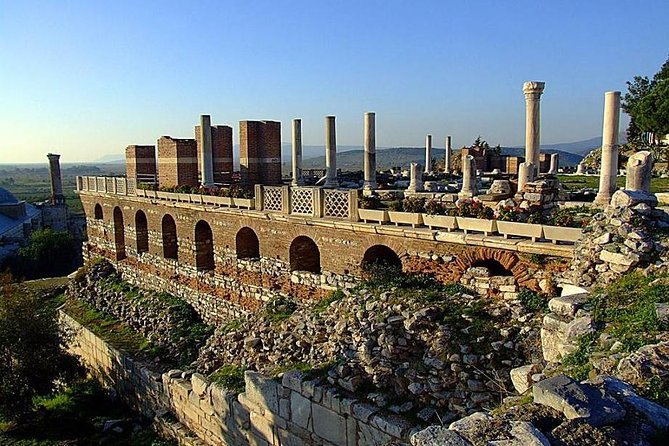
This tour is built for people who want more than photos. You’re not just visiting ruins—you’re walking through a region where the Roman world, local kingdoms, and early Christian messages all overlap. The guide frames what you’re seeing with both biblical references and political context, which makes the geography click fast.
The mini-group format matters here. With up to 15 people, I found it easier to ask questions without cutting the day into interruptions. Reviews also reinforce this: guides named like Emre Dasdemir, Melih, Kerem Ozbas, Tez, and Inan are repeatedly praised for answering questions clearly and adjusting when needed.
One caution up front: the itinerary includes multiple high-walking stops (Ephesus and big ancient areas in particular). If you have any mobility limits, plan for that now rather than later.
You can also read our reviews of more guided tours in Izmir


Price and logistics: what $989 buys (and what it doesn’t)
At $989 per person for about 5 days, the value is that the big logistical headaches are handled for you:
Included (what saves time and stress)
- 4 nights in 4-star centrally located hotels
- Izmir: DoubleTree By Hilton Alsancak or Hilton Garden Inn Bayrakli (or similar)
- Pamukkale: Colossae Thermal or Pam Thermal Hotel (or similar)
- Kusadasi: Efe Boutique Hotel (or similar)
- Professional Bible-oriented licensed guide
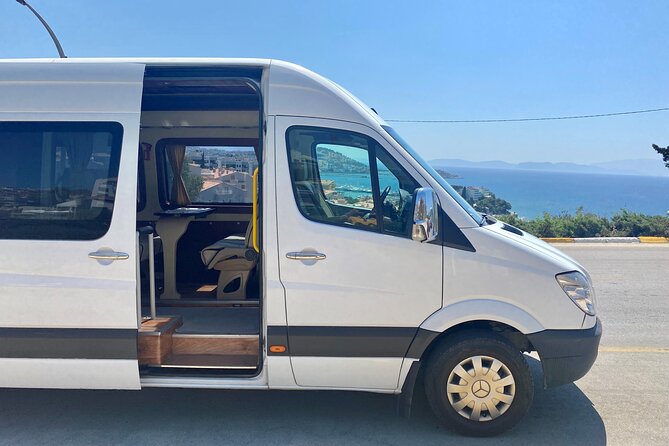
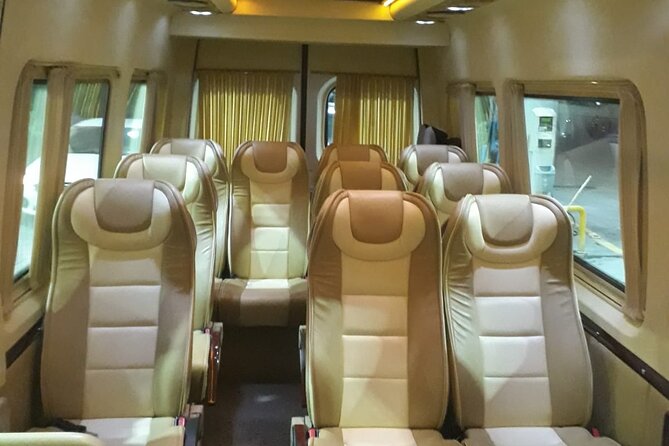
- Transport in an air-conditioned minivan/minibus
- Entrance fees (the guide has pre-paid tickets to reduce line time)
- Meals included: 4 breakfasts and 2 dinners
Not included (the parts you’ll budget for)
- Flights
- Any drinks and meals not listed above
- Dinner in Izmir is specifically listed as not included
So yes, it’s not a budget deal. But you’re paying for curated routing, hotels + transfers + admissions, and a guide who helps you make sense of what you’re seeing. For many people, that’s exactly what keeps a trip from turning into a stress-filled scavenger hunt.
Day 1: Arrive in Izmir and get your bearings for Smyrna
Day 1 starts in a practical way: you meet the representative at Izmir Adnan Menderes Airport with a name sign, then you transfer to your hotel. If you’re already staying in Izmir, pickup is offered after 2 p.m.
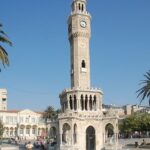
The real sightseeing day begins before you settle in. Before check-in, you’ll take a panoramic ride of Smyrna, the third largest city in Turkey and one of the cities connected with the Seven Churches of Asia. You’ll also see landmarks like the Clock Tower.
Why this matters: Smyrna (modern Izmir) is a city you’ll see over and over in your memory. Getting oriented on Day 1 makes the rest of the route easier to understand.
A few more Izmir tours and experiences worth a look
Day 2: Pergamon and Thyatira, then an expanded Smyrna orientation
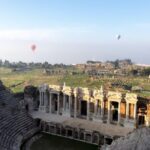
Day 2 is an anchor day. You start with Pergamon (Bergama), a site packed with “big set pieces” for both history and biblical geography.
Pergamon Ancient City (Bergama)
You’ll explore:
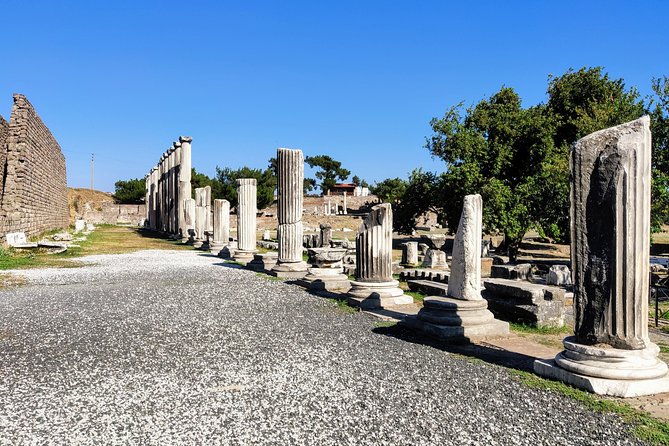
- The Acropolis and the steep theatre area
- The Asklepion, the classical medical center
- The Altar of Zeus, described as connected to the biblical imagery of the throne of Satan
- The Temple of Trajan columns
- The library with a legendary scale of volumes (with parchment mentioned as a development inspired by that culture)
For me, the value here is how Pergamon shows you how powerful civic life was in the ancient world. When the guide connects biblical references to the place, you’re not imagining power structures—you can point at them.
Tepe Mezari (for Thyatira/Akhisar)
Then the tour shifts toward Thyatira (Akhisar), including ruins linked with a basilica and Roman-period architectural fragments. The area’s connection to purple dye is an important interpretive detail for the church message—plus it gives you a tangible link between faith and local economy.
Drive back to Izmir and check in
You return to Izmir for dinner and overnight. At the end of Day 2, you’ll start to see the pattern: each stop is both a physical site and a clue to understanding the letters.
Day 3: Sardis, Philadelphia, Laodicea, then Pamukkale’s white cliffs
Day 3 is the long, mentally rich day—the kind that makes the Seven Churches story feel like a real travel route.
Sardis (Sart)
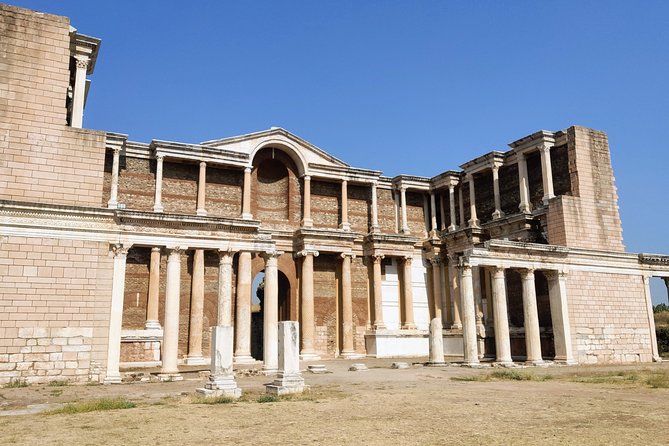
Sardis is presented as the church tied to a more “dying church” theme. You visit:
- The Temple of Artemis
- A restored gymnasium
- A reconstructed synagogue
- The royal Persian Road remnant, associated with Cyrus the Great
- The Pactolus river mentioned as the “golden” river
The practical takeaway: Sardis gives you a sense of layered civilizations—Lydian kingdom roots, Persian influence, and Greek/Roman cultural remnants all in one day.
One consideration: the visit time here is short compared to Ephesus or Pergamon, so the guide’s storytelling becomes your “time multiplier.” If you enjoy questions, this is where asking them pays off.
Philadelphia (Alasehir)
Philadelphia is described as the only church not censured, and the on-site focus reflects that:
- Remains of a Byzantine basilica
- A bit of a high arch
- 11th-century frescoes
Even with limited ruins, the site works because the guide connects what you see with the tone of the message.
Laodicea
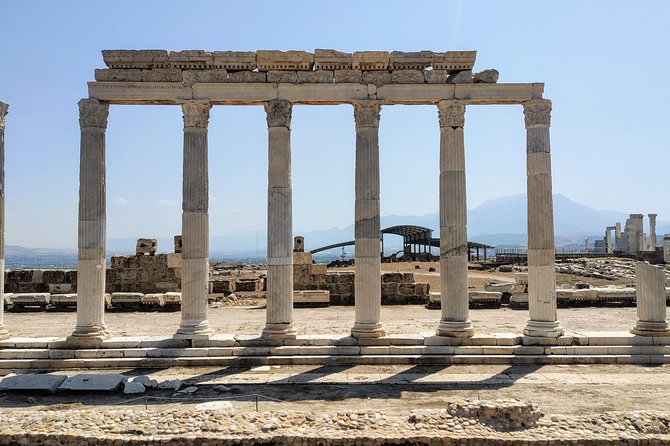
Next is Laodicea, the last of the churches on the list. The tour sets it up as a major crossroads for trade and logistics, built on the Lycus Tributary of the Meander River and tied to Seleucid naming (after Laodicea, wife of Antiochus II).
Why it’s valuable: trade routes aren’t just background. When a guide explains the commercial position, the letter’s message about stability and self-reliance starts to feel grounded in daily reality.
Hierapolis (Pamukkale) and your thermal hotel night
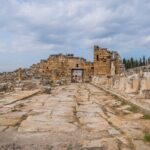
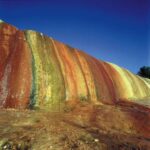
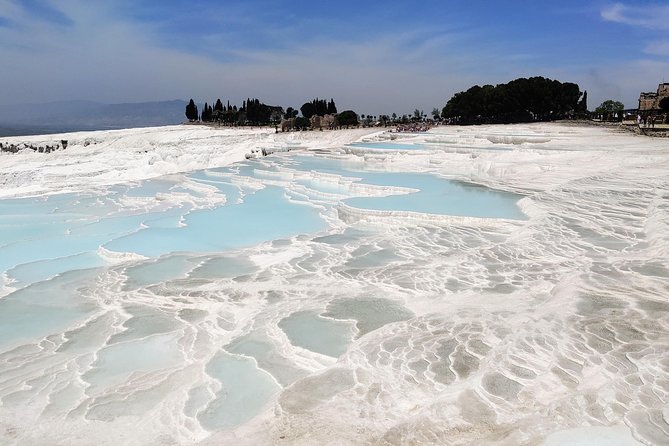
Finally, you reach Pamukkale, the famous white terraces shaped by mineral-rich waters. The tour presents it as the “white cotton fortress,” where hot water cascades over cliffs into pools and channels.
Then you check in at a thermal hotel (Colossae Thermal or Pam Thermal Hotel, or similar) for dinner and overnight.
This is a strong mid-trip reset. After days of ancient structures, Pamukkale gives you a visual and sensory shift that makes the whole journey feel more balanced.
Day 4: Ephesus ruins, St. Mary’s House, and St. John’s Basilica
If Day 3 is about connecting dots, Day 4 is about scale. The biggest walking day here is Ephesus.
Ancient City of Ephesus
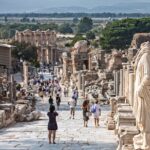
You’ll see major landmarks including:
- The Basilica of St. John
- The marble streets lined with public buildings
- The Baths of Scholastica
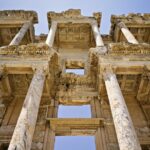
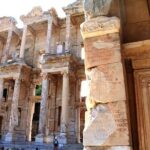
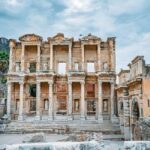
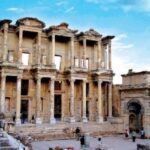
- The Library of Celsus
- The Temple of Hadrian
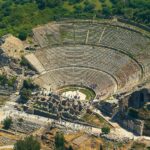
- The Theatre
- And the Temple of Diana of the Ephesians (as part of what’s associated with the area)
The guide also frames the church connection through Paul’s time in Ephesus and the related epistle.
Practical tip: start early energy-wise. This is the day where comfort shoes pay off, and pacing matters.
Meryemana (Virgin Mary’s House)
Then you head to Meryemana (Mary’s House) in the Aladag Mountains area, about 5 miles from Ephesus. The tour notes that it became a pilgrimage site after being declared one in 1892, and it mentions Pope Paul VI’s visit on July 26, 1967.
Even if you’re not super into religious sites, this stop adds a different kind of context: it shows how later traditions shaped how people experienced the region long after the earliest church era.
St. John’s Basilica (Ayasuluk Hill area)
Next is St. John’s Basilica, presented as a place connected to St. John’s final years and burial nearby.
Artemis stop and the ride back to Kusadasi
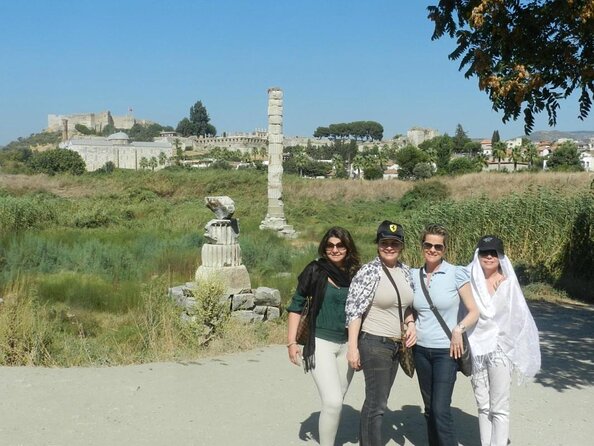
Finally, you stop at the Artemission Temple area—the location tied to the ancient wonder tradition—then drive back to Kusadasi for dinner and overnight. You’ll also do a short sightseeing pass through places like the Marina, Port, a caravanserai area, and the Grand Bazaar.
Day 4 tends to be emotionally “heavy” and physically busy in the best way.
Day 5: Breakfast, then the Izmir airport transfer
Day 5 is straightforward: after breakfast, you transfer to Izmir airport and your services end.
This matters because the tour doesn’t try to squeeze in one last rushed stop. You keep a bit of travel sanity, which is a hidden win with a route like this.
Hotels, meals, and the reality of the walking pace
This is a hotel-included tour with 4 nights in 4-star locations that are described as centrally located. That usually means easier getting around on your own if you want to add a couple extra hours before dinner.
Meal-wise, expect:
- 4 breakfasts included
- 2 dinners included
- Dinner in Izmir not included, even though Day 1 mentions dinner in the general flow, so plan to pay for at least one evening meal during the trip
The biggest physical consideration is walking. Multiple reviews flag this directly. Ephesus in particular can take time on uneven ground and long stretches. If you have moderate physical fitness, you’re likely fine as long as you wear supportive shoes and don’t expect every ruin to be “quick.”
The dress code and site rules you should prepare for
This tour includes visits to holy places of worship such as churches, monasteries, mosques, and synagogues, plus selected museums. The rules are clear:
- No bare shoulders or bare knees
- Shoes are not allowed in mosques
- If you don’t follow dress requirements, you may risk refused entry
Plan for this like an adult. Bring something light that covers knees and shoulders. It’s one of those “invisible” trip details that can make the day smoother, or it can turn a stop into waiting for a workaround.
Should you book the Seven Churches of Revelation 5-day tour?
I’d book this if you want:
- A guided Bible-to-place explanation, not just a ruin checklist
- Skip-the-line ticket handling so you lose less time at entrances
- A route that connects the Seven Churches geography with what those cities meant in their wider world
- A small group experience where questions feel normal
I’d hesitate if:
- You have limited mobility or dislike long walking days (Ephesus especially)
- You’re hoping for a totally hands-off trip with no dress-code friction
- You’re mainly interested in modern-day Turkey culture over ancient sites (this is firmly ancient and religious in focus)
If you match the vibe, this tour can feel like someone finally put Revelation on a map you can actually walk through.
FAQ
How many days is the Seven Churches MINI Group Guided Tour?
It’s about 5 days.
What cities and areas does the tour include?
The route is based in Izmir, with visits to Pergamon (Bergama), Thyatira (Akhisar/Tepe Mezari), Sardis (Sart), Philadelphia (Alasehir), Laodicea, Pamukkale/Hierapolis, Ephesus, Meryemana, St. John’s Basilica, and Kusadasi.
What’s the group size limit?
The tour has a maximum of 15 travelers.
Is pickup offered?
Yes. You’ll meet a representative at Izmir Airport with a name sign on arrival day, and pickup in Izmir is offered after 2 p.m. if you’re staying in Izmir.
Are entrance fees included?
Yes. Entrance fees are included, and the guide has pre-paid tickets to help you skip lines.
How many breakfasts and dinners are included?
You get 4 breakfasts and 2 dinners. Dinner in Izmir is listed as not included.
Is a vegetarian option available?
Yes. A vegetarian option is available if you advise at booking.
What hotels do you stay in?
In Izmir you stay at DoubleTree By Hilton Alsancak or Hilton Garden Inn Bayrakli (or similar). In Pamukkale you stay at Colossae Thermal or Pam Thermal Hotel (or similar). In Kusadasi you stay at Efe Boutique Hotel (or similar). Upgrades to 5-star hotels are available for extra cost.
What’s the dress code for worship places and museums?
Knees and shoulders must be covered for churches, monasteries, mosques, synagogues, and selected museums. Shoes are not allowed in mosques.
Are flights included in the price?
No. Flight tickets are not included.
Can I cancel for a full refund?
You can cancel up to 3 days in advance for a full refund. Cancellation less than 3 full days before the experience start time is not refunded.