REVIEW · IZMIR
From Izmir: 7 Churches of Asia Minor 5-Day Tour with Hotels
Book on GetYourGuide →Operated by Ephesus Shuttle Private and Small group · Bookable on GetYourGuide
Seven churches, one intense road.
This is a Bible-oriented tour built for people who want Revelation’s cities to feel real, not abstract. I like how it strings together all seven churches of Asia Minor with clear stops like Pergamum, Thyatira, Sardis, Philadelphia, Laodicea, Hierapolis/Pamukkale, and Ephesus. One thing to keep in mind: the day can feel fast-paced at times, and you may also spend time at retail-style stops (worth planning your energy for).
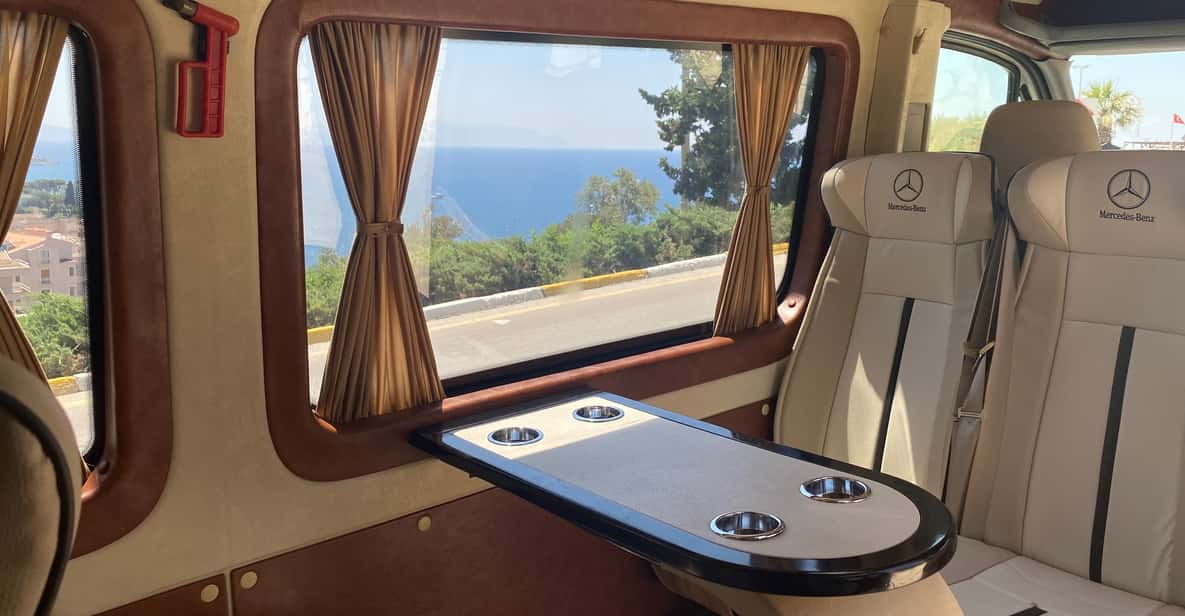
You start in İzmir, then move through major ancient sites where Christianity and empire-era daily life lived side by side. You get an English-speaking guide, entrance fees handled, and line-skipping with pre-paid tickets. Transport is in air-conditioned comfort, which matters when the sun is strong and the walking is steady.
In This Review
- Key highlights worth paying attention to
- Why İzmir is the best starting point for Revelation’s Seven Churches
- Pergamum and Thyatira: hilltop drama and the dye-town connection
- Sardis and Philadelphia: “dying” and hopeful in the same region
- Laodicea and the walk toward Pamukkale’s thermal miracle
- Ephesus and Kusadasi: marble monuments and St. John’s presence
- Hotels, meals, and the real value of the $909 price
- Pacing, retail stops, and comfort tips before you go
- Guides who can make ancient cities make sense
- Should you book this 7 Churches of Asia Minor tour from İzmir?
- FAQ
- Which churches are included in the tour?
- Is there an English-speaking guide, and do you skip ticket lines?
- What’s included in the price for meals and hotels?
- Where do you stay overnight during the trip?
- Is pickup included from İzmir?
- What should I bring for the sites?
- Is the tour wheelchair accessible?
Key highlights worth paying attention to
- All seven Revelation churches covered in 5 days, with time to see the remains rather than just drive past them
- Pergamum’s Acropolis and the Asklepion give you big, physical scale fast
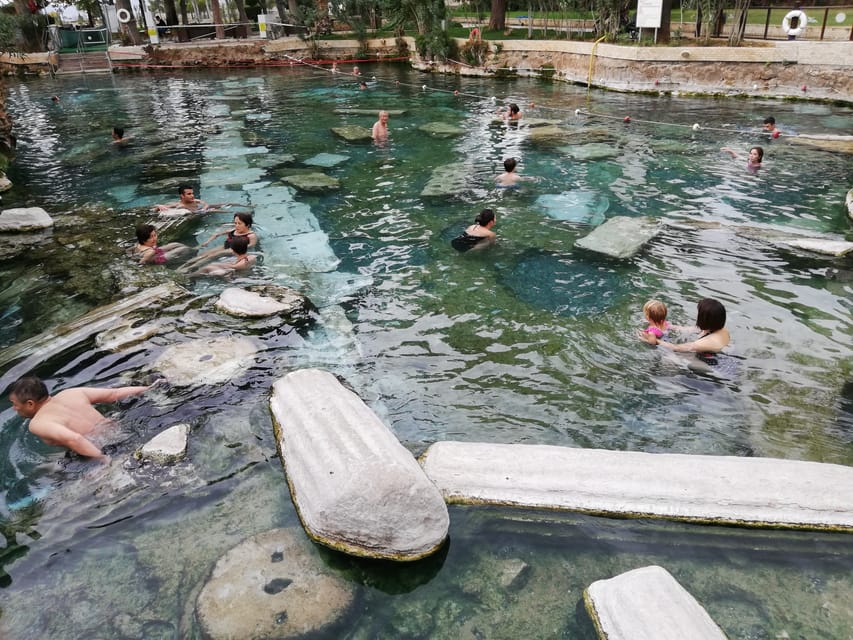
- Pamukkale’s travertine terraces plus an overnight in a thermal hotel make this more than a quick photo stop
- Ephesus on a serious day plan: major ruins plus the Basilica of St. John and the House of the Virgin Mary
- Skip-the-line entry (guide has pre-paid tickets), so you don’t lose your morning to queues
- English guides with real depth, and names like Olgu, Yavuz, Nahide, Gonca, and Melih come up for their explanations
Why İzmir is the best starting point for Revelation’s Seven Churches
İzmir is a smart launchpad because it sets the tone: this region is compact, but packed. You’re not just hopping from one museum to another. You’re moving through living geography—coastlines, hills, and valleys—that shaped how people traveled, traded, worshiped, and argued.
Also, Revelation’s churches weren’t written to remote villages. These were working cities: Roman administration, Greek culture, local trade, and the early Christian movement all intersected here. A guided plan helps you notice those overlaps instead of treating the sites like disconnected ruins.
A practical point: you’ll be picked up from your hotel in İzmir city center and transferred after you arrive. That removes one common stressor—figuring out logistics on day one—so you can get straight to the important stuff.
A few more Izmir tours and experiences worth a look

Pergamum and Thyatira: hilltop drama and the dye-town connection
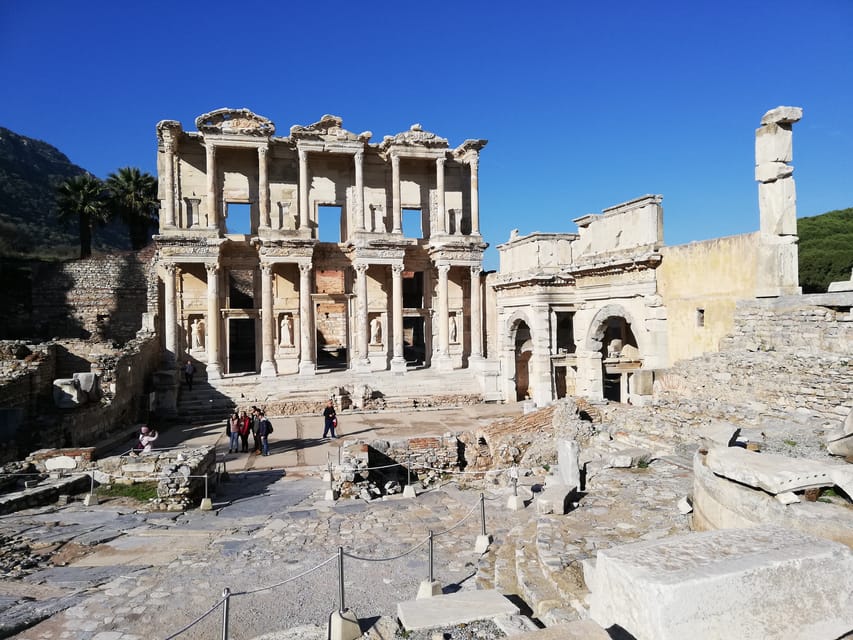
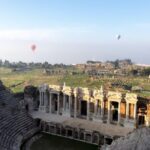
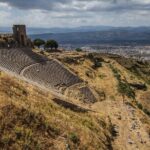
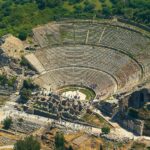
Day 2 sets up an impressive contrast. You begin at Pergamum, also called Bergama, which is all about steep topography and major stone remains. The Acropolis here is famous for its scale, including the steep theatre that’s described as the steepest in the world. Even if you’re not a theatre person, the setting makes sense quickly: built into a slope, it was designed for control and visibility.
Then you go to the Asklepion, the healing center. This is where I love the way the tour frames place and purpose. These weren’t just ruins; they were built to serve people. When you’re reading about early Christian communities, it helps to remember how much religion and healing overlapped in the ancient world.
After Pergamum, you head to Thyatira, now Akhisar. This stop is a good match for people who like the texture of everyday life. The city’s reputation for purple dyes connects nicely to Lydia, the seller of purple referenced in the New Testament. You’ll see remains of a basilica and Roman-era architectural fragments, which helps you understand how Christianity spread through cities that already had established cultural systems.
One consideration: you’re moving between sites with real walking involved, so sturdy shoes matter here. If you’re prone to sore feet, plan to treat this as the day you really earn your lunch breaks.
Sardis and Philadelphia: “dying” and hopeful in the same region
Sardis, also known as Sart today, is where the tour leans into the “state of faith” framing tied to Revelation. You’ll be in a city that once held serious power—Sardis was described as the capital of the ancient Lydian kingdom in the 6th century BC. Standing in ruins like this, the “fall and decline” theme stops being just a phrase.
You also get some standout architecture stops: the Temple of Artemis, a restored gymnasium, and a reconstructed synagogue. That combination is useful. It shows the mix of cultures and religious spaces that co-existed, not just one belief system dominating the scene.
Next is Philadelphia, now Alasehir. This is one of the more emotionally balanced stops because it’s tied to the church in Revelation described as the only one not censured. The main ruins here include a Byzantine brick basilica and some preserved frescoes from later periods. Even if the paintings are fragmentary, you can still feel the timeline—how a site can keep getting reused and reinterpreted.
For me, this duo (Sardis then Philadelphia) works because it teaches you to look for change. Same region. Different city mood. Different layer of time.
Laodicea and the walk toward Pamukkale’s thermal miracle
Laodicea is a classic “you can’t rush this” stop. The city is tied to its foundation story—created in the 3rd century BCE by Seleucid Antiochus II and named after his wife Laodicea. That detail helps you avoid treating Laodicea like just another pile of stones. It’s a deliberate city, planned and named.
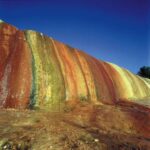
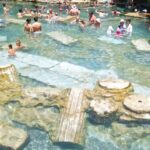
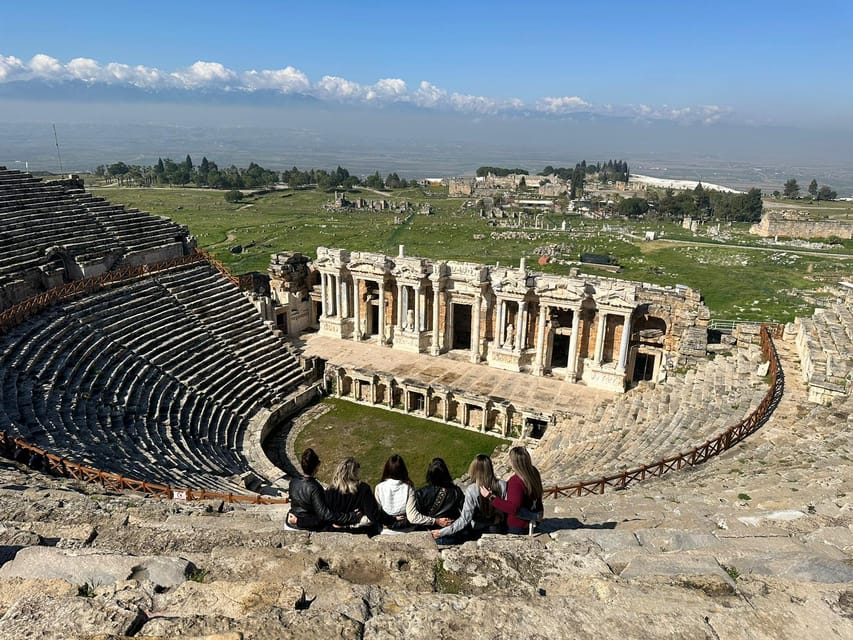
From there, you head toward Hierapolis & Pamukkale. This is where the tour earns its nickname as more than archaeology. The travertine terraces at Pamukkale are one of Turkey’s most famous natural spectacles, and the tour builds the day around it instead of treating it as a drive-by.
The plan also gives you an advantage: you check into a thermal hotel in Pamukkale for dinner and overnight. That matters because Pamukkale isn’t just a sight. It’s also a decompress moment. After a day of ruins, you’re suddenly in a place where the environment does some of the work for you.
Practical note: even if you don’t use the thermal facilities, Pamukkale’s setting will likely slow your pace naturally. Wear shoes you can trust on uneven ground, and keep your hat ready.
Ephesus and Kusadasi: marble monuments and St. John’s presence
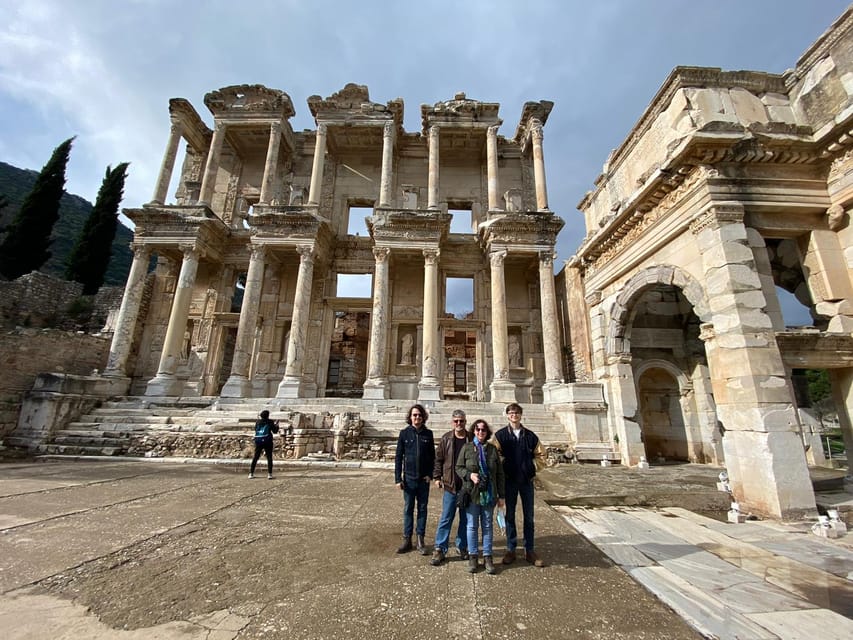
Day 4 is the big finale day in the field. You go to Ephesus, then continue to Kuşadası for overnight. Ephesus is the kind of site where you can lose time just staring. The marble streets and public buildings make it feel like a city designed for movement and spectacle.
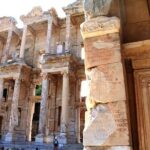
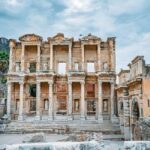
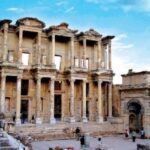
The tour hits the major highlights: the Basilica of St. John and ruins that include the Library of Celsus, the Baths of Scholastica, the Temple of Hadrian, and the theatre. You’ll also see the Temple of Diana of the Ephesians, which is described as one of the ancient world wonders.
What makes this more than impressive architecture is the biblical framing included in the pacing. You’re told that Paul preached to the Ephesians and lived there for three years, and that the Ephesians received an epistle. When you connect that to what you’re seeing, the city starts to act like a stage—trade routes, civic life, and community identity all in one place.
You also visit the House of the Virgin Mary, which adds a spiritual stop after you’ve already done the monumental archaeology. That contrast keeps the day from turning into pure stone overload.
Then you head to Kuşadası for your overnight. This is a good move for comfort. Ephesus can zap your legs. Having a coastal base the same day gives you an easier way to recover.
Hotels, meals, and the real value of the $909 price
The price is listed at $909 per person for a 5-day/4-night experience. On paper, that can sound either reasonable or high, depending on what you compare it to. Here’s why it often works out as good value if you care about logistics.
You’re getting:
- 4-star and boutique hotels
- 4 breakfasts and 2 dinners
- entrance fees handled for the sites you visit
- private airport transfers and hotel pickup in İzmir
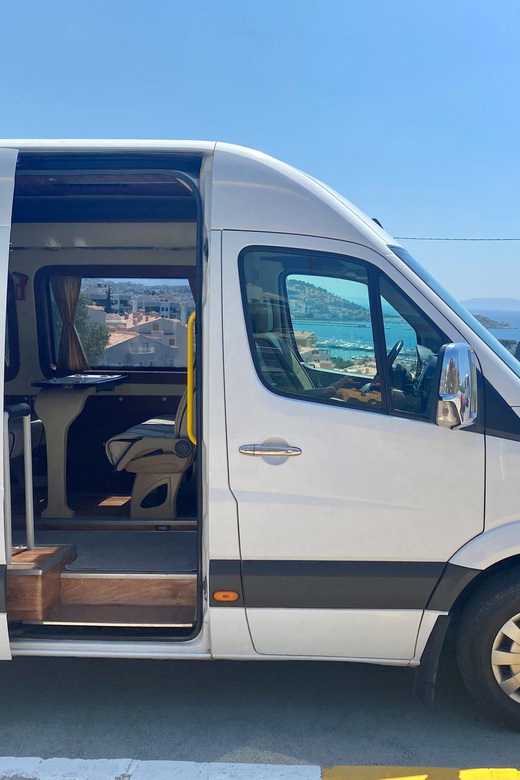
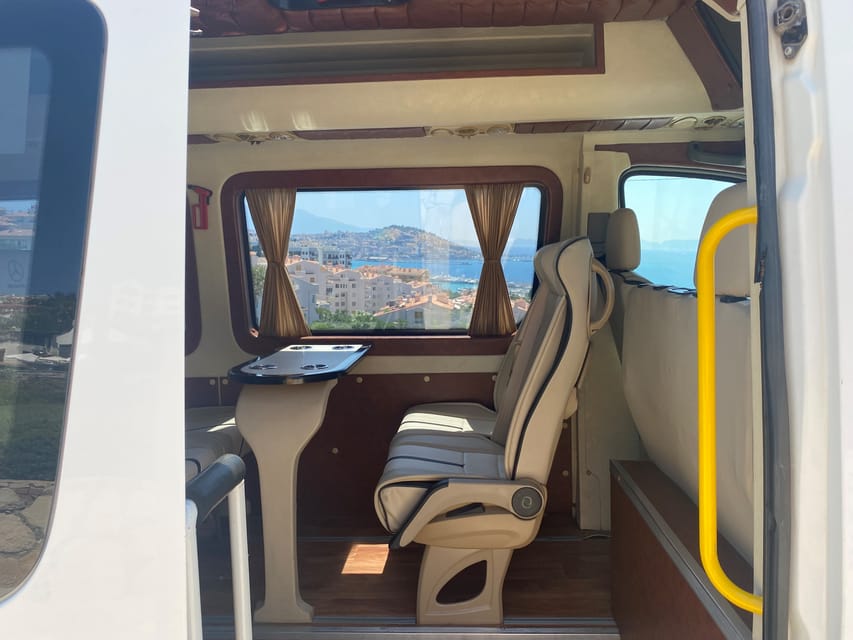
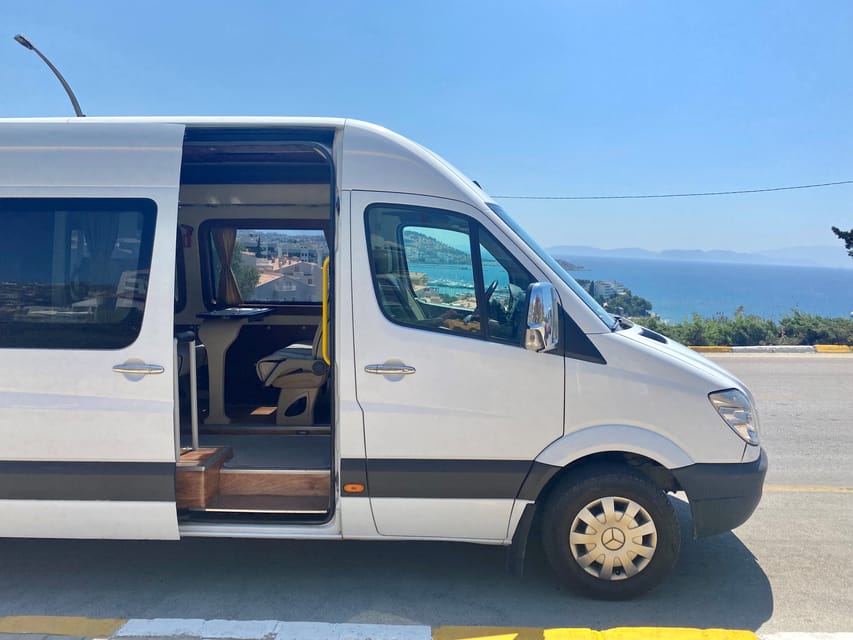
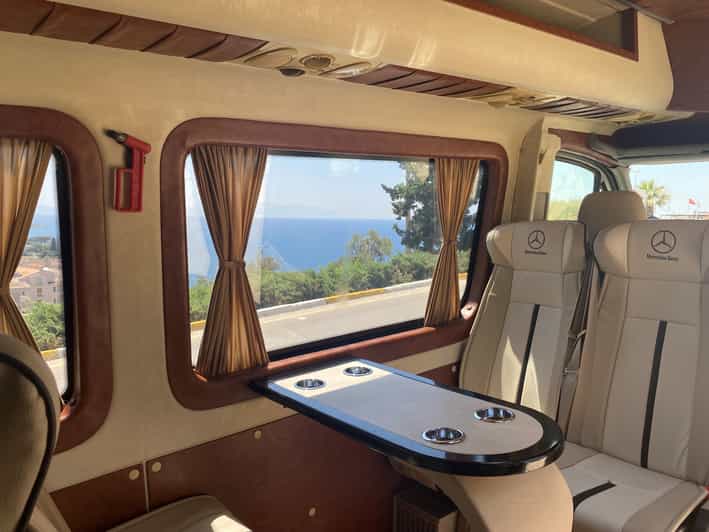
- transportation in an air-conditioned vehicle
- an English-speaking, Bible-oriented guide with pre-paid tickets to skip the line
The meals and entrance fees are the hidden half of the cost in this region. Without a package, you’d be piecing together transfers and tickets while also trying to keep time for walking-heavy ruins. This tour handles a lot of that for you, which is exactly what you want when you’re on a tight 5-day schedule.
One more value point: the hotel mix is thoughtful for the route. You’re in İzmir early on, then you spend a night in a thermal hotel in Pamukkale, then you shift to Kuşadası for the Ephesus day. That reduces backtracking and keeps the schedule logical.
If you’re traveling as a couple or solo and want comfort without planning every detail, this pricing structure tends to make sense.
Pacing, retail stops, and comfort tips before you go
This tour is built around seeing a lot of major sites in a short amount of time. That’s great for motivation. It’s also why pacing matters.
From the way the experience is described, the schedule can feel quick, especially if you’re not used to consistent walking through uneven surfaces and big ruins. If you’re older, travel with mobility limits you can manage, or you need frequent short breaks, I’d plan for that from day one. Comfortable shoes are not optional here.
Also, there can be time spent at retail-style stops related to local crafts (silk/leather type stops are mentioned in feedback). If you want the day to be strictly archaeological and biblical, keep your expectations practical: those stops may appear in the rhythm of the tour, and you’ll want to decide ahead of time how you’ll handle them.
A small but helpful tip: bring sunglasses and a sun hat. The sun in this part of Turkey can be relentless, and you’ll be outside for long stretches even when you’re not in full midday heat.
Guides who can make ancient cities make sense
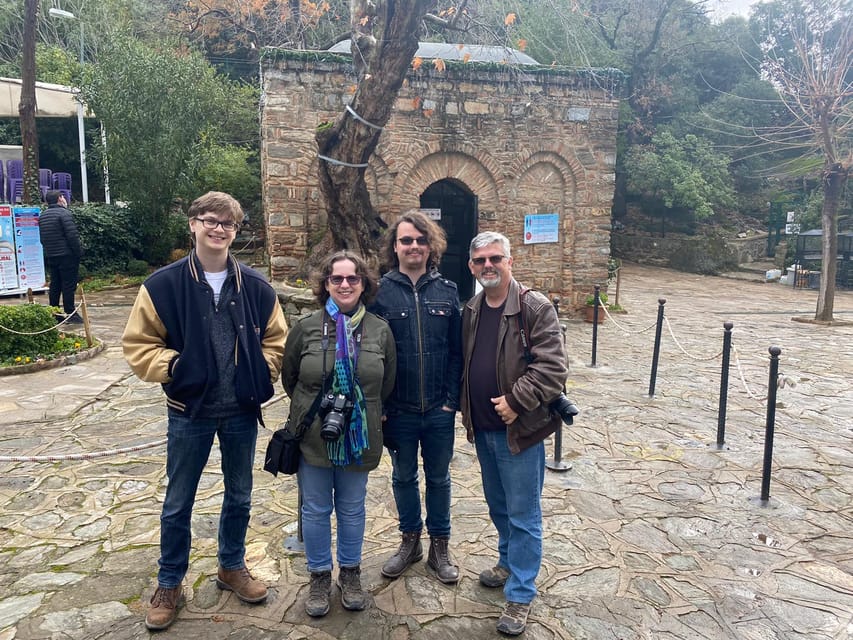
One of the strongest parts of this experience is the quality of the guiding. Names like Olgu, Yavuz, Nahide, Gonca, and Melih come up, and the common thread is how they explain what you’re looking at.
- Olgu is credited with giving clear explanations of history and the seven churches.
- Yavuz is praised for being knowledgeable and multilingual (English and Spanish).
- Nahide is described as having 40+ years of tourism experience, including teaching about Greek, Roman, Persian, archaeology, and local life.
- Gonca is noted for being attentive and gentle during the tour.
- Melih is also praised for being well informed.
The practical takeaway: if you care about context—why a basilica is there, what a theatre design suggests, how a city’s trade shaped community life—this tour’s guide style is a big part of the value.
Even with a Bible focus, it’s not all slogans. It’s about you connecting the setting to the message.
Should you book this 7 Churches of Asia Minor tour from İzmir?
Book it if you want:
- a guided, Bible-oriented way to experience Revelation’s seven churches
- a route that covers Pergamum through Ephesus efficiently
- hotels with comfort included, plus 4 breakfasts and 2 dinners
- help with logistics like hotel pickup, airport transfers, and skip-the-line entry
Skip it or adjust your expectations if:
- you need a very slow pace with lots of free time for independent wandering
- you strongly dislike any retail or showroom-style stops during the day
For most people who like history, spirituality, and practical travel structure, this is a strong choice. You’re not paying just for bus rides and photos. You’re paying for a plan that helps you read the ancient places with your eyes open—and that’s the difference between seeing ruins and actually understanding them.
FAQ
Which churches are included in the tour?
The tour covers Pergamum, Thyatira, Sardis, Philadelphia, Laodicea, Hierapolis/Pamukkale, and Ephesus.
Is there an English-speaking guide, and do you skip ticket lines?
Yes. You get a professional English-speaking bible-oriented guide, and the guide has pre-paid tickets to skip the lines.
What’s included in the price for meals and hotels?
You stay in 4-star and boutique hotels and receive 4 breakfasts and 2 dinners.
Where do you stay overnight during the trip?
You overnight in İzmir at the start, then stay in a thermal hotel in Pamukkale for dinner and overnight, and later overnight in Kuşadası.
Is pickup included from İzmir?
Yes. Pickup is available from your hotel in İzmir city center, and there are also private airport transfers.
What should I bring for the sites?
Bring your passport or ID card, comfortable shoes, sunglasses, and a sun hat.
Is the tour wheelchair accessible?
No. The tour is not suitable for wheelchair users.