REVIEW · IZMIR
Izmir: Ephesus and The House of The Virgin Mary Tour
Book on GetYourGuide →Operated by Castle Travel · Bookable on GetYourGuide
Ephesus hits hard, fast. This private day trip links top Aegean-area ancient sights with one of the most important Christian pilgrimage stops: the House of the Virgin Mary. You’ll get a guided walk through major Ephesus highlights, then a slower, more reflective stop at the house tradition ties to Mary’s final days.
I particularly like two things: the way the route uses a comfortable A/C van to handle long distances from Izmir, and the fact that the guide connects the sites to stories you can actually follow in real time. Ephesus works best with context, and you get it without rushing every corner on your own.
One consideration: the big sights require extra entrance tickets you pay on site (Ephesus Ruins and the House of the Virgin Mary), and lunch isn’t included—so budget a bit beyond the tour price.
In This Review
- Key highlights worth centering in your day
- A 7-hour private plan that respects your time
- Picking up in Izmir: port, airport, hotel, and why it matters
- House of the Virgin Mary: a pilgrimage site with a clear dress code
- Ephesus ruins: the Roman capital you can actually understand
- Library of Celsus: when ruins feel like a “front door”
- Grand Theatre and Saint Paul: public space meets faith
- Temple of Artemis: a Seven Wonder stop with real historical tension
- Lunch in Selçuk: a practical break you control
- Price and entrance fees: what’s the real cost?
- What I’d ask your guide on this tour
- The guide experience: English, Spanish, and names matter
- Who should book this tour?
- Tips to get ready: shoes, sun, and clothing rules
- Should you book this Izmir Ephesus and House of the Virgin Mary tour?
Key highlights worth centering in your day
- Skip-the-ticket-line entry for the main stops, so you lose less time to queues.
- Private group flexibility with an English-speaking (and Spanish option) guide, plus pickup from Izmir Port, Airport, or hotels.
- Ephesus in guided pieces: Library of Celsus, Grand Theatre, and the main ancient layout you’d otherwise miss.
- Mother Mary House traditions and rules: meaningful stop, plus the clothing guidance (shoulders and knees covered).
- Temple of Artemis as a photos-and-meaning stop, tied to Roman-era tensions and later Christian history.
- Real-world logistics: A/C Deluxe van, parking fees handled, plus a set day flow that fits a 7-hour window.
A 7-hour private plan that respects your time
This is the kind of day trip that’s made for limited time in the Izmir area. The schedule is built around a calm rhythm: pickup, a drive to the first major religious site, then a guided block in Ephesus, and finally one more landmark stop before you’re back in Izmir.
You’ll typically be met at one of three pickup points: Izmir Port, Izmir Airport, or Izmir hotels. If you’re staying around Şirince or Selçuk, those pickup options are also mentioned. After meeting your guide, you get about an hour to the Ephesus area, which matters because getting around on your own from Izmir can eat hours fast.
The tour is priced per group (up to 12), which can be a good deal if you’re traveling with others who want the same guided route. And because it’s private, you’re not stuck in a larger group pace. The guide can point things out that you’d otherwise skip when you’re trying to decode ruins without a map.
You can also read our reviews of more tours and experiences in Izmir.

Picking up in Izmir: port, airport, hotel, and why it matters
If you’re on a cruise, the pickup from the Izmir Port is a big advantage. Getting to Ephesus independently means handling taxis or transfers across traffic, then trying to line up entry times on top of it.
If you’re flying in, the Izmir Airport pickup helps you treat the day like an actual itinerary instead of a chain of mini-transfers. And if you’re staying in town, pickup from hotels keeps you from spending your sightseeing energy on logistics.
The tour is also wheelchair accessible, which is useful to know when you’re choosing between “ruins tours” and “practical tours.” The route is designed as a guided day with transportation handled, not a hike-and-hope approach.
House of the Virgin Mary: a pilgrimage site with a clear dress code
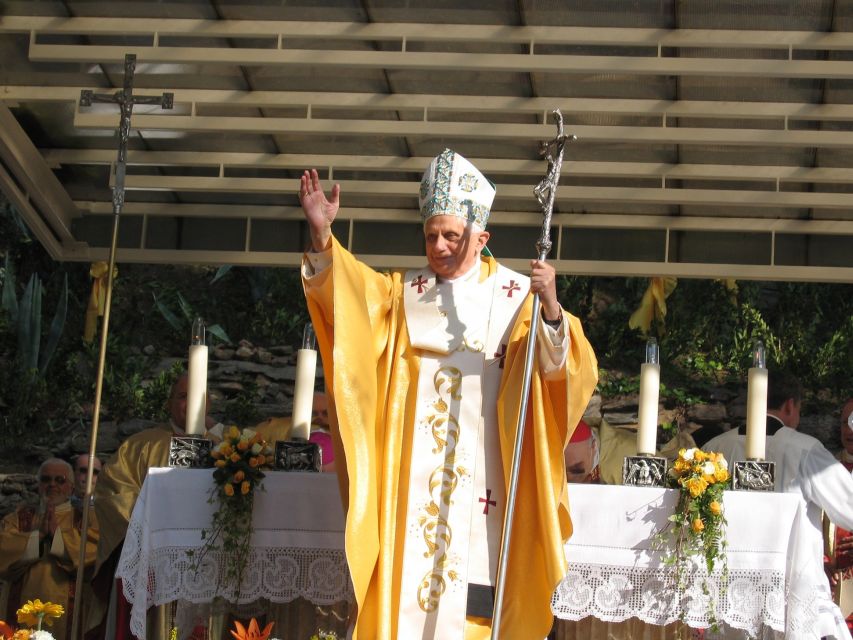
Your day starts (after pickup and drive) at the House of the Virgin Mary. This isn’t just an architectural stop; it’s a place rooted in Christian tradition. The tour frames it around the belief that after the Resurrection, Mary was brought to Ephesus by the Apostle John, and she later spent her final resting days here.
You’ll also hear the connection to the biblical line where Jesus consigned Mary to John’s care (John 19:26–27). Whether you’re coming for faith, architecture, or both, this part of the day works because the guide gives you the “why,” not just the “what.”
Timing is reasonable: plan around a guided visit and sightseeing time of about 50 minutes. That’s long enough to slow down, read the mood of the place, and ask questions—without feeling like you’ve disappeared into a half-day detour.
Practical note: you’ll want clothing that matches the site rules. Shoulders and knees need to be covered. If you forget, you might find you can’t fully enjoy the visit the way you planned. Bring a light layer you can throw on over a T-shirt.
Ephesus ruins: the Roman capital you can actually understand
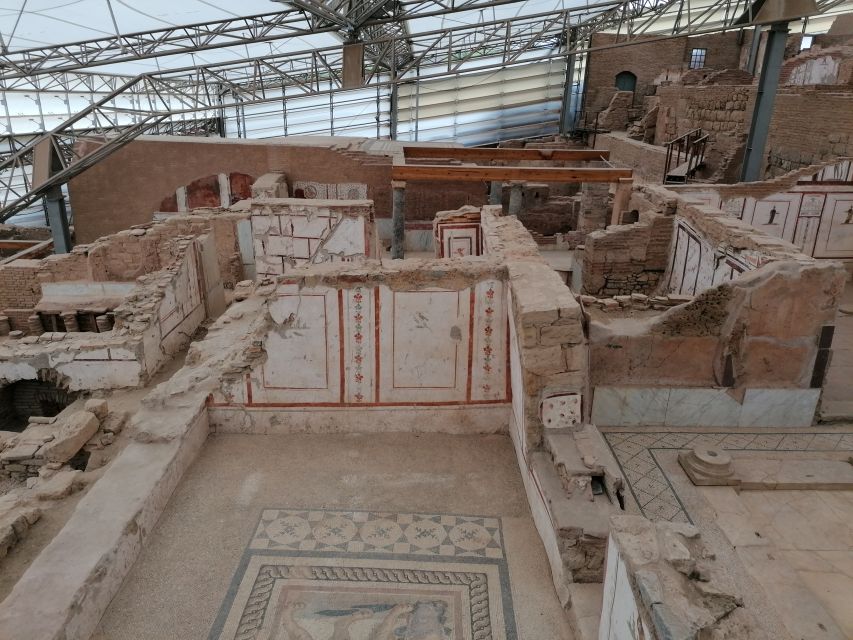
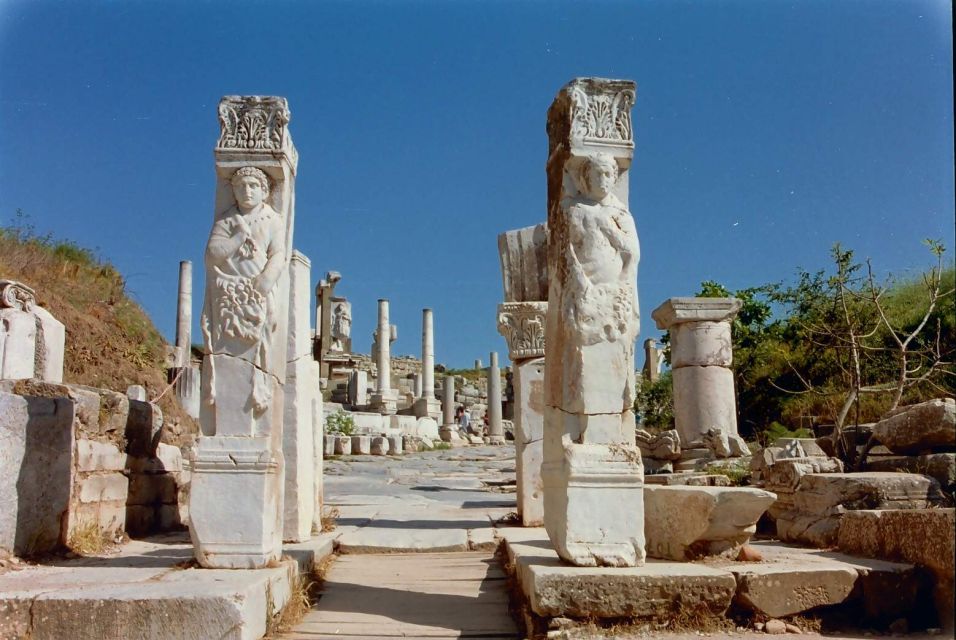
Then comes Ephesus, and this is the centerpiece. The tour explains the scale: at its peak, the city was home to more than a quarter of a million people, stretching through the Roman capital era of Asia Minor (between roughly 1 AD and 2 AD). If you’ve ever looked at ruins and thought, I get that it’s old… but what did it feel like, this is where a good guide earns their fee.
You’ll get a guided Ephesus visit of about 2.5 hours. In that window, the guide focuses you on the major pieces people come for: main streets and civic spaces, temples, fountains, libraries, and theaters. You’re not expected to wander blindly through everything.
A big value of a guided format here: Ephesus is a city made of layers. Without context, ruins can blur together. With a guide, you start recognizing the purpose of spaces—where people gathered, where power was displayed, and where ideas were argued in public life.
Library of Celsus: when ruins feel like a “front door”
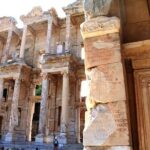
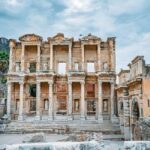
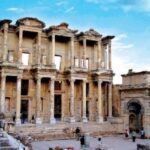
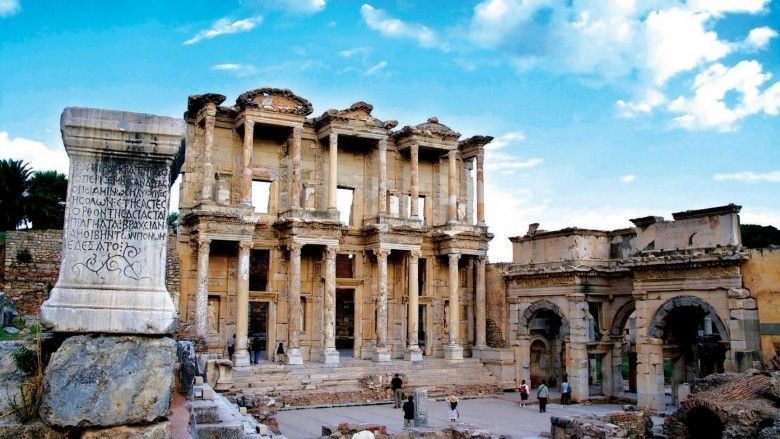
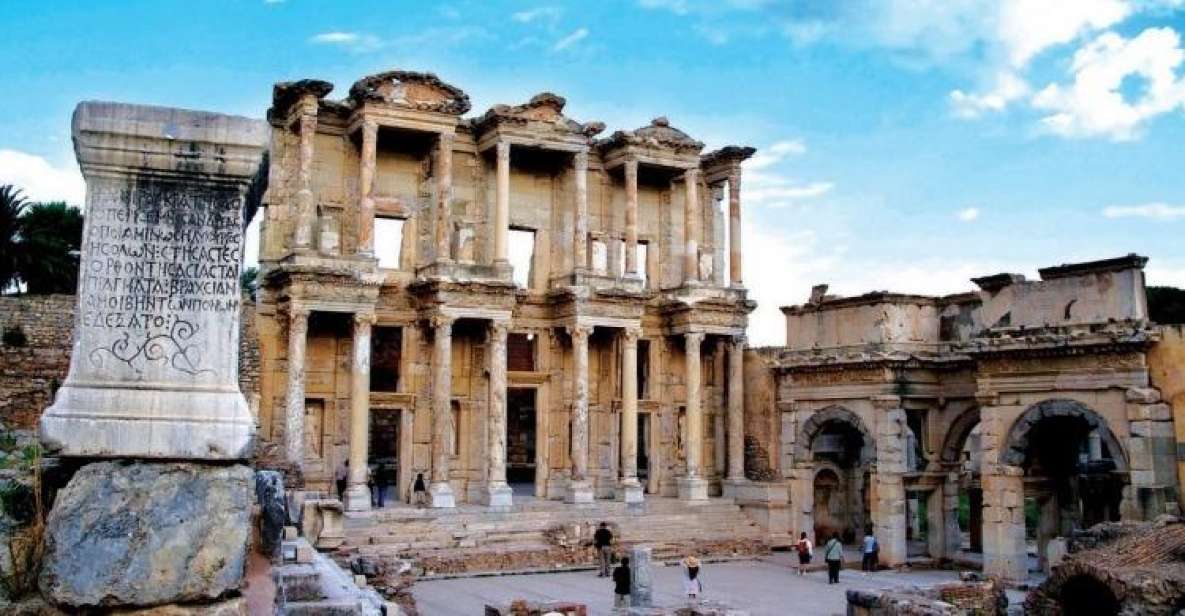
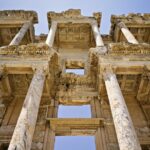
One of the specific Ephesus highlights is the Library of Celsus. Even if you’ve only seen photos, standing in front of it (and having the guide connect it to how Romans valued learning and civic identity) tends to click in a way that a guidebook photo rarely does.
The library is one of those places where your eyes do a lot of work. The exterior gives you a sense of what people wanted to project: culture, status, and permanence. The guide helps you interpret why it mattered in a city that was both religiously significant and politically strategic.
In short: it’s a stop where you can spend a few minutes getting your bearings, then move on feeling like you understand the “language” of the ruins.

Grand Theatre and Saint Paul: public space meets faith
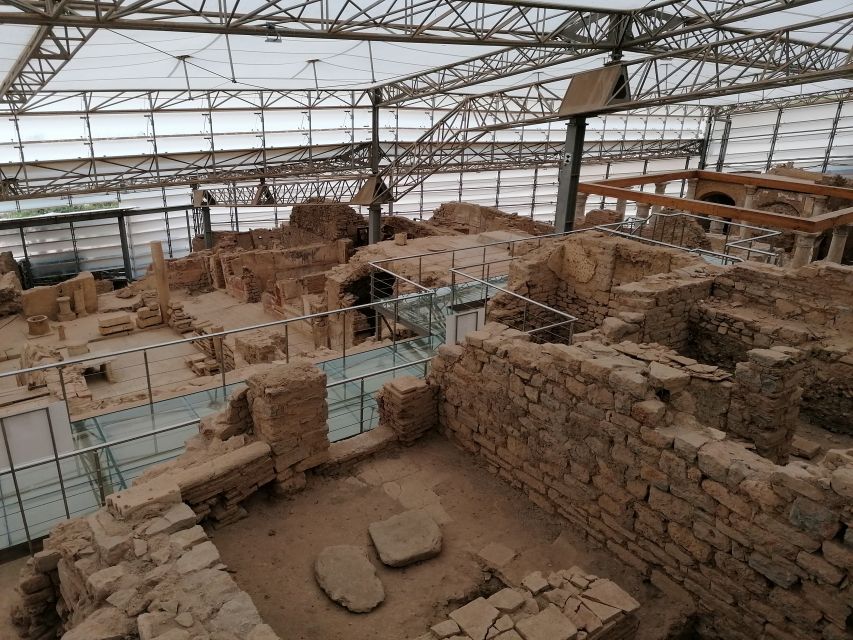
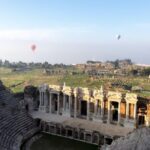
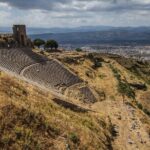
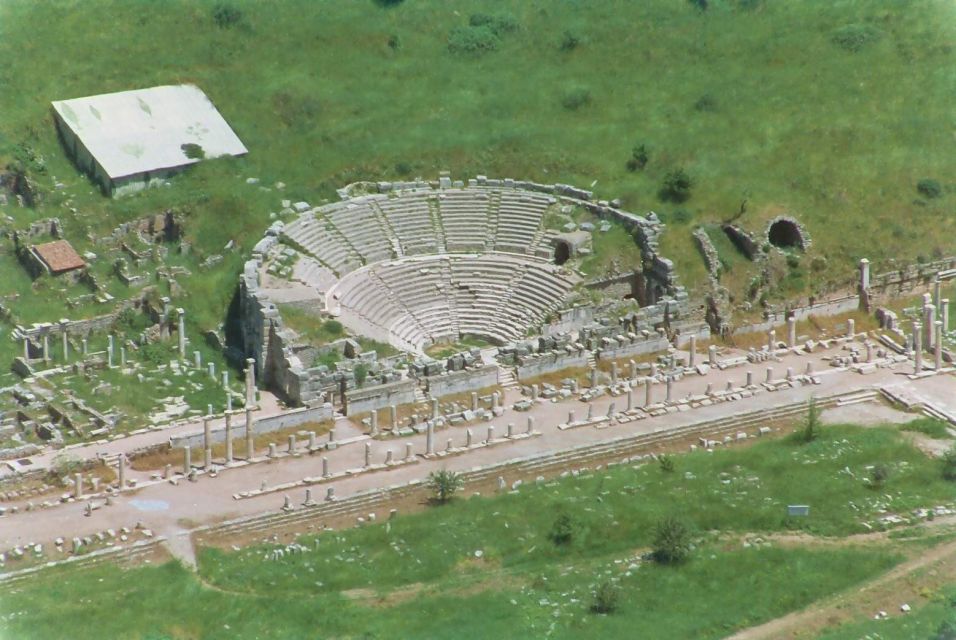
Next, you’ll hear about the Grand Theatre, including the link to Saint Paul preaching there. This is one of those moments where Ephesus stops being purely architectural. A theater isn’t just a building—it’s a platform for speaking to crowds.
The tour highlights the theater’s role in the story of early Christianity, which adds a layer to your understanding of what you’re seeing. In Ephesus, religious themes aren’t separate from civic space; they were part of how people debated identity, power, and belief.
This stop also helps explain why later history could be tense. The tour addresses the long-running struggle between Roman systems and Christian expansion in the area, which makes the next major stop—Artemis—feel more connected than just another ancient temple photo.
Temple of Artemis: a Seven Wonder stop with real historical tension
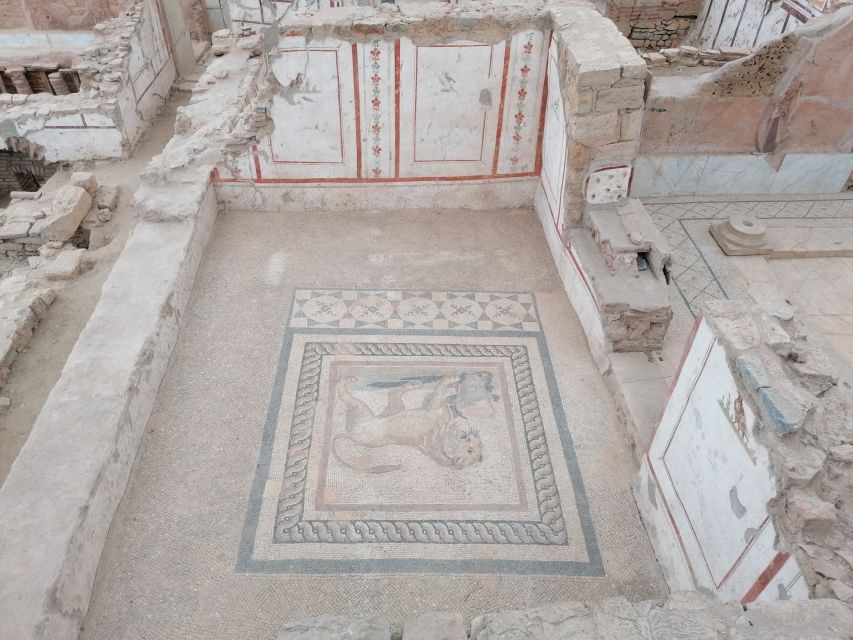
The Temple of Artemis (Diana) is famous for a reason. The tour presents it as one of the Seven Wonders of the Ancient World, and that’s the right framing: you’re not just visiting a ruin, you’re visiting a site that once represented enormous ambition and wealth.
The Temple stop is also planned as a photo stop plus guided tour time of about 30 minutes. That’s enough to appreciate the meaning, then move on without turning the day into nonstop museum mode.
One especially useful part of this segment is the guide’s explanation of how Romans and Christians collided over centuries. Even if the temple is ancient Greek in origin, the historical aftermath matters. In other words: you get a better sense of why certain places survived, changed hands, or became symbols in later debates.
Lunch in Selçuk: a practical break you control
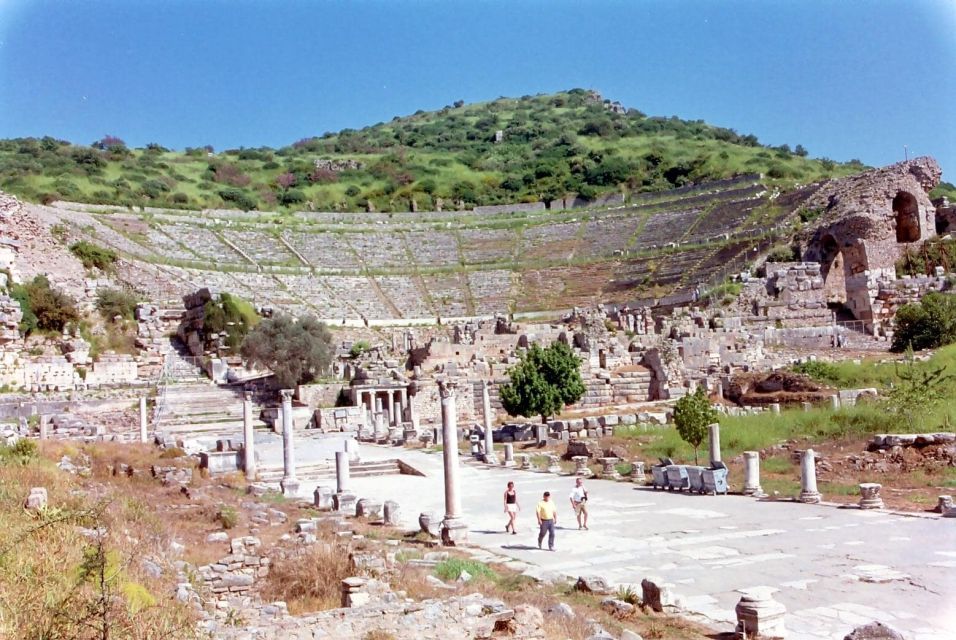
There’s time for lunch in Selçuk (about 70 minutes). Lunch is not included in the price, so you’ll be choosing where you eat. This is a plus if you want flexibility—vegetarian, quick bite, sit-down meal, whatever fits you best.
Selçuk is also a helpful base because it keeps you from having to find food in the middle of the heaviest sightseeing zone. You’ll leave this break feeling human again, not just “sightseeing-only.”
Price and entrance fees: what’s the real cost?
The tour price is $449 per group up to 12 for a 7-hour private experience. That’s the transportation + guide + parking fees + VAT portion. It’s not the entrance tickets.
Entrance fees are listed separately:
- Ephesus Ruins: 40 euros per person
- House of the Virgin Mary: 15 euros per person
So the main-site entrance total is 55 euros per person, paid with a credit card or cash on site. Lunch and beverages are also not included.
Here’s the value math in plain terms: because the $449 is for the whole group, your effective cost drops the more people you split with. If you’re the max group of 12, you’re paying about $37 per person for the tour portion, before entrance fees. If you’re a smaller group, the per-person tour portion rises, but the guide-and-van value stays the same.
In places like Ephesus, a private guide can save you from the most common mistake: spending your time walking through ruins with no idea what you’re looking at. If that’s you, this kind of guided structure often feels worth the extra planning.
What I’d ask your guide on this tour
If you want to get the most from a day like this, don’t just ask for facts. Ask for connections. Here are smart questions you can use:
- What would the main street have meant for everyday life in the city?
- In what ways did the Roman civic system show itself in places like the library and theatre?
- How does the story of Mary’s care (John 19:26–27) shape what people feel here?
- What’s the best way to understand the Temple of Artemis beyond its famous name?
- If I only have time for two photos, which angles do you recommend and why?
You can also ask about the balance between ancient Greek origin and later Roman-era and Christian-era changes. The tour is built to discuss that tension, and a good guide will have a clear way to explain it.
The guide experience: English, Spanish, and names matter
You’ll have an English-speaking guide, with Spanish also available. One Spanish-guide highlight from a past booking was a guide named Octavio, described as exceptional. Even if your guide is different, this is a sign the operator takes language quality seriously.
A private setup means you’re not translating your own questions. That matters in Ephesus, where details like civic layout and religious references can easily get lost if you only have a short, self-guided visit.
Who should book this tour?
This is a great fit if:
- You have limited time in the Izmir area and want the major stops in one day.
- You’d rather pay for an organized plan than manage taxis, timing, and entry logistics yourself.
- You care about understanding Ephesus instead of just checking off ruins.
- You’re traveling with family or friends who like a shared itinerary (up to 12 in a private group).
It may be less ideal if:
- You prefer long, unstructured exploring with lots of downtime. The day is scheduled and focused.
- You want lunch included or you want a full meal plan built into the tour.
Tips to get ready: shoes, sun, and clothing rules
Before you go, do the basics well:
- Wear comfortable shoes. Ephesus ruins involve lots of walking on uneven ground.
- Bring sunglasses, a sun hat, and sunscreen.
- Have drinks ready and plan for heat—bring what you’re comfortable carrying.
- For the House of the Virgin Mary, cover shoulders and knees.
This isn’t a “tour where you can wing it in sandals” kind of day.
Also, since entrance tickets for Ephesus and the House are paid separately, it’s smart to carry either a card or cash so there’s no last-minute stress.
Should you book this Izmir Ephesus and House of the Virgin Mary tour?
If you want one day that covers the headliners and gives you the context to make them meaningful, I’d say yes. The tour is built around a practical travel flow: pickup from where you already are, A/C transportation, a guided block in Ephesus, a faith-and-tradition stop at the House of the Virgin Mary, and a final landmark at the Temple of Artemis.
Book it especially if you’re the type who likes to understand what you’re seeing, and you don’t want to spend time piecing the day together. Just be sure you budget for the separate entrance fees (55 euros per person for the two major sites) and plan your own lunch in Selçuk.
If you’re traveling in a group, the “per group up to 12” pricing can be a strong value—because you’re paying for guidance and convenience, not just a seat on a van.