REVIEW · IZMIR
Seven Churches of Revelation
Book on Viator →Operated by HERACLES TRAVEL · Bookable on Viator
Seven churches, three days, one major trail. This tour links the dramatic, symbolic world of the Book of Revelation to real places you can walk through around Izmir and along the Aegean coast. It’s a practical way to see what the seven churches actually looked like in the Roman era, without getting lost in abstract talk.
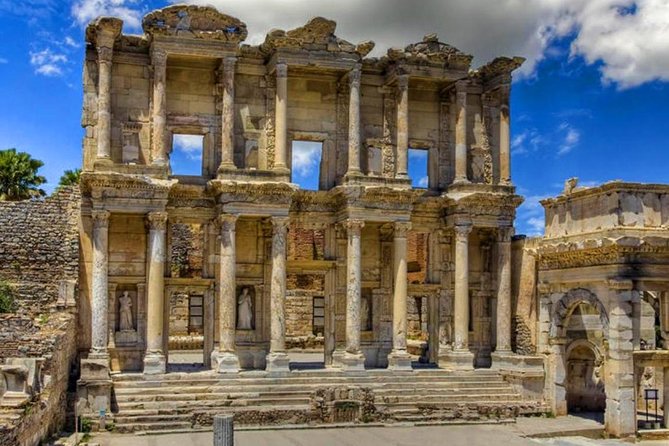
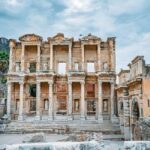
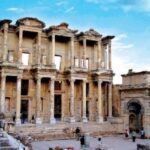
What I really like is the Ephesus day: the Celsus, Library area, Odeon, and the Marble Road make the setting feel concrete fast. I also like the pacing that adds Pamukkale and Hierapolis between church stops, so your days don’t feel like one long ruin slog.
One thing to watch: entrance fees are listed as not included, even though the itinerary notes admission tickets on many stops—so you’ll want to confirm what’s covered for your exact dates.
In This Review
- Key highlights worth planning for
- Following Revelation with real ruins near Izmir
- Day 1: Ephesus, St. John’s Basilica, and Meryemana
- Day 1 afternoon into Pamukkale: Laodicea and the next chapter
- Day 2: Hierapolis and the other church stops around the region
- Day 3: Pergamon, Smyrna/Izmir, and St. Polycarp
- Guides and timing: why it feels smooth
- Price and value: what $702.90 really buys
- What to expect day to day (and what to plan for)
- Who this tour suits best
- Should you book Seven Churches of Revelation?
- FAQ
- How long is the Seven Churches of Revelation tour?
- Where does the tour take place?
- Do I get pickup and transfers?
- What’s included in the price?
- Are entrance fees included?
- Is this a private tour?
Key highlights worth planning for
- Private group setup with mini/midi-bus transport from pickup to airport transfer
- Ephesus walking route built around major landmarks like Celsus and the Marble Road
- Mary’s House (Meryemana) paired with St. John’s Basilica on Day 1
- Pamukkale + Hierapolis as a break between church visits
- Guides who keep you on schedule, including clear drive-time expectations (like guides Gizem and Hakan)
Following Revelation with real ruins near Izmir
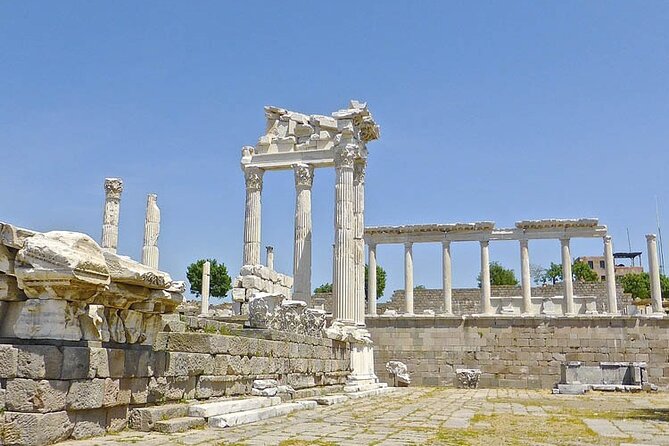
If you’ve read Revelation and thought, Okay, but where were these places? this route answers that question in a down-to-earth way. You’re not asked to memorize symbols. Instead, you move from city to city, and each stop gives you a physical sense of scale, location, and importance.
This is also a logistics-friendly trip. You ride in a non-smoking mini/midi bus, get professional English-speaking guidance, and sleep two nights in selected 3/4-star or boutique hotels. Breakfast is included for both mornings, so you start most days with a full plate and less stress.
One nice detail: you get a mobile ticket, and pickup is offered from Izmir Airport or Izmir hotels. In other words, you’re not stuck figuring out transport after a long flight.
You can also read our reviews of more tours and experiences in Izmir.

Day 1: Ephesus, St. John’s Basilica, and Meryemana
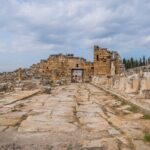
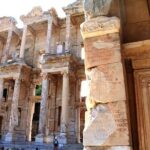
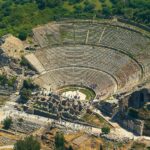
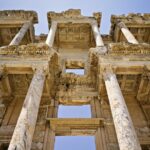
Day 1 is the densest “must-see” combination, and it works because you ease into it with a big, walkable anchor first: Ancient City of Ephesus. The walking tour includes the Celsus, Library area, Odeon, and the Double Church—plus the Marble Road. Even if you only have a light background in early Christianity, the scale here helps you picture why Ephesus mattered.
You also get to step into the area tied to wider church history, not just one verse. The stop at the Double Church is described as the site of the Third Ecumenical Council held in 431, which helps you understand why later religious leaders still cared about earlier places.
From Ephesus, you shift into a more devotional stop with Saint John Kilisesi (St. John’s Basilica). Then you continue to Meryemana (The Virgin Mary’s House), a shrine connected to the tradition that St. John brought Mary there, and the belief that she was taken to heaven from this site. Even if you don’t approach Christianity through tradition, this stop gives you a sense of how faith landmarks shape the way people remember the past.
Practical note: this is a day where your footwear matters. Ephesus includes uneven ground and lots of walking, so wear shoes you trust, not “looks good in photos” shoes.
Day 1 afternoon into Pamukkale: Laodicea and the next chapter
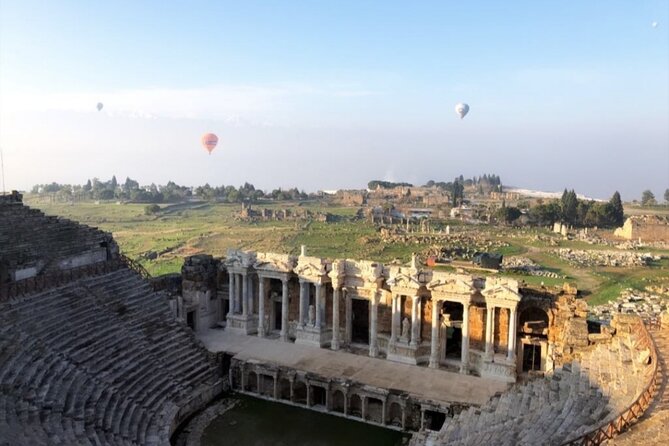
After lunch, you head to Laodicea, another of the seven churches tied to Revelation’s opening chapters. It’s also described as a place visited twice by St. Paul, which adds useful context: you’re not only seeing a Christian landmark that later became symbolic—you’re seeing a city that had a long thread of religious activity.
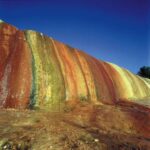
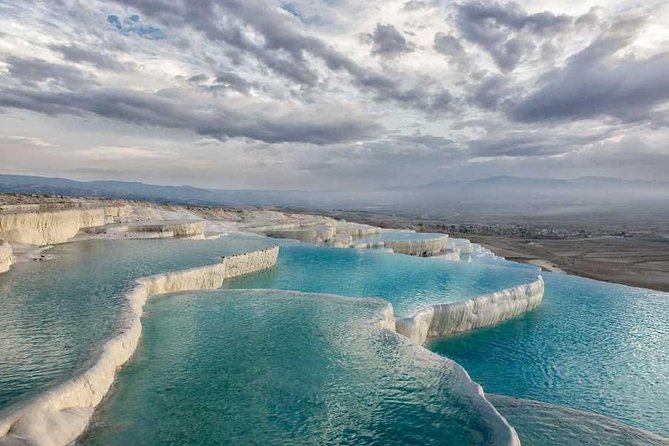
Then you continue on to Pamukkale for the night. The big value of this move is balance. You go from church-city ruins to a different kind of visual experience before Day 2 starts. Pamukkale is often the part people remember first, and that’s not just because of the photos. You’re also getting a genuine change of tempo after heavy walking.
Day 2: Hierapolis and the other church stops around the region
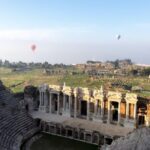
Morning brings a pair that works like a reset button: Hierapolis & Pamukkale. Hierapolis is tied here to Philip the Evangelist, and then you get time among Pamukkale’s white calcium terraces. That timing matters—seeing these terraces right after breakfast and before the remaining church sites helps keep the day from feeling rushed.
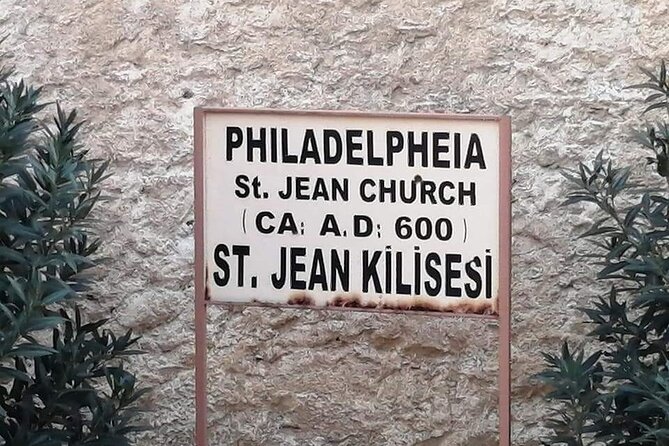
After that, you visit the church connected to Philadelphia: Philadelphia Siesean Kilisesi. This stop focuses on the remains of an early Christian church and city walls, and it’s the kind of site where less time can still feel meaningful. Small doesn’t mean unimportant—it just means you’re seeing a different scale than Ephesus.
Then your route spreads out with additional stops: Akhisar for the ancient ruins of a famous church tied again to the seven-church list (noted as free admission in the itinerary details), and Sardis (Sardes), the Lydian capital with ruins of its famous church.
Here’s the practical consideration: two short church-site stops plus a longer day of driving can feel “stop-start” if you’re the type who likes linger-and-sit-down sightseeing. The upside is that the transport is handled for you, and the order keeps you moving through the region efficiently.
Day 3: Pergamon, Smyrna/Izmir, and St. Polycarp
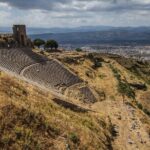
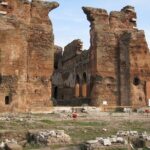
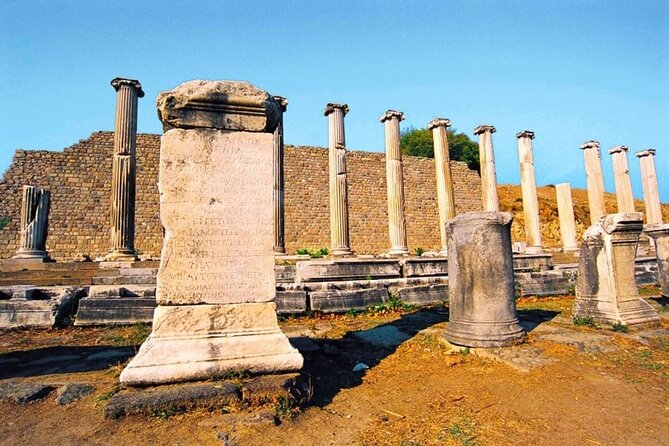
Day 3 starts with Pergamon Ancient City (Bergama). This is the place tied in the tour description to where St. John referred to Satan’s throne. You’ll visit the Church of Pergamon, the Red-Court, and the Acropolis as part of the sightseeing tour.
Pergamon is a strong final anchor because it combines religious symbolism with a dramatic setting. Even if you’re not chasing every architectural detail, the combination of elevated views and major ruins helps you grasp why ancient cities had both spiritual and political weight.
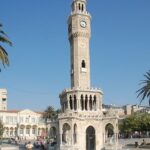
After lunch, you head to Izmir (Smyrna) for the Agora Open Air Museum. Smyrna is described as a recipient of a letter from St. Paul praising early believers for their faithfulness, which helps you connect the church theme back to a modern base city.
The day wraps at St. Polycarp Church, followed by a brief city tour. Then you’re transferred to the airport for your flight home, or you can extend with short stay packages or other escorted tours.
Guides and timing: why it feels smooth
The tour’s success isn’t just about the sites. It’s also about how you move between them and how much sense you make of each stop while you’re there.
In the feedback I saw, guides like Gizem were praised for being prompt and for packing in clear information during the Ephesus walk—plus answering questions as you went. Another guide, Hakan, was noted for doing exactly what you want on a three-day itinerary: staying on schedule, explaining sites clearly, and giving a realistic sense of drive time and where lunch fits into the plan. Even the driver, Erdgin, was singled out for being prompt.
That matters because Revelation places are spread out. When you have good pacing, you actually have time to look, not just to pass by.
Price and value: what $702.90 really buys
At $702.90 per person, you’re paying for more than “a list of ruins.” You’re paying for round-trip ground coverage across multiple cities, two nights of lodging, and a professional English-speaking guide—all wrapped into a private group format.
What’s included:
- Transportation in a non-smoking mini/midi bus
- 2 nights accommodation at selected 3/4-star or boutique hotels
- Professional English-speaking tour guide
- Breakfast (2)
What’s not included:
- Dinner, drinks
- Visas, personal expenses, porters, optional tips
- Entrance fees
That last line is the one that can surprise people. The itinerary itself shows “admission ticket included” at many stops, but the “not included” section also says entrance fees aren’t included. The safest move is to confirm what will be charged on arrival for your specific dates, and whether any site entries are prepaid.
Either way, the value angle is clear: you get the heavy lifting—transport, guide, and lodging—so you can focus on the sightseeing.
What to expect day to day (and what to plan for)
This is a sightseeing-heavy route. Expect long days on your feet, especially on the Ephesus day. Bring water, protect yourself from sun, and pack layers for early mornings and late afternoons, when the Aegean region can feel cooler than you expect.
Meals are the one place you’ll need personal flexibility. Breakfast is included, but dinner and drinks aren’t. If you’re traveling with dietary restrictions, it’s smart to decide in advance where you’ll eat on your own, since the tour plan only guarantees breakfast.
Also, this trip requests detailed passport info at booking—name, number, expiry, and country—so you’ll want your passport details ready.
If you want an experience that’s part archaeology, part faith geography, and part “connect the dots,” this route fits that goal well.
Who this tour suits best
This is a great match if you:
- want a structured 3-day route that hits multiple church-linked cities
- like guided explanations while you walk through ruins
- prefer being driven between stops rather than renting a car
- enjoy a mix of biblical context and place-based sightseeing
It’s less ideal if you want a slow, free-form itinerary with lots of downtime. This schedule moves with purpose.
Should you book Seven Churches of Revelation?
Yes, if you’re the type who wants your Bible reading to connect to real geography, and you like guided pacing more than self-navigation. The combination of Ephesus, St. John’s Basilica, Meryemana, and a strong wrap-up at Pergamon gives you variety without losing the core theme.
Before you book, do two quick checks: confirm how entrance fees are handled for each stop, and plan for meals after breakfast since dinner and drinks aren’t included. If those fit your budget and style, this is an efficient, meaningful way to see the seven churches in one region instead of piecing it together yourself.
FAQ
How long is the Seven Churches of Revelation tour?
It runs for 3 days approximately.
Where does the tour take place?
The tour is based in Izmir, Turkey, with sightseeing across the surrounding region, including Ephesus, Pamukkale/Hierapolis, Pergamon (Bergama), and Izmir (Smyrna).
Do I get pickup and transfers?
Pickup is offered from Izmir Airport or from Izmir hotels. On the final day, you’ll be transferred to the airport for your flight home.
What’s included in the price?
Transportation in a non-smoking mini/midi bus, 2 nights of accommodation at selected 3/4-star or boutique hotels, a professional English-speaking tour guide, and breakfast for 2 mornings are included.
Are entrance fees included?
Entrance fees are listed as not included. The itinerary also notes admission ticket information on stops, so it’s a good idea to confirm what’s covered for your dates.
Is this a private tour?
Yes. It’s described as a private tour/activity, with only your group participating.