REVIEW · ISTANBUL
Istanbul Vegan/Vegeterian Cooking Class with Locals at Home
Book on Viator →Operated by Lokal Bond · Bookable on Viator
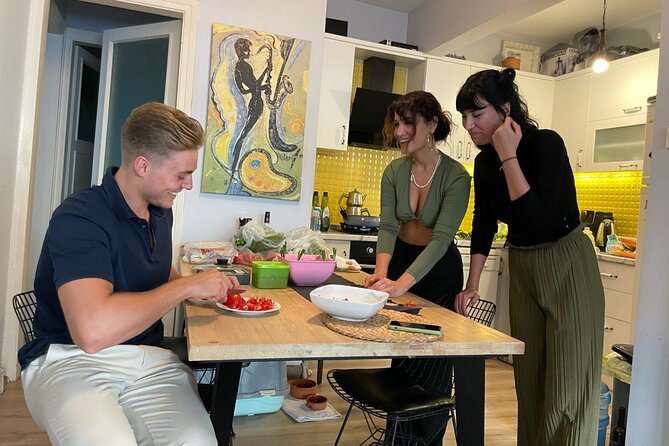
Cooking at a real Istanbul home feels personal. You’ll join a small-group vegan/vegetarian class in a cozy Beyoğlu house, where you cook classic Turkish recipes with a plant-based twist. I especially like the hands-on cooking in a real kitchen, and the relaxed tea-and-conversation start that makes it feel like you’re visiting friends.
The schedule is refreshingly simple: meet your host around 5:30 pm, cook together, then sit down for a family-style meal. I also like how the menu focuses on Turkish comfort food that you can actually recreate at home, not just fancy showpieces.
One consideration: this is a cooking-and-eating evening in someone’s home, not a restaurant tour. If you want a quick bite, zero mess, and strict pacing like a factory-style class, you may find it a bit too personal and unhurried.
In This Review
- Key highlights you’ll care about
- A Beyoğlu home kitchen at 5:30 pm
- What makes the menu a smart choice for vegans in Turkey
- From hello to ingredients: how the evening really starts
- Hands-on cooking you can actually repeat later
- Dürüm: the wrapped starter that teaches portion and filling
- Kokoreç-style vegan main: texture is the lesson
- Kısır: bulgur, herbs, and that sour-salty balance
- Mantı: dumplings, filling, and the patience payoff
- Tea time, family meal, and the best kind of souvenir
- Price and value: what $93 buys you in real terms
- Who should book this, and who might skip it
- Before you go: simple prep that makes the class easier
- Should you book this Istanbul vegan cooking class?
- FAQ
- Is the class vegan and vegetarian only?
- How long is the cooking class?
- How many people are in the group?
- Is the class taught in English?
- Where does the class start and end?
- Is free cancellation available?
Key highlights you’ll care about
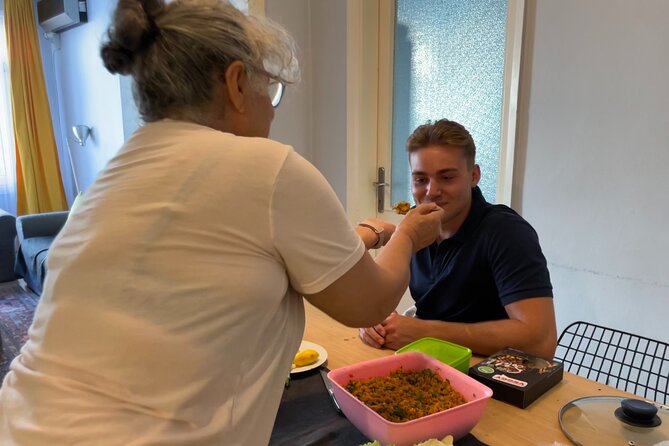
- Max 8 travelers means you get real help while you cook, not just watch
- Vegan versions of Turkish staples like Kısır, Mantı, and Dürüm
- Tea breaks built in, so you can chat and learn spices and ingredients as you go
- A full sit-down family meal after cooking, so you eat what you make
- English instruction makes the recipes and techniques easier to follow
- Around 5:30 pm start gives you a solid evening plan in Beyoğlu
A Beyoğlu home kitchen at 5:30 pm
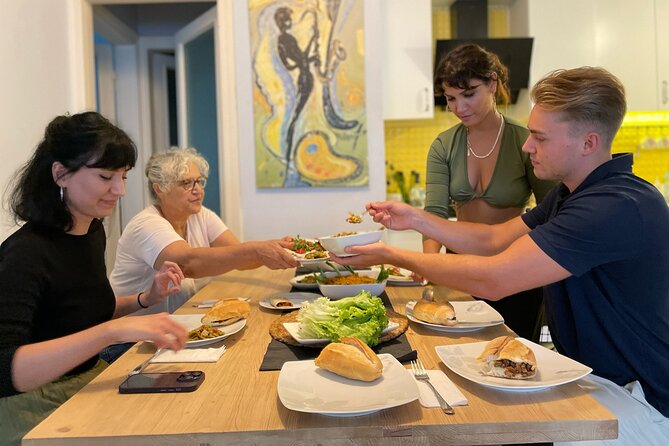
This class starts at 5:30 pm in Beyoğlu, near public transportation, at Ufak Sk., 34437 (Ufak Sokak Gümüşsuyu area). The “in a local home” part matters more than you’d think. You’re not crammed into a teaching studio. You’re cooking in the same kind of space where people actually eat, talk, and keep the evening going.
The timing also works well for a typical Istanbul day. By late afternoon, you’ve usually walked enough to be hungry, and this gives you a clear plan without stealing your whole day. It ends back where you meet, so you’re not dealing with a long transfer at night.
The group stays small—up to 8 people—so you don’t have to worry about blending into the background. You’ll have a better chance to ask questions when a dough feels too sticky or a filling needs more seasoning.
A few more Istanbul tours and experiences worth a look

What makes the menu a smart choice for vegans in Turkey
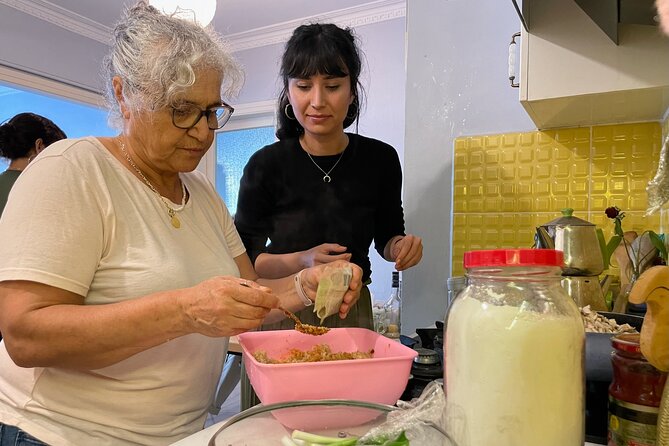
Let’s be honest: outside of homes, vegan eating in Turkey can take effort. That’s part of why this class leans hard into Turkish food you can make vegan. The whole approach is basically creativity meets tradition: take flavors and dishes you’ll recognize, then use plant-based ingredients and adjustments to recreate the experience.
You’ll see dishes that hit different cravings:
- Kısır (bulgur-based, herb-forward, and deeply comforting)
- Vegan Mantı (Turkish dumplings, adapted for a plant-based plate)
- Vegan Dürüm (a wrapped, veggie-filled starter)
- Vegan Kokoreç (a vegan twist on a famous street-food style)
What I like about this approach for you is that you leave with a “system,” not just a few recipes. Once you understand how spices, acidity, herbs, and texture work together in Turkish food, you can adapt other dishes too.
Also, this class doesn’t treat vegan food like a side quest. It treats it like Turkish food first—just with vegan craftsmanship.
From hello to ingredients: how the evening really starts
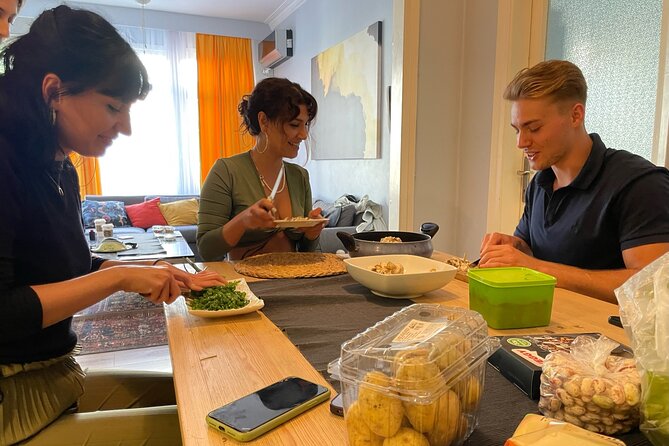
You’ll begin with chats as you settle in. The format is described as feeling like cooking with friends or family, and that’s consistent with what you’ll want from a home class: ease. It’s not just about the food; it’s about learning what matters in the kitchen.
During that early back-and-forth, you’ll get a feel for the host’s style and how the spices and ingredients fit together. That’s a big deal in Turkish cooking, because so much flavor comes from the balance of spices, herbs, and sour notes—not from complicated techniques alone.
If you’ve ever cooked Turkish food and wondered why it didn’t taste the same, this is the part that helps most: learning what goes where, and why. You’ll also be able to ask small questions in plain language, rather than guessing when you’re back home staring at a spice rack.
Hands-on cooking you can actually repeat later
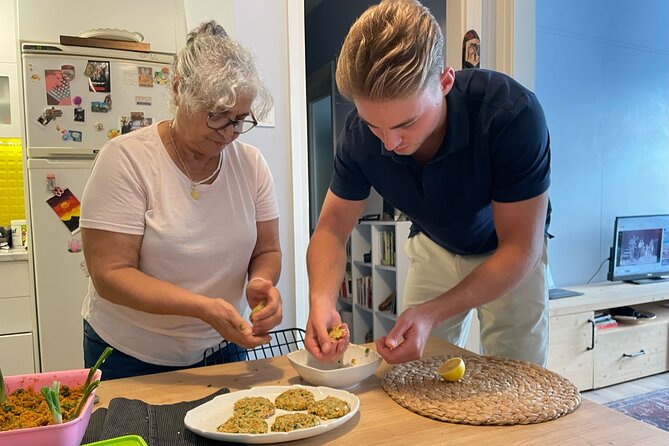
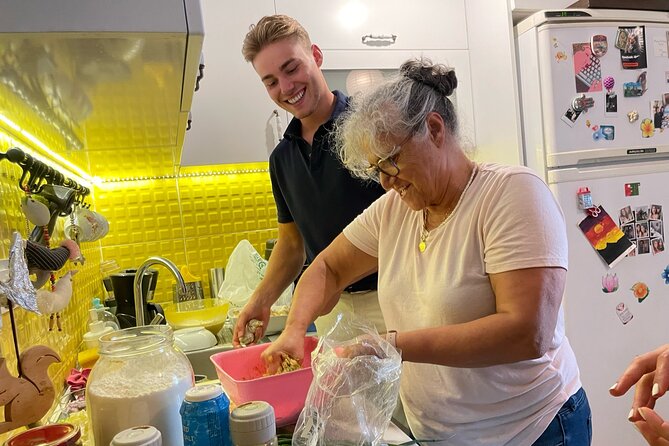
This is a practical hands-on class. You’re not just tasting. You’re working through the dishes as a team, with personal help in the kitchen. With a max group size of 8, it’s easier for the host to guide each person, spot issues, and keep things moving.
Based on the class structure and sample menu, expect a sequence built around starting with a starter, then moving into mains, with technique and tasting built in. One of the standout points is that sessions can cover several dishes—some groups have cooked 5+ dishes, and others have worked through around seven meals.
That variety matters because you’re not leaving with only one dish you like. You’ll likely find multiple “I can make this again” wins.
Dürüm: the wrapped starter that teaches portion and filling
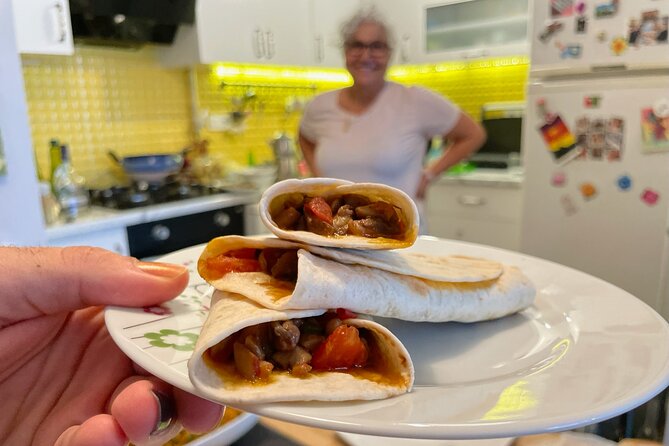
Vegan Dürüm is a great warm-up. Wrapping food is as much about assembly as ingredients. You learn how to keep fillings flavorful without making the wrap heavy or dry.
It’s also an easy dish to translate to your own kitchen later, because you can swap formats while keeping the flavor logic.
You can also read our reviews of more cooking classes in Istanbul


Kokoreç-style vegan main: texture is the lesson
Vegan Kokoreç is the most surprising name on the menu, and that’s a good thing. Kokoreç is known as street food, and a vegan version forces you to think about texture—how to get that satisfying, savory feel without the original ingredients.
Even if you don’t recreate it exactly, you’ll walk away with a better sense of how Turkish street flavors are built.
Kısır: bulgur, herbs, and that sour-salty balance
Kısır is one of those dishes that tastes like it’s been part of Turkish life forever. It’s bulgur with herbs and seasoning, and it’s the kind of food people make when they want something both filling and bright.
This dish is valuable for you because once you nail Kısır, you basically unlock a dependable base for salads, mezze-style spreads, and side dishes. It’s also a great “teach me the spice balance” entry point.
Mantı: dumplings, filling, and the patience payoff
Vegan Mantı brings dumpling technique into the mix. Dumplings take time, but that time is part of why the dish feels special. You’ll likely learn how to portion filling and work the dough so it doesn’t tear or get too thick.
And when it lands on your plate, it’s instant comfort food—something you can feel good about serving guests back home.
Tea time, family meal, and the best kind of souvenir
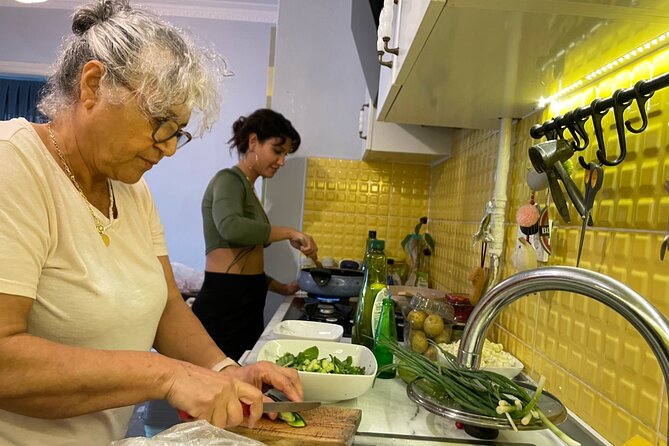
After cooking, you’ll sit down for the meal and enjoy what you made with your host. This is the “real life” part of the experience: you’re not rushed out the door right after instructions. You get to taste, adjust your own plates, and talk.
Then tea shows up again, followed by time to chill together. In a city like Istanbul, this kind of slow hour matters. It’s where the evening shifts from instruction to connection.
Two host names show up in past sessions: Rojda has been described as running the show with warmth and attention, and in some groups Maral and her mother have helped welcome people and keep the kitchen moving. No matter which setup you get, the vibe you’re aiming for is the same: friendly guidance, not stiff teaching.
A small but practical bonus: at least one group has been given leftovers to take home. Even if that isn’t guaranteed every time, it reflects the general “feed people well” approach of a home meal.
So your souvenir isn’t just photos or recipes. It’s knowing how Turkish vegan food should taste, and having tasted it in the moment it was made.
Price and value: what $93 buys you in real terms
The price is $93 per person for about 3 hours. That’s not cheap, especially compared to street snacks or casual restaurant meals. But it does buy you several things that add up:
- A home-cooked meal that you help make
- Multiple dishes from Turkish cuisine adapted into vegan versions
- Small-group attention (max 8 people)
- English instruction
- Tea and the time to sit and eat together
If you compare it to paying for multiple restaurant meals plus a cooking workshop, the value makes more sense. You’re paying for technique, ingredients, and the full experience of learning by doing.
Also, this is a class you book ahead of time—on average about 26 days earlier. That tells you it’s in demand. If you’re traveling in peak season, grabbing a spot early is smart.
Who should book this, and who might skip it
This experience is a great fit if you:
- Want authentic Turkish flavor, not generic vegan food
- Like hands-on cooking where you can ask questions
- Prefer small-group settings over big tours
- Want a local home evening in Beyoğlu, with tea and conversation built in
You might reconsider if you:
- Don’t want to cook at all and just want to eat
- Prefer restaurant-style predictability over a more personal pace
- Are only interested in non-vegan versions of Turkish dishes (this is vegan/vegetarian by design)
If you love food that feels familiar but surprising—like Turkish classics reworked with plant-based technique—this is your kind of night.
Before you go: simple prep that makes the class easier
You don’t need special gear, but a little planning helps:
- Wear comfortable clothes you don’t mind getting warm while cooking.
- Bring curiosity about spices and ingredients unique to Turkey. The class centers on learning what makes the flavor work.
- Come with room in your schedule. The evening isn’t only about the workshop; it ends with tea and hanging out.
If you’re traveling solo, this can be surprisingly social because the format pushes you into shared tasks. If you’re traveling as a couple or family, it’s also a fun way to learn together without getting stuck in a crowd.
Should you book this Istanbul vegan cooking class?
Yes, if you want a real Istanbul evening that mixes Turkish cooking technique with vegan creativity, in a home setting with a small group. The best parts—warm welcoming hosts, hands-on help, and a proper family meal afterward—are exactly what make cooking classes memorable. You’ll leave with a handful of dishes you can remake and a better understanding of how Turkish flavors build.
Skip it only if you want a fast, impersonal activity or you’d rather just eat out. This one is about learning and connection, not just tasting.
FAQ
Is the class vegan and vegetarian only?
Yes. This experience is specifically a vegan/vegetarian cooking class focused on traditional Turkish recipes with vegan twists.
How long is the cooking class?
It runs for about 3 hours.
How many people are in the group?
The maximum group size is 8 travelers.
Is the class taught in English?
Yes, it’s offered in English.
Where does the class start and end?
It starts at Ufak Sk., 34437 Beyoğlu/İstanbul (Ufak Sokak Gümüşsuyu area) and ends back at the meeting point.
Is free cancellation available?
Yes. You can cancel for a full refund up to 24 hours before the experience’s start time.