REVIEW · ISTANBUL
Istanbul Highlights Small-Group Walking Guided Tour
Book on Viator →Operated by Neon Tours · Bookable on Viator
Big sights, zero guesswork. This Istanbul highlights walking tour strings together the Blue Mosque, Hagia Sophia area, Topkapi Palace, the Basilica Cistern, and the Grand Bazaar with an expert guide who keeps the story straight and the photos coming—especially during photo stops on foot. I love that the route is tight enough to feel local, not chaotic, and that the guide helps you understand what you’re seeing rather than just pointing. One possible drawback is the walking: it’s a full-day plan, and you’ll want to wear shoes you trust.
The best part is the small group size (max 14) plus pickup and drop-off on the European side, so you spend your energy on the sights instead of figuring out logistics. Plus, the tour is built to skip the long ticket lines, which matters a lot in Istanbul’s busiest historic zone.
You should also know the day can shift depending on closures. Hagia Sophia is off on Mondays, the Grand Bazaar is closed Sundays, and Topkapi Palace is closed Tuesdays; Fridays have special timing due to prayer, so some stops run after 14:30.
In This Review
- Key highlights at a glance
- A tight Sultanahmet route that feels like you live there
- Pickup, timing, and how to prepare for the long day
- Stop at the Hippodrome: where sport and politics shared the same stage
- Blue Mosque: minarets, Iznik tiles, and how to time your photos
- Topkapi Palace: the court world behind the walls
- Basilica Cistern: cooling down in the sunken palace
- Divanyolu Street and Hagia Irene: smaller stops that add meaning
- Grand Bazaar: shopping with a map in your head
- Optional Hagia Sophia: worth it, but watch the timing
- Guide tactics that make the day feel easier
- Price and value: what $155 covers and what to double-check
- Who should book this tour—and who should skip it
- Should you book Istanbul Highlights Small-Group Walking Guided Tour?
Key highlights at a glance
- Small group feel (up to 14 people) with room for real questions
- Frequent photo-friendly stops along the walking route
- Line-skipping strategy to help you spend less time waiting
- Big-ticket sites in one circuit across Sultanahmet
- Grand Bazaar guidance so you’re not lost in the maze
- Backup plans when Hagia Sophia, Topkapi, or the bazaar are closed
A tight Sultanahmet route that feels like you live there
This tour is designed for one thing: getting you through the top Istanbul highlights on foot without the stress of navigation. You’ll cover the core historic neighborhood around Sultanahmet, where the city’s most famous monuments are close enough to form a logical loop.
You don’t just see landmarks—you get the context that makes them click. The guide explains what these places were for (religion, empire power, court life, and everyday politics), which turns a checklist day into a real sense of place. That’s also why the frequent stops work: they give you time to look carefully instead of sprinting.
You can also read our reviews of more walking tours in Istanbul



Pickup, timing, and how to prepare for the long day
This experience starts at 8:30 am and runs about 8 hours, though it can stretch depending on your exact timing and site pacing. Pickup is available from your European-side hotel, or you’ll meet your guide at a central location if that’s easier. Then you finish back at the starting meeting point or your hotel drop-off.
What you should plan for: steady walking. The tour is not recommended if you have walking difficulties, and the company expects you to have a strong physical fitness level. One review noted they expected air-conditioned comfort but ended up doing a lot of walking, so I’d rather you assume you’ll be on your feet most of the day and dress for that reality.
Practical tip: bring water and some snack backup, because food and drinks are not included unless otherwise specified, and lunch is not part of the default package.
Stop at the Hippodrome: where sport and politics shared the same stage

The day often starts with the Hippodrome area, a key reminder that Istanbul has always been a political show as much as it’s been a cultural one. You’ll see the granite Egyptian obelisk, originally gifted to the city, and you’ll hear how this space once served as the center for major events.
This is one of the best “walk-and-look” stops because you can stretch your legs, catch quick views, and still get something meaningful out of it. The tour also builds in a short photo break after the explanation, so you’re not rushed out before you’ve grabbed your angle.
Two small extras can appear here as well, like the German Fountain (late Ottoman period) and the Obelisk of Theodosius. Even if you think you’re only coming for the big names later, these earlier details help you understand how the city’s layers fit together.
Blue Mosque: minarets, Iznik tiles, and how to time your photos
Next up is the Blue Mosque, one of the most recognizable symbols of Ottoman-era Istanbul. You’ll admire the six minarets and the famous interior tilework—especially the Iznik tiles that create that signature cool-blue effect.
This is the part where the guide’s presence really matters. They’ll explain the design choices and history tied to Sultan Ahmet I, and they’ll point out what to look for so you don’t miss the details that make this place feel so dramatic.
Photo advice: go for wide shots to catch the minarets and then shift to interior angles once you’re settled. The tour frequently stops for photos on foot, and this site is exactly where those stops pay off. Note that the Blue Mosque (and Hagia Sophia) have timing restrictions on Fridays due to prayer, and your visit will be after 14:30 when applicable.
Topkapi Palace: the court world behind the walls
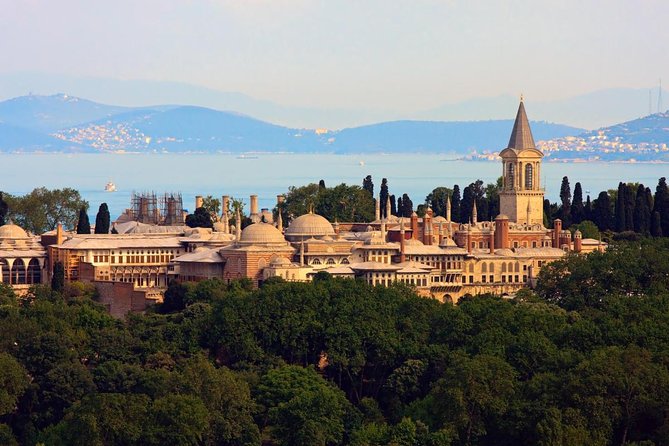
Topkapi Palace is the crown-jewel stop for many people, and this tour treats it that way. You’ll explore the palace museum spaces—intricate corridors, intimate rooms, and the kind of setting where elite guests were entertained, all tied to how sultans ran both public power and private life.
This is where “skip the lines” tends to make the most difference. Topkapi tickets are included, and getting through entry faster helps you spend more time looking and less time waiting in the kind of crowd that drains your patience.
Time-wise, you’ll have about an hour here. That means you won’t see every single room and artifact in depth, but you’ll cover the highlights without losing the thread. The guide also helps you connect objects and spaces to stories, so it feels less like “walk through rooms” and more like “understand how the system worked.”
If Topkapi is closed on Tuesdays, the tour swaps in the Istanbul Archaeology Museum instead.
You can also read our reviews of more guided tours in Istanbul





Basilica Cistern: cooling down in the sunken palace
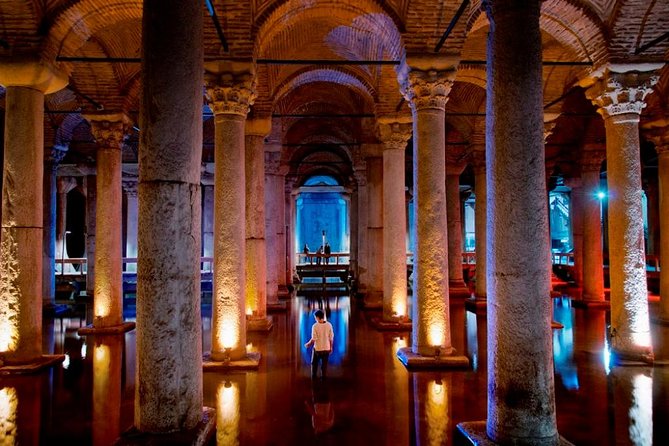
After palaces and mosques, the Basilica Cistern gives you a literal reset. This is Istanbul’s sunken palace—one of the largest ancient cisterns beneath the ground. You’ll walk through the space and hear how it functioned as underground water storage and why it was so vital.
It’s also one of those “I didn’t expect it to feel this atmospheric” sights. The Bond-movie association (From Russia with Love) gets mentioned often, but the real draw is the scale and the way light plays in the underground chambers.
Your visit here is typically around 30 minutes, and this stop may be replaced with the Museum of Great Palace Mosaics in some cases. One key thing to note: Basilica Cistern admission is listed as not included in the tour details you provided, so expect to pay separately unless your booking option covers it.
Divanyolu Street and Hagia Irene: smaller stops that add meaning
Not every monument in this circuit is a main-ticket headline, and that’s a good thing. Between big sites, you may pass through Divanyolu Street, associated with the ceremonial life of the Ottoman Empire. It’s a short stop, but it helps you connect the palace world to the city’s movement and governance.
You may also visit Hagia Irene Museum, a 6th-century church. It’s included with admission in the provided details, and it adds variety to the day by giving you a different angle on Istanbul’s religious architecture and timeline.
These are the kinds of stops that often feel “extra” while you’re there, then become the reason you remember the day later.
Grand Bazaar: shopping with a map in your head
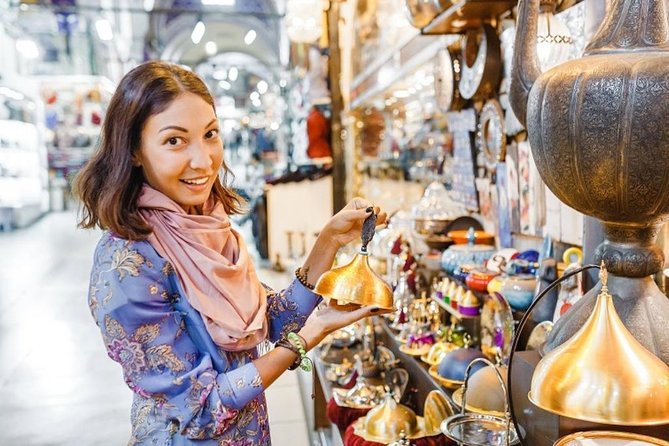
The Grand Bazaar is the finale for many versions of this tour, and it can be overwhelming if you go in cold. With the guide, you’ll stroll through the famous alley network—dozens of streets and countless shops—and you’ll get pointed toward highlights without wandering in circles.
This is also the shopping reality check portion of Istanbul. You’ll likely see leather goods, jewelry, ceramics, and spice stalls. The smell, sound, and movement are part of the experience, but the real value is that your guide can help you navigate how the bazaar works.
One big consideration: the bazaar is also where sales pitches can be long. In reviews, people warned about being steered into preferred shops and feeling stuck during extended selling time. My advice is simple: set your personal goal before you enter—browsing only, or shopping with a budget—and don’t be afraid to exit politely when you’re done. If you want to leave with fewer headaches, aim to keep your attention on browsing the crafts and compare before committing.
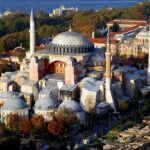
Optional Hagia Sophia: worth it, but watch the timing
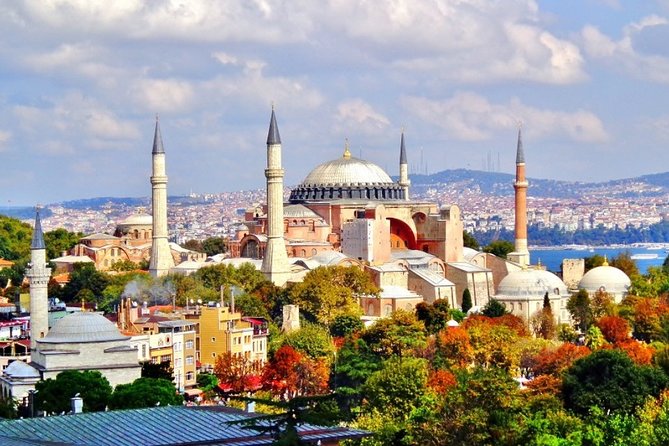
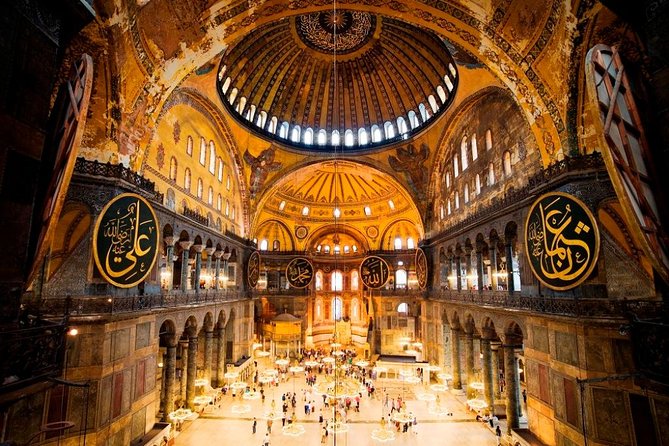
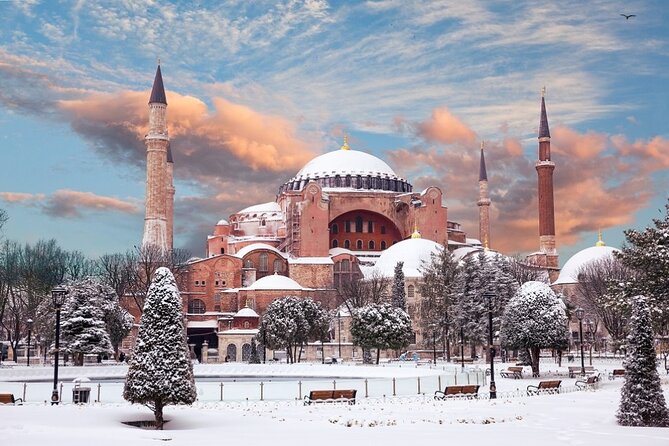
Hagia Sophia can be the emotional centerpiece of the day, but in this tour it’s optional. Entrance fees are on you if you choose to go in, even when the stop is part of the plan.
Timing matters. Hagia Sophia is closed on Mondays, and on Fridays visits are after 14:30 due to prayer. If your day lines up with closures, the tour uses alternate options (like Chora Museum or another market) instead.
If you’re short on time in Istanbul and want one “big wow” building, Hagia Sophia is the logical choice. If you’re more interested in architecture and less in ticking a box, you can weigh whether your energy level after Topkapi and the cistern makes it worth adding that extra paid entry.
Guide tactics that make the day feel easier
One reason people rave about this tour is the guide. Several named guides come up again and again—Sevilay, Seçkin, Ozmen, Mustafa, Gurkan, and Hazal. The consistent thread: they keep you on time, explain what you’re looking at, and help you get to the right spots in a smart order.
Photo help shows up in the best way here. Sevilay, for example, is praised for having strong photography skills and helping people take better pictures. That’s not a small detail: when you’re standing in front of iconic sights with crowds, knowing where to stand and when to angle your shot saves time and frustration.
Pacing also matters. People mention the guide choosing routes that help avoid peak crush, and that the explanations make the long day feel shorter. Still, manage expectations: it’s a walk-heavy day, and you should use the built-in breaks, not resist them.
Price and value: what $155 covers and what to double-check
At $155 per person, you’re paying for more than transportation. You’re paying for a guided route across multiple major sites, with a small-group format, English interpretation, pickup/drop-off, and entrance fees covered for certain stops depending on your booking option.
Here’s the part you should confirm before you go: entrance fee coverage can vary. One provider response you shared says there are two alternatives—either a version with transfers only (no entrance fees, letting you pay for the museums you choose), or a version with transfers plus entrances to the museums visited, excluding Hagia Sophia (since it’s optional). Meanwhile, your itinerary details list some admissions as included and others as not included (like Basilica Cistern).
So my value check for you is this:
- If your booking includes multiple entrances, you’ll feel the value fast because the day packs several paid sites.
- If your booking is transfers-only, $155 can still be a good deal for the guide and line-skipping, but you’ll need extra cash for paid entries like Hagia Sophia (and possibly Basilica Cistern depending on your option).
Either way, the “skip long ticket lines” promise is a key part of the value. In Istanbul’s center, waiting can eat your whole morning.
Who should book this tour—and who should skip it
This works best for you if you:
- want a single-day overview of Sultanahmet’s main attractions
- prefer a small group and a clear walking plan over self-guided chaos
- like history context that makes monuments feel connected
- value photo stops and a guide who helps you find good angles quickly
Skip it if you:
- have trouble walking long distances or standing for extended periods
- need a slower, sit-down pace with lots of free time
- hate shopping pressure and want total freedom without any bazaar guidance
If you’re traveling with kids, the minimum age is 4, and anyone 18 and under must be accompanied by an adult.
Should you book Istanbul Highlights Small-Group Walking Guided Tour?
If you want Istanbul highlights in one organized, guide-led day, I think this is a smart booking—especially if you’re efficient with your time and you’re willing to walk. The strongest reason to choose it is the combination of tight sightseeing, photo-friendly stops, and the way the guide adds meaning to each site. Named guides like Sevilay and Seçkin also show up as consistent favorites for pacing and helpful explanations.
But be honest with yourself about two things: it’s an all-day walking experience, and Grand Bazaar shopping can come with pushy selling energy. If that doesn’t bother you—because you plan your browsing strategy and wear comfy shoes—this tour is a solid way to see the core Istanbul highlights without wasting hours on navigation or ticket lines.