REVIEW · ISTANBUL
From Istanbul: 2-Day Tour to Gallipoli & Troy
Book on GetYourGuide →Operated by Crowded House Tours · Bookable on GetYourGuide
Gallipoli can feel like school history with a pulse. This 2-day tour packs a guided run through the Dardanelles campaign plus a second day among Troy’s layered ruins, all with hotel pickup and an English-speaking guide. I love how the day 1 route connects key memorials and trenches so the geography makes sense fast, and I also like that you get a real overnight in the region instead of rushing Troy in a single long day.
The timing is intense, though: the early pickup and the late bus back to Istanbul (dropping you around 11:00 PM) mean you’ll want to plan for fatigue, especially on weekends with heavier traffic. Also, the ride back can feel long and tight if you’re hoping for a relaxed sit-down.
A big plus here is the human side of the experience: guides such as Hassan, Baruk, Charlie, Bulant, Cindy, and Ibo have a knack for explaining both sides of the story in plain language, with humor when it fits and context where it matters. Another standout is the value: your ticket bundles transport from Istanbul, one night in a 3-star bed-and-breakfast style hotel, entry fees, a guide, and one lunch. One thing to keep in mind is that drinks during meals aren’t included, and you’ll pay for breakfast during the morning break.
In This Review
- Quick Take: What Makes This Tour Work
- Gallipoli First Light: Why This Battle Geography Feels Different
- Pickup From Taksim and Sultanahmet: The Early Start Reality Check
- Day 1: Gallipoli’s Best Stops, in the Order That Makes Sense
- Brighton Beach and Beach Cemetery: Seeing the shorelines first
- ANZAC Cove and Ariburnu Cemetery: Where the story turns into place
- ANZAC Commemorative Site, Respect to Mehmetcik Statue, and the dual story
- Lone Pine and Johnston’s Jolly: Memorials that act like navigation markers
- Turkish trenches and cemeteries, then The Nek and Chunuk Bair
- Dinner, Rest, and Canakkale Hotel Comfort That Actually Helps
- Day 2: Troy’s Nine-Layer Story, Not Just the Trojan Horse Photo
- The biggest practical tip: check how museums fit your priorities
- The Long Bus Back to Istanbul: Plan for the tired-hours
- Price and Value: What $378 Typically Covers (and What It Doesn’t)
- Who This Tour Fits Best (and Who Should Rethink It)
- Should You Book This Gallipoli and Troy 2-Day Tour?
- FAQ
- Where does pickup happen in Istanbul?
- What time is pickup on the first morning?
- How do you travel to Gallipoli and between stops?
- What kind of hotel stay is included for the night?
- Are meals included beyond lunch?
- Is there an English-speaking guide?
- What are some key stops on the Gallipoli day?
- What do you visit on Day 2 at Troy?
- Is vegetarian food available?
- What’s the cancellation policy?
Quick Take: What Makes This Tour Work
- Memorial-focused Gallipoli route: Anzac Cove, Lone Pine, Chunuk Bair, and more, tied together with guided context
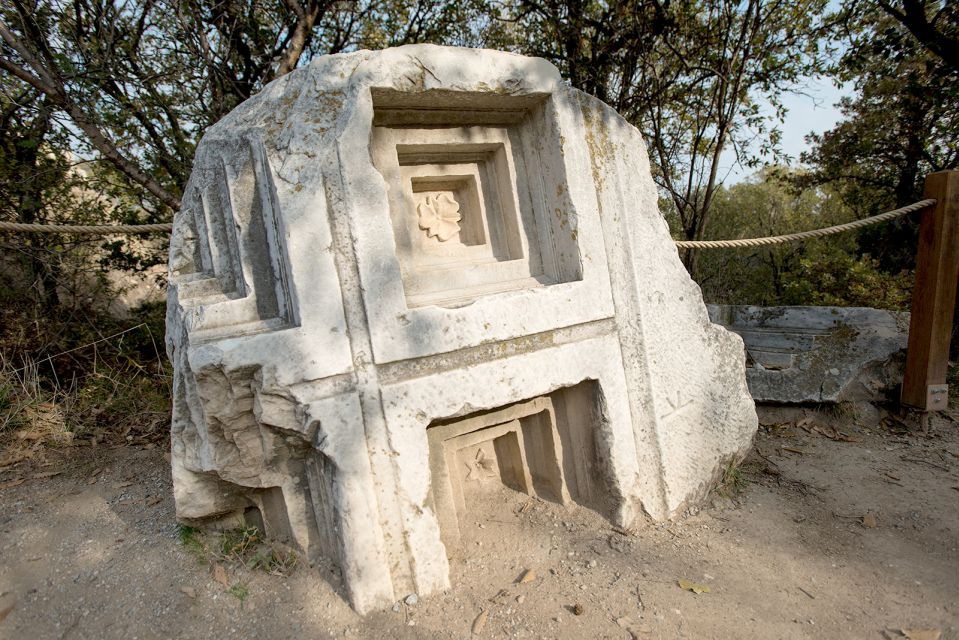
- Troy day that goes past the postcard: you visit multiple layers from Troy I through Troy IX, not just one quick stop
- English guides with personality: guides like Hassan, Charlie, Cindy, and Baruk are repeatedly praised for clear storytelling
- Overnight in Canakkale: you’re not trying to do Troy while your day is already falling apart
- Comfortable transport, long days: A/C minibus helps, but the schedule still runs early and late
- Small walking portion: you’ll walk a bit for viewpoints and ruins, so comfy shoes matter
Gallipoli First Light: Why This Battle Geography Feels Different
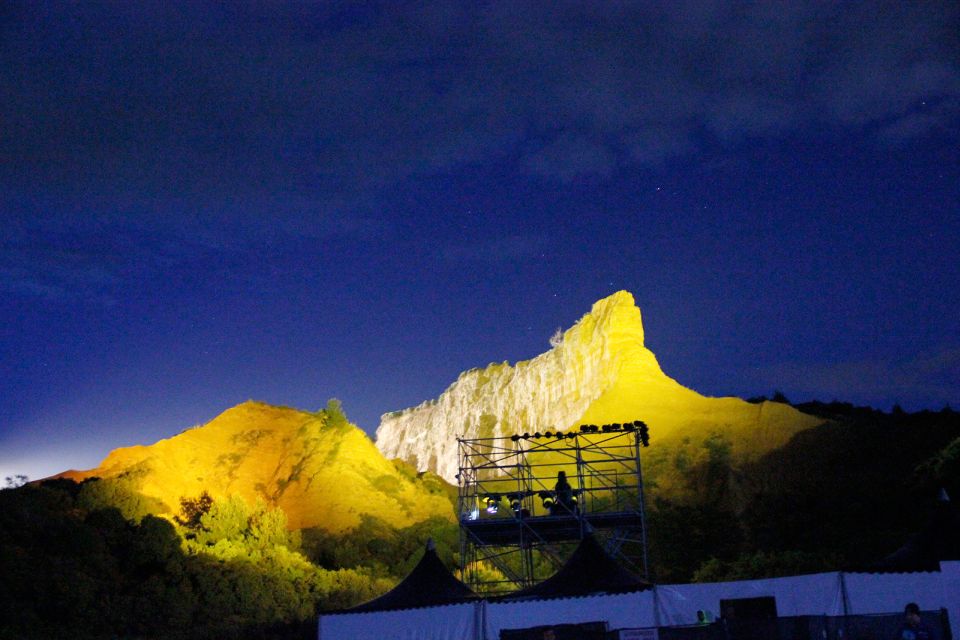
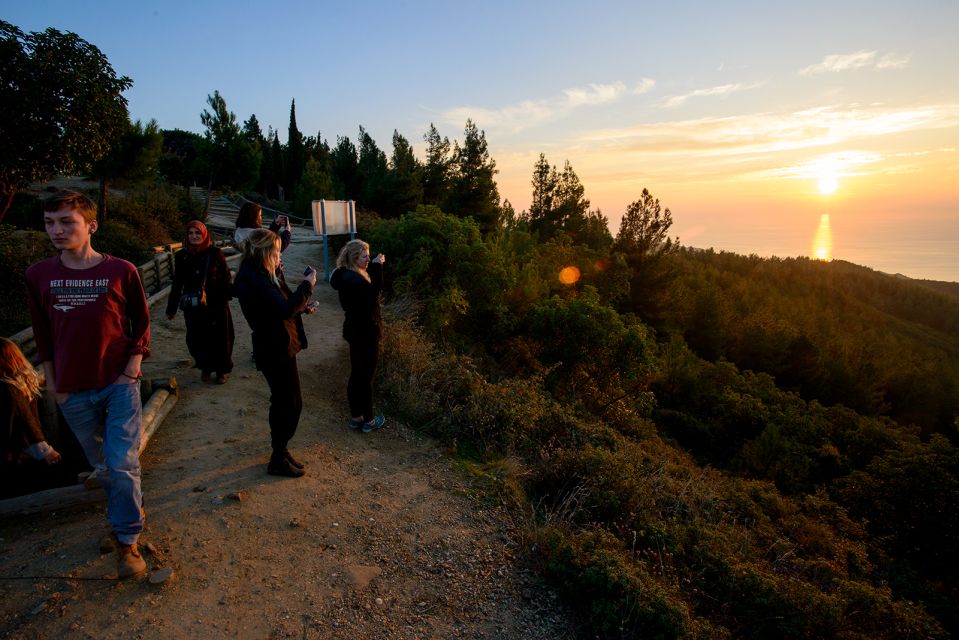
If you’ve only learned Gallipoli through photos, this tour changes the scale. When you stand above the beaches, coves, and ridges, you start understanding how distance, slopes, and confusing terrain shaped what soldiers could actually do. That shift from facts-on-paper to real space is the whole point of a guided battlefield loop.
I also like that the tour doesn’t treat the sites like separate checklist stops. The route builds a mental map: shorelines and cemeteries first, then memorials on high ground, then the trenches and crossing points that connect the story. You’ll get a sense of how the campaign moved—often slowly, often painfully, and often for reasons that weren’t obvious until you see the land.
The emotional tone is understandably solemn at many stops. You don’t need to be a history buff to feel it. You just need to show up early, wear good shoes, and listen to the way your guide explains why these places matter.
A few more Istanbul tours and experiences worth a look



Pickup From Taksim and Sultanahmet: The Early Start Reality Check
This tour is built around a morning launch from Istanbul. If you’re staying in the Taksim area, pickup is between 6:00 AM and 6:20 AM. If you’re in Sultanahmet, it’s between 6:30 AM and 7:00 AM. Pickup and drop-off are included only for hotels in these areas, and there’s no service from the Asian side of Istanbul.
You’ll ride in a non-smoking, air-conditioned minibus. That detail matters because you’ll lose patience faster than you expect when you’re waking up that early, and summer heat or winter chill can turn a long transit into a test. An A/C ride keeps the morning sane.
After pickup, you’ll have a refreshment break around 9:00–9:30 AM, and breakfast is at your own expense. This is your cue to grab food if you need it—because the day tightens once you arrive in the Eceabat area and lunch comes before the guided Gallipoli portion.
Day 1: Gallipoli’s Best Stops, in the Order That Makes Sense
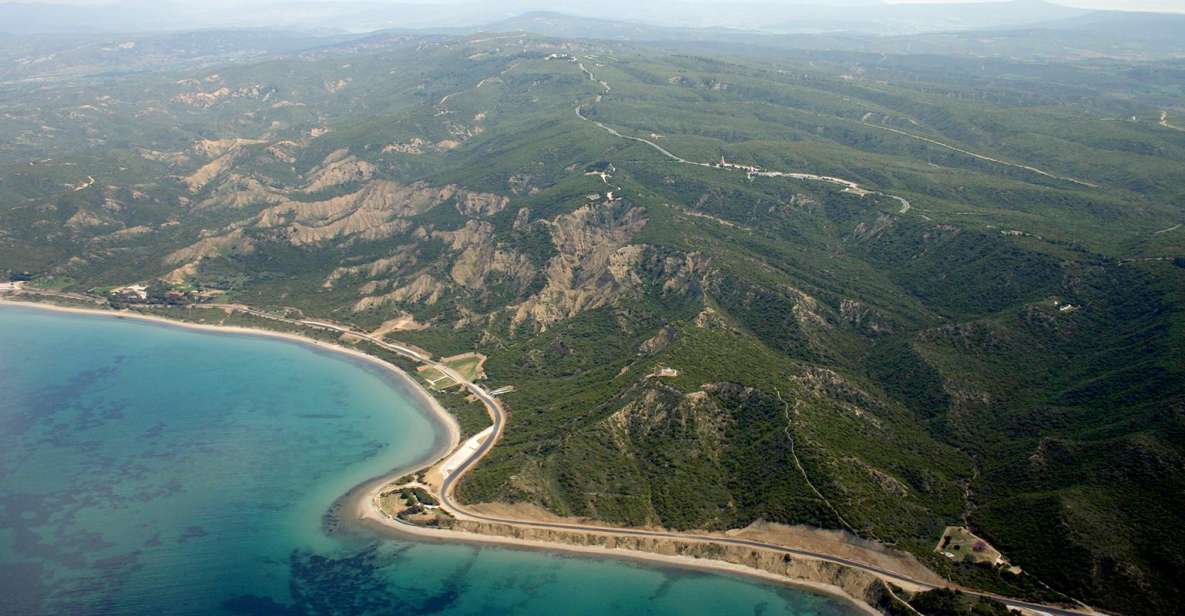
Day 1 is where the tour earns its ticket price. You begin with key shoreline points and cemeteries, then move to the memorials and ridges that explain the campaign’s hardest choices. You’ll also have guided time at each location, so you can look around without feeling like you’re being marched through.
Here’s what the Gallipoli loop feels like stop by stop:
Brighton Beach and Beach Cemetery: Seeing the shorelines first
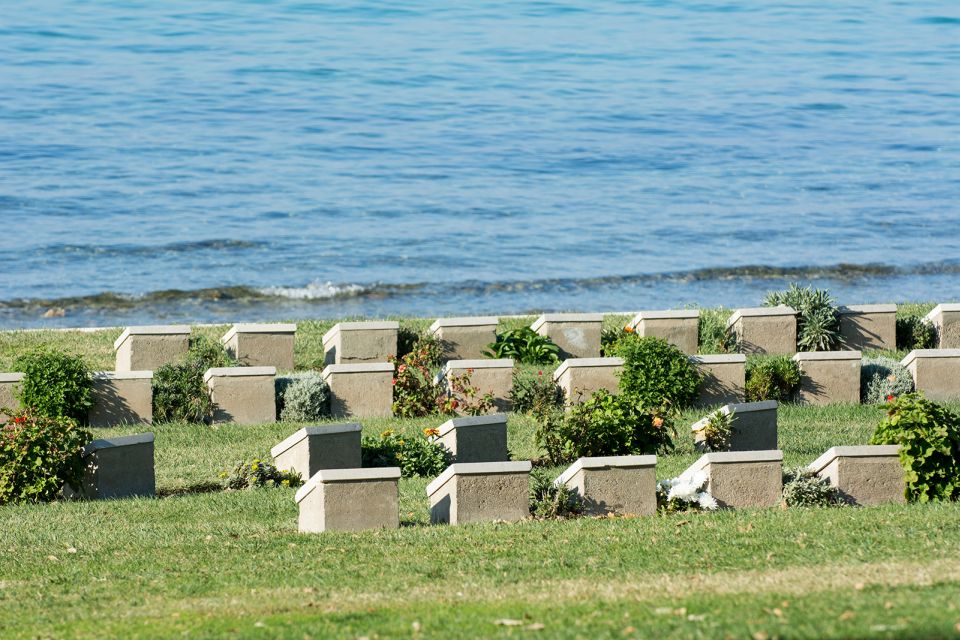
Starting at Brighton Beach sets your bearings. The coastline shapes everything that follows, and it helps to understand the terrain before the guide layers in names and dates. The Beach Cemetery gives you the human scale of the conflict right away—morbid, yes, but it also makes the rest of the day more meaningful.
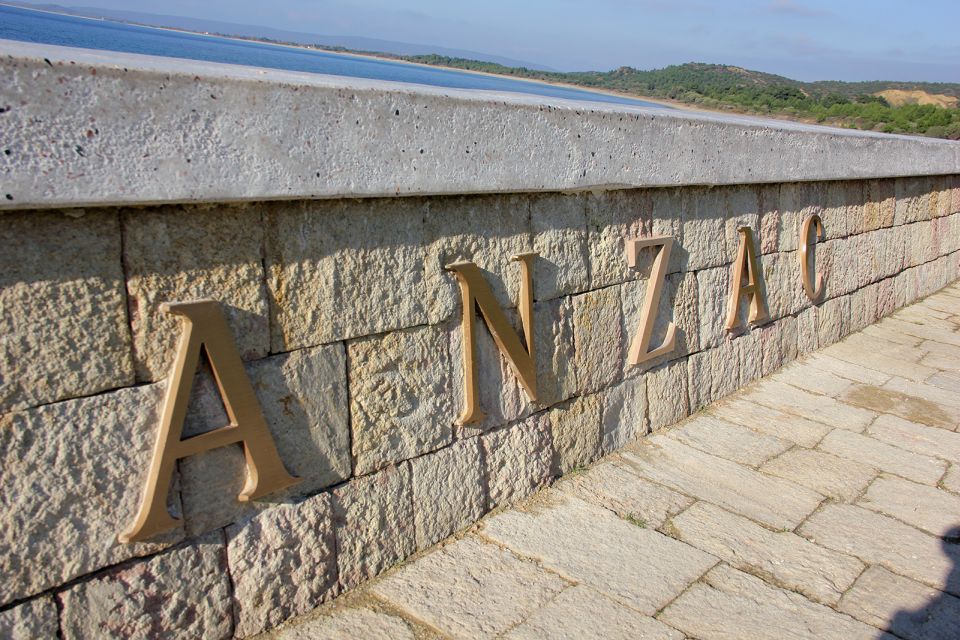
ANZAC Cove and Ariburnu Cemetery: Where the story turns into place
At Anzac Cove, the geography clicks into focus: you can see why these landing areas became symbols. Ariburnu Cemetery then grounds the day in consequence, helping you connect the memorial narrative to real losses.
Guides on this tour have a strong habit of explaining why certain points became rallying points and why some routes were harder than people expect. If you’re coming from a simplified school version, this is where the details start “feeling true.”




ANZAC Commemorative Site, Respect to Mehmetcik Statue, and the dual story
The ANZAC Commemorative Site and the Respect to Mehmetcik Statue are important because they keep the conversation balanced. This isn’t just one side’s story in isolation; the campaign involved multiple armies, and the land remembers all of them. You’ll likely hear your guide compare how both sides viewed the stakes and the costs.
This is also where humor sometimes shows up—depending on your guide—because some guides use light moments to keep the group listening. The tone stays respectful, but your brain gets a break from heaviness.
Lone Pine and Johnston’s Jolly: Memorials that act like navigation markers
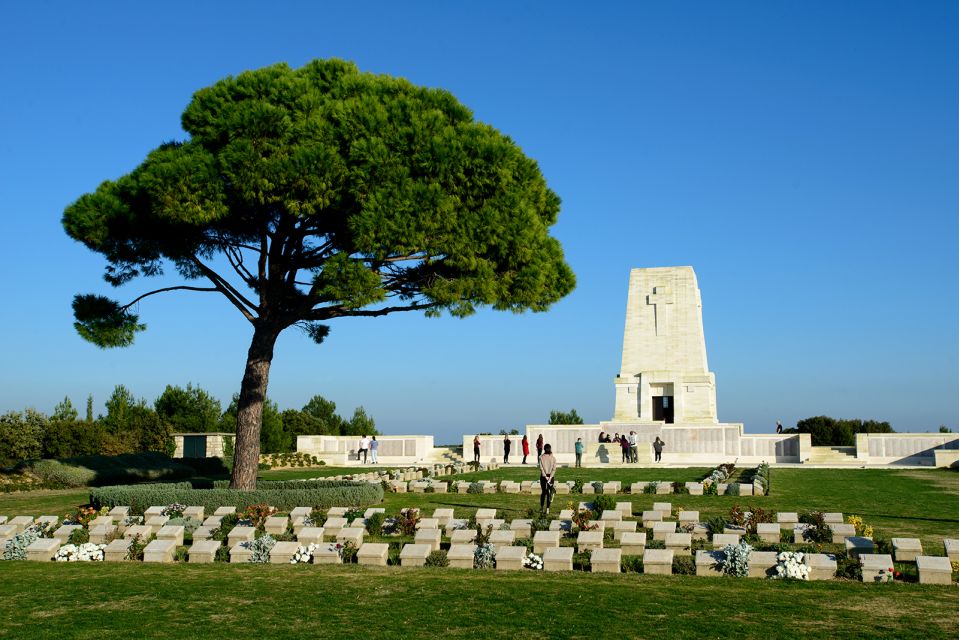
At Lone Pine Australian Memorial, you’re looking at remembrance with a sense of place. It helps you see how memorials function like wayfinding tools—anchors for what happened and where it happened.
Nearby Johnston’s Jolly adds texture through the trench and tunneling story elements. The more your guide explains the practical reality of digging, movement, and surprise, the more those names stop sounding like trivia.
Turkish trenches and cemeteries, then The Nek and Chunuk Bair
The later stretch brings you through Turkish and Allied trenches and tunnels and the Turkish 57. Infantry Regiment Cemetery. These stops help you understand that the battle wasn’t only about grand charges; it was also about survival, communication, and holding ground.
Then comes The Nek and the Chunuk Bair New Zealand Memorial. This is high-ground country, and you feel it in your legs just walking the paths. The payoff is huge: your guide can point out how the ridges shaped visibility, movement, and the odds of success.
By the time the Gallipoli tour ends around 6:00 PM, you’ll likely feel like you’ve been studying a map for hours—except you’re standing on it.
Dinner, Rest, and Canakkale Hotel Comfort That Actually Helps
After the Gallipoli day ends at about 6:00 PM, you check into your overnight hotel. The package includes one night at a 3-star bed-and-breakfast basis or similar, with double or twin share for two people.
This matters more than you might think. With a schedule like this, poor sleep can wreck Day 2 and turn Troy into a blur. Many people praise the accommodation for being comfortable, and some mention specific hotel details like good beds and even balcony views—small comforts, but useful after a long day in the sun.
One practical point: if your room placement puts you near noise sources (like a nearby bar), you might feel it at night. That’s not something you can fully control, but it’s worth knowing if you’re a light sleeper.
Day 2: Troy’s Nine-Layer Story, Not Just the Trojan Horse Photo
Day 2 is gentler in pace but still far from a lazy morning. You’ll be picked up around 1:30 PM from your hotel, then you head out for the Troy sites.
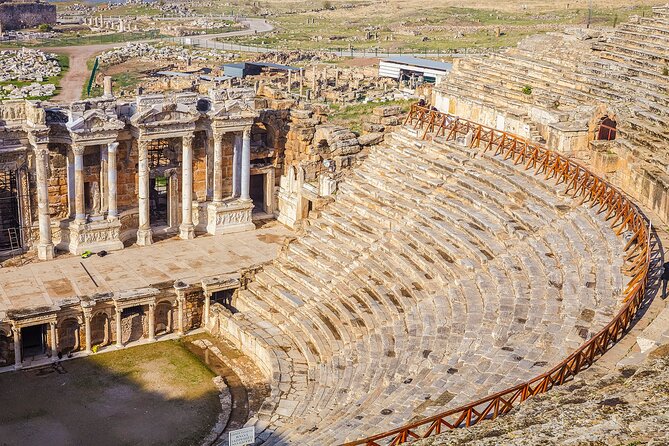
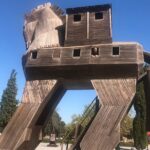
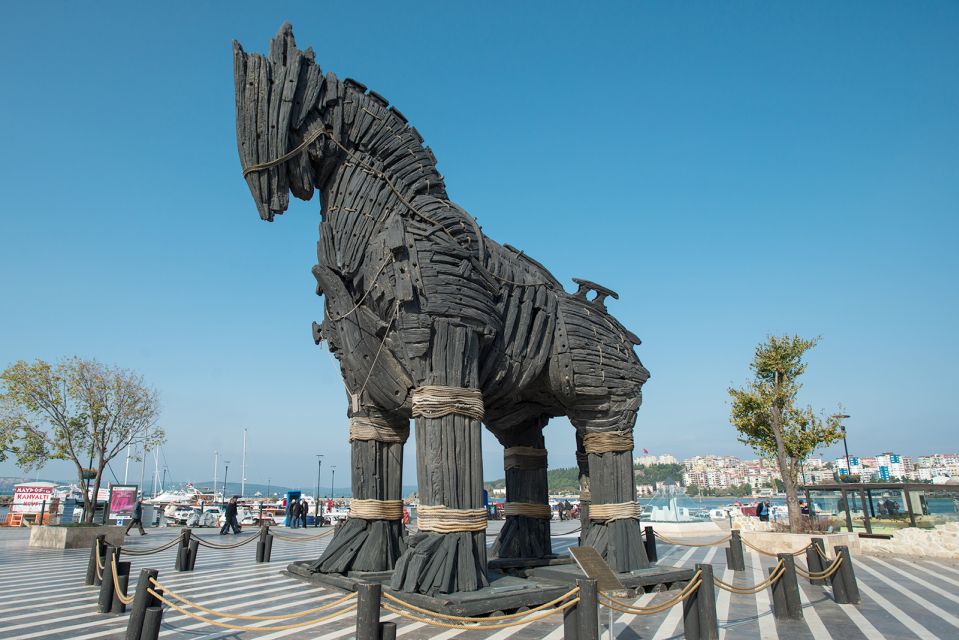
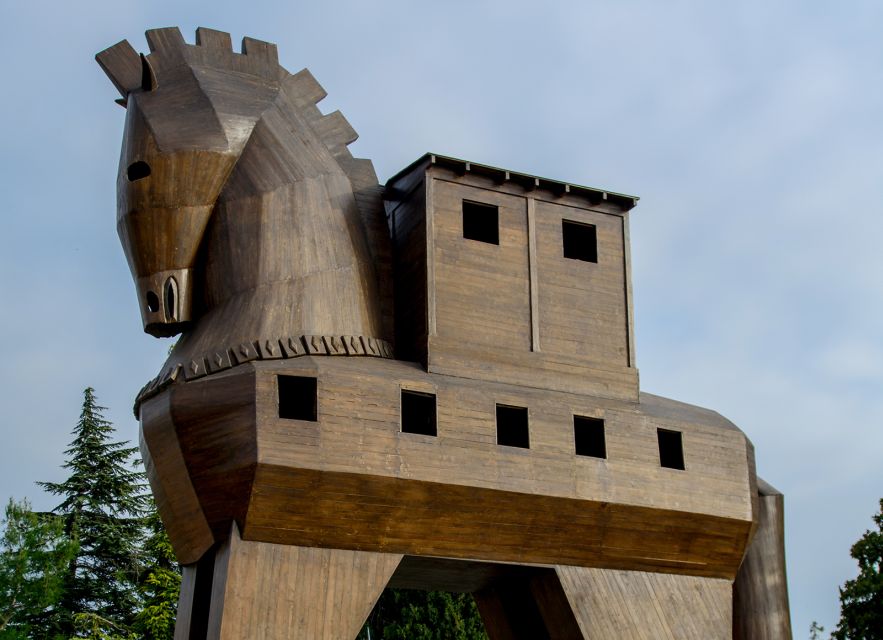
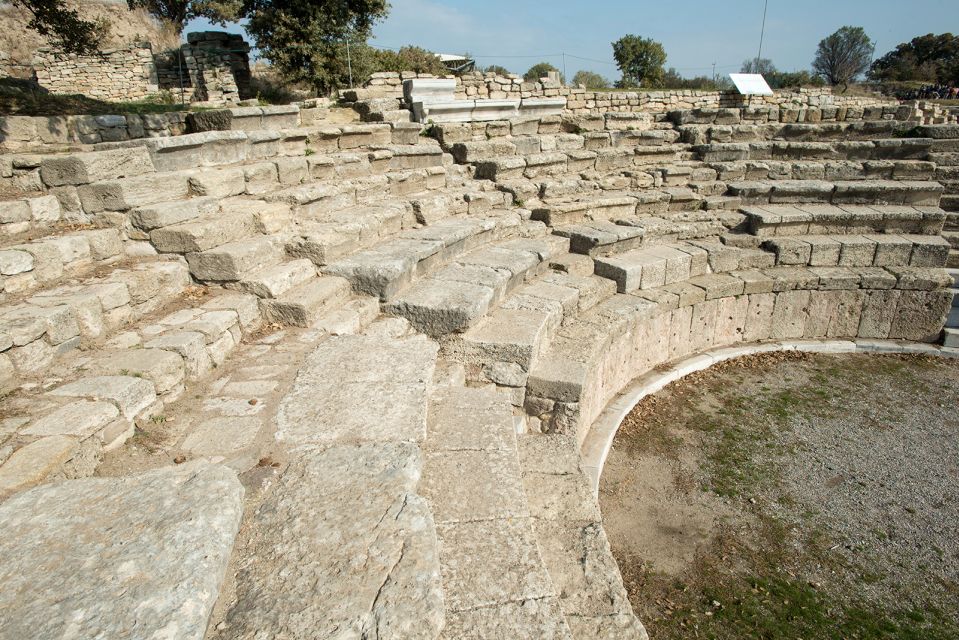
What makes this Troy stop special is how it moves through time. You’re not only seeing one era. You’ll visit the 3700-year-old city walls, the Trojan Horse area, and the Sacrificial Altars, then you’ll step into the built remains—Houses of Troy I, described as 3000 BC to 2500 BC, plus major public buildings like the Bouleuterion (Senate Building) and the Odeon (Concert Hall). The tour also includes the remains of the city across Troy I through Troy IX.
That “layers” approach is exactly what you want if you care about how cities evolve. Troy isn’t one fixed point in time—it’s repeated occupation and rebuilding. When your guide ties the buildings to the periods, the site stops being a pile of stones and starts behaving like a timeline you can walk through.
The biggest practical tip: check how museums fit your priorities
The included sites are the archaeological remains. The package description doesn’t clearly list museum entry. If you’re the type who really wants artifacts and excavation context, consider asking ahead whether you can add the Troy museum experience on your own schedule.
Some travelers have reported that museum access didn’t line up with expectations, and the fix came down to staff helping on the day. You’ll avoid stress if you confirm this before you go.
The Long Bus Back to Istanbul: Plan for the tired-hours
After Troy, the tour heads back to the Canakkale area around 4:45 PM, then you board the bus to Istanbul at 5:30 PM. You’ll arrive around 11:00 PM and get dropped off at your hotel.
The bus ride is comfortable enough in the A/C sense, and it’s a sensible way to close the trip. The drawback is the sheer time. If your body hates late returns, consider what you’ll do after you get dropped off. Have a plan: snacks, quick shower, and an early sleep. You don’t want to schedule anything important the next morning.
If you’re traveling on a day with heavier traffic, you can expect a bumpier experience than you’d see with ideal timing. The tour runs on a timetable, so you don’t control that part.
Price and Value: What $378 Typically Covers (and What It Doesn’t)
At $378 per person for two days, the value comes from the bundle. You’re paying for:
- hotel pickup and drop-off from the Taksim/Sultanahmet zones (not the Asian side),
- a full-day guided Gallipoli tour with an English-speaking guide,
- an overnight at a 3-star bed-and-breakfast setup,
- entry fees, one included lunch, and
- transportation in a non-smoking, A/C minibus.
What’s not included is also clear: drinks during meals, and your breakfast during the morning stop. There are also your personal choices—if you want museum time or extra snacks, you’ll spend a bit more.
Is it “cheap”? No. But it’s not just paying for sights. You’re paying for a guide who can translate the terrain and a logistics setup that removes the headache of coordinating Istanbul-to-Gallipoli-to-Canakkale-to-Istanbul yourself. For many people, that’s exactly where the money goes—into time saved and clarity gained.
Who This Tour Fits Best (and Who Should Rethink It)
This experience suits you if you want:
- a guided Gallipoli day that connects memorials, cemeteries, and trench areas into one story,
- a second day in Troy that covers multiple eras rather than a quick walk-through, and
- Istanbul-to-coast transport without juggling rental cars or schedules.
It’s also a good fit if you’re traveling with friends and want a shared, structured plan. Your guide spends time at stops, and English interpretation is part of the package.
You might rethink it if:
- you hate early mornings (pickup starts around 6:00–6:30 AM),
- you’re sensitive to long late returns (drop-off around 11:00 PM),
- you want a fully free, self-paced day in Troy with no fixed order.
Should You Book This Gallipoli and Troy 2-Day Tour?
Book it if you want clarity more than novelty. The biggest strength is how the itinerary is built around the land itself—Gallipoli’s coasts and ridges, then Troy’s layered ruins—explained by guides who can make the story feel coherent.
I’d especially recommend it for first-timers to Gallipoli, people who want a balanced perspective, and anyone who appreciates a guide who brings facts to life without turning the day into a lecture. If you can handle two long travel days and you’re okay paying extra for breakfast and drinks, this is a strong value way to see two iconic places in one tight package.
FAQ
Where does pickup happen in Istanbul?
Hotel pickup and drop-off are included only for hotels in the Taksim and Sultanahmet areas. There is no pickup/drop-off service from the Asian side of Istanbul.
What time is pickup on the first morning?
For the Taksim area, pickup is between 6:00 AM and 6:20 AM. For Sultanahmet, pickup is between 6:30 AM and 7:00 AM.
How do you travel to Gallipoli and between stops?
You travel by air-conditioned, non-smoking minibus. The tour includes transportation during both guided days.
What kind of hotel stay is included for the night?
You get one night at a 3-star bed-and-breakfast hotel (or similar). Rooms are typically double or twin share for two people.
Are meals included beyond lunch?
Lunch is included on Day 1. Breakfast is not included, and there’s a refreshment break around 9:00–9:30 AM where breakfast is at your own expense. Drinks during meals are not included.
Is there an English-speaking guide?
Yes. The tour includes a live tour guide in English during the guided portions.
What are some key stops on the Gallipoli day?
The Day 1 guided route includes Brighton Beach, Beach Cemetery, ANZAC Cove, Ariburnu Cemetery, Lone Pine Australian Memorial, Johnston’s Jolly, The Nek, and the Chunuk Bair New Zealand Memorial, among other sites.
What do you visit on Day 2 at Troy?
Day 2 includes the Trojan Horse area, Sacrificial Altars, the 3700-year-old city walls, Houses of Troy I, the Bouleuterion, the Odeon, and remains across Troy I through Troy IX.
Is vegetarian food available?
Yes. Vegetarian food is available, but you should advise the operator during booking.
What’s the cancellation policy?
You can cancel up to 24 hours in advance for a full refund. There’s also a reserve now & pay later option for flexibility.