REVIEW · ISTANBUL
Bohemian Istanbul: Fener and Balat’s Charm-Private Walking Tour
Book on Viator →Operated by Food Trail Istanbul Tours · Bookable on Viator
Istanbul’s quieter churches hide in plain sight. This private Fener and Balat walking tour strings together late-antique walls, Byzantine corners, and everyday neighborhoods where religious life is still part of the rhythm. Two things I really like: it’s just your group (up to 8), and it includes skip-the-line priority for museum tickets so you spend more time walking and less time waiting.
The only catch is the day is physically demanding. You’re on your feet for about 5 hours, with steep hills and a lot of uphill going, so good shoes are non-negotiable. Also, the guide name Ali Bey comes up for a reason: he’s the kind of guide who keeps the day tight and shares lots of photos after the tour.
In This Review
- Key Highlights You’ll Feel Immediately
- Why Fener and Balat Still Feel Local, Not Museum-Like
- Private Tour, Pickup Zones, and What $250 Really Means
- Theodosius Land Walls: Istanbul’s Defensive Grit
- Vlaherna Meryem Ana Church and the Hagiasma Holy Water
- Ahrida Synagogue: The Mosaic Story You Don’t Expect
- St Stephen of the Bulgarians: The Cast-Iron Church on the Golden Horn
- The Greek Orthodox Red School: Learning for Ottoman-Era Families
- Fener and Balat Streets: Churches, Old Houses, and Photo-Friendly Corners
- Fener Rum Patrikhanesi: The Greek Orthodox Patriarchate Behind the Golden Horn Sea Walls
- Tekfur Palace: The Byzantine Palace You Can Still Walk Around
- Pace, Shoes, and the Reality of a 5-Hour Walk
- Who This Tour Fits (and Who Might Want Another Option)
- Should You Book This Private Fener and Balat Tour?
- FAQ
- How long is the Bohemian Istanbul Fener and Balat private walking tour?
- How many people are on the tour?
- Where is pickup available?
- What language is the tour offered in?
- Is transportation included?
- Are museum tickets included?
- What is the cancellation policy?
Key Highlights You’ll Feel Immediately
- Private, group-only format for up to 8 people, so the pace fits you
- Late-antique to Byzantine to Orthodox in one focused Golden Horn area route
- Free-entry stops at multiple churches and neighborhood sights (per the tour outline)
- Cast-iron St Stephen’s Church and other unusual architecture that you won’t guess from the outside
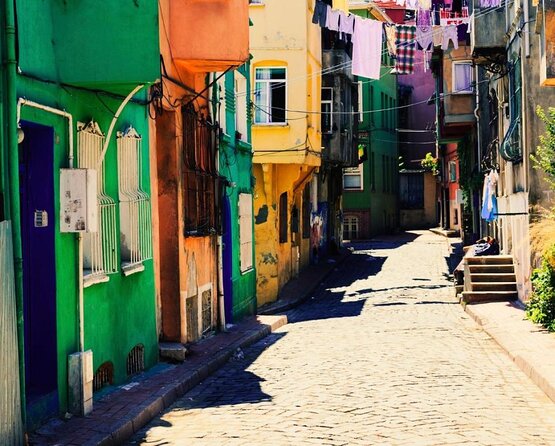
- Golden Horn viewpoints mixed with photo-friendly street scenes in Fener and Balat
- Extra access when possible, like getting into a nearby church if timing allows
Why Fener and Balat Still Feel Local, Not Museum-Like
Fener and Balat are the kind of Istanbul neighborhoods that make you slow down. You’re not stuck in a single landmark zone. Instead, you move through side streets where churches sit near everyday storefronts, and older wooden houses frame the view—often with enough color to make your camera roll feel underworked.
What makes this tour work is the balance. You get the headline monuments, but you also get the neighborhood logic: why these places were important to Greek Orthodox and Jewish communities, and how the area’s identity shows up street by street today. In a city that can sometimes feel all monument, this route keeps you in contact with how the area still lives.
You can also read our reviews of more walking tours in Istanbul



Private Tour, Pickup Zones, and What $250 Really Means
This is a private tour for your group, priced at $250 per group (up to 8). That matters because you can split the cost if you have a small crew, and you also get a guide who can adjust for your pace, photo stops, and questions without turning it into a cattle-line experience.
Pickup is offered from centrally located hotels in Sultanahmet, Sirkeci, Karaköy, and Taksim. If your hotel is farther out, you’ll set a meeting point after booking. Transportation isn’t included, but most of the tour is walking—so build your day around getting there and then staying on foot.
One more practical note: it’s offered in English, and you can get a mobile ticket. Service animals are allowed, and the listing says most travelers can participate—just be honest with yourself about hills and walking time.
Theodosius Land Walls: Istanbul’s Defensive Grit
The day opens at a piece of history that’s easy to overlook until someone explains what you’re looking at. The Theodosius Land Walls were built in the 5th century, during the early reign of Emperor Theodosius II (408–450). The key point is endurance: these walls held attacks until 1453.
Standing near late-antique fortifications in Istanbul has a special feeling. These aren’t “decorative ruins.” They’re built for force, and the scale makes that clear. Your guide’s framing helps you see the walls as part of a bigger story—how power, threat, and geography shaped the city long before the Ottoman period you might know best.
This also sets the tone for the rest of the walk. You start with a big defensive idea, and then the tour shifts toward smaller sacred spaces and neighborhood life that grew in the shadow of the walls.
Vlaherna Meryem Ana Church and the Hagiasma Holy Water
Next comes Vlaherna Meryem Ana Church, near the northern tip of the Theodosius walls. The church is linked to Empress Pulcheria and her husband, Emperor Marcian, and it was built around 450–453—which is a big reason the site feels weighty even though it’s described as a small shrine.
The standout detail is the Hagiasma, the fountain of holy water. The idea is that water flowed out from the marble statue of the Virgin Mary’s hands. Even if you don’t treat the site as religious in the personal sense, it’s still powerful to see how faith, art, and daily ritual were built into a space you can visit.
This stop is about 45 minutes, with admission listed as free. Use the time well: look at the layout, notice how the church sits by the walls, and take your photos before the walking momentum pulls you forward.
Ahrida Synagogue: The Mosaic Story You Don’t Expect
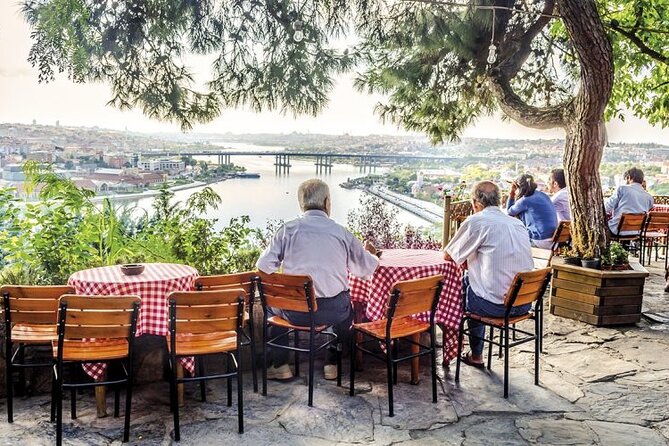
Istanbul hides religious variety in plain sight, and the Ahrida Synagogue is a great example. It dates to the early 15th century, and the tour highlights its mosaic as a major feature.
This is the kind of stop that changes how you picture the city. In many places, you get one “dominant” narrative. Here, you’re reminded that Ottoman-era life included multiple faith communities in the same urban fabric, and that artwork like mosaics helped create beauty inside everyday worship spaces.
This is also a smart tempo shift. After walls and church history, you pause for an interior-focused kind of detail. If you like architecture and religious art, this is one of the most rewarding spots.
You can also read our reviews of more private tours in Istanbul

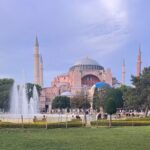

St Stephen of the Bulgarians: The Cast-Iron Church on the Golden Horn

Then you reach one of the tour’s most surprising architecture stories: St Stephen of the Bulgarians Church (often referred to as Sveti Stefan). It’s described as a cast iron church on the Golden Horn.
Here’s the detail that makes it click: the church consists of poured iron slabs that were floated on cargo ships from Vienna, down the Danube, across the Black Sea, through the Bosphorus, and then mounted on site. That route alone gives you a sense of engineering ambition.
Visually, cast iron can look less “romantic” from far away than stone churches, but up close the structure and design make sense. You’re basically watching industrial-era logistics meet sacred space.
This stop is about 45 minutes, with admission listed as free. Plan to take your time, because the story is in the details and the design choices.
The Greek Orthodox Red School: Learning for Ottoman-Era Families
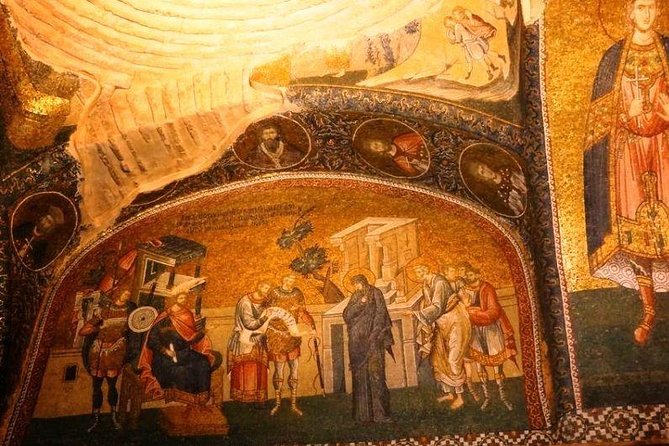
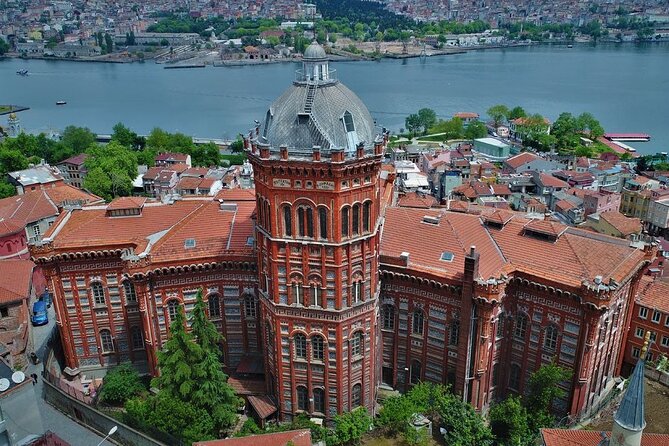
Next up is the Red School, a Greek Orthodox school building tied to the Ottoman Empire’s community networks. The tour points out that it’s one of the few remaining Greek Orthodox schools, and that it educated children of prominent Greek and Bulgarian families.
From a travel perspective, I love stops like this because they show a different kind of power than churches and walls. Education is a quieter driver of community continuity. You don’t have to be a architecture nerd to appreciate the mismatch that often happens in cities: a school building can look almost out of place in the neighborhood around it, which is exactly why your guide’s explanation matters.
This is one of those “pause and notice” stops. You’ll get the exterior focus, and you’ll leave with a better mental map of how Greek Orthodox community life operated beyond worship.
Fener and Balat Streets: Churches, Old Houses, and Photo-Friendly Corners
At the heart of the tour is time in Fener and Balat themselves. This area was once centered on Greek Orthodox and Jewish communities. Today, it’s known for vintage stores, designer cafés, and colorful old wooden houses, plus plenty of churches that keep the neighborhood tied to its past.
The tour’s job here isn’t to turn you into a shopper. It’s to let you understand the neighborhood feel. Walk slowly, watch street-level changes from building to building, and notice how churches and historic structures interact with modern use.
One practical tip: treat this hour like your photo buffer. If you want shots that show street context (not just close-ups), this is the moment to focus on them.
Fener Rum Patrikhanesi: The Greek Orthodox Patriarchate Behind the Golden Horn Sea Walls
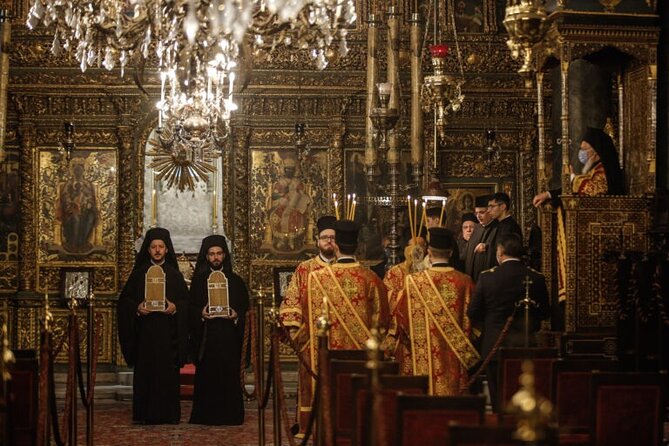
The next big chapter is the Fener Greek Orthodox Patriarchate (Fener Rum Patrikhanesi). The tour describes it as the spiritual center of the Greek Orthodox world since around 1600, which gives the site a scale beyond Istanbul.
You’ll also learn what’s going on around the main complex: it sits behind sea walls fronting the Golden Horn. Inside the compound, the tour highlights the 19th-century Patriarchal Church of St George.
This isn’t just a photo stop. It’s a chance to understand what “spiritual center” means in physical form. Buildings, walls, and compound layout reflect authority and protection, while the church itself ties the place to worship tradition.
This stop is about 45 minutes, with admission listed as free. Use the time to observe the space between outside bustle and inside calm—the contrast is often the lesson.
Tekfur Palace: The Byzantine Palace You Can Still Walk Around
Late in the tour you reach Byzantine Tekfur Palace, described as the only surviving structure of the Blakernia Palace. The palace was used mostly between the 11th and 15th century, and Tekfur is positioned just within Istanbul’s city walls near the Edirnekapı gate.
What makes Tekfur special is that it’s a three-story Byzantine palace, and the tour notes it’s the only Byzantine palace left standing in the world. That kind of statement is worth taking seriously: when something is truly unique, even small details feel like part of the point.
This stop is where the day’s “eras” line up. You’ve seen late-antique walls, older church sites, and community religious variety. Tekfur is a visual reminder of what palace life looked like in the Byzantine era, right up against later city layers.
Pace, Shoes, and the Reality of a 5-Hour Walk
Here’s the honest logistics: this is a walking tour with steep hills. The route mixes neighborhoods and historical structures, so it’s not flat city strolling. If you’re the kind of person who gets shin pain on long days, bring a plan—good shoes, and maybe a blister kit.
Also, keep your energy for the last third of the route. It’s tempting to think you’ll “power through” until you’re tired in the wrong places—like when your legs are already cooked and your eyes still want good photos at Tekfur. If you can, use the quiet indoor moments (like church and synagogue visits) as reset points.
The good news: because it’s private, your guide can manage pacing around access and timing. You’re not stuck with a rigid group speed.
Who This Tour Fits (and Who Might Want Another Option)
I’d suggest this tour if you want a neighborhood-focused Istanbul day that still hits major religious and historic sites. It’s ideal for:
- couples and families who want a private guide instead of a large group
- people who like architecture stories and faith history side by side
- travelers who enjoy walking enough to make the city feel real
It might not be ideal if:
- you have limited mobility or strong sensitivity to hills
- you prefer short, stop-and-go sightseeing over long walking routes
- you’re hoping for a low-effort day with lots of sitting time
Should You Book This Private Fener and Balat Tour?
If you care about seeing Istanbul as more than a list of big monuments, this is a strong choice. The value comes from three places: private guiding, a route that ties together multiple eras (late-antique walls through Byzantine palace), and a neighborhood hour where Fener and Balat feel like a living place—not a postcard.
One final check before you book: make sure you’re comfortable with a lot of walking and steep sections. If that’s okay, you’re in for a day that connects streets to architecture to faith, with a guide like Ali Bey who can also help with photo-heavy moments and extra access when the day allows it.
FAQ
How long is the Bohemian Istanbul Fener and Balat private walking tour?
It’s approximately 5 hours.
How many people are on the tour?
It’s a private tour for your group alone, up to 8 people.
Where is pickup available?
Pickup is offered from centrally located hotels in Sultanahmet, Sirkeci, Karaköy, and Taksim. For non-central hotels, a meeting point can be set after booking.
What language is the tour offered in?
The tour is offered in English.
Is transportation included?
No. Transportation is not included.
Are museum tickets included?
Museum tickets are not included, but the tour includes skip-the-line priority for museum tickets.
What is the cancellation policy?
Free cancellation is available. You can cancel up to 24 hours in advance for a full refund.