REVIEW · ISTANBUL
5-Day Best of Cappadocia, Pamukkale and Ephesus
Book on Viator →Operated by City of Sultans · Bookable on Viator
Cappadocia and Ephesus in five days. This Turkey sampler is built for people who want the big highlights without the hassle of planning every leg, with guided sightseeing across UNESCO sites and all-included ground transportation. You also get two nights in a cave hotel in Cappadocia, so the trip feels like more than a checklist.
I like the combo of structured stops plus breathing room between them, especially in Cappadocia where the views and rock formations do most of the storytelling. I also really value that your package includes 4 breakfasts and 4 lunches, so you’re not budgeting and deciding meals on the fly.
One thing to think about: entrance fees aren’t included, and the schedule involves plenty of walking through valleys and archaeological areas, including the underground city. Budget for extra admissions and wear shoes you can walk in comfortably.
In This Review
- Key highlights at a glance
- The big idea: why this Turkey route feels easier
- Price and value: what you pay for (and what you still budget)
- Day 1 in Cappadocia: fairy chimneys, Avanos crafts, and Goreme cave churches
- Cave-hotel reality check: what the “cave stay” actually means
- Day 2: Red Valley views, Cavusin atmosphere, Pigeon Valley walks, and Derinkuyu underground
- Day 3 in Kusadasi: a calm base for the Aegean ruins
- Day 4: Hierapolis + Pamukkale travertines (Roman ruins meet thermal pools)
- Day 5: Ephesus downhill walk, Meryemana, and the Temple of Artemis
- Small-group pacing, real-world tips, and staying in control
- Who this tour suits best (and who may want to adjust expectations)
- Should you book this 5-Day Best of Cappadocia, Pamukkale and Ephesus?
- FAQ
- What is the duration of the tour?
- What does the $1,199 price include?
- Are entrance fees included for the sites?
- Is pickup available in Istanbul?
- What language is the tour offered in?
- Is a mobile ticket provided?
- How large is the group?
- How does the tour end?
- Is cancellation free if plans change?
- Is this tour suitable for most people?
Key highlights at a glance
- Cave-hotel nights in Cappadocia for an authentic, in-the-rock stay
- Small group size (max 15), which usually means better timing and less waiting
- Guided Ephesus downhill route, built around major landmarks like Celsus Library and the Great Theater
- Pamukkale travertines + Hierapolis sites on the same day for efficient sightseeing
- Derinkuyu Underground City to swap daylight fairy chimneys for real subterranean life
The big idea: why this Turkey route feels easier
This is a “best of” format done in a sensible order: central Anatolia first (Cappadocia), then southwestern Turkey (Aegean coast and nearby ruins), with Pamukkale in the middle. Instead of you figuring out connections and local transport day by day, you get pickup from central Istanbul areas and then ground transportation handled along the way.
The other nice part is that the stops are the kind you’d want even if you had all day—fairy chimneys in Cappadocia, then Roman-era highlights at Hierapolis and Ephesus. This tour doesn’t try to squeeze in obscure sites that most people skip.
A few more Istanbul tours and experiences worth a look

Price and value: what you pay for (and what you still budget)
At $1,199 per person, you’re paying for more than sightseeing. Your price includes domestic/internal flight tickets, 4 nights of accommodation, and 4 breakfasts + 4 lunches, plus guided transfers between regions.
What’s not included is the part that can surprise people: entrance fees to museums and sites. Ephesus, Pamukkale/Hierapolis areas, and the underground city can each add up, so it’s smart to plan a separate budget for admissions before you go. If you prefer knowing costs ahead of time, this is your main “heads up.”
Also note the group setup: the tour is limited to up to 15 travelers and runs in English. That smaller cap often makes timing smoother when you’re moving between major sites.
Day 1 in Cappadocia: fairy chimneys, Avanos crafts, and Goreme cave churches
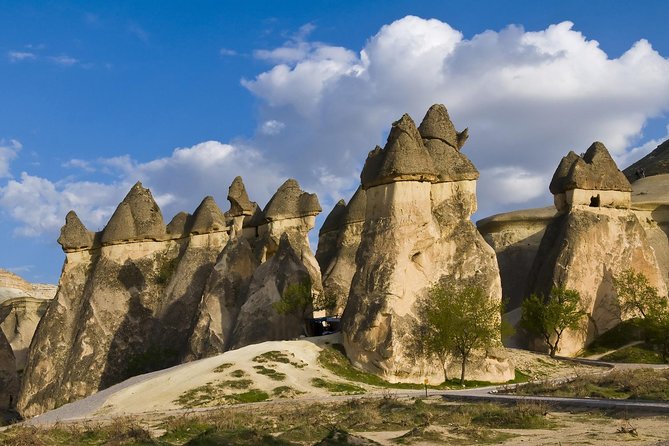
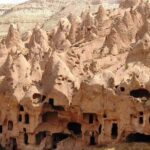
Day 1 is all about the Cappadocia “wow” factor, split into multiple valley and viewpoint stops. You’ll start with Cappadocia itself, an area famous for its cone-shaped rock formations—often called fairy chimneys—and the way history layers onto the geology.
From there, you’ll visit Devrent Valley, where the goal is to spot those distinctive shapes. Then you move to Pasabag, known for mushroom-shaped pinnacles. These two stops work well together: one sets the scene, the next helps you focus on the most dramatic chimney forms.
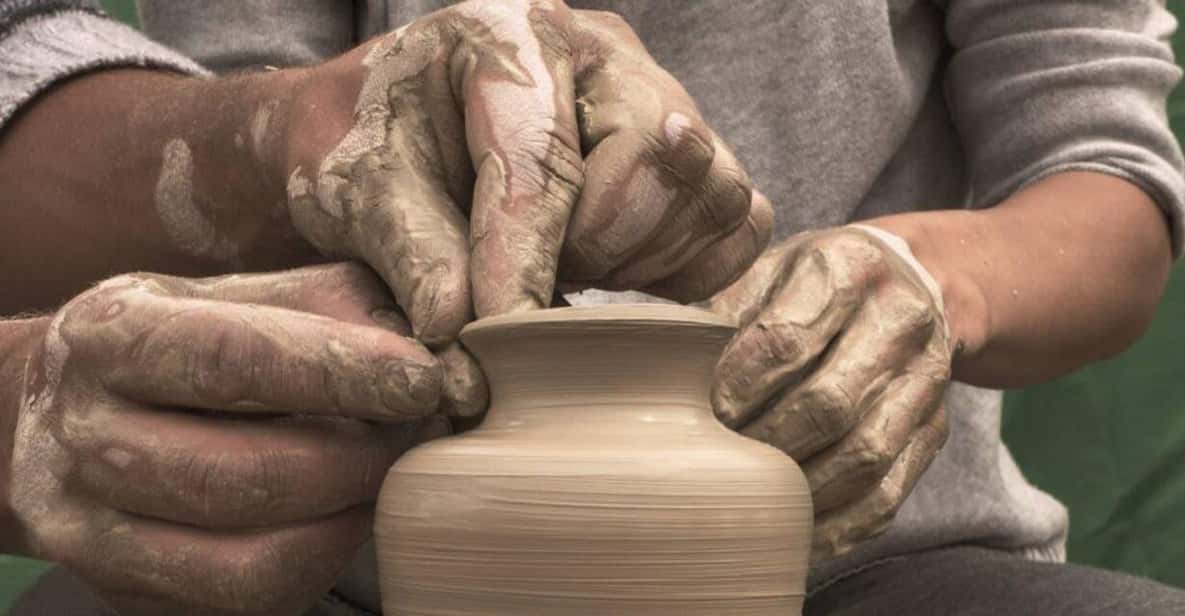
Next up is Avanos, a practical change of pace from nature-heavy stops. Avanos is known for pottery and also for crafts like weaving (along with local agriculture and wine cultivation). If you like souvenirs that feel tied to place, this is the kind of stop where shopping actually makes sense.
Then you go into Goreme National Park, including cave churches linked to early Christians. This is where Cappadocia stops being just geology and becomes a story about how people lived and worshipped in rock shelter. The museum and cave-church environment can be a bit dim and uneven underfoot, so keep an eye on footing.
You’ll finish with Uchisar, a village with a castle-like rock formation and panoramic views over the area. Uchisar is great for photos, but also good for resetting your legs before tomorrow.
Practical note for Day 1: most of these places reward slow walking and pausing. If you rush, you’ll miss the small details in the rock shapes and the different layers of caves.
Cave-hotel reality check: what the “cave stay” actually means
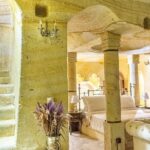
The tour includes two nights in a cave hotel in Cappadocia. In one commonly used option, the cave experience is described as “boutique” and very close to town, with breakfasts that people tend to rate highly.
That same stay also came with a reality check: no A/C was noted. If you’re sensitive to heat, plan around that with light clothing and a fan if available. Cave rooms also tend to have a different air feel—cooler in some conditions, damp in others—so it’s worth bringing travel-friendly habits like a small towel and breathable layers.
You’ll also likely appreciate that the cave hotel style is part of the experience. You’re not just sleeping near Cappadocia’s scenery—you’re inside it.
Day 2: Red Valley views, Cavusin atmosphere, Pigeon Valley walks, and Derinkuyu underground
Day 2 keeps Cappadocia’s “formation variety” theme going. Red Valley is another fairy-chimney spotlight, and it’s shorter on paper than some days while still delivering strong photo angles. If you want to stretch your legs without turning the day into a trek marathon, this is a good fit.
Then you head to Cavusin, described as having a more mysterious, time-tested atmosphere. This is the kind of stop where the path and the rock textures matter as much as any single landmark.
After that comes Pigeon Valley, which is a walking-and-hiking type of area. The big advantage here is space: you’re not boxed into a single monument. If you enjoy casual trekking, this is one of the better moments of the trip to enjoy the open air and pick your own pace.
The day’s biggest contrast arrives with Derinkuyu Underground City. This is one of the famous subterranean networks in the region and is part of UNESCO-listed protection. Expect a cool shift from daylight valleys to tunnels and rooms carved into the earth. Because admissions here aren’t included, you’ll want to treat your underground stop as a paid extra unless your ticket bundle happens to cover it.
Practical note for Day 2: underground areas can be slippery and require attention to stairs. I’d wear shoes with good grip and avoid anything too soft-soled.



Day 3 in Kusadasi: a calm base for the Aegean ruins
Day 3 is a transition day that brings you to Kusadasi, a coastal town on the Aegean Sea known for cruise connections. It’s also close to Ephesus—about 15 km—so it works well as a staging point for ancient sites without staying in the middle of the ruins area.
This day is mainly about settling in. Having a base near the action can reduce stress: fewer long transfers, less “where do we sleep tonight?” stress, and more energy for Ephesus and the Virgin Mary’s house on later days.
In at least one common setup for this part of the route, people reported staying at a clean, safe 3-star boutique hotel in a walkable location with shops and places to eat nearby. That kind of convenience matters, especially at night when you want an easy dinner without planning a whole excursion.
Day 4: Hierapolis + Pamukkale travertines (Roman ruins meet thermal pools)
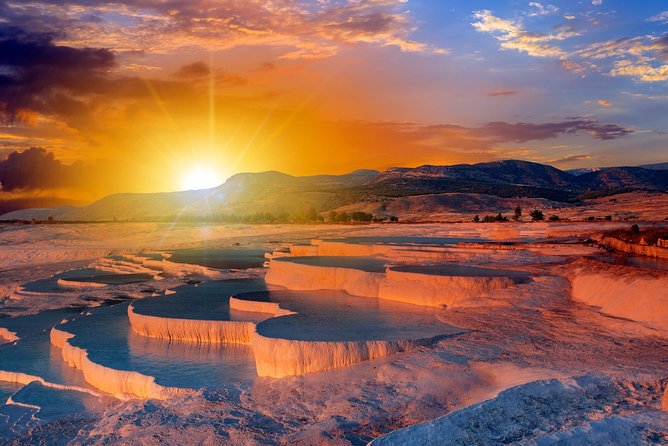
Day 4 is the day most people picture when they think of Pamukkale: white travertine terraces and thermal water. But this route pairs Pamukkale with Hierapolis, so you’re not only looking at a spa-like view—you’re also moving through Roman-era remains.
You start with Hierapolis & the Pamukkale area, where the site connections to the ancient city setting come through. The stop description includes travertines (often compared to a cotton castle) and highlights like the “walk among the sarcophaguses and Roman remains” vibe.
Then you move to Pamukkale Thermal Pools, where the main experience is the visual effect of the terraces and the opportunity to walk through the area. There’s also a strong connection to the idea of the site being both ancient and thermal—meaning you’re walking through history while surrounded by the look of fresh water.
Crowd reality check: one famous spot in Pamukkale is the so-called Cleopatra Pool, and it can feel crowded. If you find that area packed, you can still enjoy the travertine walks and thermal views without treating one single pool as the whole event.
Practical note for Day 4: the travertines are visually dramatic but can be slippery. Bring footwear you trust on wet surfaces, and plan for time in sun—this is a daytime-heavy stop.
Day 5: Ephesus downhill walk, Meryemana, and the Temple of Artemis
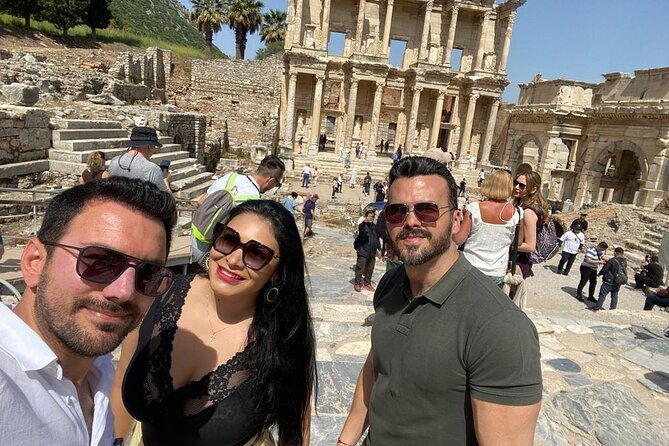
Day 5 is your big ancient finish, and it’s designed around a guided, slow downhill walk through Ephesus. You enter through the Magnesia Gate and move past major landmarks like the Odeum, Celsus Library, the Temple of Hadrian, the Fountain of Trajan, and the Great Theater.
Ephesus is one of those places where spacing helps. You can actually understand the scale when you’re guided in order instead of trying to interpret everything on your own. The downhill route also means you’ll feel like you’re walking through a city plan rather than bouncing between distant points.
After Ephesus, you visit Meryemana (The Virgin Mary’s House). This is tied to the tradition of Mary’s last days in the region and the surrounding sacred sites, including the Basilica of St. John described as a burial site on Ayosolug Hill.
Then you move to the Temple of Artemis, famous as one of the ancient Seven Wonders. Even if you know it mostly from history books, the visit helps put the scale into perspective—especially with a guide pointing out what remains and what once stood here.
Finally, the day wraps with logistics that are actually pretty clear: after the tour portion, you transfer to Izmir Airport for your flight back to Istanbul. The tour ends once you arrive in Istanbul after that flight.
Small-group pacing, real-world tips, and staying in control
With a schedule packed into five days, your comfort is about a few practical choices.
1) Budget for entrance fees early. Since museum and site admissions aren’t included, it helps to set aside money for those tickets so Day 1 doesn’t turn into a last-minute scramble.
2) Plan for lots of walking. Even when time per stop looks “short,” caves, valleys, and archaeological areas add up fast. Wear comfortable shoes and keep water handy when you can.
3) Keep an eye on spending during shopping stops. One practical tip that showed up in experience with this route: do shopping in Cappadocia rather than trying to handle it on the way to Pamukkale, because things can be priced differently.
4) Stay sharp with payments. A key caution from real-world experience: don’t hand over cash without getting a receipt. Don’t pay in advance if you’re unsure of what you’re buying, and read receipts before paying.
5) Use guide time well. This route is best when you pay attention to the “why” behind the stops—how cave churches connect to early Christians, how Ephesus reflects Roman provincial power, and how the travertines tie thermal nature to an ancient city setting.
Who this tour suits best (and who may want to adjust expectations)
This trip is a strong match if you want a structured route with guided highlights across Cappadocia, Pamukkale/Hierapolis, and Ephesus—without you coordinating flights and transfers. The language option (English) and the smaller group size (max 15) help keep things manageable.
It also suits people who like variety: rock formations and cave living one day, underground tunnels the next, and then Roman ruins with Aegean coastline proximity at the end.
If you hate walking, dislike crowds at famous photo spots, or prefer fully independent travel where you control every pace, you might find the schedule intense. The good news is that the trip is built on the right kinds of stops—so even when you move quickly, the places are worth the effort.
Should you book this 5-Day Best of Cappadocia, Pamukkale and Ephesus?
If you want maximum highlights in minimal planning, this tour is easy to justify. The biggest reasons to book are the cave-hotel experience, the guided Ephesus route, and the fact that your price covers major logistics like internal flights, accommodation, and several meals.
The main reasons to pause are predictable: entrance fees add extra cost, the cave and ruin days involve serious walking, and your cave-room comfort may vary since A/C isn’t guaranteed in at least one commonly used option.
My take: if you’re comfortable paying admissions separately and you’re happy with guided pacing, this is a smart way to see three of Turkey’s headline destinations in one efficient trip.
FAQ
What is the duration of the tour?
The tour runs for 5 days approximately.
What does the $1,199 price include?
It includes domestic/internal flight tickets, 4 nights accommodation, 4 breakfasts, 4 lunches, and all-inclusive ground transportation. Pickup is also offered.
Are entrance fees included for the sites?
No. Entrance fees to museums and sites are not included.
Is pickup available in Istanbul?
Yes. Pickup is provided from centrally located hotels in areas such as Taksim, Beyoğlu, Şişli, Beşiktaş, Fatih, Sultanahmet, and Old City Fatih.
What language is the tour offered in?
The tour is offered in English.
Is a mobile ticket provided?
Yes, a mobile ticket is included.
How large is the group?
The tour has a maximum of 15 travelers.
How does the tour end?
On the final day, you transfer to İzmir Airport for a flight back to Istanbul. The tour ends upon arrival.
Is cancellation free if plans change?
Free cancellation is available. You can cancel up to 24 hours in advance of the experience for a full refund.
Is this tour suitable for most people?
Most travelers can participate, though the itinerary includes multiple sightseeing stops that require walking.