Istanbul can feel overwhelming fast, and that is where this private cruise tour helps. I like the private, air-conditioned ride that keeps you comfortable between the big sites, and I also like the pre-paid skip-the-line style admissions that save time when your ship visit is short. The main drawback is pace and walking: this is not a good fit if you have walking limits, and mosque visits mean you’ll deal with dress rules and footwear.
This plan is built for cruise days, so you get the major icons in a tight loop without that panicked feeling. Guides like Mustafa, Tayfun, and Layla stand out for being organized and good at explaining what you’re looking at while still getting you from point A to point B. For the best value, you need to be ready for a day that mixes indoor monuments with outdoor walking.
One more consideration: Hagia Sophia has specific rules for interior visiting since January 2024, including limits on live guiding. If you do not want to rely on a phone or an audio setup, you might find that part less personal than the rest.
In This Review
- Key Things I’d Prioritize on This Tour
- Meeting at Galataport: Where the Day Starts (and Why It Matters)
- Day 1 Icons: Hippodrome Square to Blue Mosque to Topkapi Palace
- Hagia Sophia Interior Rules: Smart Phones and Headphones Start Day One
- Grand Bazaar Time: How to Enjoy It Without Getting Lost
- Returning via Galata Bridge: A Short Drive Through the Golden Horn
- Day 2 at 8:15: Basilica Cistern Before It Gets Crazy
- Misir Carsisi (Spice Market): Smell the Place, Not Just See It
- Suleymaniye Mosque: A Strong Finish With Real Local Atmosphere
- Price and Value: Why USD 299 Can Make Sense on a Cruise Day
- How the Tour Handles Closures and the Big Mistakes to Avoid
- Who This Private Cruise Tour Is Best For
- Should You Book This Istanbul Cruise Tour?
- FAQ
- How do you meet the guide on cruise day?
- Is pickup included?
- What’s included in the tour price?
- What is not included?
- Is this tour private?
- Are there dress rules for mosques and holy places?
- What if the Grand Bazaar is closed?
- What’s the current situation with Hagia Sophia interior guiding?
Key Things I’d Prioritize on This Tour
- A private car experience from Galataport means fewer street-level hassles and less time lost to timing.
- Skip-the-line style entry and pre-paid tickets help you spend your limited hours inside the big monuments.
- Two packed days without feeling like a sprint: grand highlights first, then cistern and spice on day two.
- Hagia Sophia audio rules are real, so bring a charged phone if you want the smoothest experience.
- Clear religious-closure swaps keep the tour moving even when bazaars or specific sites are closed.
Meeting at Galataport: Where the Day Starts (and Why It Matters)
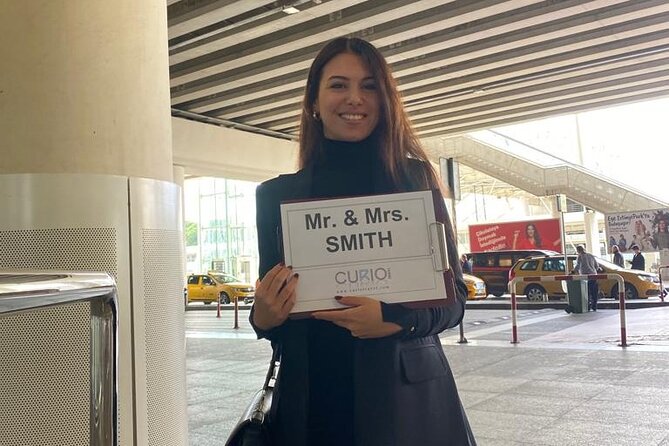
Your day begins at Galataport Istanbul, and your guide meets you with a sign showing your name. The meeting happens about 30 minutes after your cruise docks, which is exactly what you want on a port day—time to get off the ship, clear any lines, and not feel like you’re chasing a van in full-on Istanbul traffic.
If you’re the kind of traveler who dislikes guessing where to stand or whether you’re at the right dock, this approach is a big relief. You also avoid the usual pain of coordinating multiple groups with different tour start times.
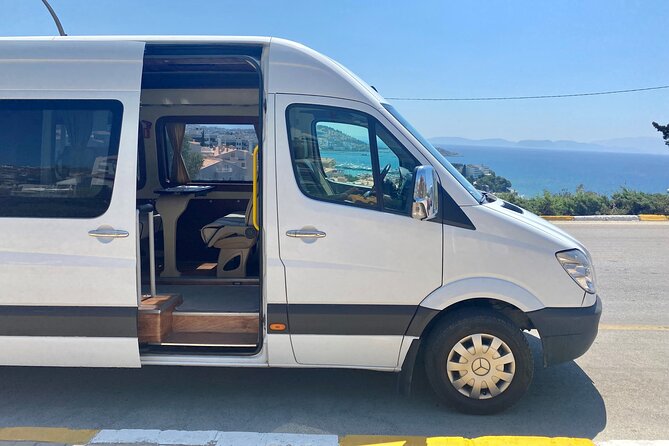
The tour includes transportation in a brand new air-conditioned minivan/minibus, which can feel like a luxury in warmer months or on a long walking day. You’ll likely spend the day switching between short drives and focused site visits, so you’re not stuck waiting in heat for long stretches.
And yes, it’s built for cruise timing: the plan includes a guaranteed on-time return to port, which matters more than you think until you’re watching the ship clock.
You can also read our reviews of more private tours in Istanbul
Day 1 Icons: Hippodrome Square to Blue Mosque to Topkapi Palace
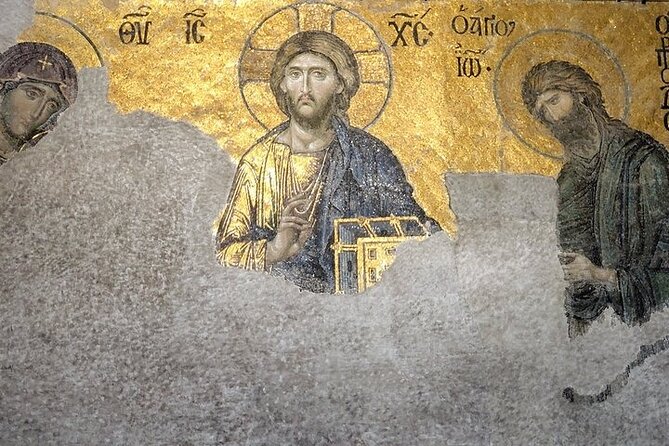
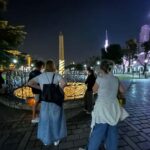
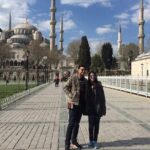
Day one is all about momentum. You start with a quick stop at Galataport Istanbul, then head into the old city with a first look at Hippodrome Square—the kind of place where you can feel the layers. This area is tied to chariot races in earlier Roman/Byzantine times and also to Byzantine-era unrest. It’s not just scenery; your guide is there to help connect what you see to why the spot mattered.
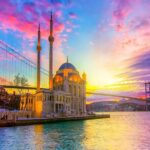
Next comes the Blue Mosque, famous for the blue Iznik tile work you’ll notice even before you can fully appreciate the details. The visit is short by design (listed as about 20 minutes), so treat it as a focused stop rather than a long sit-and-stare moment. When time is limited, short and well-timed beats wandering.
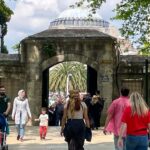
Then you move into one of Istanbul’s major anchors: Topkapi Palace. Expect around 3 hours here, and that time is valuable. Topkapi wasn’t only where Ottoman sultans lived; it also functioned as an administrative and educational center of the state. In other words, you’re not just touring rooms—you’re walking through a system of power and daily governance.
A practical note: Topkapi can be intense if you’re not used to museum-size walking. This is one of the reasons the tour says moderate physical fitness is best. If your mobility is limited, you’ll want to think carefully before choosing a route that includes palace courtyards plus multiple holy-site visits.
Hagia Sophia Interior Rules: Smart Phones and Headphones Start Day One
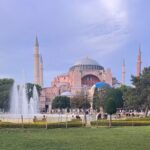
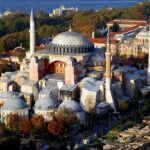
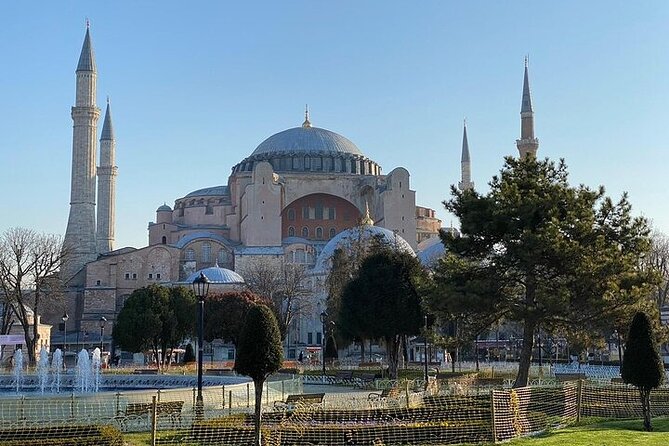
After Topkapi, you head to Hagia Sophia. The plan includes an interior visit and a ticket, but the experience has a new reality.
Since January 15, 2024, live guiding is not allowed inside Hagia Sophia. Instead, you need to follow an audio system. The tour information is specific: you’ll need a smart phone and headphones during your visit. If you do not have a headphone, you can buy one at the entrance for about USD 3.5, and if you do not have a smart phone, you’ll follow signs and the information provided on site.
This matters because it changes the vibe. Most of your tour is guided in the normal way—questions answered, context explained by your guide. Inside Hagia Sophia, the guidance shifts to the audio setup and signage. If you prefer a more conversational experience, plan your expectations for that stop.
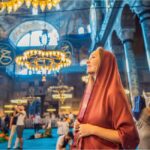
Also remember the dress rules for holy places:
- Bare shoulders are not permitted
- Shoes are not permitted in mosques
That usually means some combination of removing footwear and dressing appropriately for indoor spaces. Bring a light layer for shoulders if you think you might be borderline.
Grand Bazaar Time: How to Enjoy It Without Getting Lost
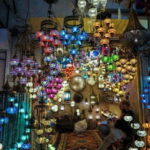
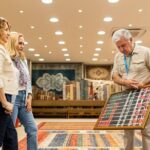
After Hagia Sophia, you go to the Grand Bazaar, listed for about 1.5 hours. This is exactly the right amount of time for many first-timers because the bazaar is huge—more than 58 covered streets and over 1,200 shops is not exaggeration in spirit. It’s easy to burn your time wandering randomly. With a guide, you can focus on what you actually want to see.
Grand Bazaar also comes with closure rules. It’s closed on Sundays, and during religious holidays the bazaar may close as well. If that happens, the plan swaps in Arasta bazaar instead. Your guide isn’t just reacting; the schedule is designed to keep the experience moving.
The best way to enjoy this stop is to decide your goal quickly:
- If you want a quick sense of textures, shops, and stalls, use the time for browsing.
- If you want specific shopping like spices, leather, or textiles, go in knowing what you’re hunting for so you don’t get stuck in the maze with no plan.
Also note: during holidays and closures, you might spend your market time at the Spice Market instead, which leads naturally into day two.
Returning via Galata Bridge: A Short Drive Through the Golden Horn
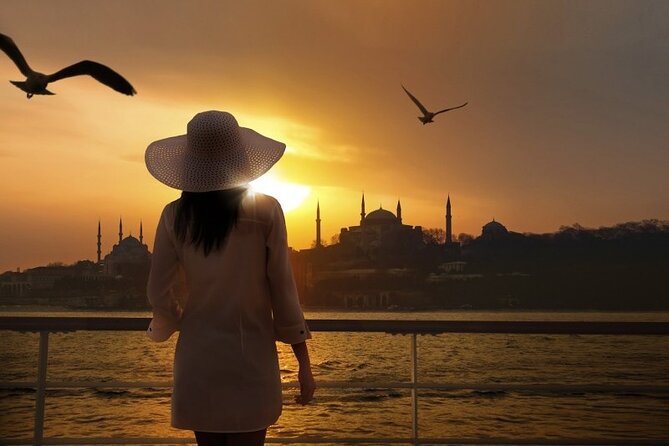
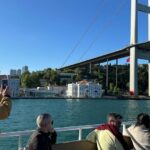
On day one, you finish by heading back toward the port via Galata Bridge and the Golden Horn. It’s listed as about 30 minutes of driving time, and that makes sense. This isn’t a long scenic cruise—it’s a quick, visual reset.
You’ll see parts of Istanbul that help connect the monuments you visited with the waterways and neighborhoods around them. Even if you treat it as a transit stop, it’s still useful for getting your bearings before you go back to the ship.
A few more Istanbul tours and experiences worth a look



Day 2 at 8:15: Basilica Cistern Before It Gets Crazy
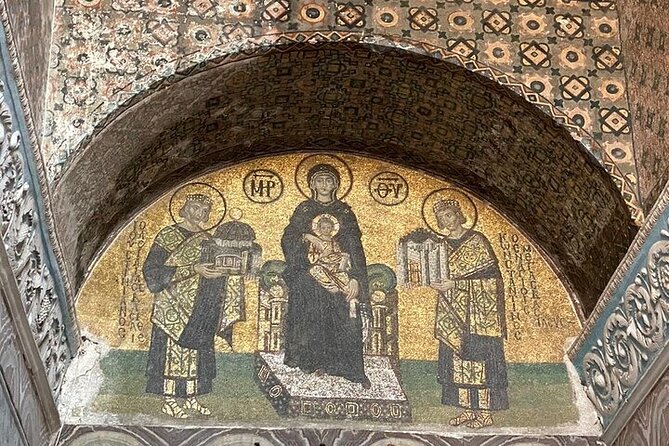
Day two begins early: 08:15 a.m., with your guide meeting you again at the port and driving to Basilica Cistern (the underground cistern). Expect about 40 minutes inside, with entrance included.
This is one of those stops that feels instantly worth it when you arrive. The cistern was built by Justinian I and is described as the largest covered water reservoir in Istanbul. It’s atmospheric in the practical way—cool temperatures, stone columns, and that underwater-feeling scale.
The tour plan also includes an important contingency: if the underground cistern is closed, the operator will visit a similar alternative museum. That’s a smart way to protect your cruise-day schedule when conditions change.
If you’ve ever regretted paying for a tour that suddenly turns into a lot of empty time, this is the opposite. You start with a ticketed indoor site at a time when crowds can be lighter.
Misir Carsisi (Spice Market): Smell the Place, Not Just See It
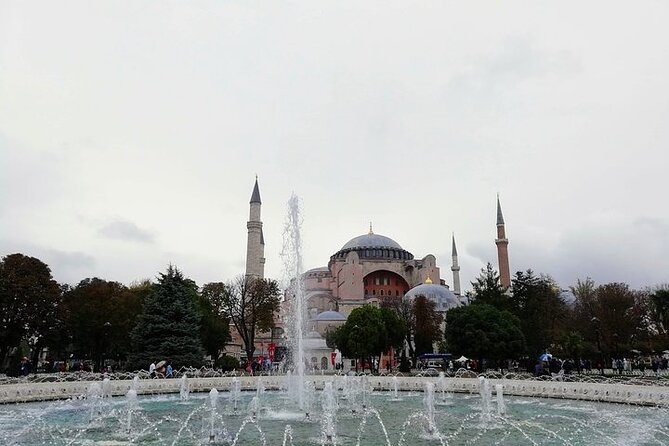
After the cistern, you head to Misir Carsisi (Spice Market), with about 30 minutes of time. This stop is built as a sensory break. The air here is described as full of spices like cinnamon, caraway, saffron, mint, thyme, and other herbs.
If you like markets, you’ll enjoy how this one stays memorable even beyond shopping. It’s not just visual clutter; it’s scent-driven. If you do plan to buy spices, you might find it easier to do it at the spice stop rather than trying to price-compare later on your own.
Two closure notes are worth knowing:
- The Spice Market is often used as the swap when the Grand Bazaar is closed (such as Sundays).
- During religious holidays, the Spice Market and Grand Bazaar can close, with Arasta bazaar visited instead.
So if you’re traveling on a weekend or holiday, don’t worry—your plan accounts for it.
Suleymaniye Mosque: A Strong Finish With Real Local Atmosphere
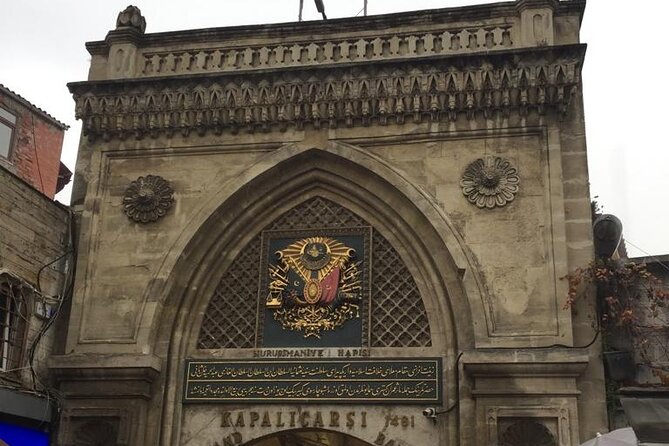
Your day ends with Suleymaniye Mosque, listed for about 45 minutes, with entrance noted as free.
This is a great closing stop because it brings you back to a working religious space, not only historic showpieces. You’ll want to dress for it—bare shoulders aren’t allowed, and shoes are not permitted in mosques—so plan clothing accordingly. Comfortable footwear matters too, because you’ll likely remove shoes and re-wear them over and over during the day.
Suleymaniye is also a final chance to slow down after palace scale and bazaar scale. Even if your time is limited, this stop tends to feel more grounded because you’re in a space that still serves worship and community life.
Then it’s back to Galataport and the end of services, with a short drive time listed.
Price and Value: Why USD 299 Can Make Sense on a Cruise Day
At USD 299 per person, this tour isn’t cheap in the way a casual bus tour is. But on a cruise day, you’re paying for three things that matter:
- Time protection: pre-paid entrance and a tight schedule help you avoid wasting your limited hours.
- Transport comfort: an air-conditioned private vehicle can save energy and reduce frustration.
- Door-to-port coordination: the tour includes a guaranteed on-time return to port, which can be the difference between a great day and a stressed scramble.
The tour also emphasizes no hidden costs, and the included items are clearly listed: guide, entrance fees for listed sites, private vehicle, and entrances arranged in advance. The “not included” list is short and honest: food and drinks and tips.
One more value detail: the tour offers group discounts, and it uses a mobile ticket. If you’re traveling with family or friends, you’re likely to get better value because private tours can feel most expensive when solo.
Also, this is the kind of tour that tends to get booked early—on average, people reserve it about 81 days in advance. If you’re on a busy cruise season, earlier booking can help you lock in your preferred timing.
How the Tour Handles Closures and the Big Mistakes to Avoid
I like tours that don’t pretend everything will be open. This one plans for real-world changes:
- Grand Bazaar is closed on Sundays, and Spice Market is visited instead.
- During religious holidays, the Spice Market and Grand Bazaar may be closed, and Arasta bazaar becomes the replacement.
- If any museum closures happen, the operator visits an alternative similar museum.
- There are also specific swaps listed for certain days: for example, on Tuesdays Topkapi Palace is replaced by Underground Cistern, and on Fridays Blue Mosque is open from 15:00 to 16:30.
So you’re not locked into a schedule that breaks if Istanbul does something unexpected.
Big mistakes to avoid:
- Showing up without shoulder-covering clothing for holy sites.
- Forgetting that Hagia Sophia interior guidance changes after Jan 15, 2024. Bring a charged phone and consider headphones so you’re not stuck buying equipment at the entrance.
- Underestimating walking time if you have mobility concerns.
Who This Private Cruise Tour Is Best For
This tour fits best if you want:
- A private experience with just your group (family and friends)
- A clean, organized route through major Istanbul highlights
- The comfort of a private vehicle, rather than piecing together public transit on a tight ship schedule
- Site admission handled for you, including pre-paid tickets
It’s also a good choice if you’re the kind of traveler who likes seeing big names—Blue Mosque, Hagia Sophia, Topkapi, Basilica Cistern, and Suleymaniye—without spending hours planning routes.
If you hate crowds and like slow travel, you might find the pace a bit full. The stops are timed and efficient, not leisurely. And if you struggle with long walks or mobility, the tour explicitly notes it’s not recommended for walking difficulties.
Should You Book This Istanbul Cruise Tour?
Book it if you have a cruise stop and you want to hit the big Istanbul highlights with a guide, pre-arranged entrance tickets, and an on-time return to port. The value comes from protection: fewer navigation problems, less waiting, and a schedule that accounts for closures.
Consider skipping or choosing a different format if:
- you have limited mobility,
- you dislike audio-based guidance inside Hagia Sophia,
- or you want a slow, self-led shopping day with tons of flexibility.
If you do book, do two things to make it smoother: pack clothing that covers shoulders, and bring what you need for Hagia Sophia’s audio setup. Then you’ll get the best of Istanbul—mosques, palaces, bazaars, and that cool underground cistern—without the cruise-day chaos.
FAQ
How do you meet the guide on cruise day?
You meet your private guide at Galataport Istanbul with a name sign. The meeting time is about 30 minutes after your cruise docks, and you’ll get the exact time after confirmation.
Is pickup included?
Yes. Pickup is offered, and the start point is Galataport Istanbul.
What’s included in the tour price?
The tour includes a professional guide, entrance fees to the listed sites (pre-paid by the guide), a private tour for your group, and transportation in an air-conditioned minivan/minibus. It also includes a guaranteed on-time return to port.
What is not included?
Food and drinks are not included, and tips are not included.
Is this tour private?
Yes. It’s a private experience for your family and friends only.
Are there dress rules for mosques and holy places?
Yes. Bare shoulders are not permitted in holy places, and shoes are not permitted in mosques.
What if the Grand Bazaar is closed?
If the Grand Bazaar is closed (for example, it’s closed on Sundays), the tour swaps to the Spice Market. During religious holidays, the Arasta bazaar may be visited instead.
What’s the current situation with Hagia Sophia interior guiding?
Live guiding inside Hagia Sophia is not allowed after January 15, 2024. You’ll need a smart phone and headphones for the audio system. If you don’t have headphones, you can buy them at the entrance for about USD 3.5, and if you don’t have a smart phone you’ll follow signs and on-site information.