REVIEW · ISTANBUL
3 Days Private Istanbul Tour Including Ottoman and Byzantine Sites
Book on Viator →Operated by Pupa Travel · Bookable on Viator
Three days in Istanbul, but with a plan. Blue Mosque and Hagia Sophia alone are worth it, and this adds Ottoman palaces, Byzantine churches, and the old market streets in-between. You also get private airport transfers, so your trip starts on rails instead of guesswork.
I especially like the way the tour packs the big sights into sensible time blocks, including Topkapi Palace and the Harem section, without turning the day into a sprint. I also love the focus on the less-famous art stop: Chora Museum, where the mosaics and frescoes are the kind you don’t forget.
One thing to consider: at $701 per person, this is a higher-end private tour price, so it’s best if you’re happy paying for time saved, private guiding, and included admissions—not just a casual wander.
In This Review
- Key highlights you’ll feel right away
- From Istanbul Airport to Sultanahmet: a calm start
- Blue Mosque and Topkapi: Ottoman Istanbul in two major chapters
- Rustem Pasha, Spice Market, and the Grand Bazaar: shopping with a story
- The Hippodrome: Roman leftovers you can actually identify
- Basilica Cistern and Hagia Sophia: the moody + the monumental
- Chora Museum: Byzantine mosaics that live longer in your memory
- Price and value: what $701 buys you here
- Practical tips so your days feel effortless
- Should you book this 3-day private Istanbul tour?
- FAQ
- How long is this Istanbul private tour?
- What does the tour price include?
- What isn’t included?
- Is pickup from Istanbul Airport provided?
- Are tickets handled digitally?
- Which major sights are visited?
- Where is the overnight stay planned?
- What’s the cancellation policy?
Key highlights you’ll feel right away
- Private airport transfers + hotel orientation to get oriented fast after landing
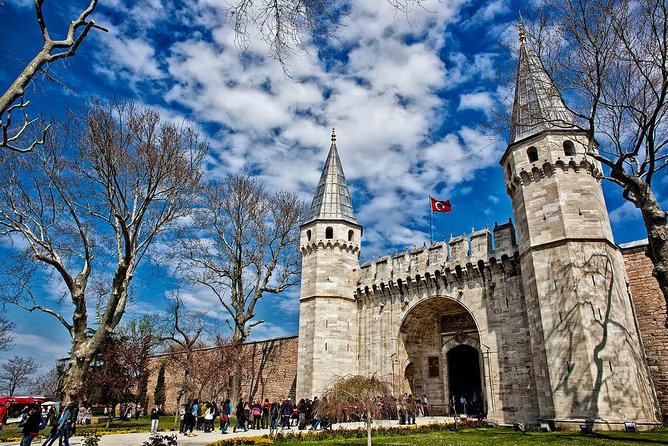
- Topkapi Palace with the Harem section plus the feel of a palace built for power
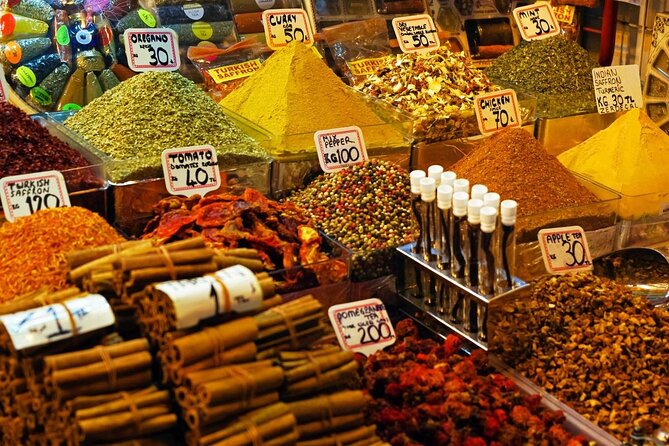
- Spice Market area walk that connects Ottoman commerce to Genoese and Venetian trade and Eastern spices
- Hippodrome + visible landmarks (obelisks and columns you can actually point at)
- Basilica Cistern’s Medusa heads for a moody, photo-friendly stop
- Chora Museum mosaics as the “how is this allowed to be this beautiful?” finale
From Istanbul Airport to Sultanahmet: a calm start
The first day is all about landing smoothly and getting your bearings. After you arrive at Istanbul Airport, you’re met and taken to your hotel with a private transfer. That matters in Istanbul. The city is busy, traffic can be unpredictable, and a private ride helps you avoid the stress of sorting transport on day one.
Once you’re checked in, your guide meets you and gives an orientation about Istanbul. Think of it as your mental map: where things are, how your days connect, and what to expect from the big zones you’ll visit. This is the part that makes the rest of the trip feel less chaotic, especially if it’s your first time in Turkey.
One more practical note: your tour uses a mobile ticket, which usually means less time rummaging for paper and more time putting that first coffee to work.
You can also read our reviews of more private tours in Istanbul

Blue Mosque and Topkapi: Ottoman Istanbul in two major chapters
Day two starts with the Blue Mosque, built in 1616 by Sultan Ahmet I. Even if you’ve seen photos, the real thing hits differently. It’s not just the scale. It’s the way the building signals Ottoman confidence—this is architecture meant to impress.
You’ll have about an hour here with admission included. That’s a solid amount of time if your guide is also helping you understand what you’re looking at. I like this approach: you don’t just move from room to room hoping it clicks. You get the story of the mosque’s design language and why it became such a landmark.
Then comes Topkapi Palace, one of those places where you can lose an entire afternoon without a plan—so it’s smart that the tour gives you a structured block (about 3 hours, with admissions included). Topkapi was the Ottoman palace where sultans lived for centuries, so you’re walking through the physical “stage” of empire.
And the standout inclusion is the Harem section. The Harem is often the part people skip or only see in quick highlights, but it’s central to understanding Ottoman court life. Even if you’re not a history fanatic, this is the place where you start to grasp how power worked daily—rooms, routines, hierarchy, and the human side of a palace built for control.
A balanced watch-out: Topkapi is large. So if you’re the type who likes to linger quietly in side corners, tell your guide. A good private guide can shift emphasis without breaking the day.
Rustem Pasha, Spice Market, and the Grand Bazaar: shopping with a story
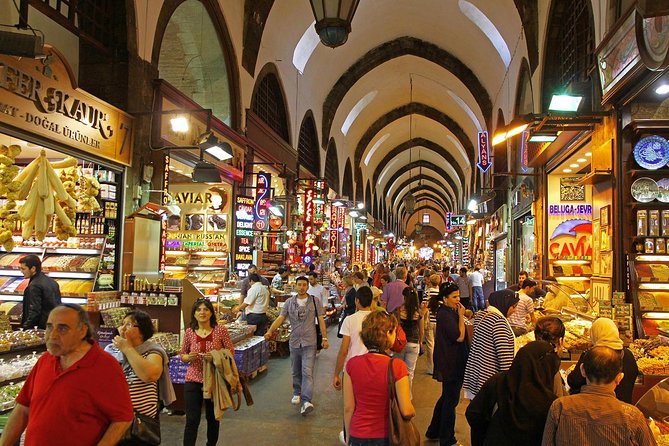
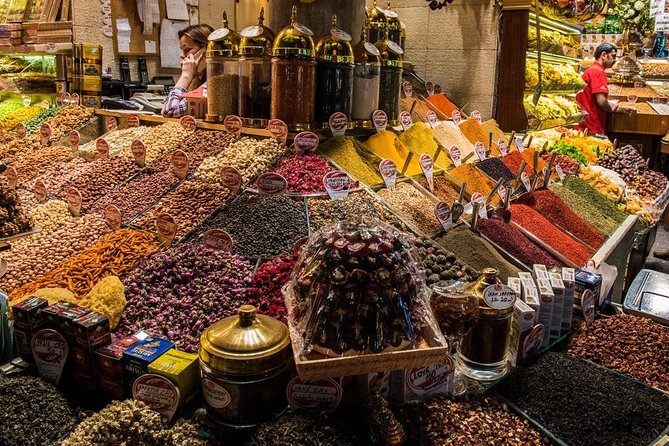
After lunch, the tour leans into Istanbul’s commercial heartbeat. You head toward the Spice Market, known locally as Misir Çarşısı. This is where East meets West in a very physical way—spices in sacks, sellers calling out, and the sense that trade routes created the menu long before supermarkets.
What I find especially interesting is the historical angle: this was a place where Genoese and Venetian goods were sold at a time when there was no Suez Canal. The big takeaway is how maritime routes shaped what people could buy, and how spices from the East were brought here after being loaded on vessels in Egypt. In other words, the market isn’t only about shopping—it’s about geography.
Expect about an hour in the Spice Market area, and the admission for this stop is free. That gives you freedom to browse without feeling like you’re paying for the privilege of walking around.
On the way, you also pass through the old cobbled streets and visit Rustem Pasha Mosque. This is a smaller stop, but it’s one of those “pause and notice” moments. Mosques like this often reward slow looking—tilework, light, and the details that don’t show up as well in quick snapshots. If you love architecture and small surprises, this stop is a nice counterbalance to the larger, louder sights.
Then you end the day at the Grand Bazaar, specifically a Grand Bazaar jewelers stop. The bazaar is one of the oldest shopping malls in the world, dating back to the 16th century. You don’t need to buy anything for the experience to land. The real value is understanding how the market works as a historic social machine—trade, craft, bargaining rituals, and the way the building channels crowds.
A practical consideration: the Grand Bazaar can get intense in the middle of the day. With private guiding, you can move more efficiently and choose better browsing rhythms instead of getting trapped in bottlenecks.
The Hippodrome: Roman leftovers you can actually identify
Day three begins at the Hippodrome, a Roman-era space dating back to the 2nd century A.D. This is one of those Istanbul stops that feels confusing until someone points out what you’re looking at. Once your guide lays it out, the Hippodrome becomes like a landmark map.
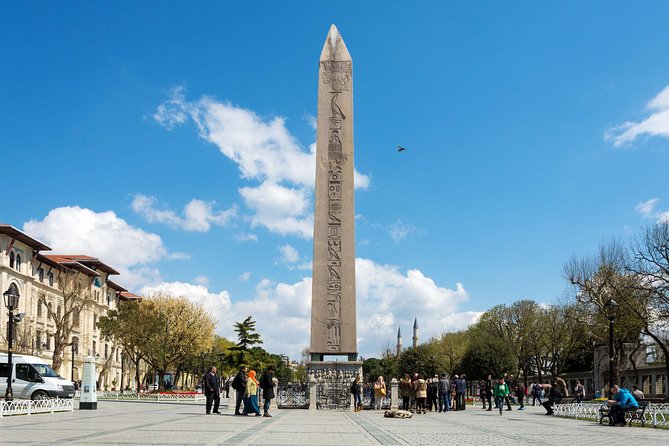
You’ll spend about 2 hours here with admission included, and the cool part is you’ll see specific monuments you can point to: the Obelisk of Tuthmosis III, the German Fountain, the Serpent Column, and the Obelisk of Constantine, plus the Obelisk of Tuthmosis the third (spelling varies in guides, but the idea is the same).
What makes this worthwhile is that it links you to the older layers of the city. Istanbul is Ottoman and Byzantine today, but this is where the Roman past is still physically present. You’re standing in a place built for crowds and spectacle—chariot racing and public life—long before the current city shape existed.
If you like the “spot and identify” style of sightseeing, the Hippodrome will feel satisfying. If you prefer only interior spaces, you may want to bring a little patience for outdoor viewing.
Basilica Cistern and Hagia Sophia: the moody + the monumental
Next up is Basilica Cistern, built around the same era as Hagia Sophia. This stop is short—about 30 minutes—but it’s packed with atmosphere. The biggest visual hook here is the heads of Medusa, which were brought here from temples of Constantinople.
This is where Istanbul’s eras feel like they overlap on purpose. You get an underground, echoing space that contrasts sharply with the daylight above. Even if you’re not a “cistern enthusiast,” it’s an easy stop to love because it changes your mood fast.
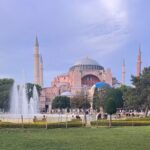
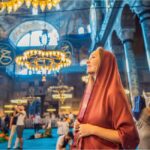
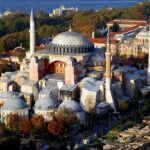
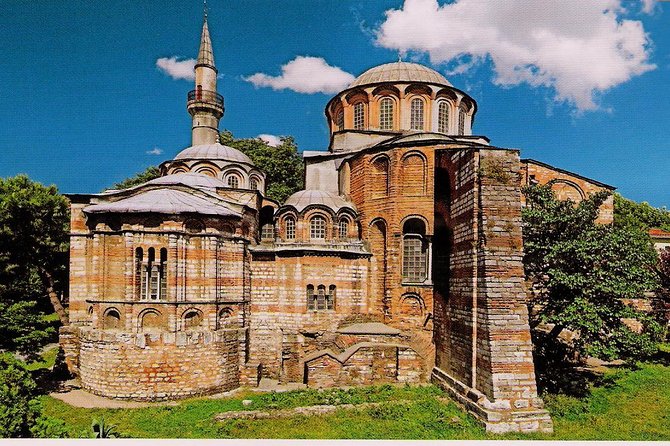
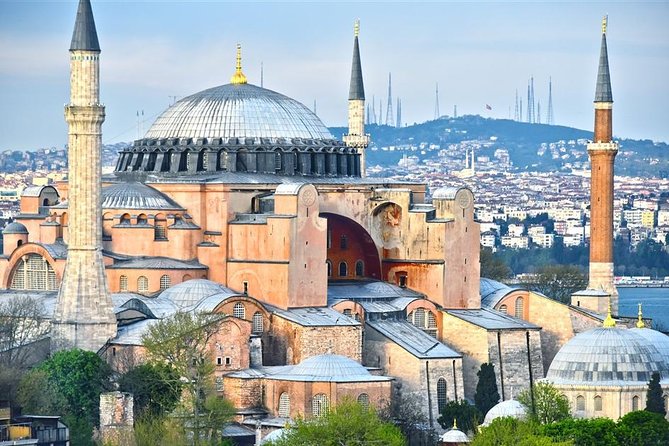
Then the day turns to Ayasofya, better known as Hagia Sophia. It was the great church built in 537 by Justinianus, and you’ll have about 2 hours here with admission included. Hagia Sophia is famous for a reason, but the value of a guided visit is that you can focus on the logic of the building rather than just admiring it and moving on.
I like pairing Basilica Cistern with Hagia Sophia. The cistern primes you to see texture and symbolism. By the time you’re inside Hagia Sophia, the details feel more meaningful, not just impressive.
A consideration: Hagia Sophia can be busy. You’ll still get time to see what matters, but you may not experience it like a quiet museum room. Use that as motivation to focus on a few key areas that your guide flags.
A few more Istanbul tours and experiences worth a look



Chora Museum: Byzantine mosaics that live longer in your memory
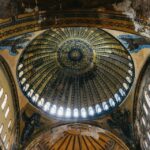
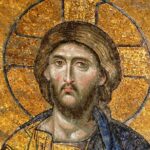
The last major stop is Chora Church, now known as the Chora Museum. It’s built in the 6th century and famous for mosaics and frescoes. You’ll spend about 1 hour here with admission included.
If Hagia Sophia feels like a grand statement, Chora feels like a detail workshop. This is the kind of place where mosaics aren’t just decoration. They tell stories, and your eyes start reading the surfaces like pages.
The “one-of-a-kind” reputation isn’t just marketing talk. Chora’s mosaics tend to have a density of emotion and craft that’s hard to capture in photos. Going at the end of the tour is smart because you’ll finally have the context to appreciate why these images were so important in Byzantine life.
This is also a good spot if you want a little relief from constant outdoor walking. It’s a shorter stop with high reward per minute.
Price and value: what $701 buys you here
At $701 per person for 3 days, this isn’t a budget option. So the question is: what are you actually purchasing?
You’re paying for:
- Return private airport transfers, so you don’t spend time solving logistics after a flight
- A private A/C minivan for tours and transfers
- Private guiding, which is where a lot of the value lives in Istanbul
- Admissions included for the big-ticket sites (Blue Mosque, Topkapi including the Harem section, Basilica Cistern, Hagia Sophia, Hippodrome landmarks, and Chora Museum)
- Lunch (2) included, with drinks not included
When a tour includes admissions, the “hidden costs” shrink. When it’s private guiding, you get a smoother flow and more context—especially at places like Topkapi and the Hippodrome, where the landmarks only click if someone explains them.
You do still need to budget for what isn’t included: accommodation (this tour is designed around staying in or near Sultanahmet) and drinks at lunch plus personal expenses. Also, the tour is described as non-refundable, so you should book only when you’re confident about your dates.
One last value note: your group is private. That means no waiting for strangers to find the entrance or to figure out what language they speak. Istanbul already has enough friction; private tours cut it down.
Practical tips so your days feel effortless
A private tour won’t magically erase crowds or long walking distances, but it can reduce stress a lot. Here are the choices that will help you get the best experience:
Wear shoes that handle uneven surfaces. Istanbul has cobblestones, stairs, and indoor-outdoor transitions.
Use the guide’s timing to your advantage. When your guide helps you pace Topkapi, Hagia Sophia, and Chora, you’re less likely to feel like you saw everything but remembered nothing.
Plan for sun and shade. You’ll be outside at points (like the Hippodrome and market streets). Bring water, and don’t assume you’ll always feel fresh.
Have a shopping mindset, not just a spending mindset. The bazaar and Spice Market stops are best when you treat them as cultural experiences too. Bargaining is part of the rhythm, and your guide can help you focus on what fits your taste.
Ask names and meanings. Places like Rustem Pasha Mosque and the Hippodrome landmarks feel sharper when you know what you’re looking at. Guides from companies like Pupa Travel are praised for being helpful and full of knowledge, and names like Ilker Olcaydu and Sonay Hanım come up in connection with organized, thoughtful tours.
Should you book this 3-day private Istanbul tour?
I’d book it if you want Istanbul’s major Ottoman and Byzantine highlights without turning your trip into a puzzle. The combination of Blue Mosque + Topkapi (with Harem) + Hagia Sophia + Basilica Cistern + Chora Museum, plus the market walking, is a strong mix of “big fame” and “details that stick.”
I’d hesitate if you’re chasing the cheapest way to see Istanbul, or if you prefer total freedom over guiding and included admissions. This tour pays for structure. If you love structure, you’ll be happy with it.
If you decide to go for it, choose the Sultanahmet area for your stay when you can. It keeps your mornings and evenings easier and makes these central sights feel closer together than they are on a map.
FAQ
How long is this Istanbul private tour?
It’s a 3-day private tour with timing listed as approximately 3 days total.
What does the tour price include?
It includes return private airport transfers, a private A/C minivan for tours and transfers, private guiding, local taxes and 18% VAT, and lunch (2). Admission tickets are included for several major sights.
What isn’t included?
Accommodation is not included. Drinks at lunches and personal expenses are also not included.
Is pickup from Istanbul Airport provided?
Yes. Return private airport transfers are included, and there is pickup/transfers included around the airport arrival and departure.
Are tickets handled digitally?
Yes. The tour includes mobile tickets.
Which major sights are visited?
You’ll see the Blue Mosque, Topkapi Palace (including the Harem section), Hagia Sophia, Basilica Cistern, the Hippodrome landmarks, and Chora Museum. You also visit the Spice Market and the Grand Bazaar area, and stop at Rustem Pasha Mosque.
Where is the overnight stay planned?
Overnight is planned in Sultanahmet. Accommodation itself is listed as not included, so you’ll need to arrange your stay.
What’s the cancellation policy?
The experience is non-refundable and cannot be changed for any reason. It may also be canceled if a minimum number of travelers isn’t met, in which case you’d be offered another date/experience or a full refund.