REVIEW · ISTANBUL
Best Of Istanbul: 1, 2 or 3 Day Private Guided Tour
Book on Viator →Operated by Moira Travel Agency · Bookable on Viator
Istanbul in three days needs a plan. This private Best of Istanbul tour is a smart way to see major landmarks without getting lost in logistics, and you get a private guide who can tailor the day to your pace and interests. I also like that you can choose 1, 2, or 3 days, so you’re not forced into a full marathon if your time is tight. One thing to watch: most major attractions charge entry, so you’ll want to budget for tickets even when parts of the day are free.
This is built around the big Ottoman-Byzantine “greatest hits,” plus viewpoints that make Istanbul feel like a real place instead of a checklist. In real-world feedback, guides like Kerim, Bilal, Kemal, Sinan, Muhammet, Kean, Orchun, Çiçek, Kenan, and Mustafa are repeatedly praised for clear explanations, friendly help, and adjusting when someone needs a slower pace (including using a cane). Still, you should confirm pickup details ahead of time—some people report communication hiccups when schedules don’t match arrivals.
If you’re ready for lots of walking (and you will be), this tour is a practical, high-value way to get your bearings fast and see the city’s key neighborhoods in order.
In This Review
- Key things to know before you go
- Value and cost: what $85.50 buys you (and what it doesn’t)
- Day 1 in Sultanahmet: Blue Mosque to Hagia Sophia to the Grand Bazaar
- Blue Mosque (Sultanahmet Camii): the tiles do the talking
- Topkapi Palace: Ottoman power in layers
- Hippodrome: where ceremonies and chariot races happened
- Hagia Sophia: the big architecture moment
- Grand Bazaar: shopping, yes—also a lesson in chaos
- Basilica Cistern: the sunken palace effect
- Day 2: Dolmabahçe and the Bosphorus, plus Taksim and the Galata viewpoint area
- Dolmabahçe Palace: Bosphorus elegance and Ottoman state power
- Taksim Square: Istanbul’s modern “meeting point”
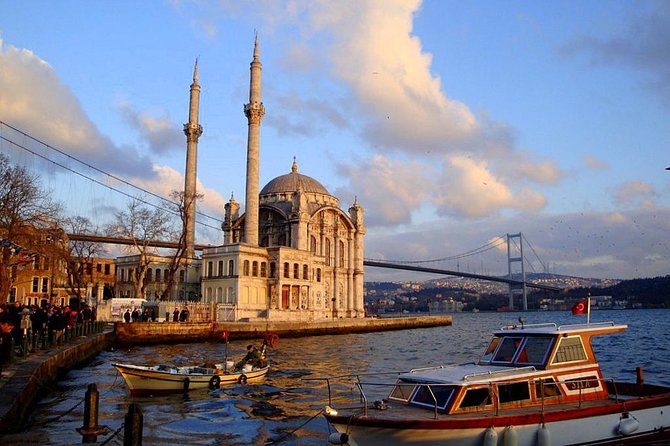
- Bosphorus Strait and bridges: Europe on one side, Asia on the other
- Maiden’s Tower (Kız Kulesi): myths, views, and a restaurant/bar
- Galata Tower area: outside viewing only
- Misir Çarşısı (Spice Bazaar): the smells and colors are real
- Day 3 in Eyüp and Fener: Suleymaniye, the Ecumenical Patriarchate, and Pierre Loti’s Golden Horn view
- Süleymaniye Mosque: Ottoman scale and Sinan’s design
- Patriarchate of Constantinople (Fener Rum Ortodoks Church): Byzantine-era weight
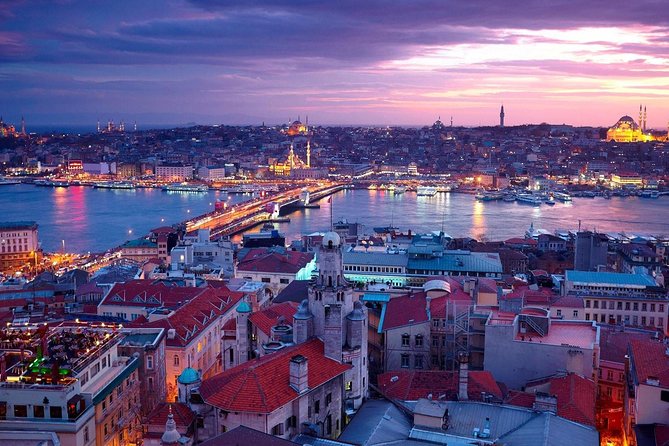
- Pierre Loti Tepesi: Golden Horn panorama with a cable car option
- Guide quality and pacing: why the right person matters in Istanbul
- Price-and-ticket strategy: how to avoid sticker shock
- Practical logistics: pickup point, closures, and simple fixes
- Should you book this Best of Istanbul private tour?
Key things to know before you go
- Private, flexible pacing: the guide adjusts when your group moves slower or has specific interests.
- Big “old town” day, smart flow: Sultanahmet is packed with Blue Mosque, Hagia Sophia area, Topkapi, basilica cistern, and bazaars.
- Bosphorus plus modern Istanbul: you’ll move from Dolmabahçe and Taksim toward Galata and scenic Bosphorus views.
- Golden Horn viewpoints: Pierre Loti Hill is a strong finish for scenery, tea breaks, and that Istanbul-at-a-glance feeling.
- Entrance fees aren’t included: some stops are free, but major sites you’ll likely pay for.
- Galata Tower is outside only: guides don’t have priority line access there, so you may not get the “quick-in” experience some sights offer.
Value and cost: what $85.50 buys you (and what it doesn’t)
At $85.50 per person, you’re paying mainly for two things: an experienced private guide and a structured route that saves you time hunting for tickets, entrances, and the best way to connect sites. For a city like Istanbul—where neighborhood layouts can surprise you—having someone manage the order matters.
What’s not included is the part that can add up quickly: museum/attraction tickets and any extra transportation not clearly covered by your selected option. In the tour’s plan, some stops have free entry (like the Blue Mosque, Hippodrome, Grand Bazaar, and several religious sites on day 3), but big-ticket cultural stops often cost money (for example Topkapi Palace, Hagia Sophia, Basilica Cistern, and Dolmabahçe Palace).
So here’s the practical way to think about it: if you’d otherwise spend money on a guide for just a single area, the value gets stronger when you choose the 2- or 3-day option and spread the guide cost over more of the city. If you only want a quick highlight loop, you’ll feel the ticket expenses more strongly.
You can also read our reviews of more guided tours in Istanbul


Day 1 in Sultanahmet: Blue Mosque to Hagia Sophia to the Grand Bazaar
Day 1 is the old-city core, built around the Sultanahmet triangle you’ll hear everyone talk about: Blue Mosque, Hagia Sophia, and the Grand Bazaar area, plus two Byzantine/Ottoman-era “surprise” stops that add depth.
Blue Mosque (Sultanahmet Camii): the tiles do the talking
You start at the Blue Mosque, famous for the blue tiles that decorate the interior. It’s free entry, and it’s also a great way to begin because the scale hits right away—arches, light, and detail that you can’t really “Google” your way into appreciating.
Practical note: the schedule depends on the day. The Blue Mosque is closed until 2pm on Fridays, so if your timing lands there, expect the guide to adjust the flow.
Topkapi Palace: Ottoman power in layers
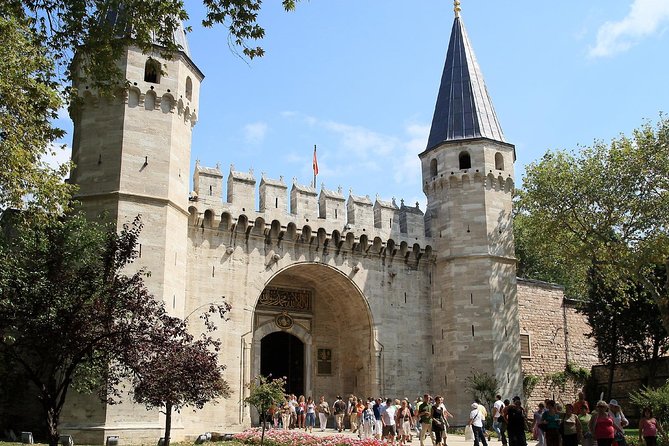
Next comes Topkapi Palace, the Ottoman sultans’ residence and also the administrative and educational center of the state. Expect a lot of ground here—this isn’t just one building; it’s a whole political world, expanded and changed across centuries.
Topkapi’s admission isn’t included, so I’d treat this stop as a ticket-budget line item. It’s also the kind of site where a guide’s context makes a big difference: you’re not just seeing rooms, you’re seeing how the empire ran.
Hippodrome: where ceremonies and chariot races happened
The Hippodrome of Constantinople was a public arena for chariot racing, but also for ceremonies, protests, and harsh punishments. This is one of those stops that can feel “thin” if you treat it as ruins—yet it becomes interesting when you understand it as a stage for public life.
It’s free entry and short enough to keep your day from turning into a blur.
You can also read our reviews of more private tours in Istanbul


Hagia Sophia: the big architecture moment
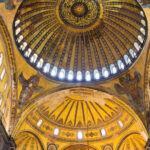
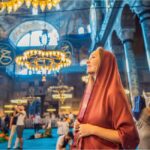
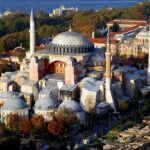
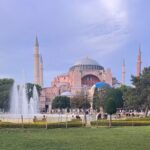
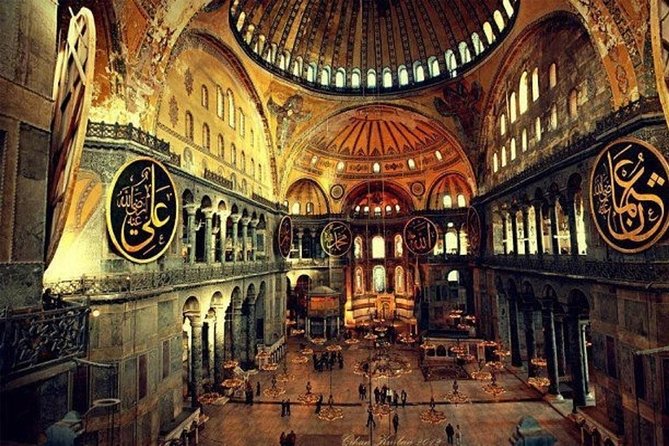
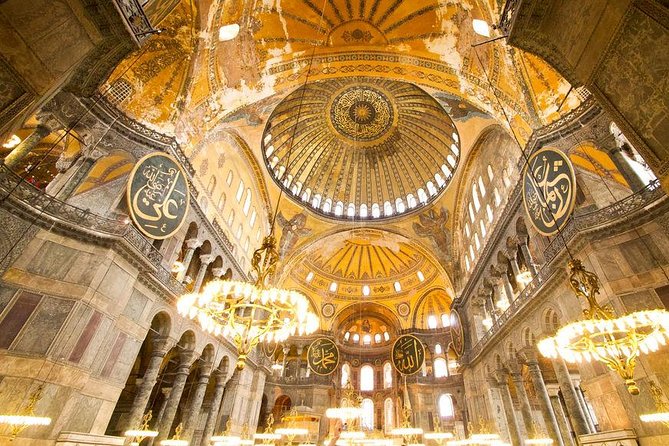
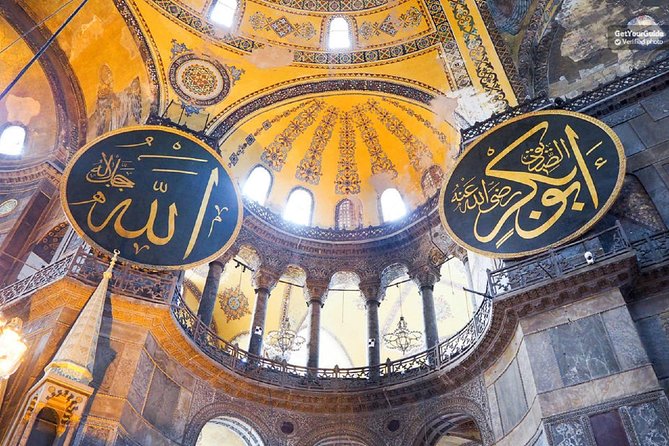
Then it’s Hagia Sophia Grand Mosque, a masterpiece still standing from the Byzantine era. The tour gives it a full hour, which is about right for taking in the size, design, and the layers of meaning packed into one building.
Admission isn’t included, so budget for the ticket. Also, dress matters for entry: bring clothing that covers shoulders and knees, especially if you’re visiting during prayer hours or when regulations are stricter (this came up in real-world feedback).
Grand Bazaar: shopping, yes—also a lesson in chaos
You finish the old-city loop with the Grand Bazaar, one of the largest and oldest covered bazaars in the world. The scale is enormous: 60+ streets and alleys and thousands of shops, all under one roof.
Admission is free, but you’ll want to approach it with a plan. Set a spending range first, then browse. If you go in with no boundaries, it’s easy to feel worn out before you find anything you really want.
Basilica Cistern: the sunken palace effect
Basilica Cistern is your cool-down stop—literally underground. Built in the 6th century under Emperor Justinian I, it was a water reservoir for the Great Palace. The details are the point: 336 marble columns arranged in rows that create a quiet, eerie “forest” of stone.
Entry isn’t included, so again, plan for the ticket cost. This is a great stop if you want a break from mosques and palaces—think atmosphere and architecture, not crowds.
Day 2: Dolmabahçe and the Bosphorus, plus Taksim and the Galata viewpoint area
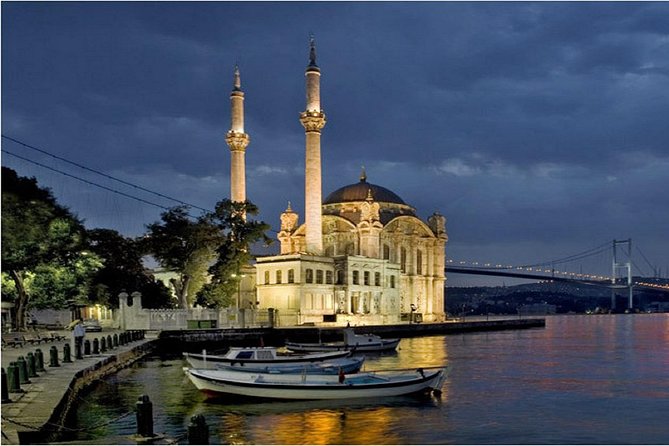
Day 2 stretches Istanbul beyond Sultanahmet. You’ll shift to the Bosphorus zone and modern neighborhoods, then work your way toward views over the old peninsula.
Dolmabahçe Palace: Bosphorus elegance and Ottoman state power
Dolmabahçe Palace sits on the European shore of the Bosphorus. The tour route explains the bay history and how the coastline shifted over time into a garden/pavilion setting for Ottoman leaders.
Admission isn’t included, and the palace is closed on Mondays. If your trip lands on a Monday, that’s one of the easiest ways for your day to change—so consider avoiding Monday if you really want this stop.
Taksim Square: Istanbul’s modern “meeting point”
Taksim Square is Istanbul’s modern hub. It’s a good contrast to the Byzantine and Ottoman landmarks from day 1, and it also helps you understand how the city lives today—celebrations, parades, and public events in a place that’s easy to find.
Admission is free.
Bosphorus Strait and bridges: Europe on one side, Asia on the other
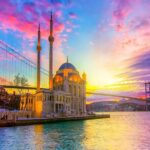
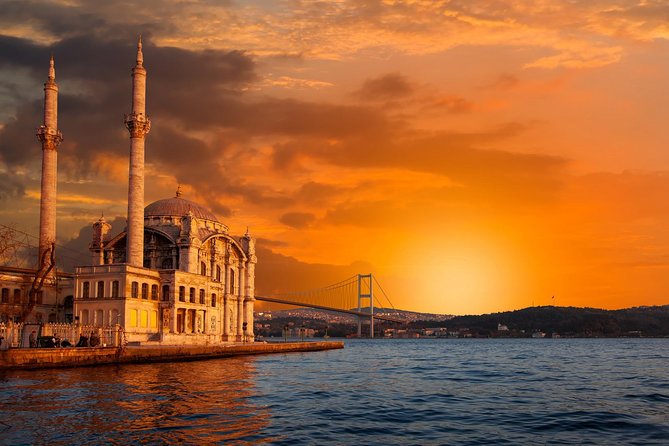
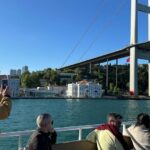
The Bosphorus Strait is Istanbul’s defining geographic feature—between Europe and Asia, linking the Black Sea and the Sea of Marmara. The tour also calls out the Bosphorus Bridge, which opened in 1973 and is still an impressive intercontinental landmark.
Admission isn’t included for these sightseeing components, but the value here is the perspective: you’re learning Istanbul’s “map logic,” not just snapping photos.
Maiden’s Tower (Kız Kulesi): myths, views, and a restaurant/bar
Kız Kulesi sits on an islet in the Bosphorus. The tour frames it with legends and notes that it has a restaurant/bar with city views. Even if you only have time for a look from the right angles, it’s a strong “I get it now” moment for Istanbul’s storytelling style.
Galata Tower area: outside viewing only
Galata Tower is next. The tour notes that guides visit from outside because they don’t have priority to skip the line due to tower regulations. That means you may not get the easiest access some people expect from a tour setting.
Still, the tower is the right choice for panoramas over the Old City peninsula and Beyoğlu.
Misir Çarşısı (Spice Bazaar): the smells and colors are real
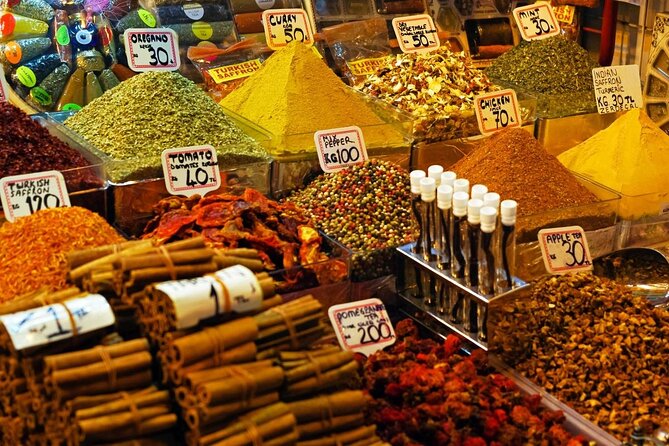
You end day 2 with Misir Çarşısı, the covered Spice Bazaar. Built in the 17th century, it’s a fragrant hub for peppers, saffron, teas, dried apricots, Turkish delight, scarves, and mosaic lamps. This is one of those stops that’s fun even if you don’t shop, because you can chat, taste, and watch how people sell.
Admission is free.
Day 3 in Eyüp and Fener: Suleymaniye, the Ecumenical Patriarchate, and Pierre Loti’s Golden Horn view
Day 3 brings in two major religious sites and a viewpoint that feels like a reward after two heavy sightseeing days.
Süleymaniye Mosque: Ottoman scale and Sinan’s design
Süleymaniye Mosque was built during the Ottoman Empire under Sultan Süleyman the Magnificent and completed in 1557. It’s designed by Mimar Sinan, one of the most famous Ottoman architects, and the tour gives you a clear sense of what makes it important: big central dome, smaller domes, tile work, and calligraphy.
Entry is free. If you liked the earlier mosques, this one adds another architectural chapter.
Patriarchate of Constantinople (Fener Rum Ortodoks Church): Byzantine-era weight
In Fener, you visit the Fener Rum Ortodoks Church, the Ecumenical Patriarchate of Constantinople and a major seat for Eastern Orthodox Christianity. The tour highlights its long timeline: originally built in the 4th century with many renovations, plus the patriarchal seat since the 6th century.
Entry is free, and the mix of architectural influences makes it a meaningful stop for anyone who wants Istanbul as a crossroads, not a single narrative.
Pierre Loti Tepesi: Golden Horn panorama with a cable car option
Finally, Pierre Loti Hill (Pierre Loti Tepesi) gives you views over the Golden Horn and Istanbul. It’s named after the French author Pierre Loti, who loved the city and visited often. To reach the top, the tour notes you can use a cable car ride from Eyüp, and there’s a small café at the summit for tea or coffee.
Entry is free. This stop is also a nice way to slow down without feeling like you lost a day.
Guide quality and pacing: why the right person matters in Istanbul
This tour is private, which means the guide is the product. In the feedback, guides get praised for stepping in when plans need adjustment—like matching the route to slower walking speeds or answering questions as you go.
Names show up again and again, including Kerim, Bilal, Kemal, Sinan, Muhammet, Kean, Orchun, Çiçek, Kenan, Mustafa, and Murat. People also specifically mention guides being on time, explaining clearly, and being helpful with practical city navigation.
That said, I’d still treat Istanbul as your job. You’ll want to wear comfortable shoes and expect a lot of walking. One report even mentions 20,000+ steps on day 1. If you know you’re sensitive to pace, bring that up early, and ask what the walking level will be each day.
Price-and-ticket strategy: how to avoid sticker shock
The biggest “gotcha” isn’t the base price—it’s the ticket total.
Here’s the simple strategy I recommend:
- Before you pick your days, check which major stops require tickets in your dates.
- Decide if you want palaces and museums enough to pay for them, or if you’d rather prioritize free-entry landmarks and viewpoints.
- Ask the guide to confirm what’s free vs paid on the day you’re going, so you don’t get hit mid-route.
Also note the practical rule about Galata Tower: the tour explicitly says guides have no priority access there. That can add waiting time, which is another reason to keep your expectations realistic.
Practical logistics: pickup point, closures, and simple fixes
You meet at the German Fountain (Alman Çeşmesi), Binbirdirek, at Meydanı Cd in Fatih. Pickup is offered for central Istanbul hotels or Galata Port; if your hotel isn’t centrally located, you’ll meet at the front of the German Fountain.
A few closures can change the day’s flow:
- Blue Mosque is closed until 2pm on Fridays.
- Grand Bazaar is closed on Sundays.
- Dolmabahçe Palace is closed on Mondays.
If your trip includes one of these days, treat it as a scheduling puzzle the guide can solve—but still plan your own backup options.
Finally, keep communication simple: have the tour contact info ready and confirm pickup time at least the day before. Istanbul delays happen, and your best outcome comes from you being proactive.
Should you book this Best of Istanbul private tour?
Book it if you want a guided route that hits Sultanahmet, the Bosphorus area, and classic viewpoints within 1–3 days, and you like getting context while you walk. It’s also a solid choice if you’re the type who appreciates adjustments—faster for some, slower for others—since private pacing is a real advantage here.
I’d hesitate if your goal is only one or two “photo stops” and you don’t want to pay entry fees for multiple major sites. And if you’re arriving at a tricky time (cruise docking schedules, late transfers, or moving between sides of the city), confirm pickup details early so you’re not waiting around while your day slips.
If you want Istanbul organized into a doable, human-paced plan, this private tour is one of the better ways to do it.