REVIEW · ISTANBUL
Turkey Explorer -11 Days
Book on Viator →Operated by Tour Altinkum Travel · Bookable on Viator
Turkey in 11 days is a sprint. You get the key scenes of Istanbul plus big-name ancient stops like Ephesus, then you’re off to thermal Pamukkale, beachy Antalya, and the fairy-chimney world of Cappadocia. I like how this runs as a small group (max 12), with a guide who helps you keep moving, and I especially like the included skip-the-line support at major historical sites so ticket lines don’t eat your day.
The one trade-off: this is a packed route across a large country. Expect long travel stretches between regions, and plan on budgeting extra for historical site entry fees (listed as €325 per person), since those aren’t included in the base price.
In This Review
- Key things I’d mark on your map
- Istanbul Airport to Old City Sights Without the Guesswork
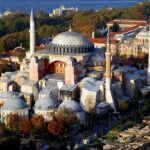
- The Ottoman Core: Hagia Sophia, Topkapı, Hippodrome, Blue Mosque, Grand Bazaar
- A Big Emotional Detour: Gallipoli and the ANZAC Battlefields
- Troy and Pergamum: Where Legends Get Physical
- Ephesus, the Temple of Artemis, and the Feeling of Walking Ancient Streets
- Pamukkale: Pools of Heaven and Hierapolis’ Ancient Ghosts
- Antalya’s Coast View From Tunektepe and a Calm Walk at Duden Waterfalls
- Konya Stop: Mevlana Museum and the Caravanserai at Sultanhani
- Cappadocia Day One: Goreme Open Air Museum, Devrent Valley, Pasabagi, Avanos, Uchisar
- Cappadocia Day Two: Rose, Red, Pigeon Valley, Kaymakli Underground City, Ortahisar
- The Domestic Flight Back to Istanbul: Why This Route Uses Air
- Hotels, Meals, and the Real Value of the Price
- Guides and Drivers: What Makes Days Feel Smooth
- Should You Book Turkey Explorer 11 Days?
- FAQ
- What is the duration and starting time for this tour?
- Where does the tour take place?
- Is pickup included?
- What language is the tour offered in?
- Are entry tickets to historical sites included?
- Are domestic flights included?
- Are meals included?
- Is a hot air balloon flight included?
- Is the group size limited?
- Can I cancel and get a full refund?
Key things I’d mark on your map
- Skip-the-line help for historical sites keeps you from losing hours to ticket lines
- Small group size (up to 12) makes the experience feel more controlled and personal
- Multiple hotel bases (Istanbul, Canakkale, Kusadasi, Antalya, Cappadocia) reduces backtracking
- Major variety in one trip: Ottoman Istanbul, ANZAC battlefields, ancient ruins, thermal pools, and Cappadocia valleys
- Optional domestic flight choices let you pick what fits your plans and budget
Istanbul Airport to Old City Sights Without the Guesswork
The tour starts the moment you land. You’ll be met at Istanbul Airport by your driver and transferred to a centrally located hotel area for check-in. That matters because Istanbul can be chaotic when you’re tired, jet-lagged, and trying to figure out transit.
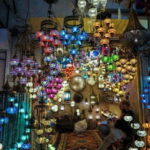
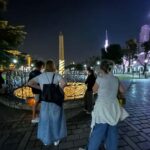
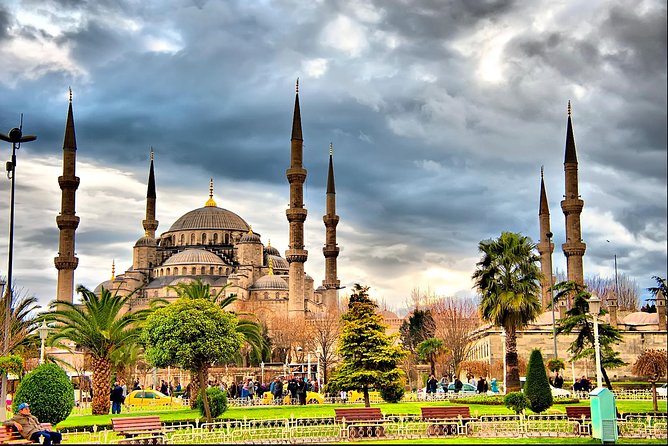
On your first full day in the city, you hit the heavy hitters that shape Turkey’s story. You’ll tour Hagia Sophia (admission not included), then go to Topkapı Palace (admission not included), and continue through the historic civic core with the Hippodrome (free entry) before finishing at the iconic blue-domed Blue Mosque (free) and the Grand Bazaar (free).
A practical note: some of these top stops involve interior rules. For places like Blue Mosque and Hagia Sophia, I’d plan for covered shoulders and careful footwear, and I’d expect security checks. The good news is your schedule keeps you from constantly re-planning where to go next.
What I like most is the structure: you start with the grand religious and imperial anchors (Hagia Sophia and Topkapı), then you move outward into the everyday city energy (Hippodrome and Grand Bazaar). It’s not just monuments—it’s how the city functioned.
The drawback is time and pacing. You’ll move through several landmark zones in one day, so if you’re the type who likes to linger, you’ll want to use your free moments strategically.
You can also read our reviews of more tours and experiences in Istanbul.
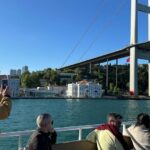

The Ottoman Core: Hagia Sophia, Topkapı, Hippodrome, Blue Mosque, Grand Bazaar
Here’s the real value of this Istanbul block: it covers multiple layers, not just one theme.
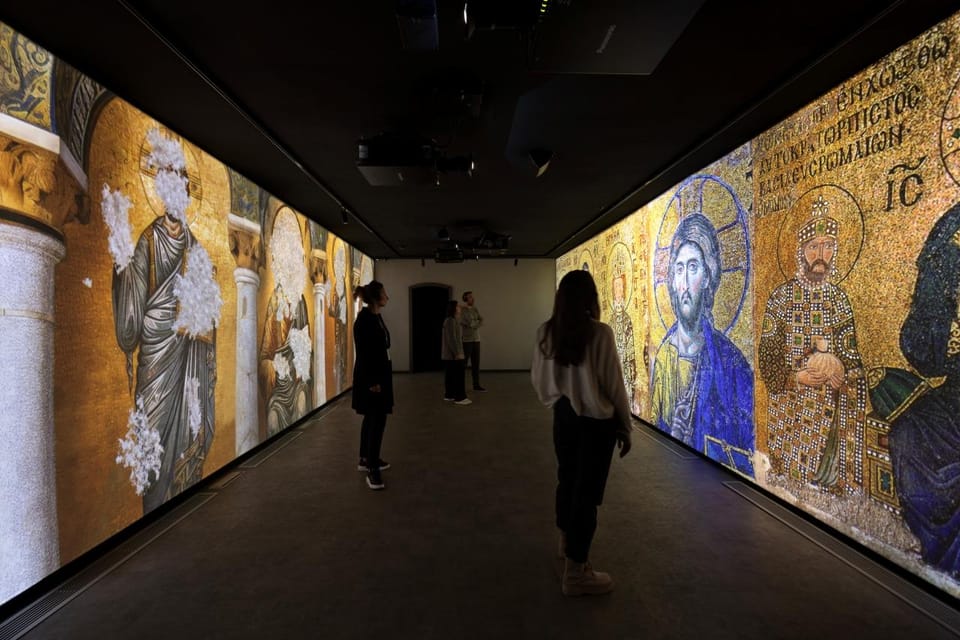
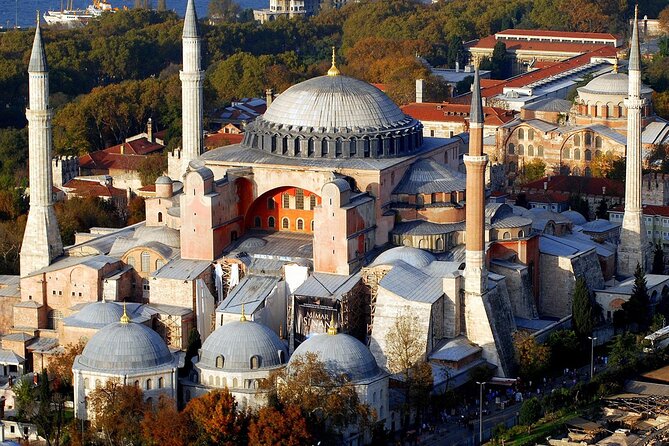
- Hagia Sophia gives you the Byzantine-sized scale that still hits your stomach when you walk in. It was the religious center during the Byzantine era, and the building’s size tells that story instantly.
- Topkapı Palace is your Ottoman deep dive. This wasn’t only the Sultan’s home; it also served as the Ottoman government seat, and it housed sultans for nearly 400 years.
- Hippodrome is shorter, but it’s a great palate cleanser. You’ll get the Roman-period context, when it served as the civic center and could hold massive crowds.
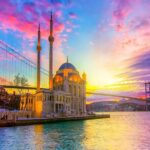
- Blue Mosque is quick and iconic. It’s known for its famous six minarets and huge dome, and you’ll see why it became such an Istanbul shorthand.
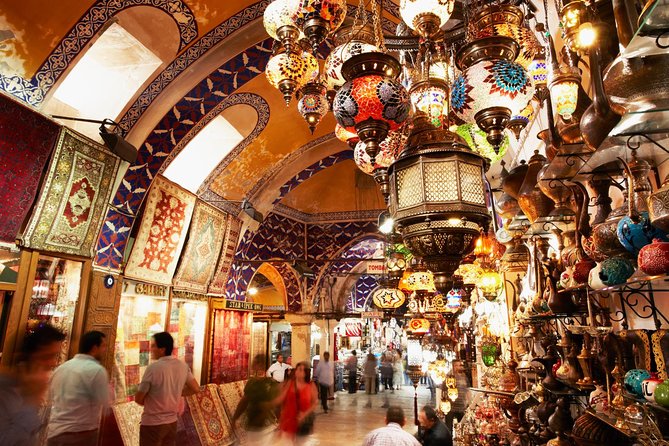
- Grand Bazaar is a sensory reset. It’s free to enter on this tour, but the big point is scale: 18 entrances and more than 4,000 shops.
I’d treat Grand Bazaar like a place to shop with intention. It’s easy to get pulled into buying because it’s all there at once. Go in with a shortlist: small gifts, textiles, ceramics, and simple souvenirs. Then step out before decision fatigue sets in.
A Big Emotional Detour: Gallipoli and the ANZAC Battlefields
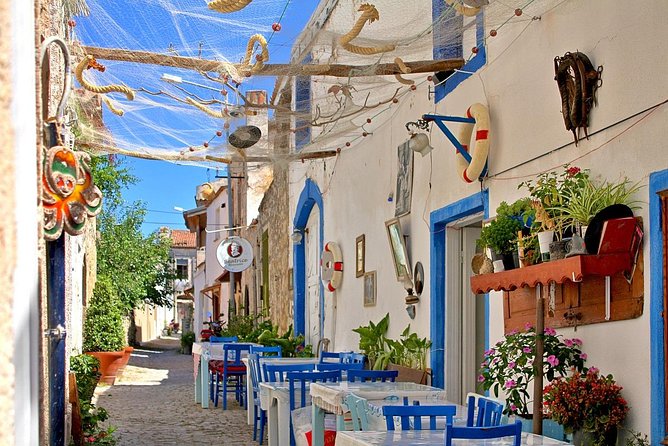
On day three of the overall journey, you trade Ottoman domes for WWI history at Gallipoli. If you care about modern history, this day is one of the most meaningful parts of the route.
Your guide-led program starts with driving toward Canakkale and then touring the ANZAC Battlefields, including Brighton Beach, ANZAC Cove, Beach Cemetery, Lone Pine Australian Memorial, and multiple memorial points like the Turkish and allied tunnels and trenches and the Johnston’s Jolly area. You’ll also cover the 57th Regiment Turkish Memorial and the Chunuk Bair New Zealand Memorial.
This is the kind of day where good guiding matters. From the tour experience I’ve seen with this operator style, the guide tends to connect what you see to why it mattered, so you don’t just stand at monuments reading plaques.
One consideration: it’s long and heavier emotionally. If your group includes kids or anyone with limited stamina, you’ll want to pace yourself with water breaks and sit-down moments where possible.
Troy and Pergamum: Where Legends Get Physical
After Gallipoli, you go to Troy (Truva) at the archaeological site. You’ll stroll through the UNESCO-recognized ruins tied to stories that people repeat worldwide: Trojan War, Trojan Horse, Helen of Troy, and Prince Paris. The tour also points out specific site highlights like the Walls of Troy II, Megaron House, the Ramp of Troy II, Roman bath, Odeon, and Temple of Athena plus ruins linked to Athena.
Then later, your route takes you to Pergamon (Pergamum) and key features there like the Asclepion area, the Zeus Altar, and the Parchment Library reference points. Pergamon is a strong choice for travelers who like cities that feel layered—because you’re seeing how cultures shifted over centuries, from mythic times into recognizable classical and ancient city planning.
The value here is variety in ancient settings: Troy is about legend and battles; Pergamon is about cities, institutions, and major cultural life. If you only visited one, the other would feel flat. Together, they give contrast.
Ephesus, the Temple of Artemis, and the Feeling of Walking Ancient Streets
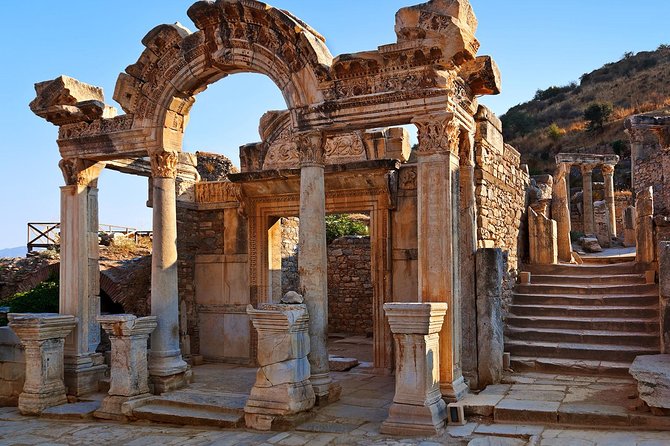
Next comes Ephesus, and it’s one of those stops that sticks. You’ll see why it’s described as one of the best-preserved classical cities in the Eastern Mediterranean, with its wide public spaces and long stretches of surviving architecture.
You’ll be guided through the city’s major zones and also cover Temple of Artemis (Artemision). On this tour, the Temple of Artemis portion is listed as free, and Ephesus is also set up with a structured walk and time to take it in.
What I like here is that the tour keeps the scale clear. Ephesus is said to have had more than 250,000 citizens, and it’s tied to the “Seven Wonders” idea through the Artemis cult. Even if you don’t memorize dates, the size and layout do the teaching.
One caution: walking in Ephesus can add up quickly. Comfortable shoes aren’t a suggestion.



Pamukkale: Pools of Heaven and Hierapolis’ Ancient Ghosts
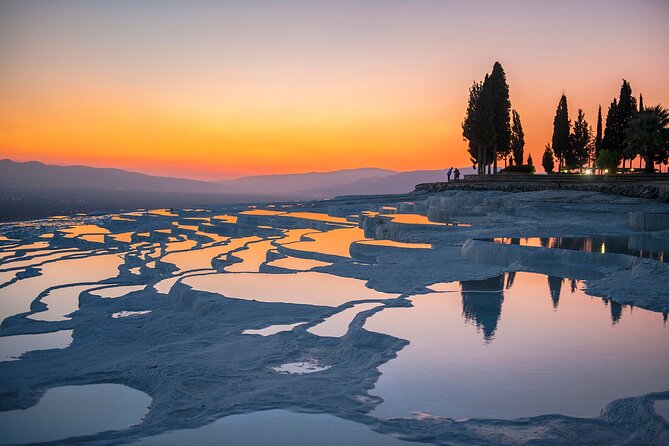
From Ephesus and the Aegean route, you head toward Pamukkale, famous for its white calcium-rich terraces formed by warm spring water at about 35C. You’ll spend time at Pamukkale Thermal Pools where the UNESCO listing matters because it signals something rare: the physical formation is the star attraction.
After that, you pair it with Hierapolis & Pamukkale. This is where the ancient side comes back strong. You’ll see the big necropolis with many gravestones mentioned, plus the Sacred Pool and the Roman ruins spread underneath those thermal textures.
The practical takeaway: Pamukkale is a place where your photos will work best if you plan for timing and patience. The terraces are reflective and bright; in the wrong light they can look harsh. But your schedule gives you a set time window, and a guide helps you make the most of it.
Antalya’s Coast View From Tunektepe and a Calm Walk at Duden Waterfalls
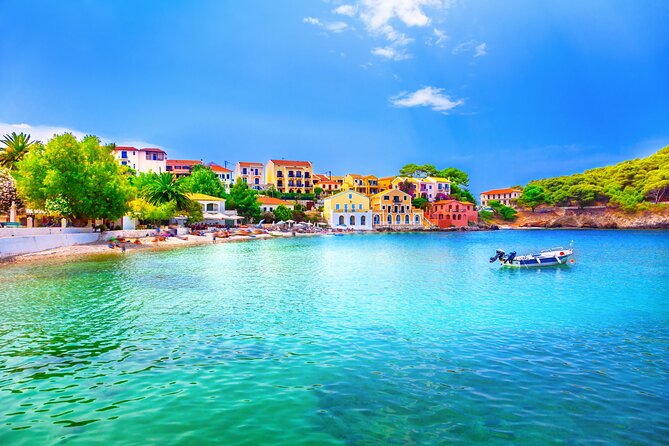
Then it’s south to Antalya. This section adds a more relaxed, scenic pace compared to the ancient-days intensity.
You’ll go up by cable car to Tunektepe Teleferik Tesisi for sea-to-sky views. From the top, you’ll get panoramas over coastline, mountains, pine forests, and the Mediterranean. That “big view” break is more than a photo stop—it helps your brain reset after ruins.
Next is Lower Duden Waterfalls. This one is structured as a walk through a park area where you listen to the falling water and see the falls up close. It’s a good contrast day: standing in history one moment, hearing nature the next.
After lunch at a local restaurant with panoramic views, you get free time in Kaleiçi, Antalya’s old town. You’ll see highlights like Hadrianus Gate, the Clock Tower, Kesik Minare, and city walls dated back to the 2nd century. Since the tour includes 1 to 1.5 hours to explore, I’d keep it flexible: wander the narrow stone streets, poke into boutiques or small museums, and shop for practical souvenirs.
Konya Stop: Mevlana Museum and the Caravanserai at Sultanhani
Before Cappadocia, your route passes through Mevlana Muzesi. This museum visit focuses on the 13th-century philosopher and mystic Mevlana Celaleddin-i Rumi. The tour frames his doctrine around tolerance, positive reasoning, goodness, charity, and awareness through love.
Then you head to Sultanhani Kervansarayi, a caravanserai described as 700 years old. It’s essentially a trading-and-travel survival building from the Silk Road era, built to shelter travelers and support commerce.
I like that this day doesn’t just repeat the “big ruins” pattern. It gives you social history: ideas and infrastructure. Even if you only spend a short time in each place, you’ll understand Turkey as more than monuments.
Cappadocia Day One: Goreme Open Air Museum, Devrent Valley, Pasabagi, Avanos, Uchisar
Now for the part people talk about for years: Cappadocia.
You start in Göreme Open Air Museum, with rock-cut churches from the second half of the 9th century and colorful frescoes. Admission is not included here, so you should plan around that in your budgeting.
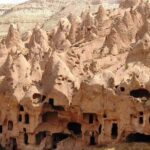
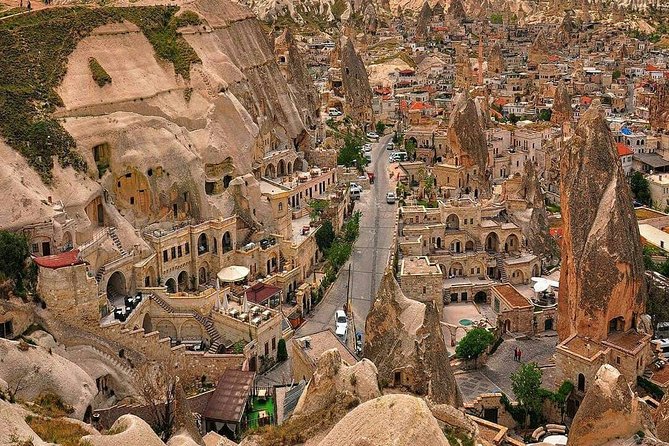
Then the itinerary branches into “shape watching.” You’ll see Devrent Valley, where animal-shaped rock formations make you do a lot of guessing games with geology. You’ll also visit Fairy Chimneys, with stops associated with Pasabagi and the Monks Valley idea, including an area linked to the hermitage of Simeon monks.
Next is Avanos, where you’ll enjoy typical Turkish lunch and also get hands-on time making pottery with local experts. That’s one of those stops that can turn from touristy to personal because you’re producing something you can take home.
After that, you’ll catch a Göreme Panorama view, then finish with Uchisar Castle, which is described as the natural highest rock castle with wide panoramas across the area.
One key pacing tip: Cappadocia is built for walking and looking. Bring a light jacket even when it’s sunny, and plan to take a break before your legs revolt. The views are worth it, but your body needs time.
Cappadocia Day Two: Rose, Red, Pigeon Valley, Kaymakli Underground City, Ortahisar
On the next full day in Cappadocia, you go valley-by-valley.
You’ll visit Rose Valley for pink-tinted ridges, often most striking near sunset. Then you head to Cavusin, which sits in a valley (and connects to the idea of the Red Valley) and features houses cut into rock formations plus rock churches.
Then you make it to Pigeon Valley, known for dovecotes carved into soft volcanic tuff. It’s also described as one of the best spots for walking.
After lunch and later in the schedule, you include Kaymakli Underground City, described as an eight-storey refuge for up to 15,000 Christians, with connected corridors and passageways. Admission is not included here, so again, factor into your total costs.
Finally, you wrap the day with Ortahisar Kalesi, a rock formation town landmark with narrow streets and churches, plus short time to enjoy the feel of the place before heading to Kayseri Airport for your domestic flight.
The practicality: underground sites can be cool and enclosed. If you’re claustrophobic, take it slowly and choose your own pace.
The Domestic Flight Back to Istanbul: Why This Route Uses Air
This tour includes a domestic connection from Kayseri Airport (ASR) to Istanbul Airport, listed as about a 1 hour 30 minutes. The route notes that this flight can be included or excluded depending on which option you select during booking.
That’s a smart structure for a trip of this length. Without that flight, your transit time would balloon and you’d lose more daylight to being stuck on roads. It also protects the schedule enough to fit Istanbul at both ends.
When you arrive back in Istanbul, you’ll be driven to your hotel, then you’ll spend the final day being transferred to the airport for your departure.
Hotels, Meals, and the Real Value of the Price
The listed price is $1,830 per person for the full route. What helps it feel fair is how much gets bundled: land transportation in air-conditioned non-smoking vehicles, and a schedule that moves you between major regions.
You also get 10 breakfasts and 9 lunches as part of the meal plan. Dinner isn’t included based on what’s listed, so you’ll likely find yourself doing evening meals on your own. I actually like that, because it gives you flexibility: you can hunt for a local place, grab something quick if you’re tired, or match dinner to where you want to be.
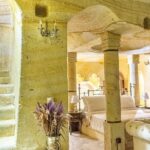
Accommodation is split across five areas with stated counts: 3 nights in Istanbul, 1 night in Canakkale, 2 nights in Kusadasi, 2 nights in Antalya, and 2 nights in Cappadocia. That’s practical. You’re not doing daily hotel changes, and you’re not forcing the same road route over and over.
Your biggest additional cost is entry tickets for historical sites listed as €325 per person. The tour also notes your guide has skip-the-line tickets, so you’re paying for access rather than time delays. For me, that’s a key value piece: it’s not just what you see, it’s how efficiently you get to see it.
Guides and Drivers: What Makes Days Feel Smooth
The experience quality often comes down to guide skill. In the tour stories I’ve seen from this operator, guides like Efe, Metin, and Emre are described as strong on history and timing, and they add humor and personality rather than just reciting facts. Drivers like Okan and Emin get praised for safe, confident driving, including in tight streets and harder winter road conditions.
Even without knowing your exact guide up front, that pattern matters. A good guide helps you with what to focus on, when to move, and how to pace your group. And a good driver keeps the plan on track so you’re not scrambling at each stop.
Should You Book Turkey Explorer 11 Days?
Book this if you want a single-trip “best-of” route that covers Ottoman Istanbul, ANZAC battlefields, ancient ruins, thermal Pamukkale, scenic Antalya, and Cappadocia valleys and underground cities—without you having to stitch logistics together.
Think twice if you hate long days and constant moving. This itinerary is designed to pack a lot into 11 days across big distances. You’ll also need to budget extra for historical site admissions, even with skip-the-line support.
If you’re the right fit, you’ll get a rare thing: Turkey at multiple scales, from city monuments to war memorials to rock-carved churches, all in one coherent arc.
FAQ
What is the duration and starting time for this tour?
The tour runs for approximately 11 days, and the start time is listed as 8:30 am.
Where does the tour take place?
It covers Istanbul and multiple regions across Turkey, including Canakkale, Troy and Pergamon areas, Kusadasi, Antalya, Konya, and Cappadocia.
Is pickup included?
Yes. Airport to hotel transfers are provided, and pickup details ask you to share your international flight details at booking time.
What language is the tour offered in?
The tour is offered in English.
Are entry tickets to historical sites included?
No. Historical site entry tickets are excluded and are listed as €325 per person, though the guide will have skip-the-line tickets.
Are domestic flights included?
There are options. The tour states economy class domestic flight tickets are included if you select the included flight option, otherwise you purchase the domestic flights yourself. Kayseri Airport to Istanbul Airport is part of the route.
Are meals included?
Yes. Breakfast is included 10 times and lunch is included 9 times, based on the meal plan described. Beverage with meals is not included.
Is a hot air balloon flight included?
No. Hot air balloon flights are not included, but you can request the provider to help with reservation.
Is the group size limited?
Yes. The tour/activity has a maximum of 12 travelers.
Can I cancel and get a full refund?
Yes, free cancellation is listed. You can cancel up to 24 hours in advance for a full refund.