REVIEW · ISTANBUL
Hagia Sophia History & Experience Museum Entry Tickets
Book on GetYourGuide →Operated by Herms · Bookable on GetYourGuide
Hagia Sophia gets a tech upgrade inside. I like the multi-sensory exhibits for making the building’s long timeline feel clear, and I like that the digital audio guide is included so you can pace yourself. One drawback to plan for: the ticket is sold as skip-the-line, but you still run into normal security checks and the timed entry doesn’t always mean a fast, frictionless entrance.
This is a self-guided stop in Istanbul’s Marmara Region built around the Hagia Sophia story—from its Byzantine cathedral roots, through its Ottoman mosque era, to its life today as a museum. The experience runs on smart interpretation (interactive displays and tech), so it’s better if you’re curious about how one landmark can switch roles without losing its architectural punch. You’ll want comfortable, non-slip footwear because you’re walking inside a historic structure with original steps.
In This Review
- Key Highlights Worth Marking on Your Day
- Inside Hagia Sophia: What This Museum Ticket Actually Gives You
- Price and Value: How $34 Stacks Up for This Kind of Experience
- Multi-Sensory Storytelling Through Byzantine and Ottoman Eras
- Audio Guide Included: Use It to Control Your Pace
- The Timed Ticket Reality: Lines, Security, and Finding the Entrance
- Museum Rules That Affect Your Visit More Than You’d Think
- Who This Self-Guided Ticket Fits Best
- Should You Book This Hagia Sophia Museum Entry?
- FAQ
- What is included with the Hagia Sophia History & Experience Museum ticket?
- How much does it cost?
- How long is the experience?
- What are the opening hours?
- Is it a guided tour?
- How do I get my tickets and audio guide?
- What age is allowed?
- Is the museum wheelchair accessible?
- What is not allowed inside?
Key Highlights Worth Marking on Your Day
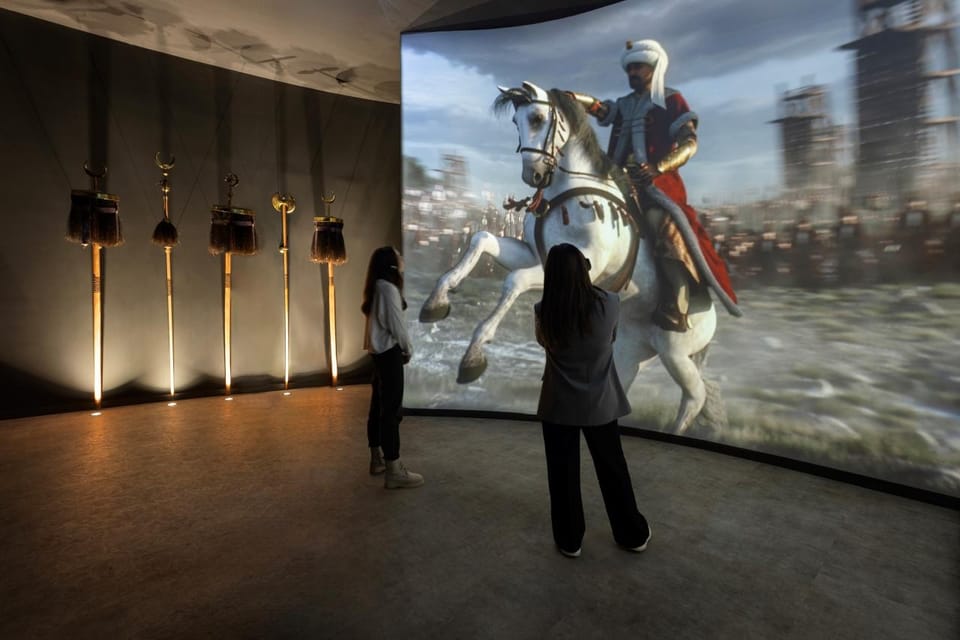
- Multi-sensory, interactive exhibits that help you connect eras and architectural details without needing a live guide
- Byzantine-to-Ottoman storytelling that focuses on how the building changed function while the scale stayed huge
- A digital audio guide included with your ticket so you can slow down at the points that matter to you
- Skip-the-ticket-line entry on paper, but expect security lines during peak hours
- Self-guided visit with no escort, meaning you rely on the QR code and your voucher address
- Clear, strict museum rules (no flash, no video, no selfie sticks) that keep the experience orderly
Inside Hagia Sophia: What This Museum Ticket Actually Gives You
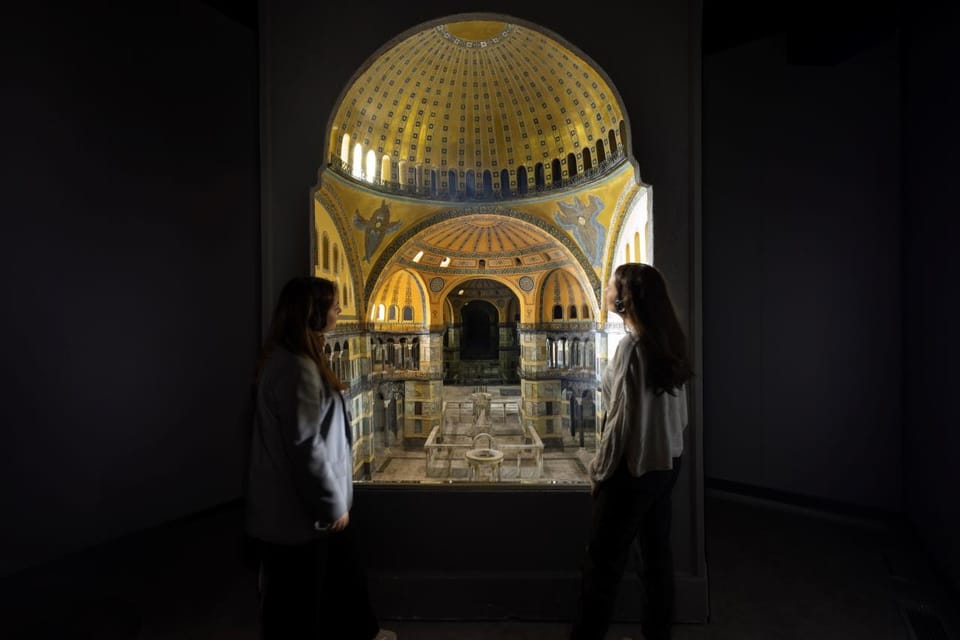
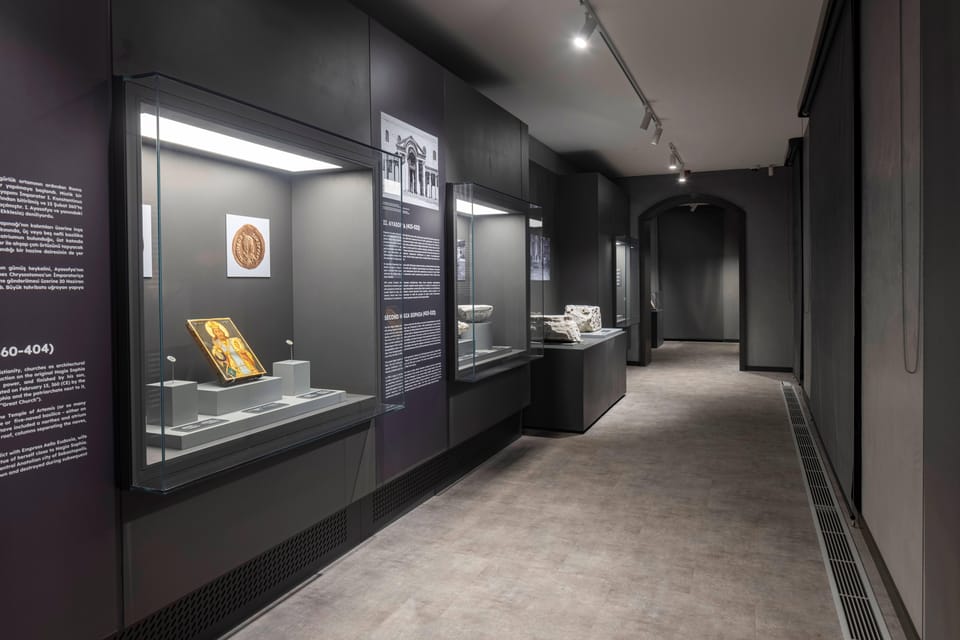
This entry is for the Hagia Sophia History & Experience Museum, not just open-door sightseeing. That matters because the focus is on interpretation: the site is treated like a guided narrative delivered through exhibits, screens, and audio rather than a traditional gallery where you mainly read labels.
You’re looking at a building that already tells a story with its architecture. The museum experience adds the “how” and “why” so you don’t just see big domes and thick walls—you understand what changed when the building shifted from Byzantine cathedral to Ottoman mosque, and later to a museum. The exhibit concept is intentionally multi-sensory, so it’s designed to keep your attention moving instead of letting you get stuck in reading-only mode.
You’re also going in with real time pressure built into how timed ticket entry works. That can be good (you won’t overthink your route), but it can feel rushed if you like to linger, especially if you’re hoping to take a long, seated break. One practical point from how this is set up: you’re largely on your feet and moving between points, so build in a slower mindset even if the clock feels like it’s nudging you along.
A few more Istanbul tours and experiences worth a look



Price and Value: How $34 Stacks Up for This Kind of Experience
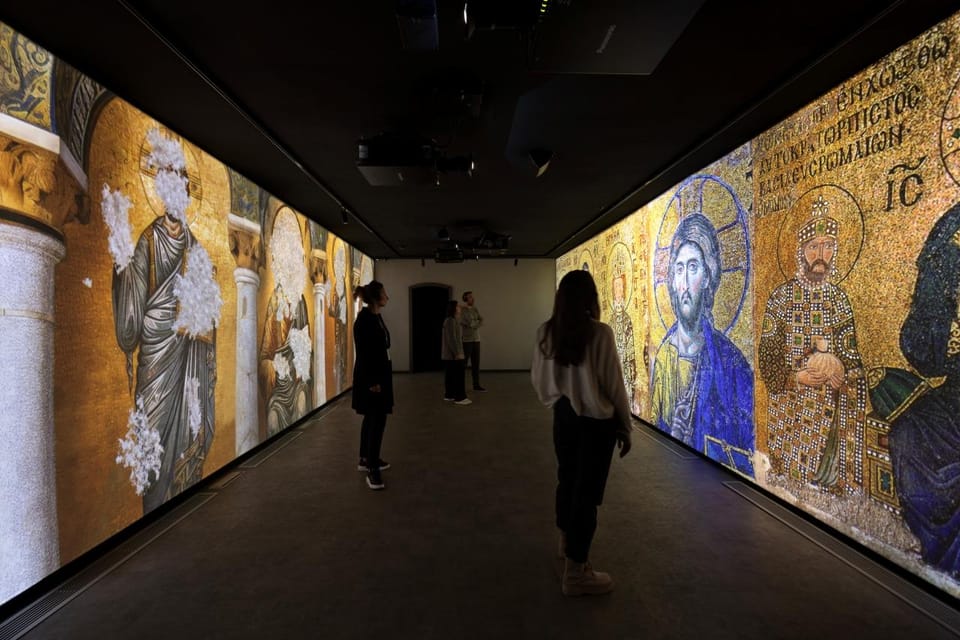
The price listed is $34 per person for a 1-day entry experience. That’s not cheap, but it’s not outrageous either given what you’re buying: museum access plus skip-the-ticket-line entry plus a digital audio guide.
Here’s the value angle I think matters most:
- If you like history but don’t want to wrestle with audio-on-your-own logistics, the included audio guide is the core value.
- If you enjoy architecture and want context, the multi-sensory format can save you time. Instead of piecing together eras in your own head, the exhibits do that framing for you.
- If you’re expecting a truly effortless entrance with priority over everyone else, temper expectations. The ticket doesn’t remove the reality of crowding and security checks.
Is it worth it? For most people who want a guided feeling without paying for a guided tour, yes—especially if you’re going during busy hours and want your entry to be organized around a scheduled time. If you already know the Hagia Sophia basics and you’re very sensitive to standing and pacing, you might feel like you paid for interpretation you could also find online. The good news is you can control how you use the audio guide once you’re inside.
Multi-Sensory Storytelling Through Byzantine and Ottoman Eras

The heart of this museum ticket is the storyline. The experience is built around the Hagia Sophia’s major chapters—Byzantine origins, Ottoman era, and the building’s present life as a museum. That chronological arc is useful because it turns what could feel like a confusing mix of styles into something you can follow.
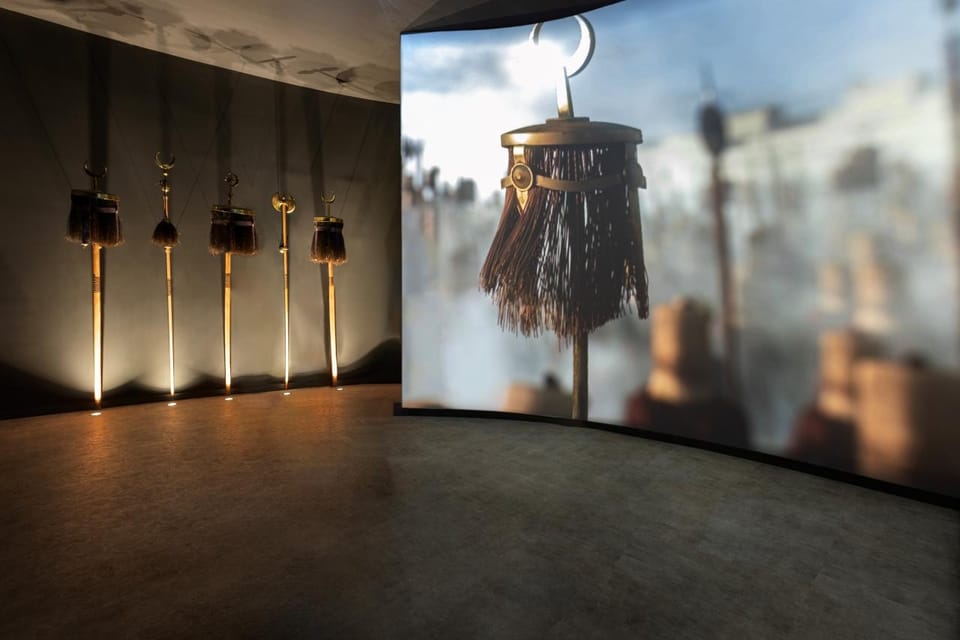
What I like about this format is that it’s not limited to static interpretation. The museum uses interactive displays and innovative technology to highlight architectural ideas and cultural significance. That’s especially helpful for a landmark like Hagia Sophia, where the visual impact is so strong that your brain can get overwhelmed. The exhibits help you sort out what to notice first: the big geometric statements, the way elements connect, and how the building’s meaning shifts with time.
The museum also frames the structure as a symbol tied to cultural and religious coexistence and artistic achievement. You’ll see this theme in how the experience connects eras rather than treating each period like a separate building with no continuity.
Potential downside: you don’t get the freedom of a slow, open-ended museum stroll. The experience is designed as a structured journey, and in some cases that can feel like a sprint rather than a wander. If you’re the kind of visitor who likes to pause, sketch, read every panel, and sit down often, plan to adapt your pace.
Audio Guide Included: Use It to Control Your Pace
Your ticket includes a digital audio guide, delivered through an app link shown in your voucher. In practice, this is great because you’re not stuck trying to read while moving. Audio also lets you match your interest level: you can stay with a section longer if you want more detail, or move ahead when you’re ready.
A key detail: you receive ticket info with a QR code by email and WhatsApp (if you use it) one day before your visit. That means you can’t fully rely on last-minute phone tricks at the site. You’ll want to check your email/WhatsApp ahead of time, then download or open the audio guide link through the separate app so you’re ready before you enter.
I also recommend setting expectations for the audio content type. The museum leans heavily on digital audio and visuals, so if you strongly prefer human storytelling, you may miss that element. On the flip side, self-guided audio is often faster and more consistent than waiting for a schedule.
Practical tip: keep your phone on silent once you’re inside. The museum asks you to silence your phone, and that’s not just polite—it makes the audio experience more comfortable for everyone.
The Timed Ticket Reality: Lines, Security, and Finding the Entrance
Let’s talk logistics the way you’ll feel them on the ground. You have a scheduled, timed entry concept, and you’ll get skip-the-ticket-line entry included. But you should still expect lines at security checkpoints during peak seasons.
That’s the part worth planning around: getting to Istanbul’s Hagia Sophia area with time to spare. Even if your ticket has a convenient entry lane, security can still slow you down. Also note that your ticket does not provide priority access in the broad sense. In the busiest periods, entry may take longer than usual.
Then there’s the self-guided piece. This isn’t a guided tour, so you’re responsible for entering on your own at the provided address. Your confirmation message (from the activity provider) includes direction details, but if you’re going when it’s crowded, don’t rely on locals knowing the exact meeting/address point instantly. When things are confusing, it’s usually because multiple people are trying to solve the same puzzle at once.
My best advice: show up early, keep your QR code ready, and take a minute to confirm you’re at the right entrance before you queue.
You can also read our reviews of more historical tours in Istanbul






Museum Rules That Affect Your Visit More Than You’d Think
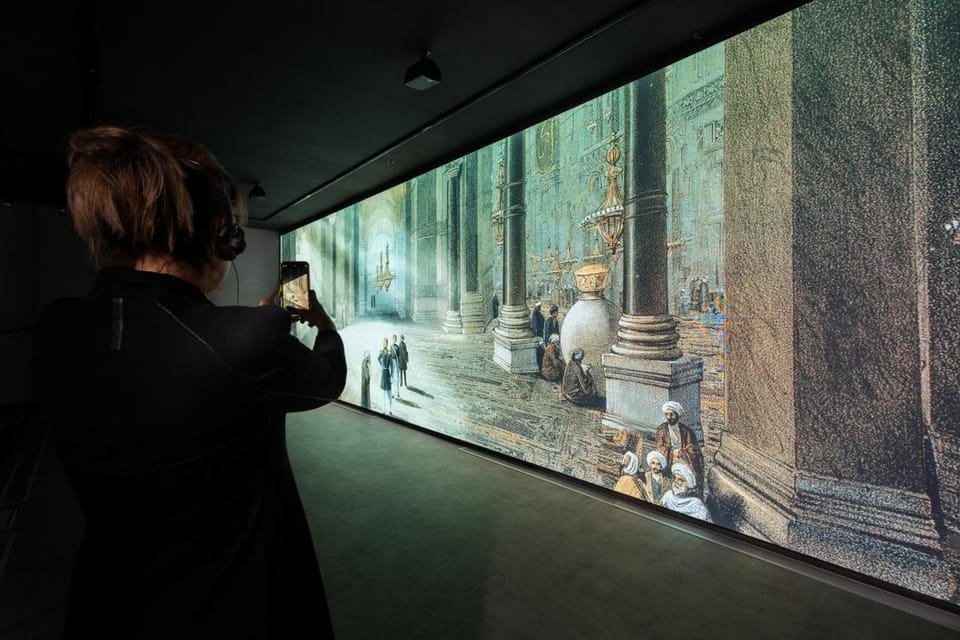
The museum has strict rules, and they shape your experience more than you might expect. If you show up unprepared, the “on your own” setup can turn into a time drain.
Here’s what matters most:
- No food and drinks inside
- No luggage or large bags
- No pets (assistance dogs allowed)
- No weapons or sharp objects
- No selfie sticks
- No flash photography, and no video recording
- No touching exhibits
- No smoking
- Keep noise down
- Avoid loose clothing
- Phone should be silenced inside
- No flashlight
Two practical implications:
First, pack light. A big bag slows down everything—especially in security. Second, plan for how you photograph. If you like taking lots of pictures, you’ll need to adjust your expectations since flash is prohibited and video recording is not allowed.
Also, because the museum sits inside a historic structure with original steps, wear non-slip shoes. You’ll be walking on surfaces that are not designed for sprinting or wearing slippery footwear.
If you’re wheelchair using: the museum is wheelchair accessible, but they recommend bringing a companion to navigate the exhibit areas comfortably. Given the steps and original layout, it’s one of those “possible but easier with help” situations.
Who This Self-Guided Ticket Fits Best
This ticket fits best if you want structure without a live guide. You’ll like it if:
- You enjoy history but don’t want to hunt for context yourself
- You’re happy using a digital audio guide to understand what you’re seeing
- You want a clear Byzantine-to-Ottoman narrative delivered through tech and interactive exhibits
- You’re visiting on your own schedule and don’t need group management
You might want to think twice if:
- You need frequent seating breaks or you’re very mobility limited. Reports point to not much seating and a faster pace than some people expect.
- You already feel fully informed about Hagia Sophia and you strongly prefer human-guided storytelling rather than audio/video interpretation.
- You’re going extremely close to your ticket time with zero buffer. When crowds build, even a timed ticket can still feel slow.
Age note: the museum entry age limit is 8 years and above, and you should supervise children over 8 to ensure they behave appropriately.
Should You Book This Hagia Sophia Museum Entry?
I’d book it if you want an easier path to understanding Hagia Sophia’s multiple eras without paying for a guided tour. The combo of entry ticket + audio guide + interactive, multi-sensory exhibits is a strong value for a landmark this big and visually overwhelming. It also saves you from needing to research the building’s story in advance—you’ll be guided through it on site.
I’d skip or reconsider if you’re expecting true priority entry with zero crowd friction, or if you know you’ll struggle with standing and walking on historic steps. Also be honest with yourself about what you enjoy: if you prefer reading and quiet looking, a technology-heavy experience may feel repetitive. If you like audio context and hands-on interpretation, it’s a good match.
If you do book, go early, keep your QR code ready, and plan for security lines. Then you can enjoy the main event: a building that has changed roles over centuries, explained in a way that makes you notice more than you thought you would.
FAQ
What is included with the Hagia Sophia History & Experience Museum ticket?
Your ticket includes entry, skip-the-ticket-line entry, and a digital audio guide. Food and beverages and a guide/tour are not included.
How much does it cost?
The price is listed as $34 per person.
How long is the experience?
The experience is listed as lasting 1 day. You’ll have a timed entry concept within that day.
What are the opening hours?
The museum is open from 9:00 a.m. to 7:00 p.m. (19:00).
Is it a guided tour?
No. This is not a guided tour. You enter on your own using your tickets at the provided address.
How do I get my tickets and audio guide?
You receive ticket information with a QR code by email and WhatsApp (if used) one day before your visit. The digital audio guide link is provided through a separate app and is also visible in your voucher.
What age is allowed?
The age limit is 8 years old and above.
Is the museum wheelchair accessible?
Yes, it is wheelchair accessible, and wheelchair-using visitors are recommended to bring a companion to navigate the exhibit areas comfortably.
What is not allowed inside?
Items not allowed include food and drinks, luggage or large bags, selfie sticks, flash photography, video recording, flashlights, smoking, weapons/sharp objects, and touching exhibits. Pets are not allowed (assistance dogs allowed).