REVIEW · ISTANBUL
Istanbul: Turkish Baklava Cooking Class with a Local Host
Book on GetYourGuide →Operated by Lokal Bond · Bookable on GetYourGuide
Baklava sounds simple until you make the dough yourself. In a small apartment kitchen in Istanbul, I love how this class turns a dessert into a hands-on story you can taste. You’ll work through paper-thin layers and warm walnut syrup the way Turkish families have done for generations, guided by Rojda.
I especially liked learning dough steps from scratch and then getting that classic syrup moment right after baking. The class also includes tea and leaves you with extra baklava to share. The main thing to consider is the setting: it’s a home kitchen with lots of flour and hands-on work, so wear something you’re OK getting a little sticky.
In This Review
- Key things to know before you go
- A Cozy Istanbul Apartment Where Baklava Starts With Your Hands
- Meet Rojda, Learn the Family Angle, Then Get Cooking
- Rolling the Dough Into Paper-Thin Layers (Yes, It’s Work)
- Walnut Filling and the Layering Rhythm That Makes It Taste Right
- The Warm Syrup Moment: The Part You’ll Remember
- Tea, Tasting, and What It Means to Eat Your Own Baklava
- English-Taught Steps, Small-Group Attention, and the Reality of a Home Kitchen
- Price: What $142 Buys You (and When It’s a Great Deal)
- Who Should Book This Baklava Class (and Who Might Skip It)
- Should You Book the Turkish Baklava Cooking Class with Rojda?
- FAQ
- Where does the workshop take place?
- How long is the Turkish baklava class?
- What group size is this cooking class?
- Does the class teach baklava from scratch?
- What’s included in the price?
- What languages are used during the class?
- Can I cancel or change my plans?
Key things to know before you go
- Small-group format (up to 6): more coaching, less waiting, and easier conversation in English or Turkish.
- Rojda’s family recipe background: she learned the craft from her grandmother and teaches it her way.
- Layering is the whole point: you’ll roll dough thin—sometimes up to around forty layers.
- Warm syrup finish: you pour while it’s warm, so the texture locks in.
- You eat what you make, plus take some home: Turkish tea comes with the tasting.
A Cozy Istanbul Apartment Where Baklava Starts With Your Hands
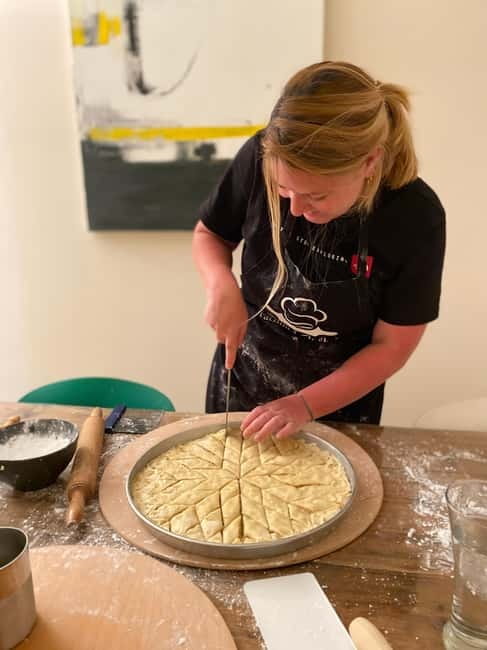
If you’ve ever bought baklava in a shop, you already know it’s delicious. What you may not realize is how much of the magic comes from the process: dough handling, layering, and timing. This class is built around that “from scratch” feeling, in a home kitchen rather than a studio.
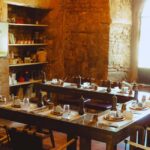
Meeting you at her home matters. It instantly changes the vibe from tourist activity to real local routine. The air shifts the moment butter and syrup start warming in the kitchen, and the whole apartment feels like it has one job: help you understand baklava the way locals do.
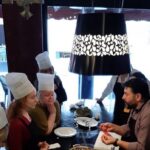
You get a small-group workshop, limited to 6 people. That size isn’t just a nice perk. It means you’ll get real attention while you knead, roll, and layer, instead of doing it on your own with a quick demonstration.
You can also read our reviews of more cooking classes in Istanbul
Meet Rojda, Learn the Family Angle, Then Get Cooking
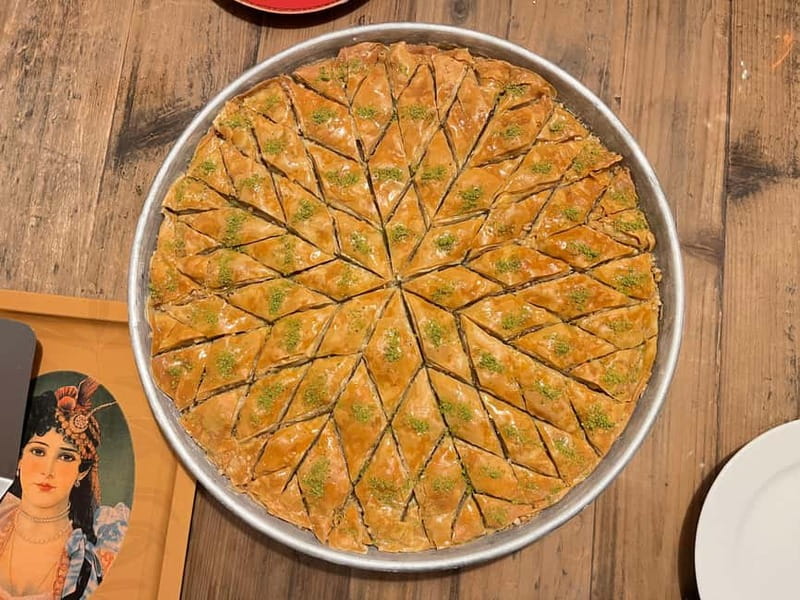
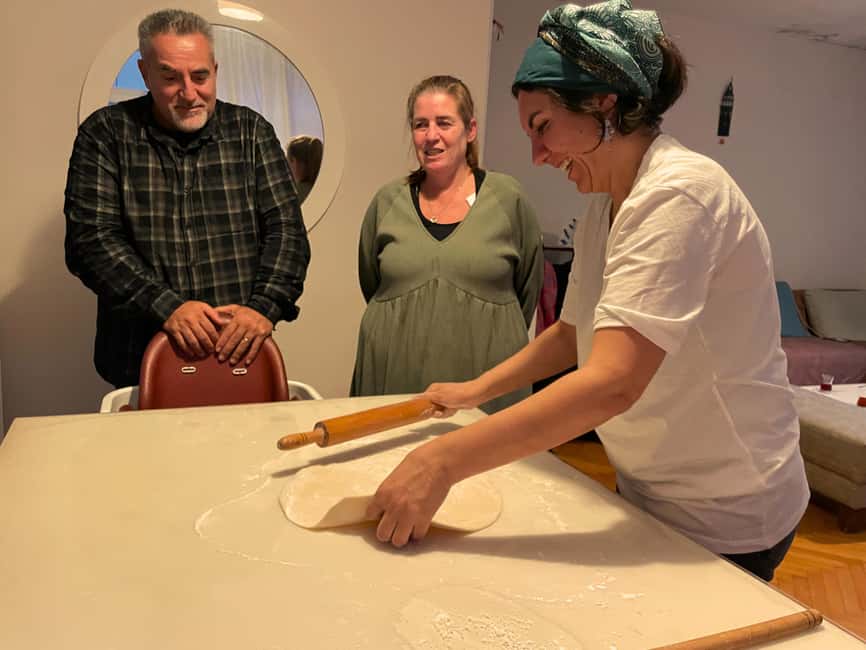
The host for this experience is Rojda. She learned baklava making from her grandmother and now opens her kitchen to travelers who want to work—not just watch. That family connection shows up in how she explains the steps: she’s teaching technique, but also why the technique matters.
This is where the class feels most “worth it.” A recipe alone won’t teach you how to roll thin dough without tearing it or how to handle the filling so every bite tastes balanced. In a small room, you can ask questions and get corrections, especially if you’re new to making layered pastries.
One of the nicest parts is that the evening doesn’t feel locked to a schedule of only classroom talk. In one experience, Rojda even offered to let a participant join her family and friend for dinner while the baklava baked. You shouldn’t count on an invitation every time, but the lesson is clear: hospitality is part of the experience, not just the marketing.
Rolling the Dough Into Paper-Thin Layers (Yes, It’s Work)
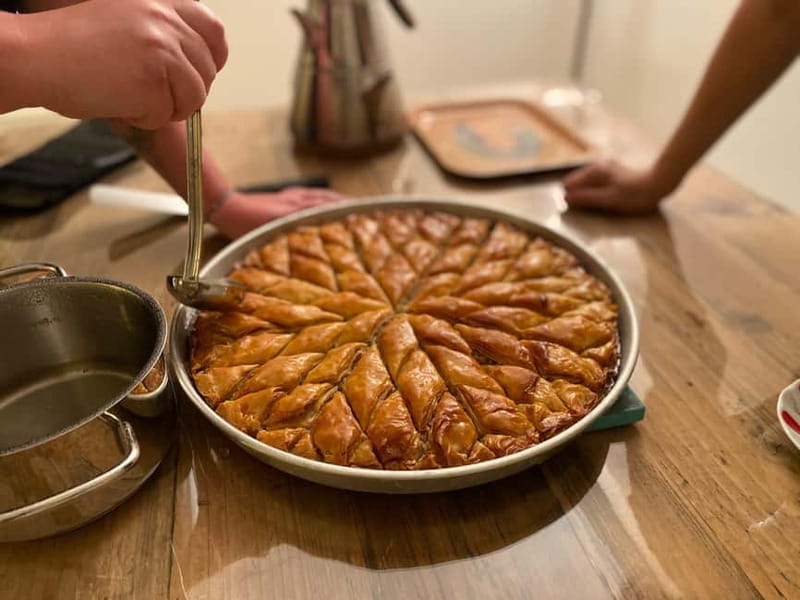
Most baklava lovers focus on the nuts and syrup. This class starts earlier: dough. You’ll prepare it, knead it, and roll it out into delicate, very thin sheets. In Turkish baklava, thin layers are the structure that creates that crisp, flaky, shatter-and-melt texture.
Here’s a detail worth paying attention to: you may roll and stack as many as forty layers. That sounds like a number from a cookbook, but it also explains what makes baklava feel so light. Thin sheets create more edges. More edges means more crisp. More crisp means syrup has something to grab onto without turning everything soggy.
This is the part where you should mentally switch from “cooking class” to “practice session.” Your first roll might not be perfect. Your second might tear and you’ll need to adjust. That’s normal. The goal is understanding the feel—how dough stretches, how it behaves when you layer, and how patience changes the outcome.
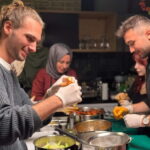
Also, plan on hands-on time. You’ll be actively making the baklava rather than watching someone else do the tricky part. If you like learning by doing, this is a standout moment.
Walnut Filling and the Layering Rhythm That Makes It Taste Right
After the dough work, you’ll move into the sweet walnut filling. You’re not just sprinkling nuts. You’ll craft the filling as part of the workshop, so you understand how the sweetness and texture fit with the pastry.
Then comes the layering rhythm. You’ll build the baklava layer by layer, which is exactly where technique becomes flavor. Too much filling in one spot and the pastry can bake unevenly. Not enough, and every bite won’t taste balanced. It’s the kind of step that looks simple until you do it and realize you’re aiming for consistency.
This is also where a smaller group helps again. When you’re working carefully, you need quick feedback: spacing, thickness, and how to manage the stack without losing shape. You’ll likely get that through the English-speaking support, with help also available in Turkish.
In other words, you’re not only learning a dessert. You’re learning a method you can repeat later.
The Warm Syrup Moment: The Part You’ll Remember
Baked pastries are one thing. Baklava is something else because of what happens next. After your creation bakes, you’ll pour warm syrup over it. That step matters more than most people realize.
Warm syrup helps it soak in the right way. Cool syrup can sit on top. Hot syrup can flood. Getting the “right warmth” is how you keep the layers crisp while still getting that sweet, fragrant finish that makes baklava feel luxurious.
And this is the part that makes your effort feel instantly rewarded. You’ve been working dough and layers with focus. Then the kitchen transforms again as syrup hits the baked pastry. The smell changes fast, and the room gets that unmistakable baklava vibe.
If you want a souvenir to take home, this is your moment. The syrup pour is dramatic in a small-kitchen way, and it’s the step you can’t fake from memory.
A few more Istanbul tours and experiences worth a look


Tea, Tasting, and What It Means to Eat Your Own Baklava
When the baklava is ready, you’ll taste what you made alongside Turkish tea. That pairing is practical and smart. Tea keeps the sweetness balanced and gives you something familiar to compare textures with—crisp layers, syrup absorption, and nut filling.
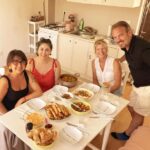
I also like that you’re not rushed at the end. You’ll have time to eat, ask questions, and chat. In a home setting, that conversation often turns to family traditions, the role of desserts in Turkish hospitality, and why baklava gets made for people you care about.
In fact, one of the key ideas shared in the experience is simple: baklava isn’t only dessert. It’s something you make for someone you love. That’s not a dramatic line. It’s a practical mindset. It explains why the steps matter and why hosts take time with the craft.
Finally, you’ll get baklava to take home. This is a real value add. You’re not leaving with photos and a sugar memory. You’ll be able to share what you made, and you’ll be able to taste it the next day too, when the syrup and layers settle into a different texture.
English-Taught Steps, Small-Group Attention, and the Reality of a Home Kitchen
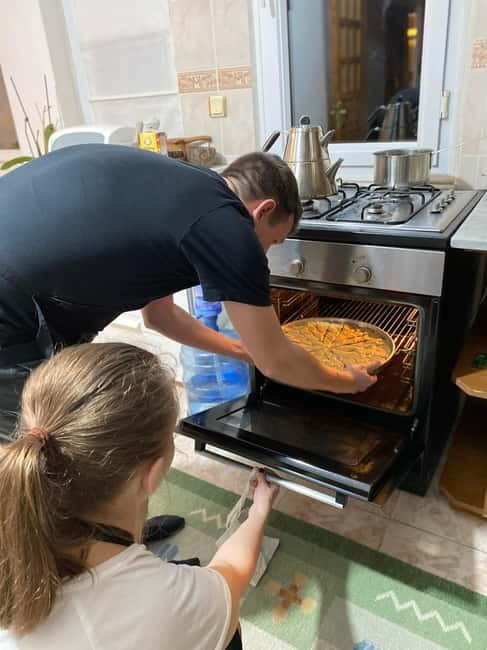
This workshop runs in English and Turkish. That’s useful if you’re comfortable with basic Turkish terms, but even if you’re not, you should be fine. You’ll get instruction in a way that helps you follow along step-by-step.
The group size is limited to 6 participants. If you’ve ever been in larger cooking classes, you know how that changes things. Small groups don’t just feel friendlier. They reduce downtime and increase feedback when your dough starts acting different than expected.
One more practical point: you’re cooking in a home. That’s part of the charm, but it also means the kitchen setup may feel more personal than “professional.” Expect some flour mess. Plan to wear sleeves you don’t mind adjusting and something you can wash.
If you’re the type who wants everything spotless and quiet, this might feel a little more chaotic than a formal cooking studio. If you want real life in the kitchen, it’s exactly right.
Price: What $142 Buys You (and When It’s a Great Deal)
At $142 per person for 3 hours, you’re paying for more than ingredients. You’re paying for technique coaching in a small group, with a named host and a real home-kitchen experience. You also get Turkish tea and baklava to take home, which helps bring the “value” side into focus.
Is it a bargain? Not really. But it can be excellent value if you’re serious about learning. You’re not paying just to eat sweets. You’re paying to build a skill: dough handling, layering, walnut filling, and the warm syrup finish.
Compare this to a typical tasting tour where you pay for bites and photos. This is different. You end with a product and a method you can repeat. If you’ve ever thought, I want to make this at home, this workshop is one of the clearer ways to get there without guessing.
It’s also ideal if you want a cultural experience that doesn’t feel staged. Baklava is culture you can measure in texture and steps.
Who Should Book This Baklava Class (and Who Might Skip It)
This class is a great fit if:
- You enjoy hands-on activities more than watching.
- You want a small-group experience with a personal host, not a large group bus ride.
- You like pastry technique and want to understand layering and syrup timing.
- You’d rather bring something home you actually made.
You might choose something else if:
- You dislike mess or flour-covered work.
- You prefer purely guided sightseeing over cooking.
- You want zero practical tasks and mostly want to observe.
For most people who like food and learning, this is a strong match.
Should You Book the Turkish Baklava Cooking Class with Rojda?
If you want a memorable Istanbul food moment that goes beyond eating, I’d book it. The best part is that you leave knowing how baklava is built: thin dough layers, walnut filling, baking, and the warm syrup finish.
The small group size, named host Rojda, and the real home setting make it feel personal without being vague or overly scripted. Add Turkish tea and the take-home baklava, and you’ve got a full arc: learn, cook, taste, share.
One final thought: treat this as a workshop, not a performance. Show up ready to get your hands involved, and you’ll get the kind of food experience that sticks.
FAQ
Where does the workshop take place?
It’s held in a cozy Istanbul apartment, and you’ll be welcomed at the host’s home.
How long is the Turkish baklava class?
The experience lasts 3 hours.
What group size is this cooking class?
It’s a small group limited to 6 participants.
Does the class teach baklava from scratch?
Yes. You’ll prepare the dough, roll it into thin layers, make the sweet walnut filling, bake the baklava, and pour warm syrup over it.
What’s included in the price?
The workshop includes the baklava making class, ingredients, Turkish tea and baklava to taste, and baklava to take home.
What languages are used during the class?
The instructor speaks English and Turkish.
Can I cancel or change my plans?
Free cancellation is available up to 24 hours in advance for a full refund. You can also reserve now and pay later.