REVIEW · ISTANBUL
Istanbul: Traditional Whirling Dervishes Near Hagia Sophia
Book on GetYourGuide →Operated by Payless Turizm · Bookable on GetYourGuide
One hour, and time slows down. Just a short walk from Hagia Sophia, this Whirling Dervish Ceremony puts you in a calm, intimate setting to watch the Mevlevi ritual, guided by spoken context and live Sufi music.
I really like how the experience is more than watching bodies spin. I love the combination of live instruments (like the ney, kudüm, and kanun) with pre- and post-ceremony commentary that explains the meaning behind the movements. My other big win is the multilingual digital guide that helps you follow along without guessing. The main drawback to plan for: seating is unassigned and limited, and this is a respectful, quiet spiritual ritual, not a theater show.
In This Review
- Quick Take: Key Things to Know Before You Go
- Where You’ll Be: The Calm Setting Near Hagia Sophia
- What You Do First: Pre-Ceremony Commentary That Makes It Make Sense
- The Ceremony Itself: Mevlevi Whirling in a Respectful Atmosphere
- Live Sufi Music: Ney, Kudüm, Kanun, and Why You Hear It Differently
- Understanding the Meaning: Rumi, Unity, and Symbolism You Can Actually Follow
- Using the Multilingual Digital Guide Without Feeling Lost
- Etiquette and Rules: How to Behave in a Spiritual Moment
- Duration and Pace: Why 1 Hour Works
- What’s Included: Admission, Music, Commentary, and a Small Comfort
- Price and Value: Is $23 Worth It for an Istanbul Hour?
- Who This Fits Best (and Who Might Skip It)
- Leaving the Ceremony: Tea, Sherbet, and a Softer Way Back
- Should You Book This Whirling Dervish Ceremony Near Hagia Sophia?
- FAQ
- How long is the Whirling Dervish ceremony experience?
- Where does the meeting point start?
- Is transportation included?
- What’s included in the ticket price?
- Do I skip the ticket line?
- Is there live Sufi music?
- Are flash photos or noise allowed?
- Is the experience suitable for kids?
- Is there a restroom during the ceremony?
- What languages are available for guidance?
Quick Take: Key Things to Know Before You Go
- A short walk from Hagia Sophia makes it easy to fit into an Istanbul day.
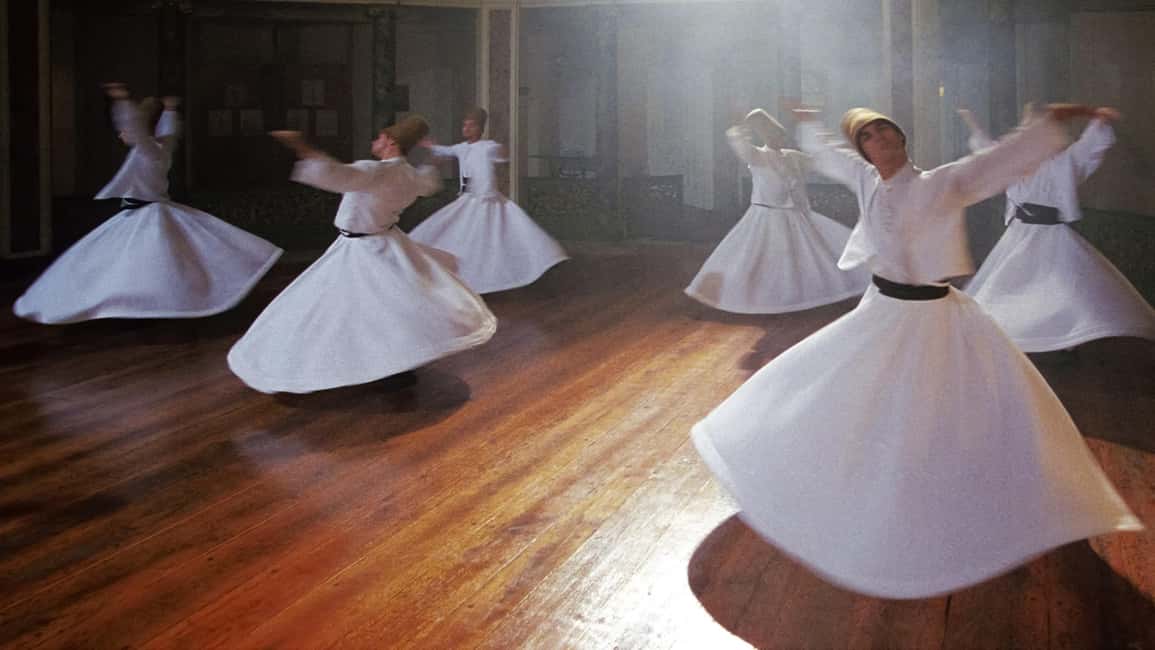
- Live Sufi music is performed with traditional instruments like the ney, kudüm, and kanun.
- Commentary explains the philosophy tied to Rumi and the Mevlevi tradition before and after the whirling.
- Digital guidance in 7 languages helps you understand what you’re seeing as it happens.
- Unassigned limited seating means you should arrive early if you care about sightlines.
- Turkish tea or sherbet is included after the ceremony to help you land back in the real world.
Where You’ll Be: The Calm Setting Near Hagia Sophia
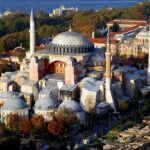
Istanbul has plenty of big-ticket sights, but this one is small-scale in the best way. You’ll be just a short walk from Hagia Sophia, and that proximity matters: you can go from sightseeing mode to quieter, reflective mode without a long commute.
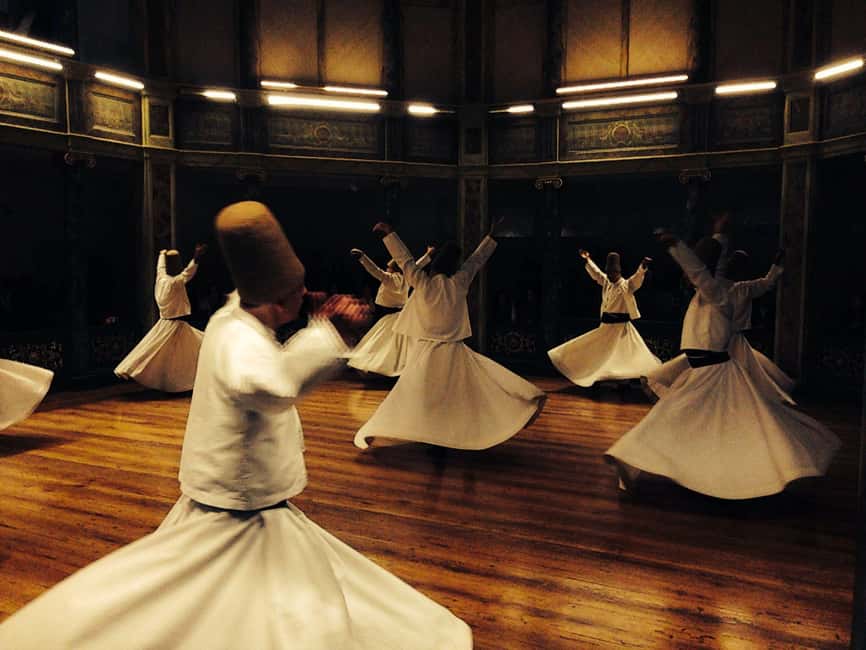
The venue itself supports the mood. You get historic wooden details and soft lighting, which helps the ceremony feel like a genuine ritual space, not a pop-up performance area. That’s a big deal because the whirling is meant to be experienced with attention, not as background entertainment.
You can also read our reviews of more tours and experiences in Istanbul.



What You Do First: Pre-Ceremony Commentary That Makes It Make Sense
Before the whirling begins, you’ll hear from a host who sets the scene. This is not just a basic intro. You’ll get useful context on where the Mevlevi tradition came from and how Rumi’s ideas shaped it.
The practical value here is huge. Without context, the ceremony can feel like a beautiful dance with no map. With the explanation, you’re more likely to notice the symbolism in the gestures and the robe elements, and you can track what the movements are trying to express—divine love and unity, not just choreography.
If you’re the type who likes meaning as much as visuals, this pre-ceremony segment is one of the best reasons to choose this particular option. It helps you look at the ritual the right way from the start.
The Ceremony Itself: Mevlevi Whirling in a Respectful Atmosphere
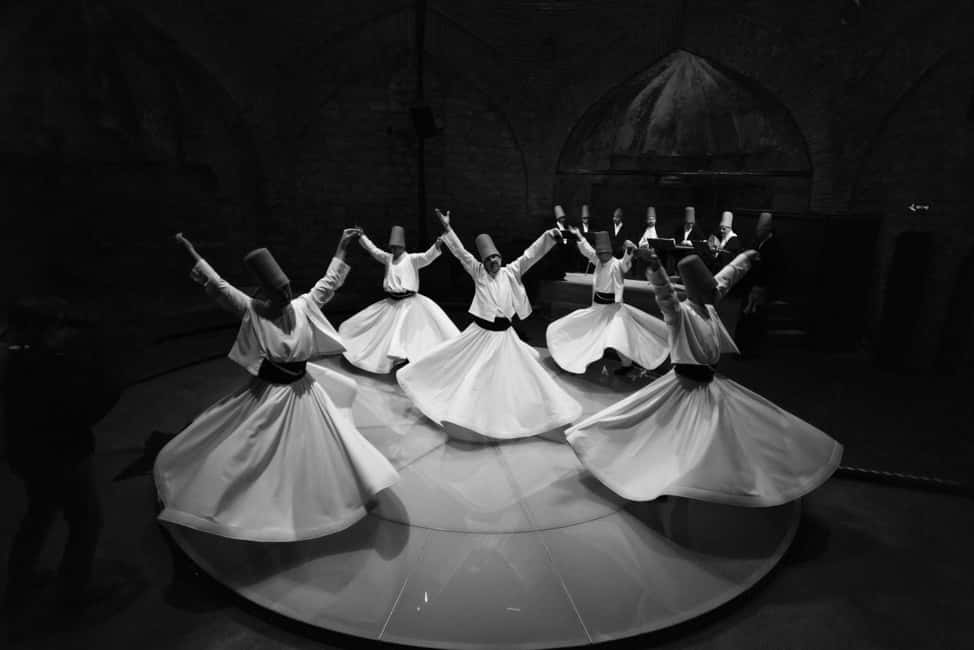
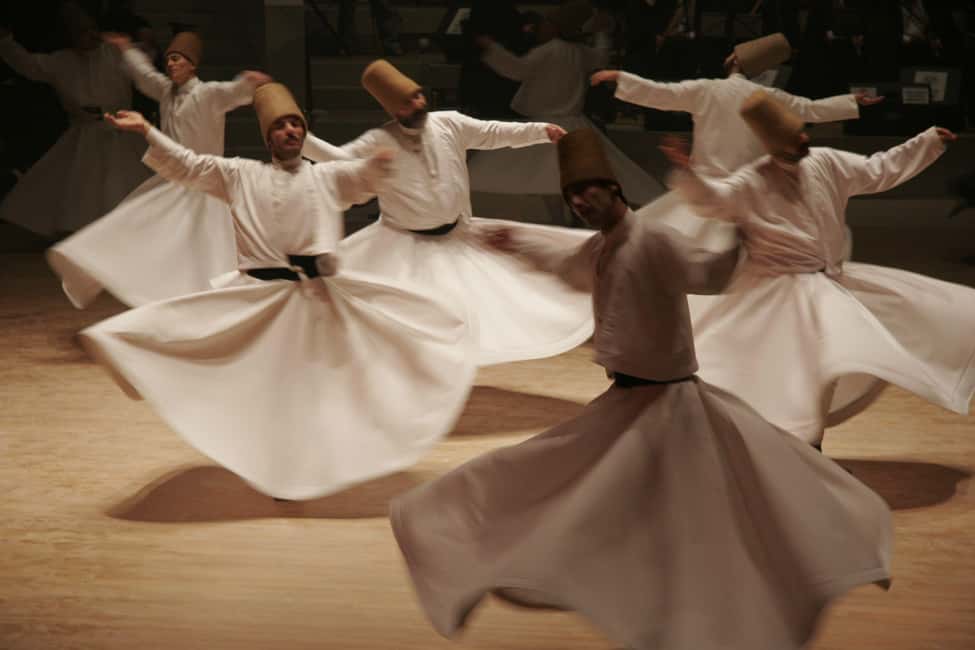
The core experience is the whirling ritual itself, performed by dervishes in white garments, turning to the rhythm of sacred music. The pace is slow, controlled, and hypnotic, and the space encourages silence rather than chatter.
This is a spiritual ritual, not a theatrical show. You shouldn’t expect hype, big speeches, or audience interaction tricks. Instead, you’re there to witness respectfully and let the symbolism and music do the work.
One practical note: seating is unassigned and limited. If you care about a clear view, arriving early is your best move. Otherwise, you might end up in a spot where you can see faces but not follow the full motion—or see movement but miss fine details.
Live Sufi Music: Ney, Kudüm, Kanun, and Why You Hear It Differently
One of the most praised parts of this experience is the live Sufi music. Not recorded tracks. Not a playlist. Real musicians performing traditional instruments that shape the rhythm of the ceremony.
Here’s what that means for you in real terms: the music isn’t decoration. It’s part of the timing and the atmosphere. The ney (reed flute) gives the sound a haunting, airy quality. The kudüm (small drums) provides a steady heartbeat. The kanun (zither) adds layered, flowing tones that help glue the whole soundscape together.
If you’ve never heard these instruments performed live, the first minutes can feel like stepping into a different audio world. It’s also why the ceremony lands emotionally even when you don’t catch every concept right away.
Understanding the Meaning: Rumi, Unity, and Symbolism You Can Actually Follow
This is where the commentary and the multilingual support earn their keep. The host explains the origins and philosophy tied to Rumi and the Mevlevi order, and that gives you a framework to interpret what you’re seeing.
You’ll learn that every gesture and movement carries significance. Even simple things—like how the dervishes hold their arms, the role of turning, and the flow of the ceremony—are part of a spiritual journey toward divine love and unity.
Is it going to become a full class on Sufi studies? Probably not. But it does give you enough grounding that the whirling stops being random spectacle and becomes something you can understand. For most visitors, that’s the sweet spot.






Using the Multilingual Digital Guide Without Feeling Lost
I like that the experience includes a digital multilingual guide available in seven languages. It helps you avoid the classic problem: you’re watching something meaningful, but you’re stuck trying to read the room like it’s a puzzle.
The guide is designed to help you connect what you’re seeing with what it means. And there’s an optional audio guide too, offered in English, German, French, Italian, Russian, Spanish, and Arabic. So if you’re not fluent in the host language, you still have support.
Practical tip: use the guide early, before the whirling starts. Once the ceremony begins, your attention should go to the dervishes and the sound. The goal is to enrich your understanding, not to turn the ritual into a screen-tapping exercise.
Etiquette and Rules: How to Behave in a Spiritual Moment
If you take one thing from this review, let it be this: keep it quiet and respectful. The ceremony expects silence from the audience. Flash photography isn’t allowed, and making noise is also not allowed.
This matters because the ritual is built on reverence. When people talk, it breaks the focus. When someone uses flash, it interrupts what should feel like a calm, reflective space. Think of it like a live service: you don’t need to understand every detail to act appropriately.
Also remember the restroom setup. Facilities are available before and after, but not during the ceremony. So handle that before you sit down.
Duration and Pace: Why 1 Hour Works
The whole experience runs about 1 hour. That’s a smart length for first-timers, especially if you’re also visiting major landmarks nearby. You get enough time to feel the rhythm and settle into the atmosphere without it dragging.
The pace is gentle. You’re not being rushed through a checklist of photos. The ceremony’s slow flow also means your mind has time to catch up. For people who get overwhelmed by Istanbul crowds, this kind of time structure feels like a breather.
What’s Included: Admission, Music, Commentary, and a Small Comfort
This experience includes several things that add up to good value:
- Admission to the Whirling Dervish Ceremony
- Live performance with traditional Sufi music
- Pre- and post-ceremony commentary by a host
- Digital multilingual guide
- Complimentary Turkish tea or sherbet after the ceremony
That tea or sherbet detail is small, but I like it. It gives you an easy landing after the ritual. Instead of walking out straight back into noise, you get a moment to reset.
What’s not included is transportation and food or additional drinks. So plan to walk over from your area or use local transit based on where you’re staying.
Price and Value: Is $23 Worth It for an Istanbul Hour?
$23 per person for a 1-hour ceremony may sound simple at first glance, but the value comes from what’s bundled into that price.
You’re paying for admission plus live traditional music plus the explanation component (pre- and post- commentary) plus a multilingual digital guide. Then you also get a complimentary drink. That turns the experience from a basic ticket into something that helps you understand what you’re seeing.
When I judge value, I ask: will I feel informed and satisfied when I leave? Here, the host commentary and guide support are exactly what prevent the experience from feeling like a motion blur. If you’re open to respectful silence and want meaning with your sightseeing, $23 can feel like a fair deal for what you get.
Who This Fits Best (and Who Might Skip It)
This is ideal for adults and culture lovers who want an authentic spiritual performance, not a stage-managed entertainment product. If you’re already intrigued by Rumi, the Mevlevi order, or Sufi traditions, you’ll likely get more out of the commentary.
It’s also a good choice if you’re the kind of traveler who likes structure: a short clear window, a focused theme, and a guided context that helps you interpret without homework.
Not suitable for children under 2 years. And if you hate quiet environments or you’re hoping for showmanship, you might find the lack of theatrical pacing a mismatch. This ritual asks for patience and respect.
Leaving the Ceremony: Tea, Sherbet, and a Softer Way Back
After the whirling ends, the experience closes with post-ceremony commentary and then a complimentary Turkish tea or sherbet. That flow is intentional. It helps you process what you just witnessed instead of jumping straight into the next attraction.
You’ll also likely feel calmer walking back out. The ceremony is designed to change your tempo. In Istanbul, that can be a gift.
Should You Book This Whirling Dervish Ceremony Near Hagia Sophia?
If you want a meaningful cultural experience that stays grounded in the ritual itself, I’d book it—especially because it’s near Hagia Sophia and lasts just 1 hour. The live music, the Rumi/Mevlevi context from the host, and the multilingual digital guide are the key reasons this isn’t just watching something pretty. It’s understanding something.
But book with the right expectations. This is a spiritual moment with rules: no flash, no noise, and respectful silence is part of the deal. Also, arrive early if you care about where you sit, since seating is limited and unassigned.
FAQ
How long is the Whirling Dervish ceremony experience?
It lasts about 1 hour.
Where does the meeting point start?
The meeting point may vary depending on the option you book.
Is transportation included?
No. Transportation to and from the venue is not included.
What’s included in the ticket price?
You get admission to the ceremony, the live performance with traditional Sufi music, pre- and post-ceremony commentary, and a digital multilingual guide. Turkish tea or sherbet is also included.
Do I skip the ticket line?
Yes, it includes skip-the-ticket-line access.
Is there live Sufi music?
Yes. The ceremony includes live Sufi music performed on traditional instruments such as the ney, kudüm, and kanun.
Are flash photos or noise allowed?
No. Flash photography is not allowed, and making noise is not allowed.
Is the experience suitable for kids?
It’s not suitable for children under 2 years.
Is there a restroom during the ceremony?
Restrooms are available before and after, but not during the ceremony.
What languages are available for guidance?
The host or greeter is English, and the digital multilingual guide is available in seven languages. An optional audio guide is also available in English, German, French, Italian, Russian, Spanish, and Arabic.