REVIEW · ISTANBUL
Istanbul Hodjapasha Rhythm of the Dance Show
Book on Viator →Operated by Sultanahmet Old City Travel Turizm Organizasyon · Bookable on Viator
A Turkish bath turned into a dance night.
Hodjapasha Rhythm of the Dance puts a big, stagey performance inside a 15th-century domed bath just a short walk from Hagia Sophia and Topkapi Palace. I loved how the show blends traditional Turkish dance with modern choreography, so it feels both cultural and surprisingly watchable even if you are not a dance expert.
The other thing I liked: you get a Dervish Experience Exhibition in the foyer before the lights go down, which helps you understand what you are seeing. One possible drawback is seating—some chairs are close together, and you may end up feeling a bit cramped if you are tall or easily bothered by tight rows.
In This Review
- Key things to know before you go
- Where Hodjapasha fits in your Istanbul night
- Inside a former bath: why the setting changes the show
- The Rhythm of the Dance show: Ottoman, folk, belly, and fire
- The percussion and solo moments you will notice
- The fire performance: a highlight, but not guaranteed in every taste
- The 360-degree visual effects
- Dervish Experience Exhibition: the useful context before the show
- Price and value: is $54.44 a fair deal?
- When it feels like good value
- When you might feel disappointed
- Logistics that actually matter (and the stuff that doesn’t)
- Who this show suits best
- Should you book this show?
- FAQ
- What time does the Hodjapasha show start?
- How long is the performance?
- Is the show offered in English?
- What do I get with my ticket?
- Do I need a paper ticket?
- Is hotel pickup and drop-off included?
Key things to know before you go
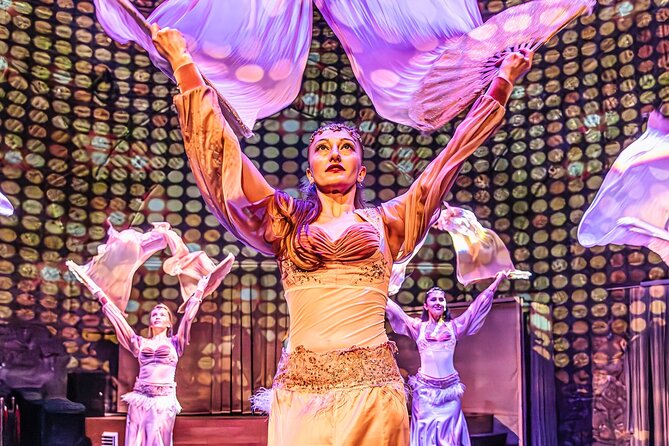
- A historic bath venue: The setting is a big part of the experience, with domed architecture that changes the feel of the room.
- Big show energy: Expect high-energy dance moments, plus fire performance and live percussion elements.
- 360-degree visual effects: Staging uses visuals around you, not just in front of you.
- Pre-show Dervish Exhibition: You can walk through the foyer exhibition before the program starts.
- English program: The show is offered in English, so you can follow along without guessing.
- Seats can be tight: If you hate narrow chair spacing, plan for it.
Where Hodjapasha fits in your Istanbul night
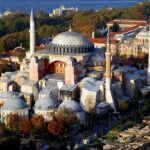
If you are doing Sultanahmet, this is a clean way to add something that is not another museum. The Hodjapasha Cultural Center is positioned within easy walking distance of the big icons: Hagia Sophia and Topkapi Palace. That matters because you can build your evening with flexibility. You do not need to over-plan around a complicated meeting point.
The show starts at 8:30 pm and runs about 1 hour 5 minutes, so it fits nicely after dinner or after a late afternoon stroll. Also, it is near public transportation, which is helpful when your feet are tired and you still want to get back to your hotel without drama.
One more practical note: there is no hotel pickup or drop-off. You will handle getting there on your own, then you hang around only long enough to catch the pre-show exhibition and take your seat.
A few more Istanbul tours and experiences worth a look

Inside a former bath: why the setting changes the show
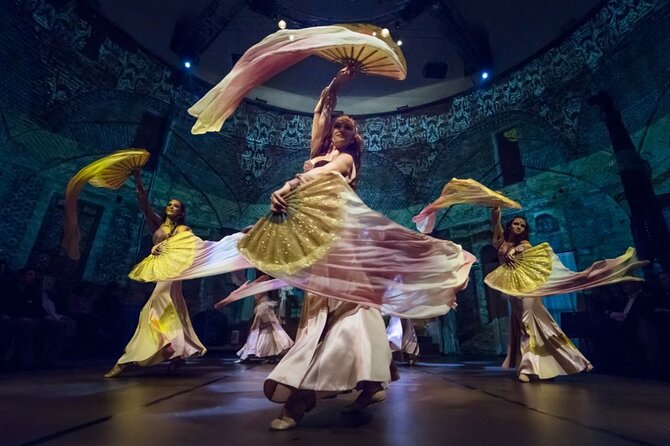
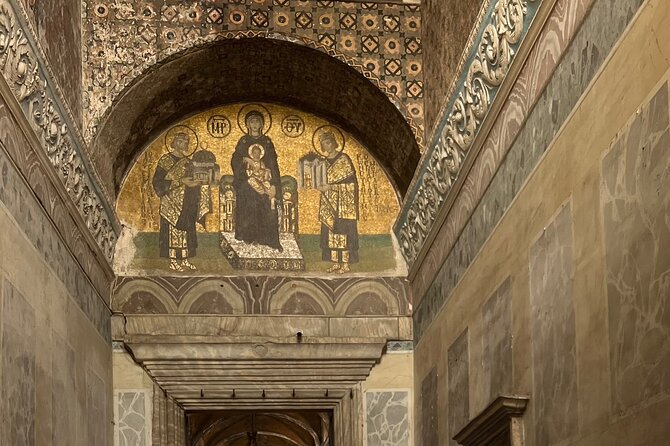
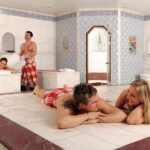
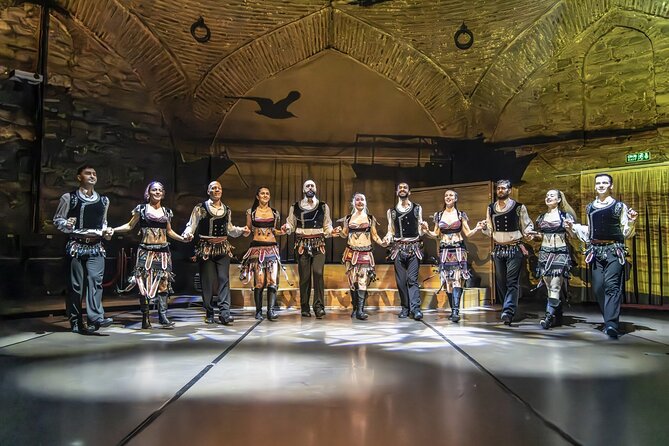
This venue is not a generic theatre. It is a former Turkish bath from the 15th century, converted into a performance space. That gives you something you do not get from standard dance venues: a room with character. Domed ceilings and historical architecture make the show feel grounded in place, not just traveling entertainment.
I also think the layout works for dramatic staging. The lighting and sound have a way of bouncing through the space, which helps the rhythm-heavy parts land harder. And because the show uses visual effects around you, you are not just watching from a single angle. You get a bit more of that stage picture even if you are not in the front row.
Still, this is where the trade-off shows up: the chairs. Some seats are placed tightly together. If you are sensitive to cramped seating or you know you will feel uncomfortable in close rows, that is worth factoring in before you pick a last-minute time slot.
The Rhythm of the Dance show: Ottoman, folk, belly, and fire
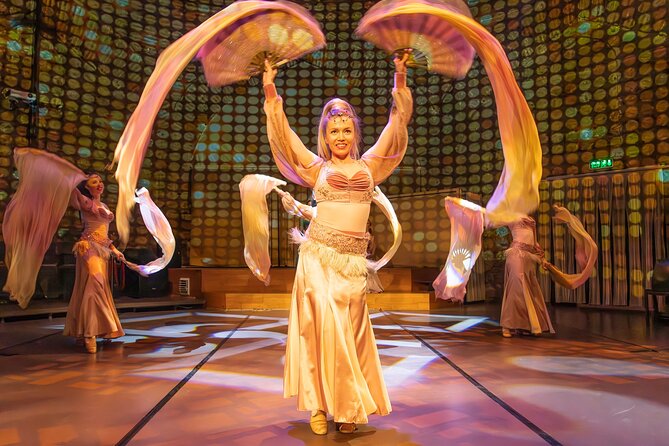
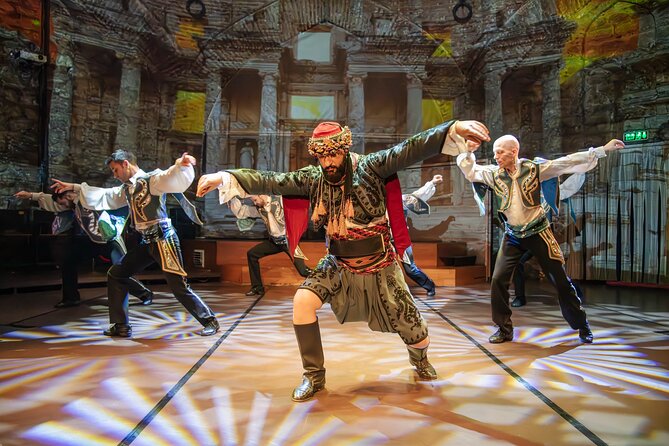
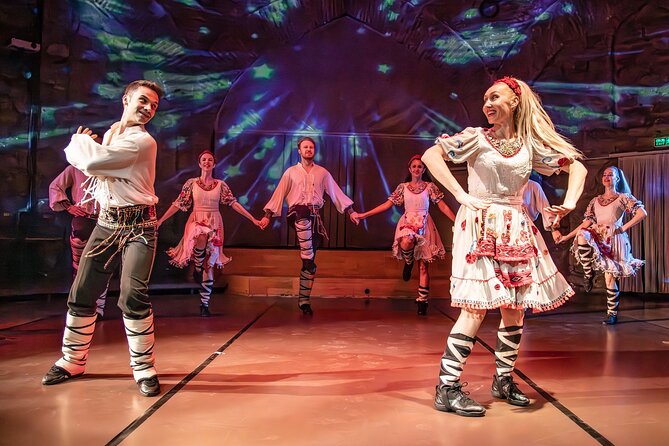
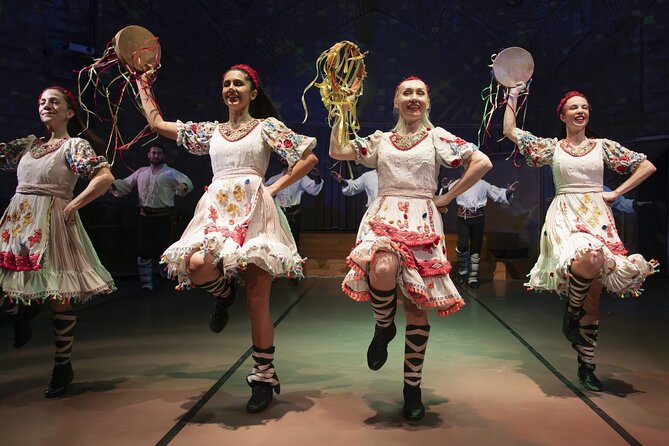
This is an “all-in” program. You are not just watching one style of performance; you are moving through different dance worlds. The show includes Ottoman harem dances, traditional folk performances, and belly dance, then adds modern choreography that keeps the energy up.
That blend is the main reason I think this show works for a lot of people. Ottoman dance and folk dance bring recognizable roots, while the modern staging makes it easier to follow and keeps it from feeling too slow or too formal. You get costumes that look detailed under stage lights, and the choreography is built to be readable, even if you do not know Turkish dance traditions.
The percussion and solo moments you will notice
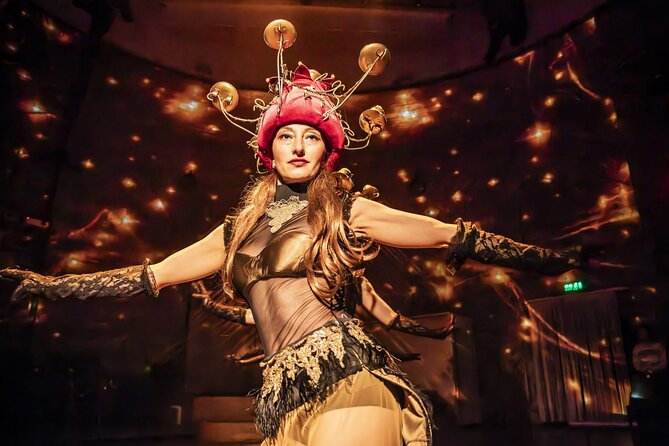
Even with the whole ensemble focus, certain elements tend to stand out in a show like this—especially rhythm. The program includes music and rhythmic performance that helps drive the dancers’ timing, and you also get notable individual dance moments, including belly dance.
In a good dance show, the drummer and the dancer become a kind of engine. When that connection clicks, the whole show feels tighter. If you like music-driven performances, this is one of those programs where the beat matters as much as the costumes.
The fire performance: a highlight, but not guaranteed in every taste
Fire is part of the entertainment, and it is one of the big “you remember this later” moments. It adds theatre stakes and a visual contrast against the dark stage. That said, not everyone loves the same style of fire choreography. Some people want the fire parts to be more dramatic or trick-heavy.
So here is the balanced take: expect fire as part of the show, but do not assume it will be packed with advanced stunts. The rest of the program is designed to flow through many dance types, so the fire is one peak in a bigger sequence.






The 360-degree visual effects
The show uses immersive 360-degree visual effects. Practically, this means you will feel the production design around you as you watch. Instead of only seeing a flat backdrop, you see visuals that help shape the mood of different segments—Ottoman-themed moments can look different from folk sections, and transitions feel more “produced” and less like separate acts lined up.
If you enjoy theatre tech as much as dancing, you are going to get something out of this. If you only want pure dance, you might find that visuals and stage effects take some attention.
Dervish Experience Exhibition: the useful context before the show
Before the performance, you can visit the Dervish Experience Exhibition in the foyer. This is included with your ticket, and it is a smart addition for anyone who wants a little context without turning the night into a long history lesson.
Even if you are not deeply into Sufi traditions, the exhibition can help you connect the dots between spiritual symbolism and performance arts. And because you see it right before sitting down, it does not feel like a separate chore. It is more like a warm-up that primes you for the themes you will encounter on stage.
If you are the type who likes to understand what you are watching, this pre-show stop is a plus. If you are short on time, you can still do a quick pass through and then head in for the show.
Price and value: is $54.44 a fair deal?
At $54.44 per person, this sits in the mid-to-higher range for a one-hour dance show. Whether it feels like a good value depends on what you want from the night.
When it feels like good value
I think it is worth the price if you want a full production package:
- a historic venue (a former bath, not a generic room)
- a mixed dance program (Ottoman, folk, belly)
- live rhythm elements
- fire and 360-degree visual effects
- a pre-show exhibition included with your ticket
- an easy start time (8:30 pm) so you do not lose your whole day
Add the practical extras—complimentary bottled water and a program booklet/information card—and the ticket becomes more of a complete experience than a quick entry-only event.
When you might feel disappointed
Not everyone will connect with every style of choreography. And some seating comfort complaints matter more when you are paying a premium.
Also, there is a clear divide in opinions about performance polish. Some people found the show very well-prepared and praised realistic costumes and professional performers in key roles. Others felt the show was less impressive than expected for the price, and complained about the lack of dramatic tricks in dance segments and limited excitement in some transitions.
So here is the reality check: you are paying for a production in a historic space. If you judge mostly on “dance tricks and stunt moments,” you might walk out wanting more. If you judge on overall atmosphere, costume work, music-driven staging, and a cohesive show arc, you are more likely to feel satisfied.
Logistics that actually matter (and the stuff that doesn’t)
This is a simple tour format: you arrive, you check out the foyer exhibition, and you watch the show. There is no long route, no multiple stops, and no complicated tour schedule.
What you should plan for:
- Mobile ticket: Have it ready on your phone.
- Language: The show is offered in English, which helps a lot if you want to follow the program.
- No food included: Drinks besides the complimentary water are not included, so eat beforehand if you want dinner done early.
- No hotel pickup: You are responsible for getting there.
What is less important:
- long wandering time—most of the action is in the venue, not in between locations.
- building a detailed itinerary—the event is timed and compact.
If you like tight planning, this is a win. If you prefer slow travel, it is still workable because it anchors your night with a clear start time.
Who this show suits best
I would book this if you want:
- a cultural performance in a historic venue near top Istanbul sights
- a one-night show that mixes styles instead of sticking to only one dance type
- English-language accessibility
- a production that uses more than just dancers on a stage (fire and 360-degree visuals)
I would think twice if:
- you hate tight seating and long stretches in close rows
- you are specifically hunting for high-level dance acrobatics and lots of stunt-heavy “tricks”
- you are very price-sensitive and want the performance to feel perfectly polished at every moment
Should you book this show?
Yes, if you want a high-energy dance production in a truly special setting and you like the idea of Ottoman, folk, belly, and fire in one evening. At $54.44, the value is strongest when you are paying for the whole package: historic architecture, pre-show exhibition context, live music energy, and stage effects.
Hold back if you are mainly chasing stunt-heavy performances or you know that cramped seating will ruin your evening. In that case, you may end up focusing on what did not meet expectations instead of the parts that work well.
In my view, this is a good “Sultanahmet night” option: short, scheduled, and easy to fit between sightseeing. Just go in ready for a theatrical production, not a purely academic lecture on dance history.
FAQ
What time does the Hodjapasha show start?
The show starts at 8:30 pm.
How long is the performance?
The duration is about 1 hour 5 minutes.
Is the show offered in English?
Yes, it is offered in English.
What do I get with my ticket?
Your ticket includes the entrance to the show, complimentary bottled water, a program booklet/information card, and access to the Dervish Experience Exhibition in the foyer before the show.
Do I need a paper ticket?
No. You receive a mobile ticket.
Is hotel pickup and drop-off included?
No. Hotel pickup and drop-off are not included, so you will need to make your own way to the venue.