REVIEW · ISTANBUL
Istanbul: Hodjapasha Rhythm of The Dance Show
Book on GetYourGuide →Operated by HodjaPasha Culture Center · Bookable on GetYourGuide
Turkish dance lands in an old hammam. You’ll watch professional folk dancers perform traditional regional styles inside the restored Hodjapasha hamam, with live music driving every number, but seats are first-booked first-served, so arriving early matters.
I also like the mix of colorful costumes and show-ready lighting, plus the way the choreography often blends tradition with a modern stage feel—so it stays exciting even if you’re new to Turkish dance.
In This Review
- Key things to know before you go
- A Dance Show Inside the Hodjapasha Hammam
- What the 65-Minute Program Feels Like (Not Just a Sequence of Dances)
- Costumes, Lighting, and Live Drumming: Where the Magic Happens
- Seating Rules and Finding the Hodjapasha Culture Center Without Stress
- Seats: first-booked first-served
- Location: expect a maze of alleys
- Price and Value at $32: What You Get for an Hour of Theater
- Who This Show Is Best For (And Who Might Skip It)
- Pair It With Sema-Style Whirling Dervishes for Contrast
- Should You Book Hodjapasha Rhythm of The Dance Show?
Key things to know before you go
- A 550-year-old Ottoman bath setting makes the show feel special before the first note plays
- Live music and drumming are part of the performance energy, not just background
- Regional Anatolian folk dances give you variety in styles, rhythms, and movement
- Video projections add a modern layer to traditional material
- Intimate seating usually means you get a clear view without battling foot traffic near the stage
- No pickup service means you’ll handle getting to the Hodjapasha Culture Center yourself
A Dance Show Inside the Hodjapasha Hammam
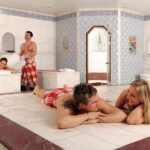
The biggest reason this works is the room. Hodjapasha Rhythm of The Dance Show takes place at the Hodjapasha Culture Center, inside a restored Ottoman bath that’s about 550 years old. Even before the dancing starts, the building itself sets the mood: stone, old-world space, and that sense you’re seeing culture in a real venue, not just a generic theater.
A quick bonus area to plan for is the foyer. You’ll find a Dervish exhibition there, which helps bridge the show between music, movement, and the broader spiritual roots of Turkish performing arts. If you like context—just a little—you’ll appreciate having something to glance at before the main performance.
One more practical note: this is a short show. The listed runtime is 65 minutes, which makes it easy to fit into a full Istanbul day without burning half your evening.
A few more Istanbul tours and experiences worth a look

What the 65-Minute Program Feels Like (Not Just a Sequence of Dances)
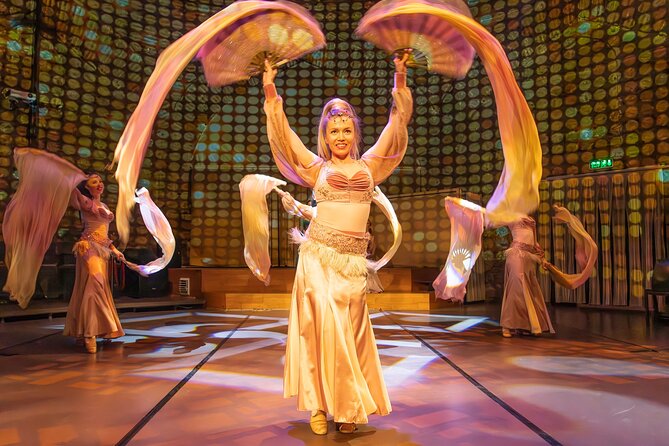
This isn’t a slow, ceremonial event. It’s built like a stage show: quick transitions, strong energy, and lots of variety. The performance focuses on Turkish folklore dances from different regions of Anatolia, performed by professional dancers. The choreography is traditional in inspiration, but it’s also crafted for a modern audience—movement that looks great under stage lighting, music cues that land clearly, and stage direction that keeps you watching.
Here’s what you can expect as the show moves along:
- Traditional folk dance segments with clear changes in rhythm and style
- Live music throughout, including percussion that drives the tempo
- Colorful costumes that signal each style’s regional flavor
- Lighting effects that make the spins, jumps, and arm work pop
- Video projections that add a contemporary visual layer
If you’re hoping for one signature highlight, you’ll likely find it in the show’s variety. Many people point to a belly dance moment as a favorite, and it makes sense: it’s visually distinct, rhythm-forward, and it gives the program a different texture after faster folk sets.
Also, don’t be surprised if you spot small bits of humor or audience interaction. The show is lively by design. Even when you’re sitting still, the tone encourages you to stay engaged.
Costumes, Lighting, and Live Drumming: Where the Magic Happens
Turkish dance is partly about technique, but in a show like this, technique has to land in real time for the audience. That’s where the production choices matter.
The costumes do a lot of work. Each dance style tends to come with its own look—colors, shapes, and movement-friendly details. When you see the dancers change outfits between segments, you get a visual “map” of the cultural variety the show is aiming to present.
Then there’s the lighting. People often mention how much it adds. In practical terms, it helps you track the dancers during fast sequences, and it turns certain moves—especially turns and arm patterns—into a clearer visual story. If you’ve ever watched a dance performance and felt lost by the speed, good lighting fixes that.
Finally, the music. Live musicians (including drummers) aren’t just keeping time. They push the show forward. When the rhythm locks in, you feel it in the room. That’s a big part of why the show has a reputation for being “non-stop” in the best way: it rarely lets the energy drop.
Seating Rules and Finding the Hodjapasha Culture Center Without Stress
This part can make or break your evening.
Seats: first-booked first-served
Seating is allocated on a first-booked first-served basis. That means two people who book the same day can end up with different views depending on when they arrive. I’d treat this as a “get there a bit early” event, especially if you care about being close or having the cleanest sightline.
The good news? The venue is set up so it doesn’t turn into a stampede. Many people comment that everyone’s able to settle without a chaotic door scramble.






Location: expect a maze of alleys
The Hodjapasha Culture Center sits in an area where getting from the main streets to the building can take a few wrong turns. One practical tip from real-world experience: give yourself extra time and don’t assume the first set of directions will be perfect. If you get turned around, ask politely at nearby shops or ask your hotel for the simplest walking route. People have also found that a local market stall holder can help point the way quickly.
Also remember: there’s no pickup service. Plan your route like you would for any city ticket—figure out walking time, street traffic, and how you’ll get there on your own.
Price and Value at $32: What You Get for an Hour of Theater
At $32 per person for about 65 minutes, the value here isn’t just the dance. It’s the combination of:
- a professional-performing lineup
- live music
- stagecraft (lighting and video projections)
- and a venue with real atmosphere: a restored Ottoman bath
If you compare it to typical “music + performance” shows, the historic setting helps justify the price. You’re not paying only for stage time; you’re paying to experience the performance in a space that changes how it feels.
Is it perfect value for every style of traveler? Not necessarily. If you want deep cultural learning that takes hours, you might prefer a daytime museum plan plus a separate evening option. But if you want an enjoyable, easy cultural evening with clear entertainment value, this fits the bill.
One more value angle: the show length works well as a first-night or first-full-day activity. It helps you get your Istanbul rhythm without losing your next day to exhaustion.
Who This Show Is Best For (And Who Might Skip It)
This performance is a strong match if you:
- enjoy live music and rhythm-driven shows
- want a fast route into Turkish culture through dance and costume
- like performances with energy, not just sitting in silence
- want a clear, enjoyable evening that’s about an hour long
It’s also a good pick if you’re traveling with people who might not want a long, slow attraction. The variety of dances keeps it moving, and you’re unlikely to feel bored in the middle.
On the other hand, consider skipping if:
- you need wheelchair access. This show is not suitable for wheelchair users
- you want a purely traditional, unedited spiritual ceremony pace. This one is staged for entertainment and keeps a lively flow
Pair It With Sema-Style Whirling Dervishes for Contrast
If you’re doing more than one show at the Hodjapasha Culture Center area, I like the contrast strategy. One person described another Hodjapasha performance as slow, meditative, trance-inducing (a whirling dervishes-style sema ceremony). That’s a very different mood from Rhythm of The Dance Show’s fast, high-energy format.
So the smartest approach is to choose based on what you want that night:
- Want movement, color, and drum-driven momentum? Go for Rhythm of The Dance.
- Want slow, trance-like spiritual atmosphere? Consider the sema/whirling dervishes option instead.
Doing both, if your schedule allows, can turn your evening into a full “Turkish performing arts” story: one night showing folk exuberance, another night showing spiritual discipline.
Should You Book Hodjapasha Rhythm of The Dance Show?
Book it if you want a lively, well-staged cultural evening that’s easy to schedule and hard to regret. The historic 550-year-old hammam setting plus live music, professional dancers, and the mix of regional folk styles make this feel like more than a typical tourist show.
I’d especially book it if you care about costumes, lighting, and performances that keep you watching the whole time—because that’s exactly how this show is built.
Skip it or think twice if wheelchair access matters, if you dislike theater-style entertainment pacing, or if you’re the type who hates venues where you must arrive early to secure a better seat. If seating priority matters to you, treat the show like a ticketed event: get there with buffer time.
If you’re aiming for one solid cultural evening in Istanbul, this is a strong candidate.