REVIEW · ISTANBUL
Istanbul: Experience Belly Dance Show
Book on GetYourGuide →Operated by TCS Tours · Bookable on GetYourGuide
Belly dance, harem drama, and fire in Istanbul. I like this show because it packages 12 regional dance styles into a historic venue, with both classic and modern choreography. You’re in for an evening that moves from Ottoman flair to faster, stage-ready dance that feels made for today.
I also love the focus on spectacle: fire shows and elaborate costumes keep the energy up through the whole run. One caution: belly fans should note the program is broader than belly dance only, and one past guest felt the belly section was small compared with the rest.
In This Review
- Key Highlights
- Where the Show Begins at Istanbul Railway Museum
- Inside a Historic Venue: Setting the Mood Before the Music Hits
- The Big Promise: 12 Dance Styles in 1.5 Hours
- Harem Dance and Ottoman Flavor: The Dramatic Side
- Belly Dance Moments: What You’ll Actually See
- Modern Choreography Meets Traditional Dance
- Fire Shows: The Segment That Changes Everything
- Costumes and Stagecraft: Why They Matter More Than You Think
- Meeting a Helpful Host: English Support You’ll Appreciate
- Price and Value: Is $39 Worth It?
- Who This Show Suits Best
- Should You Book This Istanbul Belly Dance Show?
- FAQ
- Where is the meeting point for this Istanbul belly dance show?
- How long is the performance?
- What is included in the price?
- How much does the show cost?
- How many dance styles will you see?
- Is there a fire show?
- What languages will the host or greeter speak?
- Can I cancel for a full refund?
- Is there an option to reserve and pay later?
Key Highlights
- 12 regional dance styles across Northern to Southern Turkey, not just one genre
- Historic building setting that adds atmosphere to the performance
- Ottoman harem-style moments mixed with showy stagecraft
- Fire show segments that crank up the intensity
- Modern choreography alongside traditional moves and costumes
Where the Show Begins at Istanbul Railway Museum
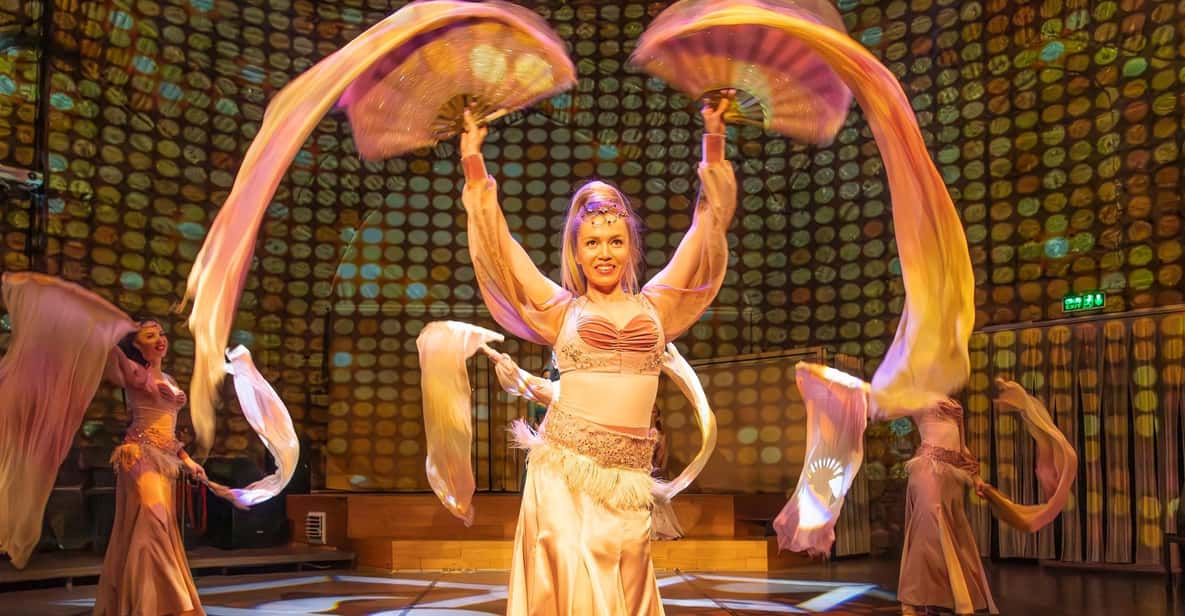
Your evening starts at the Istanbul Railway Museum in the Sirkeci area (Hoca Paşa, 34110 Fatih/İstanbul). It’s a handy meeting point because it’s well known and easy to orient yourself around in the city center.
From there, your host greets you in English and Turkish and gets you to the performance space. Even if you don’t know the finer details of Turkish dance, you can relax into the flow: the host’s job is to get you settled so you can focus on what matters—watching the show.
If you’re the type who likes arriving early, plan to show up before the start time. With dance shows, you want a little buffer for finding the right entrance and getting comfortable.
A few more Istanbul tours and experiences worth a look


Inside a Historic Venue: Setting the Mood Before the Music Hits
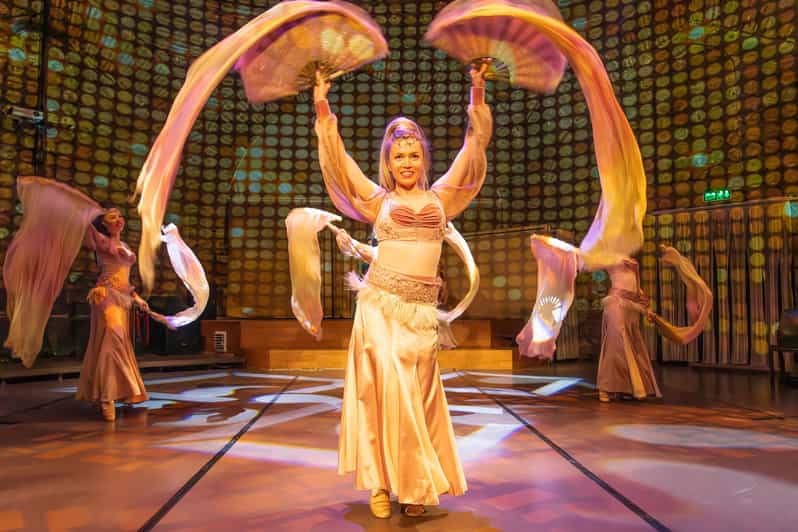
This is not staged in a generic theater room. You’re watching in a historic building, which changes how the performance feels. The space matters because it shapes sound and pacing. You’ll notice it right away when the music starts—everything seems more immediate when the room has personality.
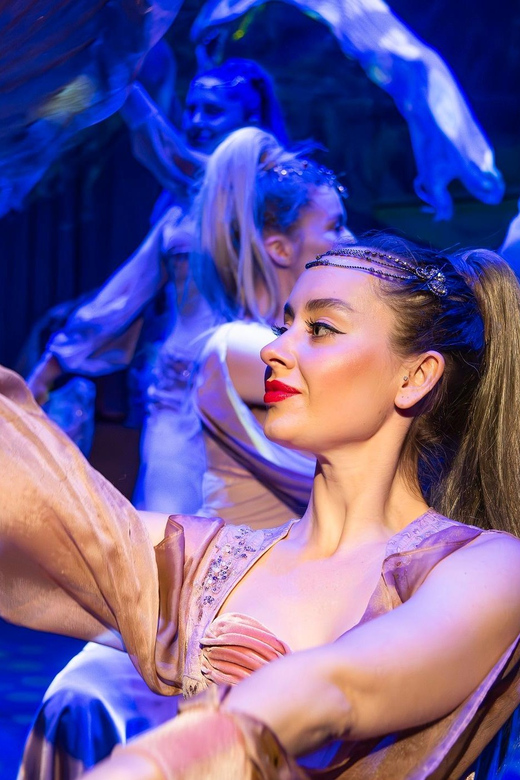
A historic venue also tends to make the costumes and lights look better. It’s one of those small advantages you feel in your photos, sure—but more importantly, it makes the performance world feel more believable. Ottoman-inspired costumes and older-style dance steps land differently when the walls around you look like they’ve seen centuries.
There’s one practical note: historic buildings can be less predictable in terms of airflow and temperature. Dress in layers if you’re sensitive to cold or heat.
The Big Promise: 12 Dance Styles in 1.5 Hours
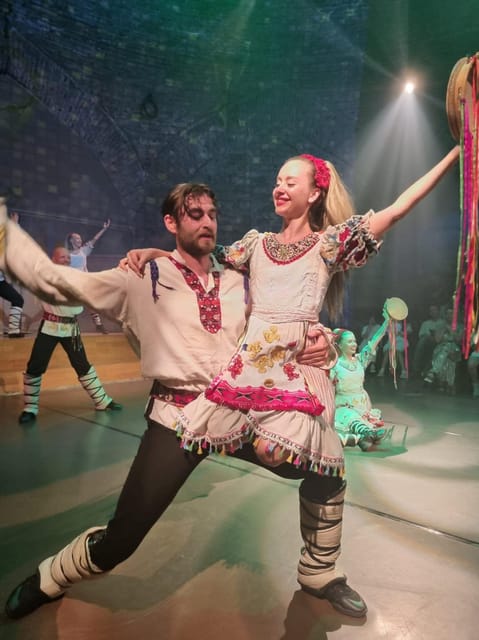
The headline idea is simple: in 1.5 hours, you’ll see 12 different dance styles from across Turkey. That’s a lot of variety for a short evening, and it’s why this works well if you’re new to Turkish dance.
Here’s how I’d think about the pacing: you don’t watch one long deep dive into a single tradition. Instead, it’s more like a guided sampler platter—different regions, different moods, different costumes, and different performance styles. You’ll likely recognize some dance language (spins, hip accents, arm work), but each section brings its own rhythm and attitude.
This format is especially good if you want to build a quick mental map of Turkish dance variety without committing to a full-day program. It’s also a good option if you’re traveling with mixed-interest people—someone who likes costumes and showmanship won’t be bored, and someone who wants cultural variety won’t either.
Harem Dance and Ottoman Flavor: The Dramatic Side
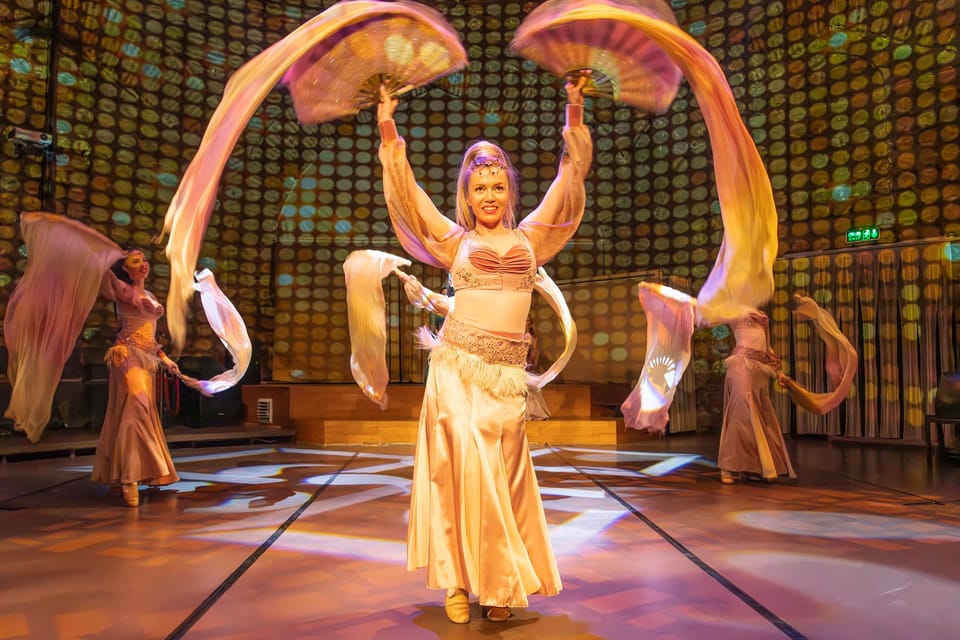
One of the strongest themes in the program is harem dance and Ottoman-style entertainment. Even if you’re not familiar with the historical context, you’ll get the point through performance choices: storytelling through posture, expressive movement, and costumes designed to communicate status and drama.
These segments tend to feel more theatrical than purely athletic dance. Expect moments where the dancers look like they’re performing for a court—controlled gestures, confident carriage, and a sense of ceremony. That’s why many people love this type of show even if they’re not hardcore dance fans.
What I like about including these Ottoman-flavored pieces is that they balance the evening. A belly-heavy program can sometimes feel like one long mood. Mixing in harem-style performances keeps the emotional tone shifting, so your attention stays locked.
Belly Dance Moments: What You’ll Actually See
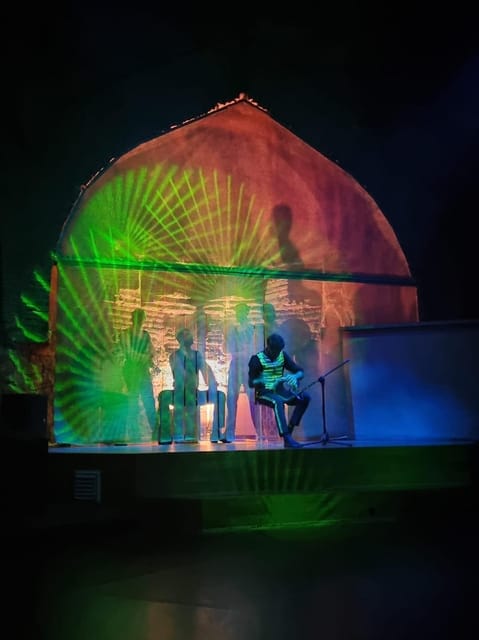
Belly dance is part of the experience, and you should expect the classic visual cues: graceful torso work, accents that match the rhythm, and costumes built for movement and shine. The performance also includes what you’d call belly-adjacent segments, because Turkish dance programs often cross boundaries between styles.
Still, here’s the caution worth respecting: one recorded guest feedback pointed out that while the show has many dances, only a couple are belly dances specifically. That doesn’t mean there’s no belly content, but it does mean you shouldn’t book expecting a belly-only program with long continuous belly sets.
So if your goal is belly dance first and foremost, I’d frame your expectations like this: you’re seeing belly dance as a feature within a broader “Turkish dance variety” show.






Modern Choreography Meets Traditional Dance
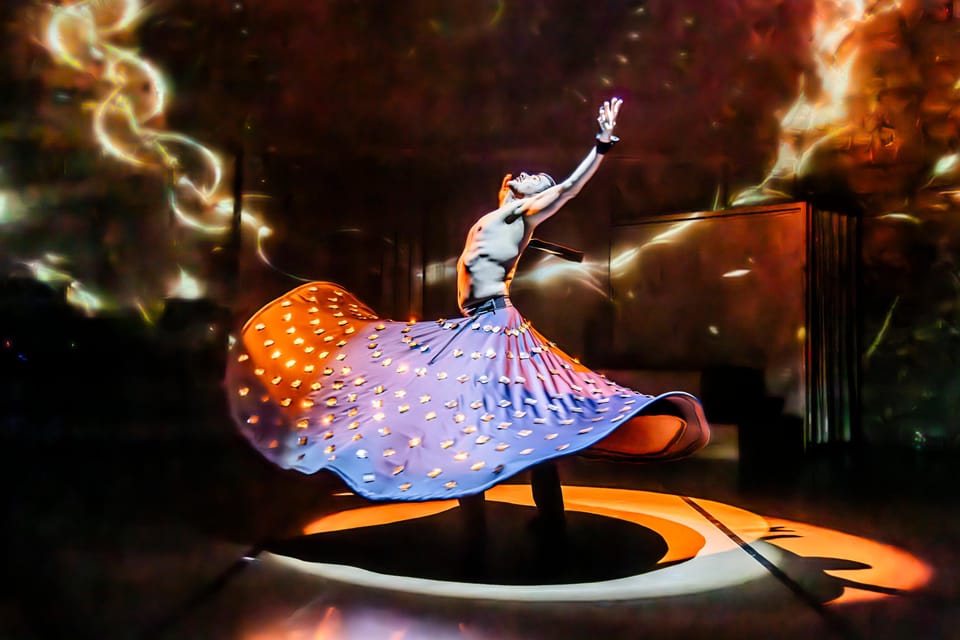
This show isn’t stuck in the past. You’ll also see high-energy dances and modern choreography. That blend is a big part of why the performance feels engaging, even if you don’t speak Turkish and you’re not clued into every dance lineage.
In practical terms, modern choreography often means clearer stage patterns: more movement transitions, sharper timing, and choreography that reads well to an audience. Traditional elements like costumes and dance fundamentals are still there, but the overall presentation feels contemporary.
I like this approach because it helps younger audiences and first-timers connect faster. It’s also a smart way to keep a short, 90-minute format from becoming repetitive.
Fire Shows: The Segment That Changes Everything
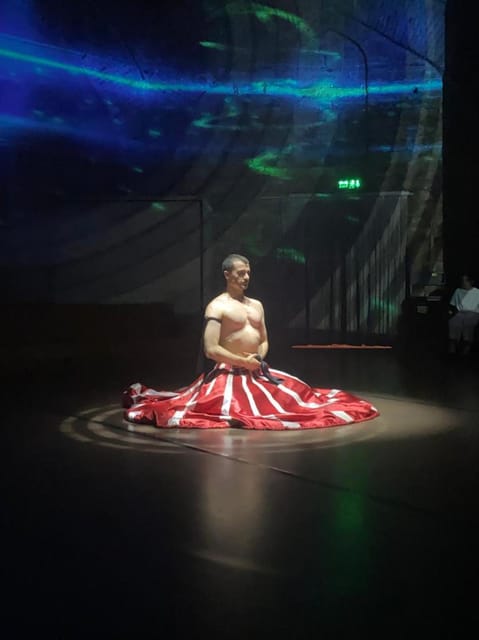
If there’s one element that turns this from a dance show into a full-on event, it’s the fire show. Fire segments bring an instant spike in attention. The audience typically goes from watching dance technique to watching timing and safety—without losing the showmanship.
Even if you’ve seen fire performance elsewhere, the key here is placement in a multi-style program. The fire acts work like punctuation marks. They give you a new burst of excitement before you settle back into costume changes and the next dance style.
For your enjoyment, here are two practical tips:
- Keep your phone ready, but don’t spend the whole segment filming. Watch first, then capture what you can.
- Be mindful of your viewpoint. In many shows, fire performances can be visually strongest from certain angles.
Costumes and Stagecraft: Why They Matter More Than You Think
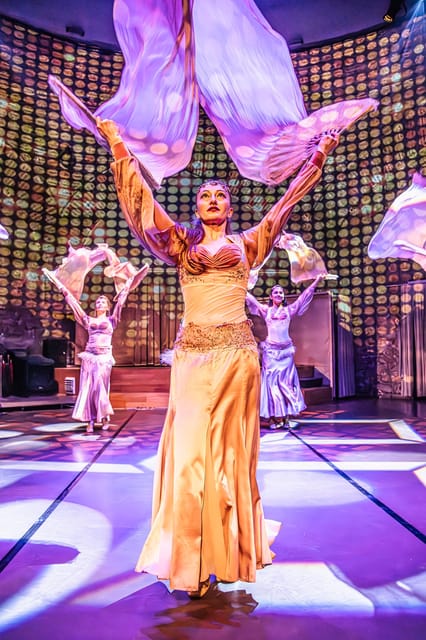
The show leans hard into amazing costumes, and that’s not just for decoration. Costume changes are part of how the program signals transitions between regions and dance styles. When you see a big costume shift, you can expect a different rhythm and different movement emphasis.
Also, costumes often help performers hit the dramatic beats of harem and belly sections. Heavy ornamentation and layered fabrics don’t just look good; they make movement more visible. You’ll notice it in how dancers’ arm lines and hip accents read from farther back.
If you care about photos, the historic venue plus costume variety is a strong combo. Just remember that dance moves happen fast—your best photos usually come from watching the dancer for a beat and then snapping at the peak pose, not trying to capture every frame.
Meeting a Helpful Host: English Support You’ll Appreciate
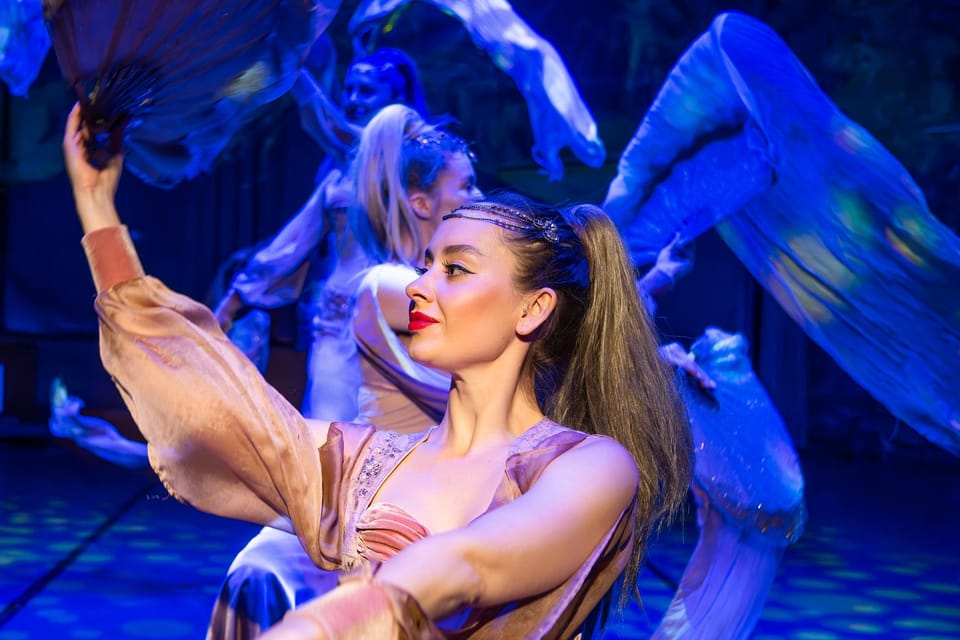
A nice human detail came through in feedback: a guide named Zeynep helped with getting tickets and guiding someone to the show location. That matters because it reduces the friction of arriving in a busy city and heading to a specific historic venue.
Since the host greets you in English and Turkish, you’ll also have a smoother time if you have questions before the show begins. If you’re traveling with kids, parents, or anyone who struggles with navigation, having that support is a real value add.
Price and Value: Is $39 Worth It?
At $39 per person for 1.5 hours, the value comes from what you’re getting, not just the length. You’re paying for a complete evening format with:
- 12 distinct dance styles
- a historic venue
- costume-heavy performances
- fire show excitement
- a mix of traditional and modern choreography
That’s a lot of “production” packed into a short window. If you were choosing between paying for a long cultural activity or a high-energy evening show, this lands in the middle. It’s compact, entertaining, and diversified.
The main value risk is expectation mismatch. If you book only for belly dance and ignore the broader “many Turkish styles” concept, you may leave feeling it wasn’t belly-heavy enough. But if you come for variety—belly plus harem plus fire plus regional styles—then the price feels reasonable.
Who This Show Suits Best
This experience is a strong fit if:
- You want an easy evening plan in Istanbul that doesn’t require a lot of prep
- You like dance as performance, costumes, and spectacle—not just one style
- You’re traveling with family members who may enjoy the dramatic parts (especially harem and fire)
- You want a short cultural taste of regional variety in Turkey
It may be less ideal if you’re specifically chasing belly dance as your main obsession. In that case, check that your expectations line up with a multi-style format.
Should You Book This Istanbul Belly Dance Show?
I’d recommend booking it if you want an entertaining, culture-focused evening with a clear payoff: 12 regional styles, a historic venue, and at least one big “wow” moment with fire. It’s also a good choice for first-timers because modern choreography helps the show feel accessible.
I’d think twice if your must-have is belly dance only, for long stretches. Based on real feedback, the show includes belly dance, but it’s not the whole program.
If you’re happy treating this as a Turkish dance variety night—with belly as a highlight among other styles—then it’s a solid, enjoyable way to spend 90 minutes in Istanbul.
FAQ
Where is the meeting point for this Istanbul belly dance show?
You meet at the Istanbul Railway Museum (Gar, Sirkeci, Hoca Paşa, 34110 Fatih/İstanbul, Türkiye).
How long is the performance?
The experience lasts 1.5 hours.
What is included in the price?
The ticket is included.
How much does the show cost?
The price is listed as $39 per person.
How many dance styles will you see?
You can expect 12 different dance styles from various regions of Turkey.
Is there a fire show?
Yes, the program includes fire shows.
What languages will the host or greeter speak?
The host or greeter is available in English and Turkish.
Can I cancel for a full refund?
Free cancellation is available up to 24 hours in advance for a full refund.
Is there an option to reserve and pay later?
Yes, you can reserve now and pay later (based on the booking option shown for this activity).