REVIEW · ISTANBUL
Full-day Gallipoli Tour
Book on GetYourGuide →Operated by Neon Tours · Bookable on GetYourGuide
The beaches of Gallipoli still carry shock. This 16-hour small-group tour maps the Gallipoli Campaign with hotel pickup, an English guide, and stops like Anzac Cove.
I like the way the guide connects the day-by-day choices to what you’re actually seeing on the ground. You also get a solid add-on at Gabatepe Museum, where the fighting isn’t just explained, it’s shown.
One drawback to plan around: the long day can run late, and port-area traffic can make the evening return feel like a slog. If you get stuck, it’s usually because you’re sharing the road with cruise crowds after dinner tours.
In This Review
- Key things I’d prioritize on this Gallipoli day
- A 16-hour Gallipoli tour that’s built for context
- Getting from Sultanahmet to the peninsula (and why it matters)
- Anzac Cove: the landing that set the tone
- Brighton Beach: understanding the broader landing area
- Lone Pine ridge: where the Gallipoli movie meets the real campaign
- Gabatepe Museum: what relics add that viewpoints can’t
- Lunch and timing: the real-world logistics of a long day
- Vehicle, group size, and the guide: why it changes the experience
- Price and value: is $185 worth a full-day Gallipoli experience?
- Who this Gallipoli tour suits best
- Things that can affect your itinerary
- Should you book this full-day Gallipoli tour?
- FAQ
- FAQ
- How long is the full-day Gallipoli tour?
- What’s the pickup area in Istanbul?
- What group size is it?
- What language is the guide?
- What sites are included in the tour?
- Is lunch included?
- Are beverages included?
- Are entrance fees included?
- Is there skip-the-line entry?
- When can I cancel for a full refund?
Key things I’d prioritize on this Gallipoli day
- Small group (up to 14) for questions and calmer pacing at sensitive memorials
- Hotel pickup in Sultanahmet plus air-conditioned vehicle for the long drive time
- A guided route through key locations tied to April 25, 1915 and the December evacuation
- Anzac Cove and Brighton Beach to understand where the landings happened and why they mattered
- Lone Pine ridge stop with context that goes beyond the Gallipoli movie scenes
- Gabatepe Museum relics like weapons, ammunition, photographs, and private items
A 16-hour Gallipoli tour that’s built for context
Gallipoli isn’t a quick look-and-snap kind of place. This full-day tour is designed as a story you can follow, from the first Allied landings to the forced evacuation later in the campaign.
The core idea is simple: the Allies tried to take the Gallipoli Peninsula to reach Constantinople (today’s Istanbul) safely. If Istanbul fell, it would likely have pushed Turkey out of the war and helped Russia against Germany and the Austro-Hungarian Empire. When your stops follow that logic, the coastline stops being just scenery and starts acting like evidence.
A few more Istanbul tours and experiences worth a look
Getting from Sultanahmet to the peninsula (and why it matters)
Pickup is included from centrally located hotels in the Sultanahmet area in Istanbul’s Old City. Departure timing can shift depending on where your hotel is, so I’d treat the morning start as flexible even if it feels early.
You’ll travel by air-conditioned vehicle, which is a real plus when the day stretches long and the peninsula roads take time. This tour’s length also means your comfort plan matters: dress in layers, bring something for sun and wind, and keep water in mind even though beverages aren’t included.
Anzac Cove: the landing that set the tone
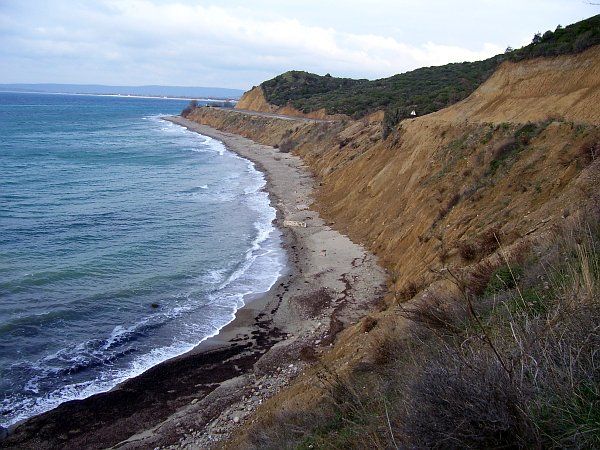
Anzac Cove is where the Allied forces made their initial beach landing. It’s also where the story turns grim quickly, because this landing was a strategic error that led to many deaths.
On the ground, that’s the point of the stop: you’re not just looking at a shoreline. You’re standing at a place where geography and planning collided, and the consequences unfolded fast. A good guide helps you see the difference between a movie version of the conflict and what actually happened from the campaign’s perspective.
I’d approach this moment with time for quiet focus. Even if you’re there with your phone camera ready, give yourself a minute to absorb what the coastline implies—how hard it would be for troops to regroup and how quickly an advantage can flip.
Brighton Beach: understanding the broader landing area
The tour also explores the Allied landing sites at Brighton Beach. This stop matters because it fills in the gaps between the headline landing and the wider operations around it.
Think of it like this: Anzac Cove is the “named” landing, but the campaign’s outcome depended on multiple moves working together. Seeing Brighton Beach alongside Anzac Cove helps you connect the dots between where forces went ashore and how those choices affected what came next.
If you’re only used to big WWI maps, this is where the terrain turns those maps into something you can feel. It’s easier to understand why coordination and timing were everything when you’re looking at the coastline in real space.
Lone Pine ridge: where the Gallipoli movie meets the real campaign
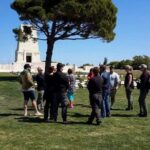
Next up is Lone Pine ridge—a stop tied to famous film imagery because Mel Gibson’s movie Gallipoli begins scenes here. But the real value of the stop is the human and tactical side: many Australian soldiers lost their lives here.
This is one of those places where the “I’ve seen this before” effect can help you pay attention instead of distract you. The guide’s job is key here—making sure you don’t treat the ridge like a backdrop, but like a location with a purpose and a cost.
If you’re traveling with someone who loves film, this stop often bridges interests nicely. If you’re traveling with someone who knows only WWI basics, the ridge gives them something tangible to remember.




Gabatepe Museum: what relics add that viewpoints can’t
After the outdoor sites, the day gets more personal at the Gabatepe Museum. This stop is about learning deeper than monument talk.
The museum gives you relics from the campaign, including weapons, ammunition, photographs, and private items from soldiers. That kind of detail can hit harder than battle narratives, because it replaces abstract history with everyday objects. It also helps you understand that the campaign wasn’t only lines on maps—it was people carrying gear, letters, and tools.
Plan to slow down here. Even if you only spend a set chunk of time inside, look for the small connections: what the items suggest about daily life and how the collection supports the larger story you’ve been hearing outside.
Lunch and timing: the real-world logistics of a long day
Lunch is included. Beverages are not, so if you like having a drink with your meal, plan on buying it. The tour runs 16 hours, which means you’re committing to a full day rather than a neat half-day sighting run.
One practical note from the way the day can unfold: the return can be tough. There’s an example of getting back around 10:30, and the cause wasn’t the tour itself—it was traffic in the port area, especially when dinner cruises and other evening operations overlap.
So here’s my advice: treat the return like a possible late finish, not a guaranteed clock-out time. If you’re planning something for later that evening in Istanbul, don’t book anything that requires you to be perfectly on time.
Also, a smart tip: if the lunch break feels longer than you’d like, you may want to ask your guide about how they handle timing on the day. Even a small adjustment—like keeping the meal shorter—can sometimes buy you earlier departure from Gallipoli, which helps with traffic timing on the way back.
Vehicle, group size, and the guide: why it changes the experience
This tour keeps group size limited to 14 participants, which makes a noticeable difference for a place like Gallipoli where people often want to ask questions. A smaller group also helps the guide pace the day at stops, especially when you’re moving between sites that carry emotional weight.
The guide is English-language and the tour is described as live guided, not audio-only. Based on what the guide-focused feedback emphasizes, the experience is strongest when the guide clearly explains what happened and corrects impressions you might have picked up from film.
The tour also includes entrance fees and skip-the-ticket-line, so you don’t lose the day stacking into entry queues. On a long tour, those small time-savers add up.
Price and value: is $185 worth a full-day Gallipoli experience?
At $185 per person, this isn’t a budget add-on. But it also isn’t just “transport to some viewpoints.” You’re paying for a coordinated full day with:
- Hotel pickup and drop-off from Sultanahmet
- Air-conditioned vehicle for a long drive
- Live English guide
- Entrance fees
- Lunch included
- Skip-the-ticket-line
If you tried to replicate it yourself, you’d likely spend money on transport, pay for admissions, and then still need to solve the hardest part: understanding what you’re seeing. Here, the guide does the interpretive work—connecting the sites to the campaign’s strategic purpose.
So the value mostly depends on your travel style. If you like history but don’t want to do the planning math and interpretive homework alone, this price can feel fair. If you’d rather drive on your own and control every minute, it may feel expensive for the time you’ll spend in transit.
Who this Gallipoli tour suits best
This one fits best if you want a structured, guided WWI experience without having to coordinate logistics yourself. It’s especially good for:
- First-timers to Gallipoli who want the campaign explained in the right order
- People who know the movie Gallipoli but want the real story behind specific locations
- Small groups that want a calmer pace than a large bus tour
If you’re the type who hates long days, this tour may test your patience. Sixteen hours is a commitment, and the drive plus site stops add up.
Things that can affect your itinerary
Neon Tours has the right to change the itinerary due to unexpected circumstances like museum closures, holidays, strikes, or weather. It’s normal for day tours to shift, so I’d keep that in mind and stay flexible.
There’s also a scheduling note: there are no departures between 22–26 April. If your trip lands in that window, you’ll need to pick another date.
Should you book this full-day Gallipoli tour?
I think you should book it if you want a guided, organized Gallipoli experience that ties each stop to the bigger campaign story—especially if you care about understanding why the landings and positions mattered.
I’d pause before booking if you’re trying to fit Gallipoli into a tight schedule, or if you need an early evening back in Istanbul. The day can run long, and evening traffic in the port area can make the return feel slower than you’d expect.
If you do book, pack for a full-day outdoors visit, plan for a lateish finish, and treat Anzac Cove and Lone Pine ridge as the emotional anchor points of the route.
FAQ
FAQ
How long is the full-day Gallipoli tour?
It runs for 16 hours.
What’s the pickup area in Istanbul?
Pickup is included from centrally located hotels in the Sultanahmet area (Old City). Pickup time can change based on your hotel location.
What group size is it?
It’s limited to a small group of up to 14 participants.
What language is the guide?
The live tour guide is in English.
What sites are included in the tour?
You’ll visit historical sites of the Gallipoli Campaign, including Anzac Cove, Brighton Beach, Lone Pine ridge, and the Gabatepe Museum.
Is lunch included?
Yes, lunch is included.
Are beverages included?
No, beverages are not included.
Are entrance fees included?
Yes, entrance fees are included.
Is there skip-the-line entry?
Yes, the tour includes skipping the ticket line.
When can I cancel for a full refund?
Free cancellation is available up to 24 hours in advance for a full refund.