REVIEW · ISTANBUL
7 Churches of Revelation 10 Days Tour with Istanbul & Cappadocia
Book on Viator →Operated by Private & Small Group Ephesus & Istanbul & Turkey Tours · Bookable on Viator
A trip like this turns big scripture themes into actual geography. What makes it special is the way Istanbul landmarks and Revelation sites get paired into one practical route, plus the stop in Cappadocia’s fairy-tale rock world. I especially like the professional Bible-oriented guide approach, and I also like that the plan mixes major classics with hands-on ruins (not just quick photo stops).
You should know one thing up front: the walking can add up, and you’ll also need to follow worship-site rules like bare shoulders and no shoes in mosques. If you’re hoping for a slow, restful pace, this won’t feel that way.
In This Review
- Key points worth knowing
- A 10-Day Route That Connects Revelation to Real Places
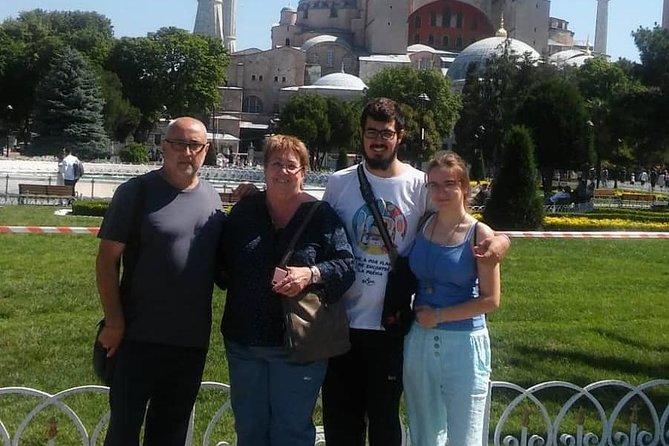
- Entering Istanbul: Hagia Sophia, Blue Mosque, Topkapı, and the Bazaar
- Hippodrome Square: the Byzantine pulse
- Hagia Sophia Grand Mosque: plan for the new inside setup
- Blue Mosque: tile beauty, plus the usual worship rules
- Topkapı Palace: power meets administration
- Grand Bazaar (or Spice Market on Sundays)
- Cappadocia Day Trips: Fairy Chimneys, Pigeon Valley, Kaymakli, and Goreme
- Fairy Chimneys in Ürgüp: your first wow shot
- Pigeon Valley: why the birds mattered
- Kaymaklı Underground City: the inside-the-earth angle
- Devrent Valley and Pasabag: lunar shapes and best chimney examples
- Avanos: pottery and tile workshops
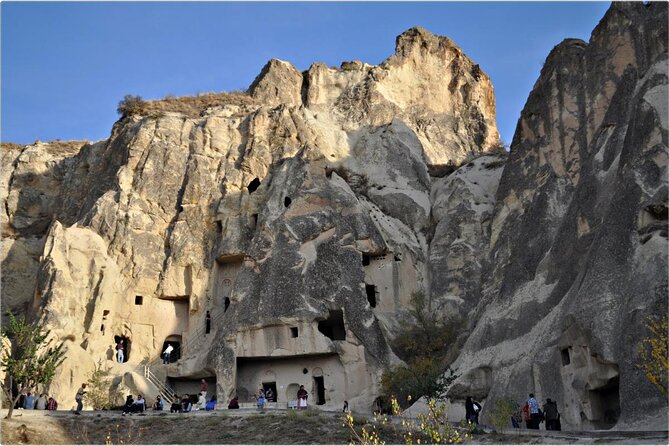
- Göreme Open Air Museum: churches with frescoes
- Uçhisar Castle: panorama pay-off
- Pergamum to Laodicea: The Seven Churches Walked Through Western Turkey
- Pergamum (Bergama) and the Acropolis: steep theatre and big symbolism
- Asklepion: the classical medical center
- Thyatira (Akhisar): purple dye and remaining basilica pieces
- Smyrna’s Clock Tower (Saat Kulesi): a panoramic introduction to a letter city
- Sardis: Artemis temple, synagogue remains, and the dying-church idea
- Philadelphia (Alasehir): the church with less criticism in the theme
- Laodicea: commerce crossroads and the final church stop
- Ephesus, Mary’s House, and St. John: the New Testament parts that sit next door
- Ephesus Ancient City: marble streets and Celsus’s library
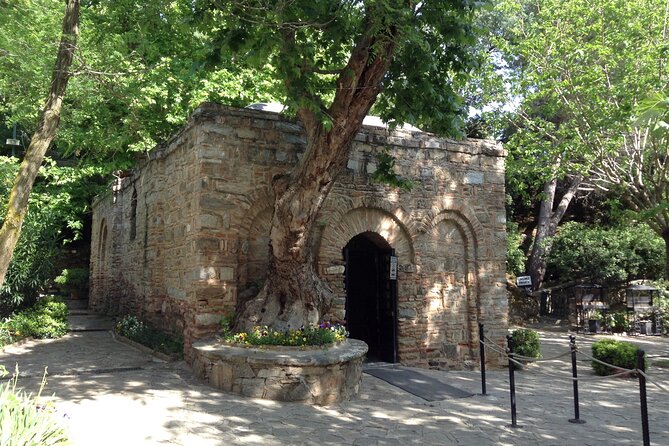
- The House of the Virgin Mary: pilgrimage site on the mountainside
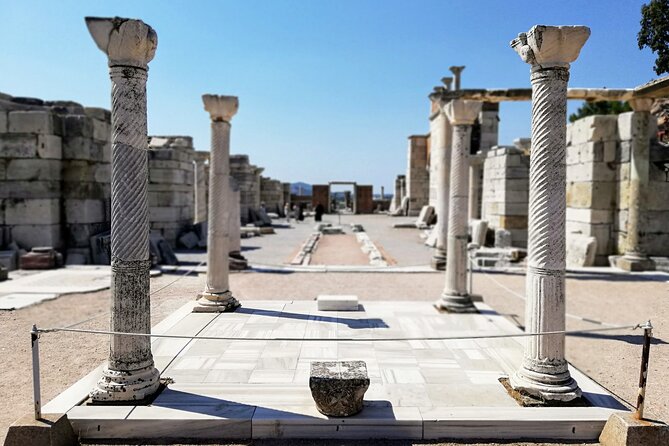
- St. John’s Basilica: believed burial place connection
- Artemis Temple: ancient wonder status
- Pamukkale and Hierapolis: the natural wonder side quest
- Price and Value: why $2,269 may or may not fit you
- Group Size, Pace, and the Practical Stuff That Matters
- Should you book this tour?
- FAQ
- FAQ
- What airports does the tour use in Istanbul?
- Are airport transfers included?
- What is the approximate duration of the tour?
- Does the price include domestic flights?
- Are entrance fees included?
- Is there a Bible-focused guide?
- What language is the tour offered in?
- Is a vegetarian option available?
- What dress code rules should I expect at worship sites?
Key points worth knowing
- Smartphone + headphones for Hagia Sophia after the 15th January 2024 rule change inside
- Pre-paid tickets are handled by the guide to help you skip the worst line time
- Max 10 travelers keeps the group manageable for questions and timing
- A full circuit of Revelation’s Seven Churches across western Turkey
- Cappadocia caves and valleys plus the deeper change-up of Kaymakli Underground City
- Pamukkale + Hierapolis adds a top-tier nature stop to the history-heavy days
A 10-Day Route That Connects Revelation to Real Places
This tour is built around the Seven Churches of Asia, which sit across western Turkey. Instead of treating Revelation like abstract reading, you’re shown the cities and ruins where those biblical letters were aimed. If you like learning by seeing, this format works.
The second win is how Turkey is split into two very different worlds: Istanbul and Cappadocia first, then a slower, more archaeological rhythm in Izmir and its surrounding areas. You get the big visual hits early, then the meaning-focused sites follow when you’re already in travel mode.
You can also read our reviews of more tours and experiences in Istanbul.

Entering Istanbul: Hagia Sophia, Blue Mosque, Topkapı, and the Bazaar
Day 1 settles you in with a private airport transfer and an overnight in Istanbul, so you’re not immediately sprinting across a jet-lag haze. Day 2 is a dense-but-doable classics day, centered on a walkable historic core.
Hippodrome Square: the Byzantine pulse
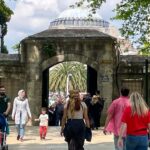
You start at the Hippodrome Square, tied to chariot races and Byzantine-era crowd drama. It’s short, but it’s a useful warm-up because it helps you understand Istanbul as a layered capital—not a single story.
Hagia Sophia Grand Mosque: plan for the new inside setup
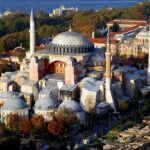
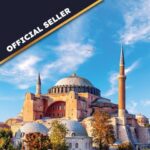
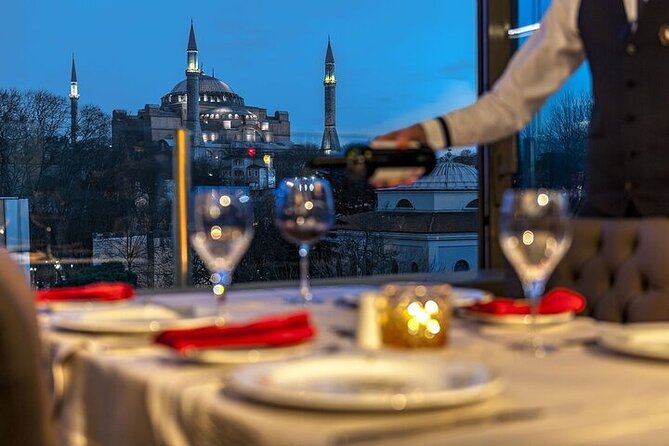
Hagia Sophia is the centerpiece, built in 532 AD under Emperor Justinian I. The important practical update: live guiding inside isn’t allowed after the 15th January 2024 rule change. You’ll need your smart phone and headphones for the experience system inside.
If you don’t have headphones, you can buy them at the entrance for about 3.5 USD. If you don’t have a smartphone, you can follow signs and the on-site information. Either way, it’s still very workable—you just need to prep so you’re not scrambling mid-visit.
Blue Mosque: tile beauty, plus the usual worship rules
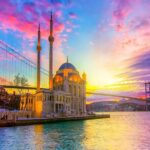
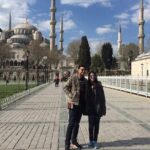
From Hagia Sophia, you walk to the Blue Mosque. The fame here comes from the beautiful Iznik tiles, and it’s typically one of the fastest ways to feel the Ottoman visual style. Remember the dress rule basics: cover shoulders and follow on-site guidance.

Topkapı Palace: power meets administration
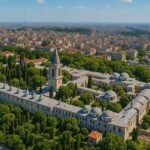
Topkapı Palace is a big step from religious spaces into political history. The tour includes a walk through the palace and even the weapons section, which helps explain how the empire functioned beyond art and architecture. At two hours, it’s enough time to see the big rooms without feeling like you’re speed-running.
Grand Bazaar (or Spice Market on Sundays)
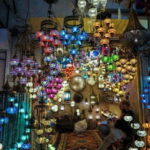
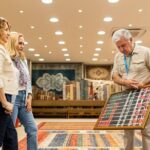
Then comes the Grand Bazaar, one of the world’s largest covered markets—58 covered streets and a huge number of shops. It’s listed as free for this tour, but there’s a key scheduling detail: if your day lands on a Sunday, the Grand Bazaar is closed, and you’ll go to the Spice Market instead.
That’s a smart swap, because you still get the market experience without the disappointment of a closed door.
Cappadocia Day Trips: Fairy Chimneys, Pigeon Valley, Kaymakli, and Goreme
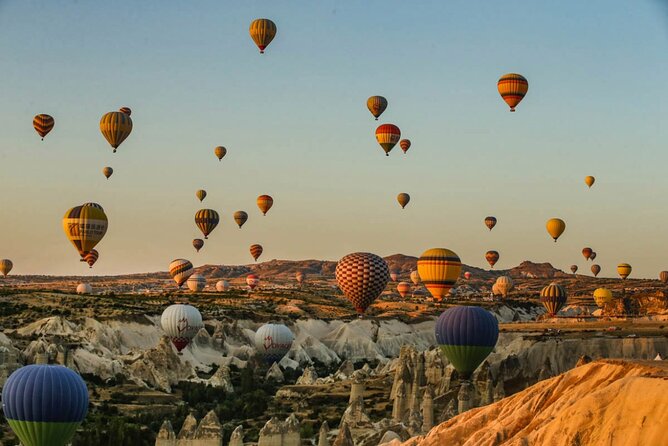
After Istanbul, the tour flies you to Cappadocia and builds your sightseeing around caves, valleys, and underground rooms. Expect a nature-heavy change of pace.
Fairy Chimneys in Ürgüp: your first wow shot
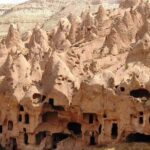
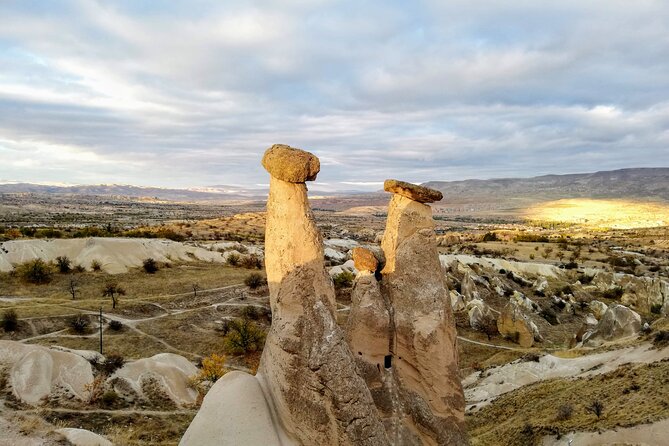
The first Cappadocia stop is Three Sisters Fairy Chimneys in Ürgüp, a familiar view from ads for a reason. It’s the kind of place where you quickly understand why people carved dwellings into the rocks.
Pigeon Valley: why the birds mattered
Next is Pigeon Valley, where you’ll see carved pigeon houses. The tour frames it as practical local life, not just a scenic stop: pigeons were important enough that people made built-in coops, shaped like homes. It adds a human layer to the rock formations.
Kaymaklı Underground City: the inside-the-earth angle
Then you descend into Kaymaklı Underground City, described as one of the largest and deepest of the many underground options in the region. This stop is a real shift: it turns your attention from views to survival engineering—rooms, passages, and the sense of living under pressure.
Devrent Valley and Pasabag: lunar shapes and best chimney examples
Day 4 continues with Devrent Valley, often called a lunar landscape because of how the rock formations look. After that, Pasabag Fairy Chimneys Valley focuses on some of the best examples of the chimney shapes, so you’re not repeating the same view again—you’re refining what you notice.
Avanos: pottery and tile workshops
Avanos brings you to a town known for tile and pottery workshops. Even if you don’t buy, it’s a nice break from ruins and caves, because it connects the region’s craft to what you’re seeing outside.
Göreme Open Air Museum: churches with frescoes
Göreme Open Air Museum is next, with rock churches and frescoes from different centuries. This is where the trip’s religious-and-art angle feels tangible. It’s also a good “sit down for your brain” stop because the churches are packed with detail.
Uçhisar Castle: panorama pay-off
Finally, Uçhisar Rock Castle gives you the highest viewpoint on the route with a panorama. It helps you reconnect the valleys and rock structures you’ve been walking through for days.
Pergamum to Laodicea: The Seven Churches Walked Through Western Turkey
This is the heart of the theme. From Izmir (and around it), you visit the cities linked to Revelation’s Seven Churches of Asia: Ephesus, Smyrna, Pergamum, Thyatira, Sardis, Philadelphia, and Laodicea.
Pergamum (Bergama) and the Acropolis: steep theatre and big symbolism
On the way, you explore Pergamum’s Acropolis. It’s famous for a steep theatre, plus major remains like the Altar of Zeus and the marble columns of the Temple of Trajan. You’ll also see the Library area, once estimated at over 200,000 volumes—connected to the invention of parchment.
The guide ties these to Revelation references, so the stones feel less random. With 2 hours listed here, it’s the kind of stop where you’ll want comfortable shoes and patience.
Asklepion: the classical medical center
Next is the Asklepion, a famous medical center from classical times. It’s a helpful contrast to the religious theme because it shows how the ancient world also pursued healing through institutions, not only faith.
Thyatira (Akhisar): purple dye and remaining basilica pieces
You then head to Akhisar, tied to Thyatira and purple dye. You’ll see remains of a basilica and Roman-period architectural fragments. The purple-dye connection helps explain why the story mattered to people who lived there—trade shaped daily life.
Smyrna’s Clock Tower (Saat Kulesi): a panoramic introduction to a letter city
Before checking into your Izmir hotel, the tour includes a panoramic ride of Smyrna and a stop at the Clock Tower. Smyrna is presented as one of the Seven Churches, and the stop helps you picture it as a port city with a history of conflict and commerce. Even if you don’t memorize details, this kind of viewpoint makes the later church-letter sites click better.
Sardis: Artemis temple, synagogue remains, and the dying-church idea
The next morning starts early for Sardis (Sart). Here you see the Temple of Artemis, a restored gymnasium area, and reconstructed synagogue remnants. You’ll also walk the royal Persian Road route segment and see the Pactolus river association, which the tour links to the letter imagery.
Philadelphia (Alasehir): the church with less criticism in the theme
Then comes Philadelphia (Alasehir), described as the only church not censured. You’ll see remains of a Byzantine basilica made of brick and some preserved fresco fragments from the 11th century. It’s a smaller-feeling stop, but it lands emotionally because the theme framing changes here.
Laodicea: commerce crossroads and the final church stop
Laodicea is last of the seven churches. It’s presented as a crossroad city and a logistical hub. You’ll spend about 1 hour 15 minutes, which is enough time to orient yourself to the layout and grasp why messages aimed at business centers had teeth.
Ephesus, Mary’s House, and St. John: the New Testament parts that sit next door
After the Laodicea day, you also go to Ephesus and nearby sites tied to early Christianity. This is where you feel the tour widen beyond Seven Churches into the broader New Testament geography.
Ephesus Ancient City: marble streets and Celsus’s library
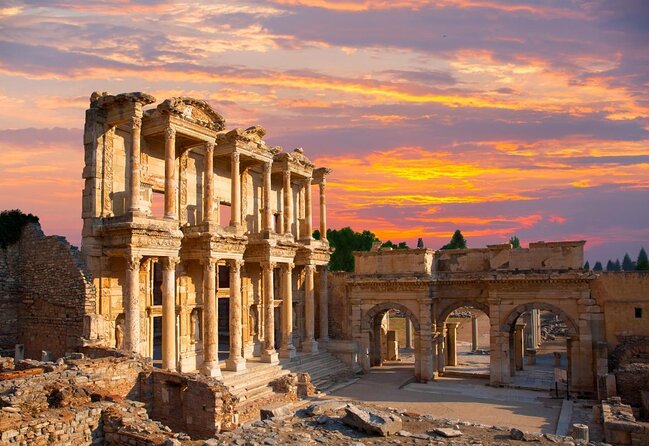
Ephesus is a flagship stop. You’ll visit key highlights like marble streets, the Baths of Scholastica, and the Library of Celsus. The Temple of Hadrian and the Grand Theater are also included, with the theatre built earlier and later expanded to hold about 24,000 spectators.
This is the kind of place where the scale can shock you. Even with a planned schedule, you’ll still want a moment to look at the lines of buildings and think about how crowds once moved here.
The House of the Virgin Mary: pilgrimage site on the mountainside
Next is the House of the Virgin Mary, on the Aladag Mountains about 5 miles from Ephesus. The tour explains how the site became a pilgrimage location, including a visit by Pope Paul VI in 1967.
St. John’s Basilica: believed burial place connection
Then comes St. John’s Basilica, where the belief is that St. John spent his last years and was buried on Ayosolug Hill’s southern slope. The stop is shorter, but it fits naturally after the Mary house visit.
Artemis Temple: ancient wonder status
Finally, you stop at the Artemis Temple area. The tour notes it as one of the ancient world’s Seven Wonders. Even when the ruins are partial, the fact that this was once a global headline attraction gives you perspective.
Pamukkale and Hierapolis: the natural wonder side quest
You also visit Hierapolis and Pamukkale, which aren’t part of the Seven Churches list, but they’re a strong add-on. It’s a classic “history plus nature” combo.
At Hierapolis, you’ll see major remains including the theatre, the Apollo Temple, and the Necropolis. Then you move to Pamukkale’s travertine terraces—white mineral formations that look like cotton balls or snow. The effect is so striking that it feels like a whole different trip type.
After this day, the tour checks you into a thermal hotel for dinner and overnight, which is a good way to recover your legs.
Price and Value: why $2,269 may or may not fit you
At $2,269 per person for about 10 days, this isn’t a budget trip. What you’re paying for is structure and “handled for you” logistics: domestic flights, pre-paid entrance fees, and a route that strings together major sites without you doing route math.
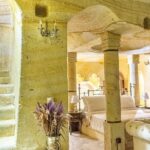
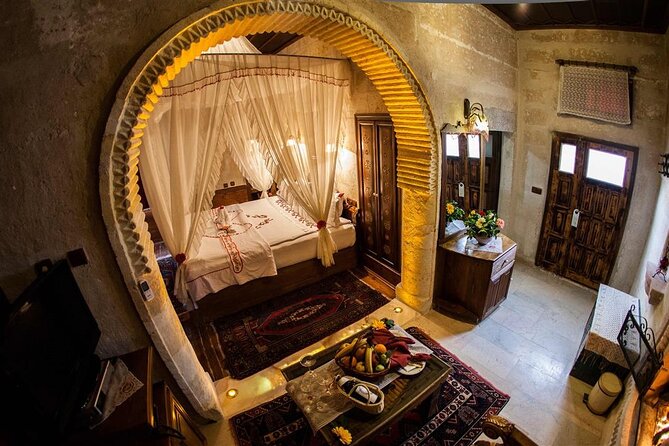
This price also covers targeted stops rather than generic sightseeing: Hagia Sophia, Topkapı Palace, Cappadocia valleys plus Kaymaklı, and the full arc of Revelation locations around Izmir. On top of that, you’re staying in 4/5 star and cave hotels, including options like Yasmak Sultan or Dosso Dossi Old City in Istanbul, and cave stays like Yunak Cave Hotel in Cappadocia.
If you value a guide who can connect the biblical theme to what you see on-site—and you like the convenience of airport transfers, minibuses, and tickets already arranged—this can feel like good value.
If you’re the type who prefers total freedom, this may feel rigid. You’re on someone else’s timetable most days.
Group Size, Pace, and the Practical Stuff That Matters
This is max 10 travelers, in English, with mobile tickets and pickup/transfer included for both Istanbul airports (IST and SAW). That small group size is one of the best ways to keep the schedule smooth, especially on days with many walking segments.
The physical note is real. The tour asks for moderate physical fitness, and dress code rules apply at religious sites: bare shoulders aren’t permitted, and you’ll need to remove shoes in mosques. Bring a light layer for shoulders even in warm weather.
Also, Hagia Sophia’s setup means you should pack for it: a charged smartphone and headphones. If you forget, you can buy headphones on-site, but it’s better to go prepared.
On the flight days, note the included baggage limits: 15 kg checked and 8 kg cabin. That matters for planning what you bring back from markets and workshop areas.
Should you book this tour?
Book it if you want a guided trip where scripture locations are treated as real places you can stand in front of, not just names on a map. The mix of Istanbul classics, Cappadocia caves, and the Seven Churches arc is well aligned, and the small group size helps keep it human.
Consider skipping or switching to a different format if you dislike early starts, long walking days, or you’re not interested in pilgrimage- and ruin-heavy travel. Also, if you can’t handle the worship-site dress rules, you’ll be fighting the day instead of enjoying it.
FAQ
FAQ
What airports does the tour use in Istanbul?
You’ll arrive and depart via Istanbul Airport (IST) or Sabiha Gökcen Airport (SAW), with pickup and private transfers included from both.
Are airport transfers included?
Yes. The tour includes private pickup and private transfer from Istanbul Airport (IST) and Sabiha Gökcen (SAW).
What is the approximate duration of the tour?
It runs for about 10 days.
Does the price include domestic flights?
Yes. The tour includes domestic flight tickets for the Istanbul → Cappadocia → Izmir → Istanbul route, with baggage limits of 15 kilos checked and 8 kilos cabin.
Are entrance fees included?
Yes. Entrance fees are included, with the guide having pre-paid tickets to help you skip the line.
Is there a Bible-focused guide?
Yes. The tour includes a professional Bible-oriented guide.
What language is the tour offered in?
The tour is offered in English.
Is a vegetarian option available?
Yes. A vegetarian option is available if you advise at booking.
What dress code rules should I expect at worship sites?
Bare shoulders are not permitted, and shoes must be removed in mosques.
![2 Continents Tour incl. Beylerbeyi Palace [full-day] - Beylerbeyi Palace on the Asian side: an Ottoman summer residence](https://7.theturkeytraveller.com/wp-content/uploads/2-continents-tour-incl-beylerbeyi-palace-full-day.jpg)