REVIEW · ISTANBUL
Washington D.C: Monuments & History Guided Tour -Day &Night
Book on GetYourGuide →Operated by Charlotte City Tour · Bookable on GetYourGuide
That’s a lot of DC in just 2 hours. This guided tour links the White House, Capitol Hill, and the National Mall with photo stops and stories you can actually remember.
I like the open-air feel—cool breeze, big views, and no bus-window claustrophobia. And I really like that the guide uses the stops to explain what each monument meant when it was built, not just where it sits.
One thing to consider: food and drinks aren’t included, so plan a snack or drink before or after if you’re the type who gets hungry mid-tour.
In This Review
- Quick take: what makes this DC day-and-night tour worth your time
- The vibe: an open-air trolley that turns DC into a moving viewpoint
- What’s covered in 2 hours: White House, Capitol Hill, and the National Mall
- Lincoln Memorial and Washington Monument photo stops you can plan around
- The stories you’ll hear: civil rights, the wars, and U.S. presidential legacies
- Day vs night tours: same route, different mood
- How the vintage-car style ride affects comfort and viewing
- Price and value: why $31 can make sense here
- Who this tour fits best (and who might want a different plan)
- Practical tips before you go
- Should you book this day-and-night DC trolley tour?
- FAQ
- How long is the Washington, D.C. monuments and history guided trolley tour?
- Where do I meet the guide?
- Is there a nighttime option or only daytime?
- What landmarks does the tour include?
- Is food or drinks included in the price?
- What language is the tour guide?
Quick take: what makes this DC day-and-night tour worth your time
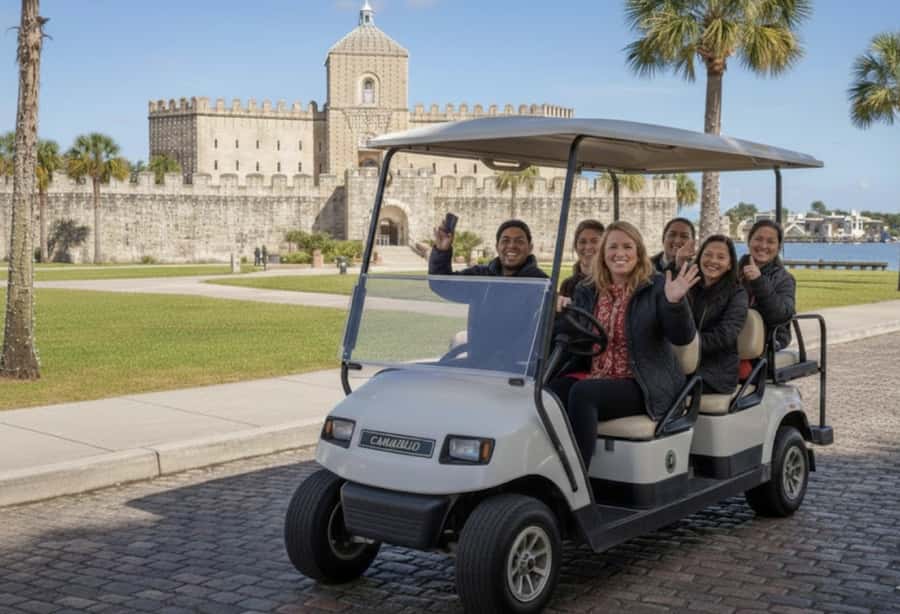
- Open-air trolley-style ride that keeps sights in view while you move quickly between landmarks
- Photo stops at major monuments like Lincoln Memorial and Washington Monument
- Day or nighttime options so you see the same city under different lighting
- Focused stories tied to U.S. democracy, civil rights, and major wars
- English live guide who answers questions and tailors to what you care about
The vibe: an open-air trolley that turns DC into a moving viewpoint
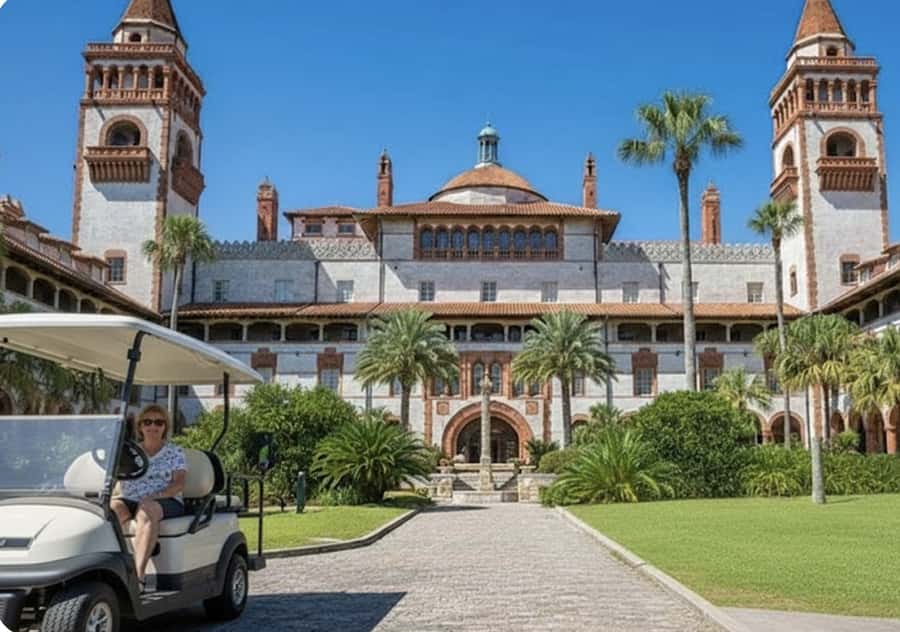
Washington, DC can feel spread out. What I like about this tour setup is that it turns those distances into a smooth ride where you’re always looking at something—rather than constantly recalculating routes on your own. It’s an American trolley style vehicle with an open-air design, and the experience is also described as a restored vintage car ride. Either way, the goal is the same: you get classic vehicles and clear sightlines.
Because you’re outside, you get a real sense of the city’s scale. You’re also less stuck in your head with maps and directions, which is a big deal on a first trip. The guide keeps the ride from being “just sightseeing,” with commentary that connects the monuments to the people and events behind them.
If you’re traveling with mixed interests—someone who wants photos and someone who wants stories—this format tends to satisfy both. You’re moving, you’re learning, and you’re stopping long enough to capture the moments.
You can also read our reviews of more guided tours in Istanbul


What’s covered in 2 hours: White House, Capitol Hill, and the National Mall
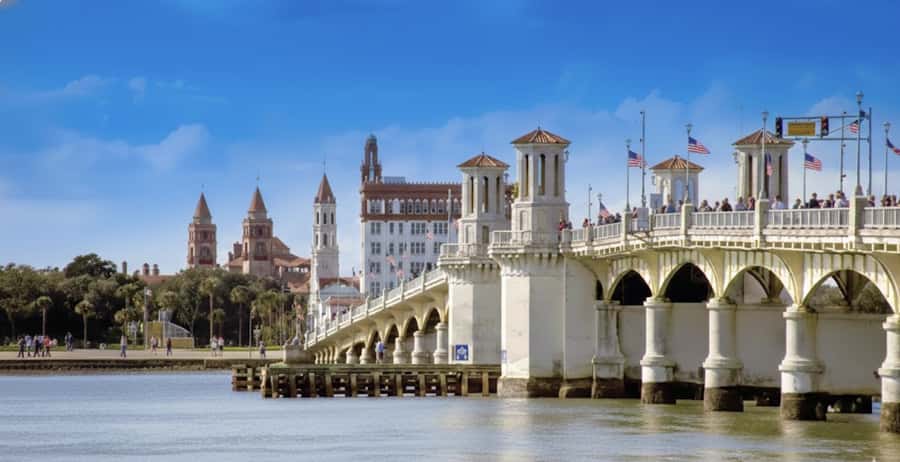
In two hours, you’re not trying to “do DC.” You’re doing the highlights that help you understand DC’s layout and themes. The tour runs past the White House, Capitol Hill, and key parts of the National Mall. These are the big, obvious sights, but the guide’s explanations are what make them more than postcard backdrops.
Here’s the practical way to think about these stops:
- White House area: you get a look at the official residence and workplace of the U.S. President, plus context about how that space functions as a symbol.
- Capitol Hill: you see the seat of the U.S. Congress, framed as a democracy marker—not just an architectural landmark.
- National Mall viewpoints: these make it easier to connect different monuments in your mind later, since you’ll have seen the central “spine” of the city.
Even if you’ve seen photos of these places, the guide’s sequencing helps. You start noticing alignments and patterns—where monuments are placed and why they’re grouped the way they are.
Lincoln Memorial and Washington Monument photo stops you can plan around
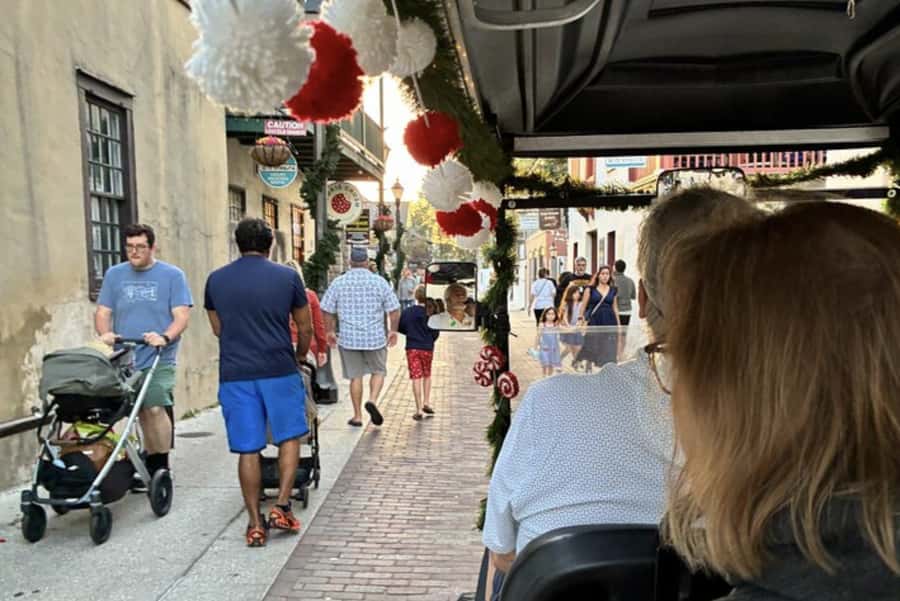
The tour includes photo opportunities at major monuments, and two standouts are the Lincoln Memorial and the Washington Monument. These are places where timing and angles matter, because the background changes your whole photo even if you’re standing in roughly the same spot.
At the Lincoln Memorial, you get a chance to stop and take pictures with the monument’s scale in view. It’s one of those stops where even a quick visit can feel meaningful once you’ve heard what the site is tied to and how it shaped public memory.
At the Washington Monument, you’re seeing an obelisk built as a towering tribute to George Washington. From street level, it can feel almost bigger than your expectations. The stop also helps you orient yourself. After this, you’ll have a clearer sense of where other memorials sit relative to the monument’s landmark shape.
The photo stops are also useful if your group has different energy levels. If someone wants the classic shot immediately, they can grab it. If someone wants to linger for a better angle, you can take advantage of the stop without having to fight for it.
The stories you’ll hear: civil rights, the wars, and U.S. presidential legacies
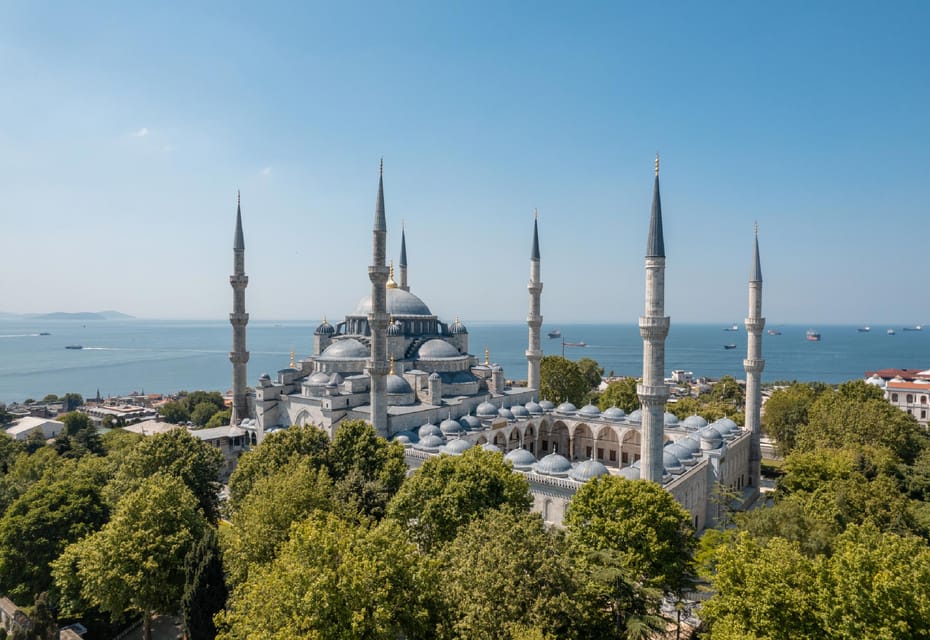
This tour is strongest when it connects scenery to meaning. You’ll get guided commentary at sites tied to major U.S. themes, including civil rights and wartime sacrifice. For example, the route includes stops connected to Dr. Martin Luther King Jr. and the I Have a Dream speech. That matters because you’re not just looking at a memorial—you’re hearing how the story evolved and why the message still lands today.
You’ll also hear about honors for conflicts from the 20th century, including:
- The Vietnam War sacrifices
- Contributions tied to the Korean War
- Tributes connected to the Greatest Generation
Then there’s the presidential thread. The tour includes mention of the 32nd President serving four terms in office, plus a neoclassical tribute tied to the third U.S. President. Those details are the difference between “I saw buildings” and “I understand why these places get highlighted.”
One of the best values here is that the guide can tailor to questions. If you want more detail about a specific conflict, a civil rights milestone, or how DC’s monuments reflect political ideals, you can usually steer the conversation in that direction.
Day vs night tours: same route, different mood
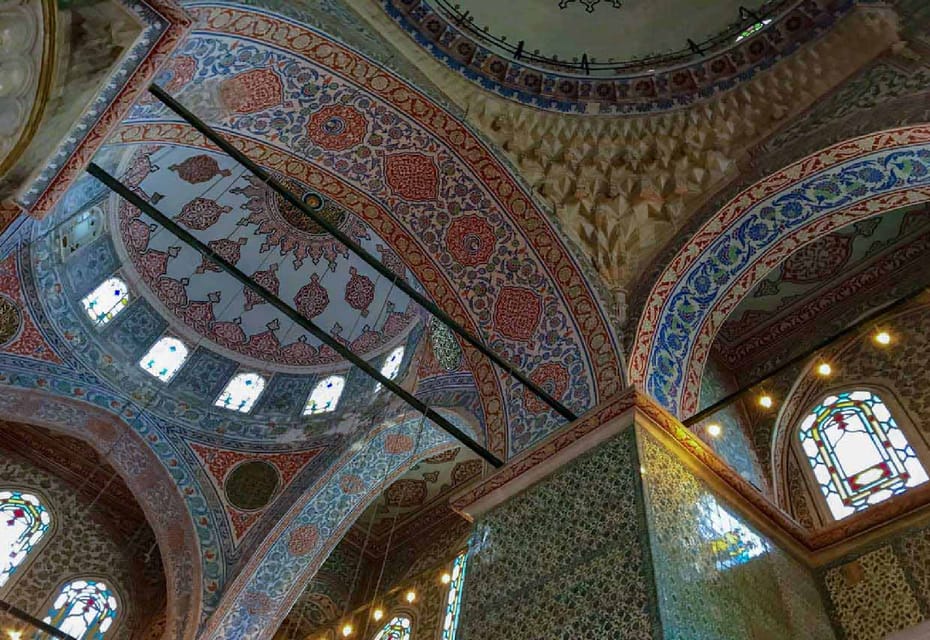
You can choose a daytime or nighttime version. That choice changes the feel more than you might expect.
In the daytime tour, monuments sit in sunlight, and the walking-style cues of DC become clearer fast. If you’re brand-new to the city, daytime helps you map things visually. You also tend to get more forgiving conditions for photos—especially for wide shots.
The night tour flips the experience. Monuments are illuminated, and DC starts to look more theatrical. The glow can make memorials feel more intimate, even though they’re still huge. It’s a good option if you already know you’ll want dramatic photos or if you prefer cooler evening temperatures.
If you’re doing DC for the first time and you only have energy for one tour, I lean toward daytime for orientation. If you’ve already seen the major sights on foot or by museum time, nighttime adds atmosphere and a second layer of meaning.
You can also read our reviews of more historical tours in Istanbul





How the vintage-car style ride affects comfort and viewing
A lot of DC tours feel like you’re stuck in a seat while your eyes do the work. This one leans into comfort for both eyes and body: the open-air design gives uninterrupted views, and the ride is described as electric and quiet. That combination helps you hear the guide without constantly competing with engine noise.
There’s also a subtle benefit: open-air viewing reduces the sense that you’re missing details by being inside. With DC’s monuments, small orientation cues matter—angles, spacing, and sightlines. When you can see around you, you naturally start forming a mental model of the city.
The tour duration is short—about 2 hours—which is ideal if you want a high-impact overview without giving up a whole day. It’s also a decent choice if your schedule is tight. You’re not committing to a long day of transfers and walking, but you still get guided context.
Price and value: why $31 can make sense here
$31 for a 2-hour guided experience may sound simple, but the value comes from what’s included. You get:
- Guided transportation via trolley-style vehicle
- Expert live commentary
- Photo opportunities at multiple landmarks
- The option to go by day or by night
If you tried to replicate this on your own, you’d still be paying for transport and time. And you’d likely miss some of the “why this matters” connections. DC monuments are layered. Without guidance, it’s easy to see surfaces and not grasp the underlying themes—democracy, civil rights, and remembrance of war.
The cost also lines up well with the format. This isn’t a full-day museum ticket. It’s a focused orientation tour where you get a guided narrative while you move between icons quickly.
Just remember: food and drinks aren’t included. I’d treat the tour like a tight, guided block of sightseeing. Eat beforehand, or plan to grab something after.
Who this tour fits best (and who might want a different plan)
This is a strong fit if:
- You want a guided DC overview without a heavy walking day
- You care about stories behind the monuments, not just photos
- You like getting multiple key sights in a short window
- Your group includes different interests and you want one shared plan
It may be less ideal if:
- You’re hoping for long, in-depth time inside monuments or buildings (this is a ride-and-stop tour)
- You want a strictly museum-style schedule
Overall, it’s one of those experiences that works as a “get your bearings fast” move. Even if you later return to individual monuments, you’ll likely feel more oriented because you saw the big-picture connections first.
Practical tips before you go
A few things can help this run smoothly:
- Dress for the weather. Open-air means you’ll feel wind and temperature changes more than you would on a closed bus.
- Bring a camera or phone mount you can handle one-handed, because you may want quick shots during stop moments.
- If you’re going at night, charge your phone fully. Lighting can change camera settings, and you’ll want battery for multiple attempts.
- Since food and drinks aren’t included, plan a pre-tour snack or plan a post-tour meal so the 2-hour window doesn’t turn into a hunger distraction.
Also note the basic rules: smoking isn’t allowed.
Should you book this day-and-night DC trolley tour?
If you want a high-impact introduction to Washington, DC in about 2 hours, I’d book this. The combination of open-air viewing, photo stops, and guided commentary tied to real themes (democracy, civil rights, war remembrance, presidential legacies) makes it feel more than sightseeing-by-numbers.
Choose daytime if you want orientation and easier photos. Choose nighttime if you want the illuminated mood and a more dramatic look at the monuments. Either way, you’ll leave with a clearer sense of what you saw and why it matters.
FAQ
How long is the Washington, D.C. monuments and history guided trolley tour?
The tour lasts 2 hours.
Where do I meet the guide?
Meet your guide in front of ARLO HOTEL.
Is there a nighttime option or only daytime?
You can choose between a daytime or nighttime tour.
What landmarks does the tour include?
The tour includes iconic sights such as the White House, Capitol Hill, and stops for photos at the Lincoln Memorial and Washington Monument, plus other major landmarks along the way.
Is food or drinks included in the price?
No. Food and drinks are not included.
What language is the tour guide?
The tour is guided in English.