Lokum looks simple, but the making is magic. This Turkish Delight workshop in Istanbul pairs an Ottoman-style history lesson with hands-on steps you can actually see and do. You’ll end with tastings and a classic gift from Hacı Bekir.
I like that the session is built around clear stages: syrup, starch, shaping, and coating, so you understand what you’re eating (and why). I also like the small-group format (up to 8) and the friendly English-speaking hosting—Lina is repeatedly praised for being caring, funny, and encouraging when things get a little messy.
One catch: the lokum you make during class needs a resting period, so you won’t snack on your own batch right away, or take it home. The upside is you still get three tastings and a 200g boxed Hacı Bekir Turkish Delight to bring back.
In This Review
- Key things to know before you go
- Why this Turkish Delight workshop feels more real than a food tour
- Inside the 90 minutes: syrup, starch, shaping, and coating
- The tastings that actually help you understand quality
- Your main souvenir: 200g from Hacı Bekir (1777)
- What you’ll feel like doing afterward (and what you’ll actually know)
- Location and timing: planning around a short walk and stairs
- Price and value: why $40 can make sense here
- Who should book this (and who might skip it)
- Should you book the Turkish Delight Workshop in Istanbul?
- FAQ
- How long is the Turkish Delight workshop in Istanbul?
- Is the workshop offered in English?
- What do you do during the workshop?
- Will I be able to eat the lokum I make during the class?
- How many Turkish Delight varieties do you taste?
- What gift do you get at the end?
- How big is the group?
- Where does the workshop start and end?
Key things to know before you go
- Small group (max 8): more time for questions and real back-and-forth teaching.
- Three tastings included: you get to compare varieties before you leave.
- You watch and do key steps: syrup prep, adding starch, shaping, and finishing details.
- Session-made lokum isn’t taken home: it rests first, so plan on the boxed gift instead.
- Hacı Bekir (est. 1777) gift: a real, Istanbul classic in a 200g box.
- English-led workshop: confirmation happens at booking and a mobile ticket is used.
Why this Turkish Delight workshop feels more real than a food tour
If you only associate Turkish Delight with a sticky souvenir box, this class rewires that idea fast. Lokum isn’t just sweet candy—it’s a craft process with a specific sequence, and that sequence is where the flavor and texture come from. In this workshop, the story is tied directly to what you’re seeing in the room: syrup being prepared, starch being added, and the finished pieces being shaped and coated.
You also get the cultural framing without it turning into a lecture. The teaching connects the sweet to palace traditions and the way lokum became part of everyday Istanbul life. You can then taste and think, not just munch.
And yes, the atmosphere matters here. In the descriptions of the experience, the host (often Lina) is consistently described as supportive and upbeat, including when people accidentally make more of a mess than a master candy maker. That makes this a good choice if you’re a beginner and not trying to prove anything.
You can also read our reviews of more food & drink experiences in Istanbul
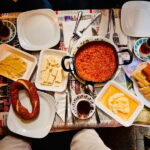


Inside the 90 minutes: syrup, starch, shaping, and coating
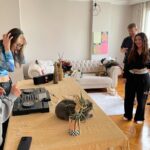
The workshop runs about 1 hour 30 minutes, and it’s structured around watching the process and participating in the steps. This is not a “stand there and watch” experience. You’ll learn the workflow that Turkish Delight makers use to get the right set.
Here’s the kind of progression you should expect:
- Syrup preparation: you’ll learn how the base is cooked so it reaches the right stage before the next ingredient goes in.
- Adding starch: this is where the lokum starts to develop its signature texture. The workshop focuses on what adding starch does, not just when it happens.
- Shaping and finishing: you’ll see how traditional lokum pieces are formed and then handled for the next phase.
- Professional cutting and coating: even though you take part in the process, the final finishing details are handled professionally so the pieces come out clean and consistent.
You’ll also hear why the resting period matters. The workshop specifically notes that the lokum made during class is not consumed or taken home because it needs time to rest properly. That’s actually useful knowledge—sweet-making is full of “looks ready” moments that aren’t ready yet.
One practical tip: wear clothes you don’t mind getting a little sticky. Even if the host is careful, syrup and sugar work is still… sugar work.
The tastings that actually help you understand quality
A big reason this workshop is good value is that it includes tastings of three different Turkish Delights during the session. Instead of leaving with only one flavor experience, you get quick comparisons that help you learn what you like.
You might run into options like pistacchio and rose, which have been mentioned in accounts of the class. The tastings aren’t just a payoff—they function like a mini lesson. After you see syrup and starch stages, the flavors make more sense because you can link taste and texture back to the process.
This is also where the cultural context lands. Lokum has long been shaped by regional tastes and available ingredients. When you taste three types side by side, you start noticing the differences more clearly, and you get a better sense of what makes one batch “classic” versus “perfumed” or nut-forward.
If you’re the kind of traveler who reads labels and buys the right box based on ingredients back home, this is a rare experience that trains your palate in a single hour.
Your main souvenir: 200g from Hacı Bekir (1777)
At the end, you don’t just leave with memories—you leave with something you can eat later. The included gift is a 200-gram box of classic Turkish Delight from Hacı Bekir, Istanbul’s oldest and most famous lokum maker (est. 1777).
That matters for two reasons:
- It’s a brand with strong local identity. You’re not taking home an anonymous bulk box.
- It’s real value in the budget. For $40, you’re not only paying for the class. You’re also paying for a named producer’s boxed product.
Also, the workshop is pretty honest about what’s going on with the lokum you make. Since your class batch needs resting time, the gift becomes the reliable “take-home sweet” you can enjoy without waiting.
If you’re traveling light, this 200g box is also a manageable souvenir. It’s compact enough for your bag, and it’s clearly better than eating only souvenirs in the moment.
What you’ll feel like doing afterward (and what you’ll actually know)
This kind of workshop pays off later, not just in the chair. Once you understand syrup stage, starch role, shaping, and coating, it changes how you shop in Istanbul.
For example, you’ll be more likely to notice:
- how different varieties vary in texture (not just flavor)
- how “classic” lokum tends to feel different from floral or nut varieties
- why resting time is part of the craft, not just a “they needed time” delay
It’s also a fun way to get a hands-on memory that isn’t another photo. Even if you’re not aiming to replicate the process at home immediately, you’ll walk away with a story you can explain: this is how the texture is built.
And since it’s paired with English explanation and a host who’s described as encouraging, it works whether you’re shy or talkative.
You can also read our reviews of more historical tours in Istanbul
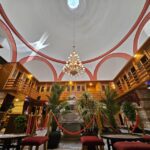



Location and timing: planning around a short walk and stairs
The meeting point is Istanbul Experiences Workshops Hobyar, at Kömürcü Bekir Sk. No:1/109, 34112 Fatih/İstanbul. The activity ends back at the meeting point.
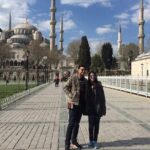
A practical note: the studio is described as tucked up a short alley and stairs. That doesn’t make it hard, but it does mean you’ll want comfy shoes and a little extra time if you’re near the Blue Mosque area. One description places it around a 15-minute walk from that area, which is helpful when you’re mapping your day.
The workshop is near public transportation, and it uses a mobile ticket. Confirmation happens at booking, and the group is kept to a maximum of 8 travelers, which helps the experience feel organized instead of rushed.
Price and value: why $40 can make sense here
At $40 per person for about 1.5 hours, this workshop isn’t just “try candy, take a photo, leave.” You’re paying for:
- a guided explanation of lokum history and production
- participation in step-by-step making
- tastings of three types
- professional finishing details (cutting and coating)
- and a 200g boxed gift from Hacı Bekir
So the value equation looks different than a lot of food experiences. If you were buying a branded box in Istanbul, the gift alone helps anchor the price. Then you add the instructional piece and the tastings.
Timing-wise, it’s also booked fairly far ahead on average—about 26 days—so if your schedule is fixed, don’t wait until the last minute.
Who should book this (and who might skip it)
This is a good fit if you:
- want a hands-on Istanbul food activity, not a lecture
- love sweets but also like understanding what you’re eating
- enjoy cultural context tied to real craft steps
- prefer a small group and English instruction
You might choose something else if you:
- only want to eat, with no interest in the process or waiting for resting time
- hate any sticky, hands-on activity (even light involvement can be messy)
- expect that the exact lokum you make during class will be something you can immediately snack on
Still, even with that drawback, you get three tastings and a boxed take-home. That balance is what makes the workshop work for most first-timers.
Should you book the Turkish Delight Workshop in Istanbul?
I think it’s worth booking if you want a structured, beginner-friendly Istanbul experience that mixes culture with candy craft. The biggest “yes” signals are the small group size, the three tastings, the step-by-step making approach, and the real take-home gift from Hacı Bekir.
If you’re already planning around the Sultanahmet/Blue Mosque zone, this is also a convenient way to fill a half-day segment with something different from museums and mosques. And if you’re traveling with someone who loves food but doesn’t want a long day, this fits the bill.
If your priority is only instant gratification from what you make, adjust your expectations. The workshop is clear that the class batch needs resting time, so your sweet moment is spread across tastings plus the 200g boxed gift.
FAQ
How long is the Turkish Delight workshop in Istanbul?
It lasts about 1 hour 30 minutes.
Is the workshop offered in English?
Yes. It’s offered in English.
What do you do during the workshop?
You learn the history and production of lokum, watch and participate in key steps such as syrup preparation, adding starch, shaping, and coating. Professional cutting and coating are also part of the process.
Will I be able to eat the lokum I make during the class?
No. The lokum made during the session is not consumed or taken home because it needs a resting period.
How many Turkish Delight varieties do you taste?
You taste three different types of Turkish Delight.
What gift do you get at the end?
You receive a 200-gram box of classic Turkish Delight from Hacı Bekir (est. 1777).
How big is the group?
The maximum group size is 8 travelers.
Where does the workshop start and end?
It starts at Istanbul Experiences Workshops Hobyar (Kömürcü Bekir Sk. No:1/109, 34112 Fatih/İstanbul) and ends back at the same meeting point.
If you tell me your travel dates and where you’re staying (rough area is fine), I can help you decide whether this workshop slots neatly into your day.