Coffee, sand, and fortunes in one hour. What makes this workshop fun is how quickly you go from story time to hands-on brewing, plus the payoff of a take-home gift set. I like the step-by-step teaching style I’ve seen highlighted by instructors like Zehra and Ahmed, and I also like that you get to choose from different blends so the cup fits your taste. One caution: the meeting-address info online can be a little off, so it’s smart to confirm using your map app before you arrive.
You’ll start with the cultural background of Turkish coffee, then move into the actual method—using both sand and a stove approach—so you’re not just watching, you’re doing. Another big plus is the inclusion of Menengiç coffee, described as caffeine-free with a nutty flavor, which makes this friendly even if you’re not a caffeine person. The fortune telling is part of the fun too, and it gives the session a satisfying finish instead of ending when you’re still thirsty.
Logistics are simple. It’s offered in English, the group size stays small (maximum 30), and the workshop ends back where you start in Göreme. If you’re short on time, plan for a relaxed hour and keep some buffer before your next stop.
In This Review
- Key Takeaways Before You Go
- Turkish Coffee on Sand: Why This Feels More Like a Skill Than a Demo
- Start in Göreme: What Happens After You Arrive at the Workshop
- Choosing Your Blend: Getting a Cup That Matches You
- Brewing Lessons on Sand and Stove: The Practical Part You’ll Use Later
- Menengiç Coffee: Decaf That Still Feels Like Turkish Coffee
- Traditional Treats Pairing With Your Cup
- Fortune Telling: Fun, Personal, and Part of the Ending
- The Gift Set: Why This Is Often Better Value Than It Looks
- Instructors Make the Difference: Zehra, Ahmed, Deniz, and More
- Price and Value: What You’re Really Paying For
- Timing and What to Schedule Around It
- Who This Workshop Suits Best (And Who Might Skip It)
- My Booking Advice: Should You Book It?
- FAQ
- How long does the Turkish coffee workshop last?
- Is the workshop offered in English?
- What is included in the gift set?
- Do they offer a caffeine-free coffee option?
- What is the maximum group size?
- Can I cancel for a full refund?
Key Takeaways Before You Go
- Sand + stove brewing: you learn the traditional method and also how it translates to more normal cooking setups
- Choose your blend: pick from three options so your cup matches your taste
- Menengiç decaf option: a caffeine-free, nutty coffee for non-caffeine drinkers
- Fortune telling included: coffee grounds reading turns a tasting into an experience
- Take-home gift set: a cezve, cup set, and ground coffee so you can practice later
- Small-group feel: max 30 travelers makes it easier to ask questions
Turkish Coffee on Sand: Why This Feels More Like a Skill Than a Demo
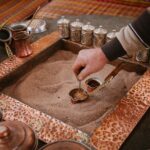
Turkish coffee is one of those travel experiences that can go two ways: either you taste something and move on, or you actually learn the method. This workshop leans hard toward the second option. You’ll get the hands-on brewing steps for traditional Turkish coffee, including how the process works on sand, not just in a generic coffee pot.
The sand method matters because it changes how you control the coffee as it heats. It also explains why Turkish coffee has that signature texture and foam. Even if you’ve had Turkish coffee before, you’ll probably understand what you were tasting after the class—why it comes out the way it does, and why the timing is part of the charm.
And because it’s not just making coffee, but pairing it with explanations and a fortune reading, the session feels complete. It’s a classic Cappadocia “small activity” that doesn’t eat your whole day, yet still gives you something to talk about at dinner.
A few more Goreme tours and experiences worth a look
Start in Göreme: What Happens After You Arrive at the Workshop
Your meeting point is Gaferli Mahallesi, Müze Cd. No:24, 50180 Göreme/Nevşehir Merkez/Nevşehir, Türkiye, and the activity ends back there. The location is in central Göreme, so you’re not stuck on the edge of town.
One practical note from experience reports: the workshop may be in a building that also hosts other crafts. So don’t expect a stand-alone café. You might see other things happening in the same space, like mosaic lamp making. That’s not a problem, just a heads-up so you know why it feels like a little studio area.
Also, double-check your address using your map app before you go. There’s at least one common issue where the address shown online can be off, and people end up relying on Google Maps to find the right place quickly. With an hour-long activity, saving those extra minutes is worth it.
Choosing Your Blend: Getting a Cup That Matches You
A lot of coffee experiences treat everyone the same. This one gives you a choice: you can select from three unique blends tailored to your taste. For me, that’s what makes it feel personal rather than touristy.
Here’s how you can think about your selection before you arrive:
- If you like a stronger, more traditional profile, choose the blend that feels closest to what you’ve had in Turkish cafés
- If you prefer something softer or different, pick the option that sounds less intense from the descriptions you’re offered during the workshop
This blend choice is also helpful because you’ll likely taste your final coffee right away. If you choose something you actually enjoy, you’ll get more out of the history, the brewing technique, and yes, the fortune reading that follows.
Brewing Lessons on Sand and Stove: The Practical Part You’ll Use Later
The core lesson here is learning traditional Turkish coffee brewing techniques using both sand and stove methods. That matters because sand brewing is part of the tradition, but stove brewing is what you’ll likely rely on at home.
During the workshop, you’ll be guided through the steps to make Turkish coffee the traditional way. In many sessions, you’ll also get a chance to handle parts of the process yourself—grinding and brewing are both mentioned in experience feedback—so it doesn’t feel like a lecture. You’re building muscle memory for the steps, not just listening.
If you care about getting it right next time, the tips are the real value:
- You learn the method and the timing cues that create the final texture
- You get ideas on how to recreate the perfect cup at home, using what you learned rather than copying a random recipe
Also, this is the kind of activity where instructors use real teaching language: step-by-step, patiently paced, and interactive. Instructors like Zehra and Ahmed/Ahmet are praised specifically for clear instructions and engaging explanations, which is what you want when you’re learning a technique that’s easy to mess up if you rush.
Menengiç Coffee: Decaf That Still Feels Like Turkish Coffee
If you don’t do caffeine, you’re not stuck with tea or water. The workshop includes Menengiç coffee, described as caffeine-free and nutty in flavor.
That’s a big deal because it broadens who can enjoy the experience. You can still participate in the full process and taste the final product without worrying about the caffeine hit. It also makes the workshop feel more inclusive for mixed groups—couples where one person loves coffee and the other wants decaf, or families with kids who want the experience but not the buzz.
Nutty, caffeine-free coffee also pairs well with sweets, which you’ll have during the session. So even if you’re decaf, you won’t feel like you got the second-class option.
A few more Goreme tours and experiences worth a look




Traditional Treats Pairing With Your Cup
Turkish coffee is rarely just coffee. It’s typically enjoyed with a sweet or two, and this workshop follows that rhythm. You’ll get complimentary Turkish treats alongside your tasting.
This is more than snack time. Pairing matters because it teaches you how Turkish coffee is experienced in real life: the coffee’s texture and flavor aren’t meant to stand alone. When you’re learning how to make it, tasting it with the traditional treats gives you a context you can remember later.
If you’re sensitive to sugar, take it slow. Start with a small bite, then sip. The goal is to enjoy the coffee process, not overwhelm your palate in the first five minutes.
Fortune Telling: Fun, Personal, and Part of the Ending
The workshop doesn’t just stop after the coffee is made. It ends with a fortune telling session based on coffee grounds.
In reports, the fortune reading is repeatedly described as engaging and, for some people, surprisingly accurate. More importantly, it adds emotion to the experience. It turns a skill you learned into a story you keep.
Instructors like Ahmed/Ahmet, Eren, Deniz/Denise, Erin, and others are singled out for making fortune telling feel lively and interactive. If you like theater-light experiences—where you’re not being tricked, just invited to interpret something—this is a nice closer.
My practical advice: treat it like part of the fun, not a life plan. You’re there to learn coffee technique and pick up a little Turkish tradition, and the fortune reading helps the workshop land with a smile.
The Gift Set: Why This Is Often Better Value Than It Looks
One of the best reasons this workshop gets booked is the take-home gift set. You receive a cezve, a cup set, and ground coffee.
That’s not just a souvenir. It changes your payoff. Instead of buying a small bag of coffee and hoping you’ll figure it out later, you get the actual tools used for Turkish coffee at home:
- The cezve helps you make coffee the right way
- The cup set gives you the proper serving experience
- The ground coffee means you can practice immediately
For someone who’s curious, this is the difference between a one-time activity and a “skill with a souvenir.” It’s also a solid gift for people who love coffee, or for anyone who says they want Turkish coffee at home but never quite buys the right equipment.
Instructors Make the Difference: Zehra, Ahmed, Deniz, and More
The experience quality seems tightly linked to the teaching style. A lot of praise centers on instructors by name:
- Zehra is highlighted for being engaging, step-by-step, and offering decaf Menengiç options, plus fun fortune telling
- Ahmed/Ahmet gets credit for weaving coffee history into practical technique, and for a fortune reading that feels personal
- Deniz/Denise is praised for storytelling and making the session feel memorable beyond the brewing
- Ayşe Sultan, Emir, Aysi, and others are praised for patience and keeping things entertaining
Even if you don’t get these exact instructors on your day, the pattern in feedback is consistent: clear teaching, friendly energy, and an end-to-end experience that doesn’t feel rushed.
Price and Value: What You’re Really Paying For
At $28.48 per person for about an hour, this looks cheap or pricey depending on what you compare it to. Here’s the better way to judge value.
You’re paying for:
- A guided coffee workshop (sand and stove techniques)
- Choice of blends
- Complimentary sweets
- Menengiç decaf option
- Fortune telling
- A full gift set: cezve, cup set, and ground coffee
If you compare that to the cost of just buying Turkish coffee beans and equipment later, this becomes more reasonable fast. The workshop bundles the learning plus the tools plus the tasting experience. That’s why it gets strong recommendations across different kinds of coffee drinkers, including people who don’t usually drink coffee.
Timing and What to Schedule Around It
Duration is listed as 1 hour (approx.). Some experience reports mention sessions that feel like they run long enough for a relaxed pace, especially when people ask questions or take time with tasting and fortune telling.
So schedule it like this:
- Put it early or mid-afternoon so you’re not stressed by your next appointment
- If you have a tight flight window, build in a buffer so you’re not sprinting afterward
Also, keep the session as a priority activity. This isn’t the kind of thing you want to tack on while you’re already running late with other plans.
Who This Workshop Suits Best (And Who Might Skip It)
This works especially well if you:
- Love coffee and want a real method, not just a sampling
- Want a small Cappadocia activity that still feels cultural
- Travel as a couple or family and want something shared that doesn’t rely on climbing stairs or long walks
- Enjoy light entertainment, like fortune telling, alongside a hands-on craft
You might consider skipping it if:
- You’re not interested in any brewing process and only want a quick taste
- You have zero interest in Turkish coffee traditions and want a different type of activity entirely
My Booking Advice: Should You Book It?
Yes, I’d book it if you want an activity that mixes culture, a practical skill, and a souvenir that actually helps you use what you learned. The combination of sand and stove instruction plus the cezve gift set makes it one of the more “useful” things you can do in Göreme.
Book it with confidence if you’re traveling with mixed coffee preferences too, because Menengiç (caffeine-free, nutty) is included. And if you like a fun ending, the fortune telling turns the workshop into a full story, not just a class.
If you’re choosing between a bunch of Cappadocia experiences, this is the one that gives you both a memory and a way to recreate the taste at home.
FAQ
How long does the Turkish coffee workshop last?
The duration is about 1 hour.
Is the workshop offered in English?
Yes, it is offered in English.
What is included in the gift set?
The gift set includes a cezve, a cup set, and ground coffee.
Do they offer a caffeine-free coffee option?
Yes. Menengiç coffee is described as caffeine-free and nutty in flavor.
What is the maximum group size?
The workshop has a maximum of 30 travelers.
Can I cancel for a full refund?
Yes. You can cancel up to 24 hours in advance for a full refund.